Facelift in Turkey

Facelift at a Glance
The key facts before you read the details.
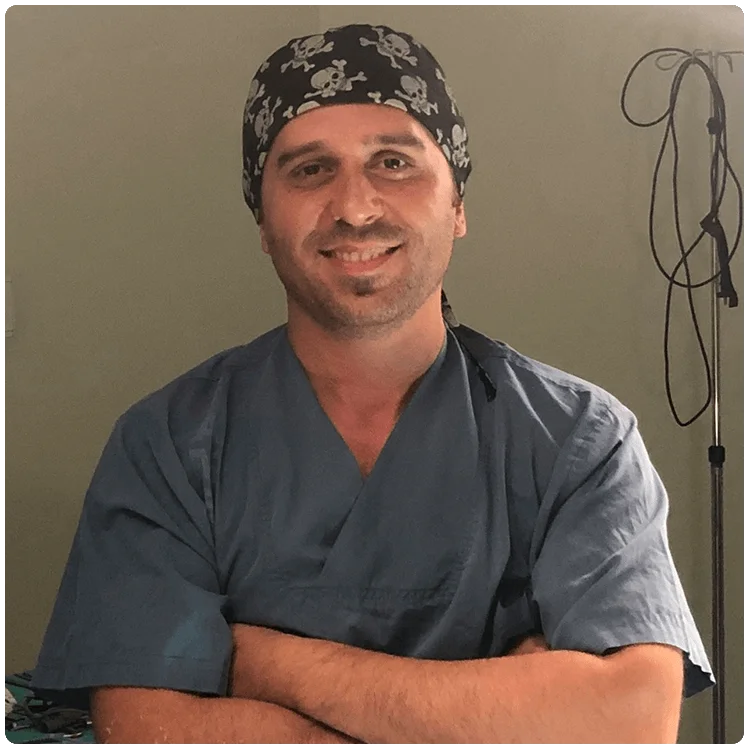
Op. Dr. Hasan Duygulu
Istanbul, Türkiye
Op. Dr. Hasan Duygulu
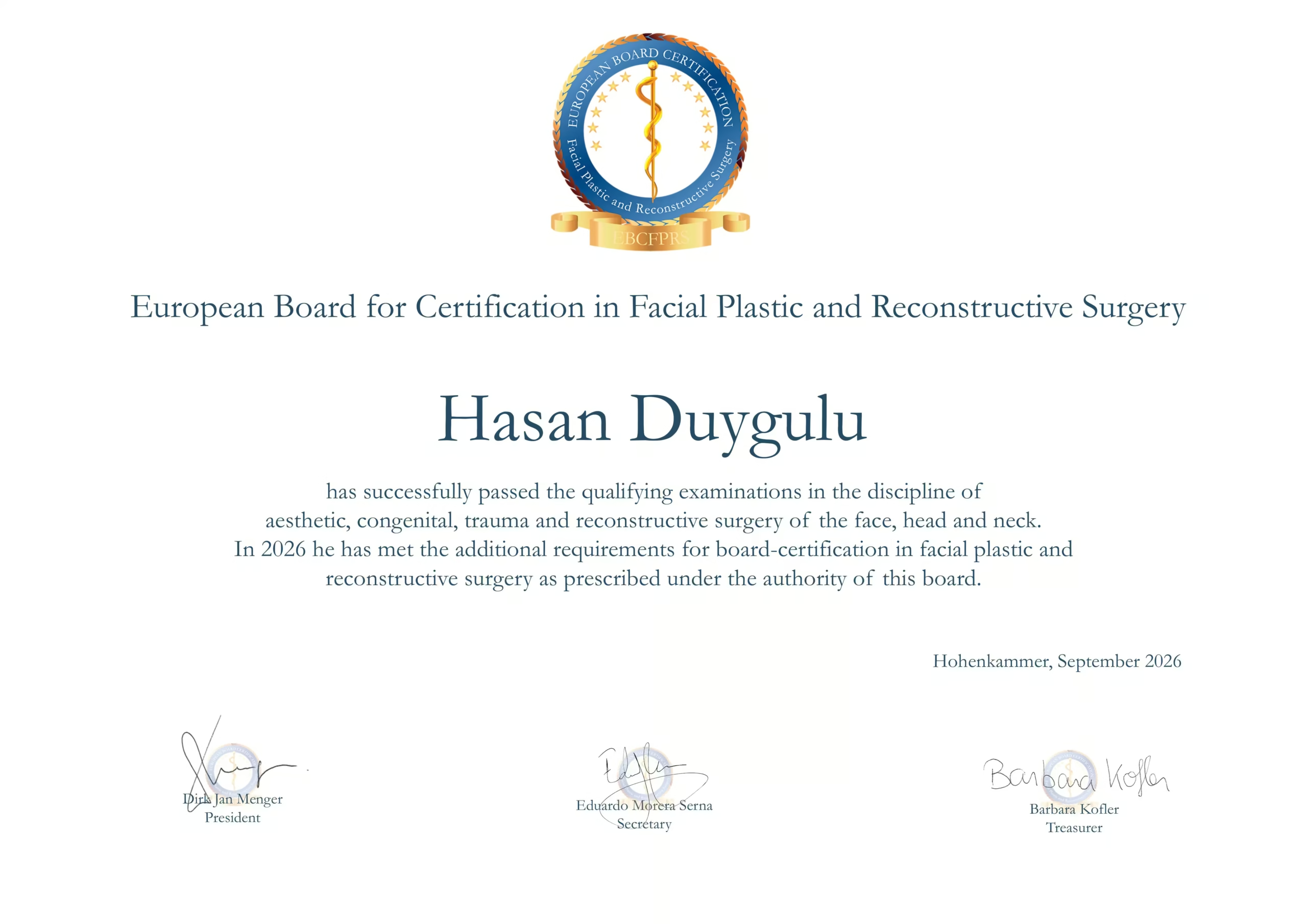
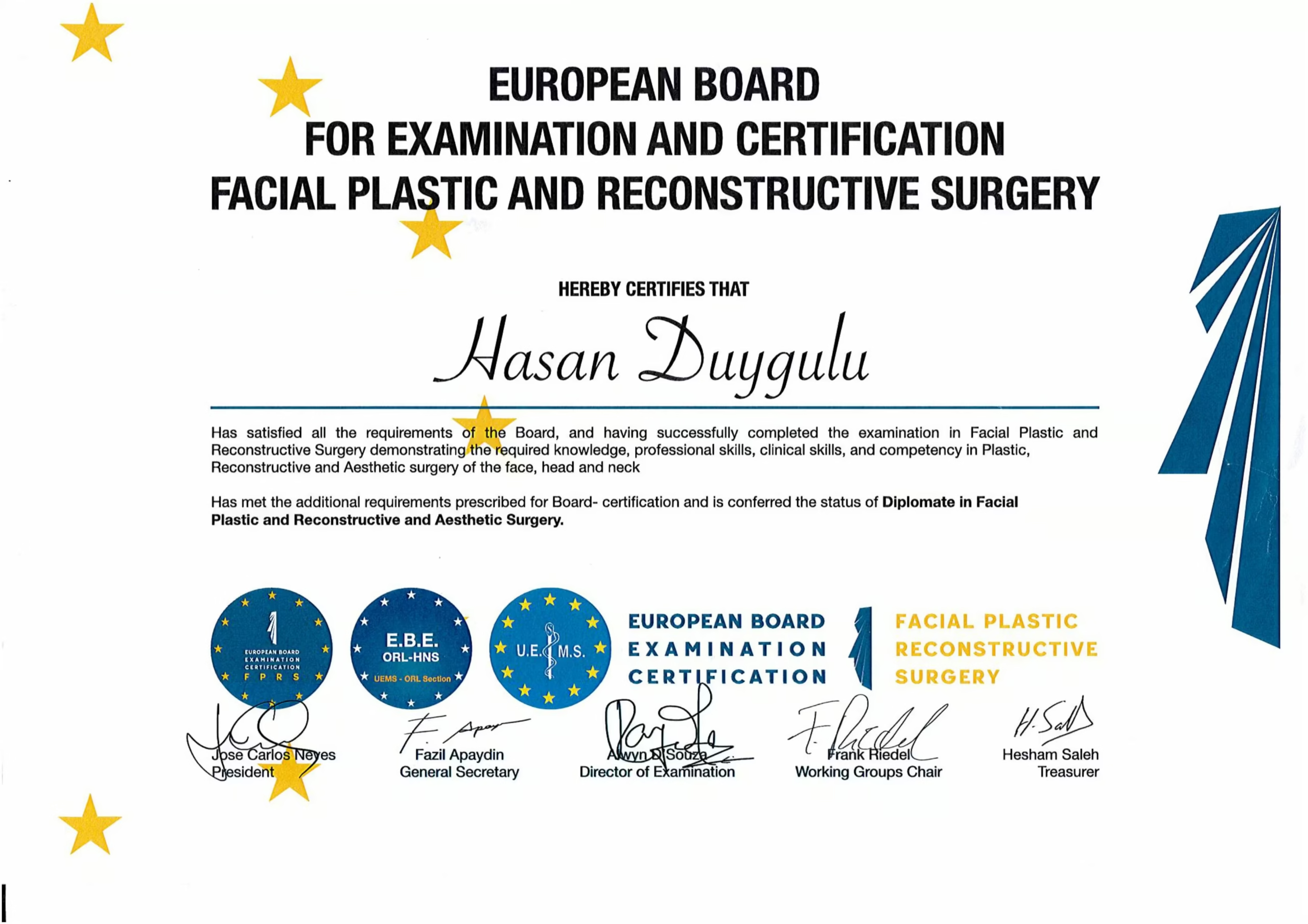
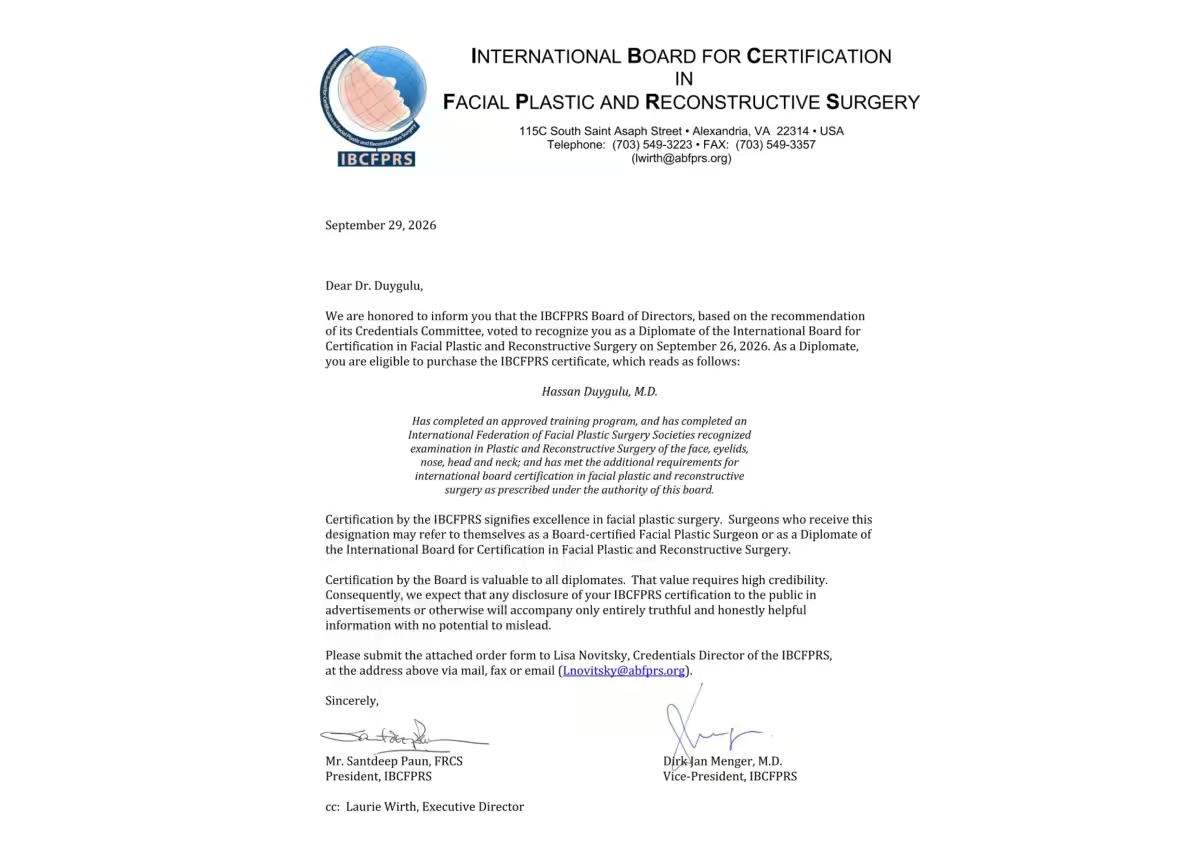
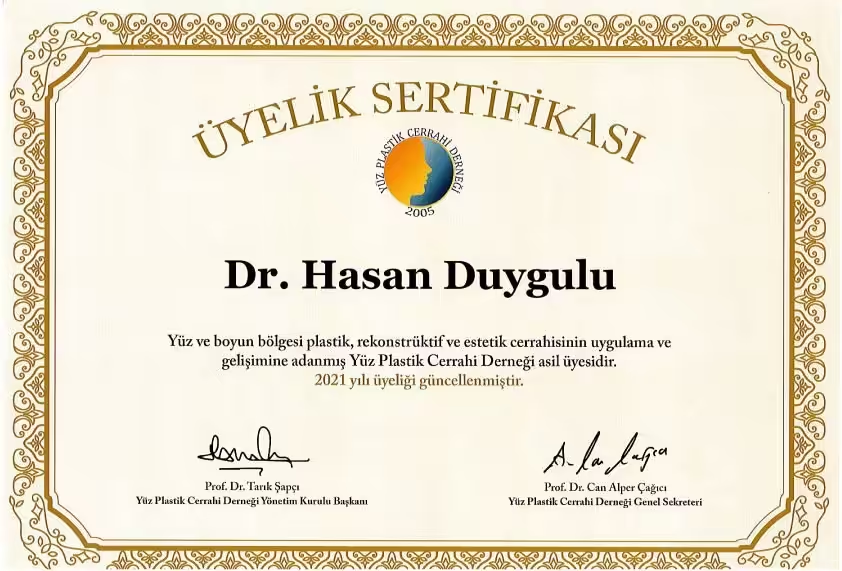
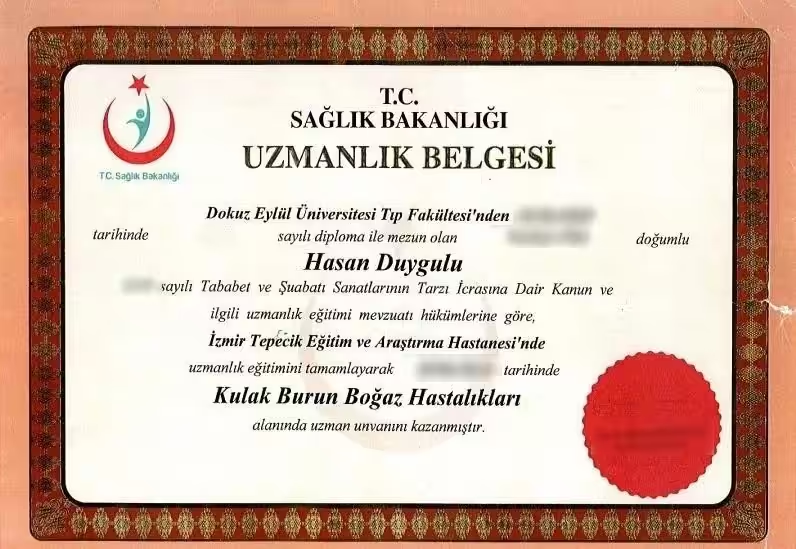
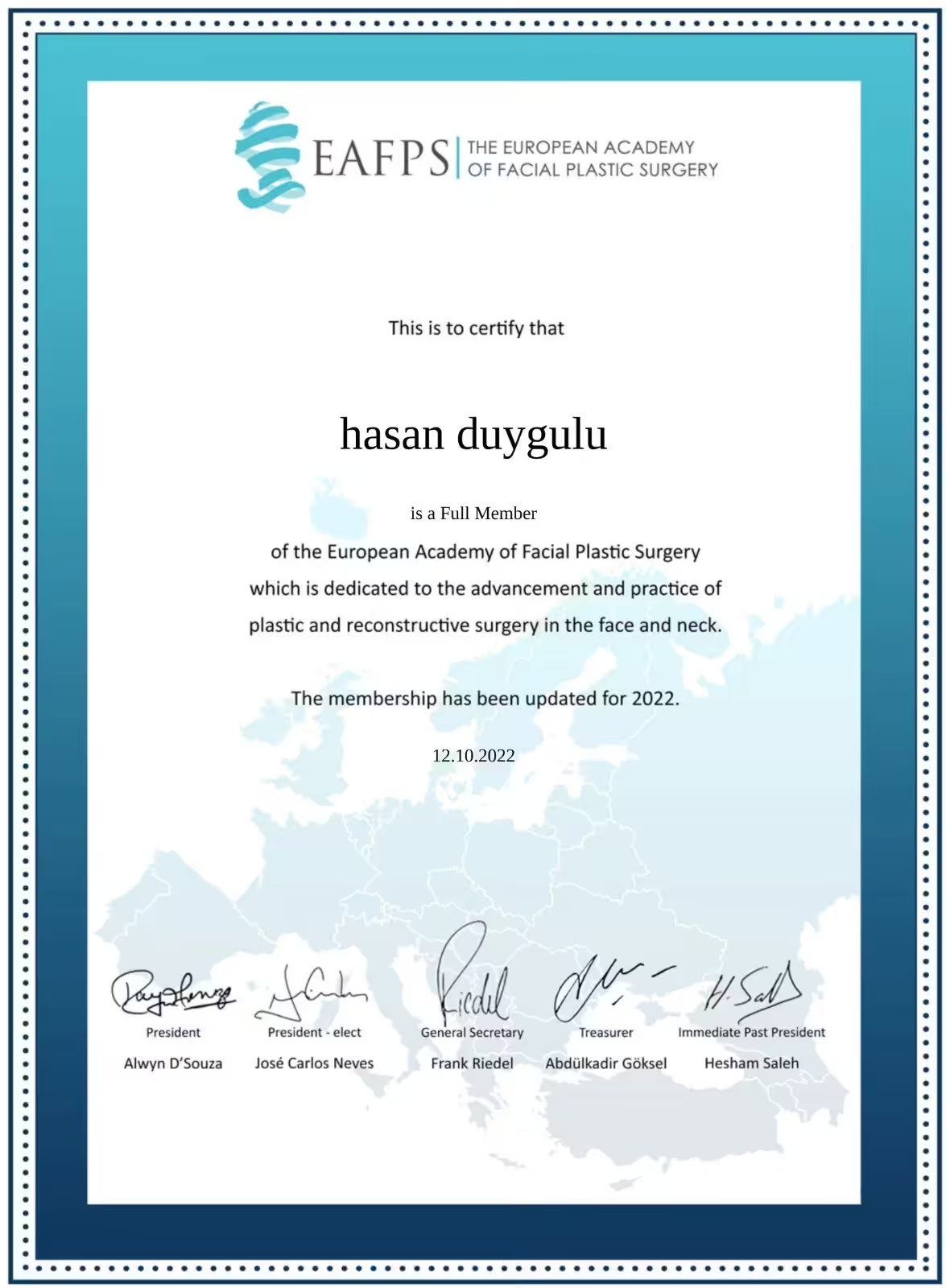
Born in Turkey, Dr. Hasan Duygulu graduated from Dokuz Eylül University Faculty of Medicine in 2009 and specialized in Ear, Nose and Throat (ENT) Diseases and Head & Neck Surgery. Throughout his career, he has focused on facial aesthetic and reconstructive surgery, with particular expertise in rhinoplasty, septoplasty, otoplasty and facelift. He holds double board certification in facial plastic and reconstructive surgery (EBCFPRS and IBCFPRS). His practice is built on detailed facial evaluation and personalized surgical planning, so that every result looks natural and respects the unique character of each patient’s face.
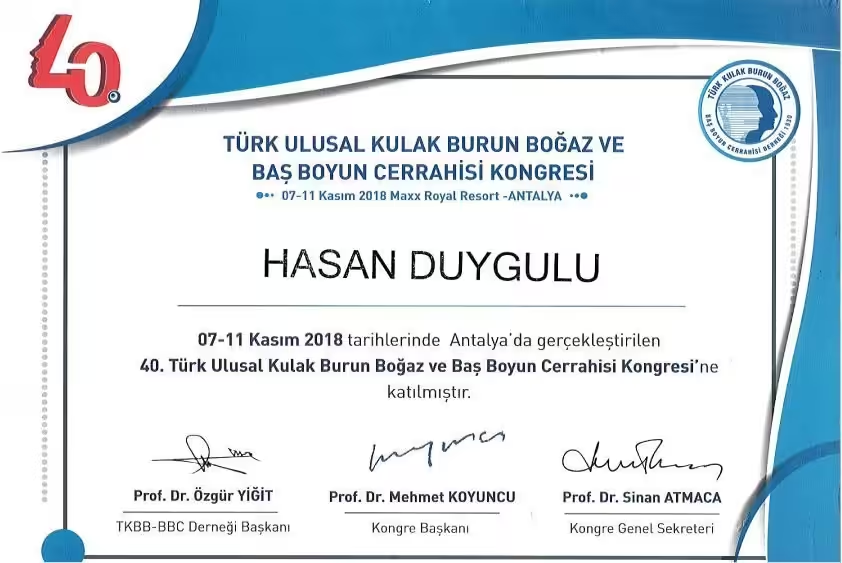
Dr. Hasan Duygulu’s training did not end with his specialty. He has attended advanced rhinoplasty courses and live surgery workshops across Europe, and in 2016 he took part in deep-plane facelift cadaver dissection courses, which keeps his methods aligned with current scientific literature.
With more than 15 years of experience and over 6,000 operations across rhinoplasty, septoplasty, otoplasty and facelift surgery, he has treated patients from more than 30 countries.
Every patient has a detailed one-on-one consultation, and Dr. Hasan Duygulu personally performs every stage of the surgery, from planning to the final follow-up visit.
Dr. Hasan Duygulu’s approach to facelift
Suited to patients with sagging cheeks, jowls or neck that skincare and non-surgical treatments no longer address, a facelift repositions the deeper facial tissues and removes excess skin, rather than simply pulling the skin, which helps the result look natural. Dr. Hasan Duygulu, one of the leading facelift specialists in Turkey, plans each facelift around your facial anatomy, skin quality and aging pattern and selects the technique accordingly, including the deep-plane facelift, in which the deeper layers are released and repositioned as one unit. Because this involves working near the facial nerve, it relies on detailed knowledge of facial anatomy, which he developed through his head and neck surgery training and deep-plane facelift courses. The aim is to look like a refreshed version of yourself, not like a different person.
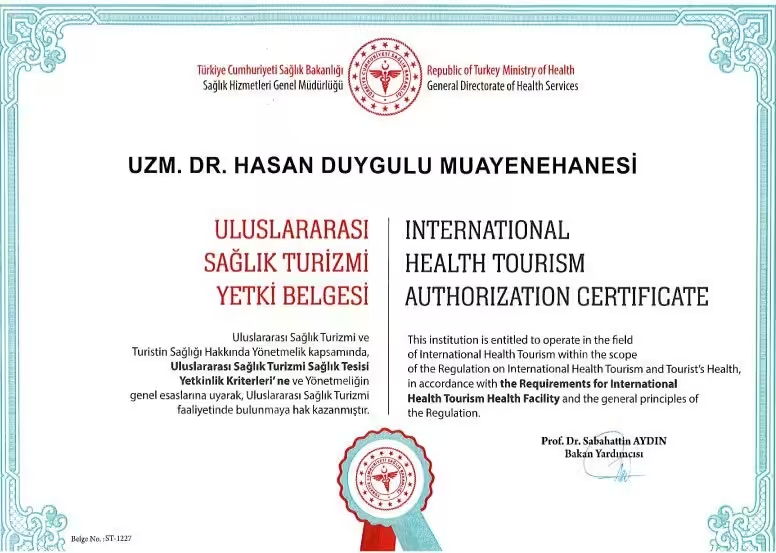
Certificate
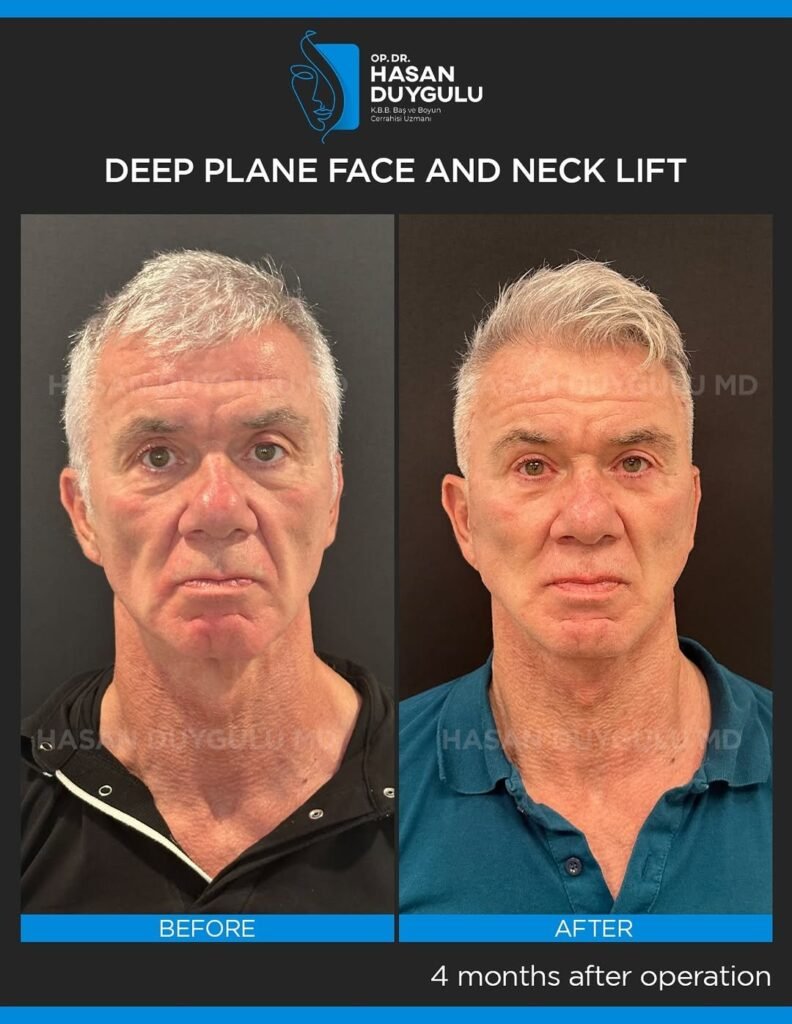
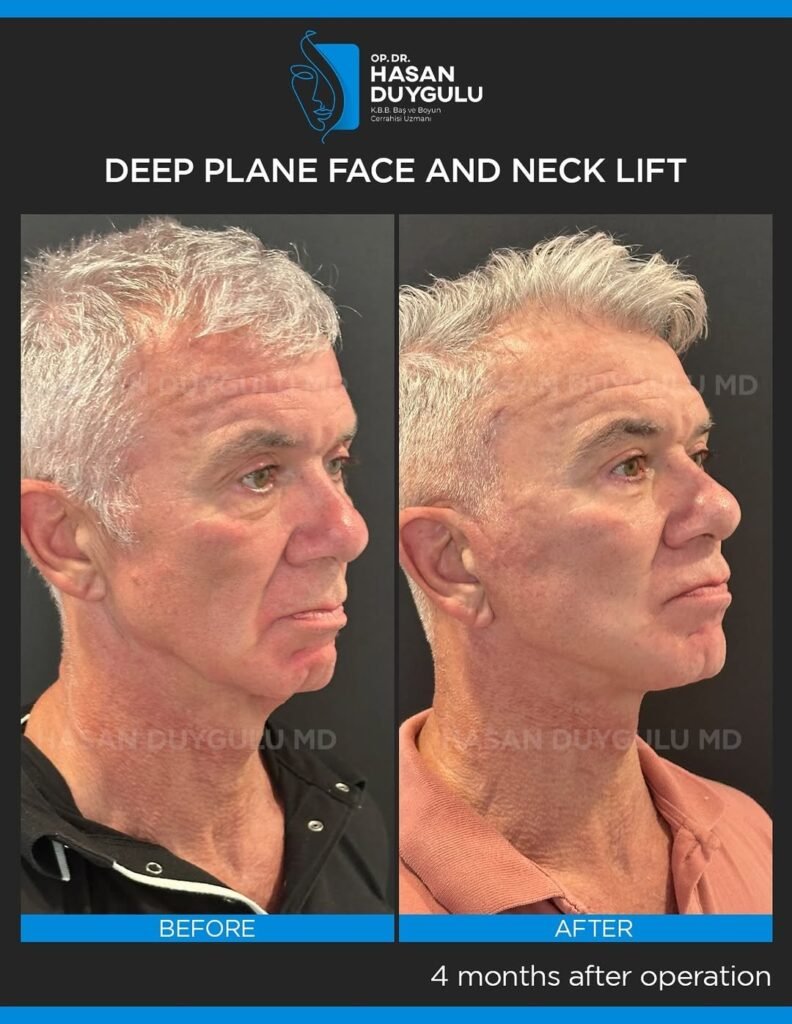
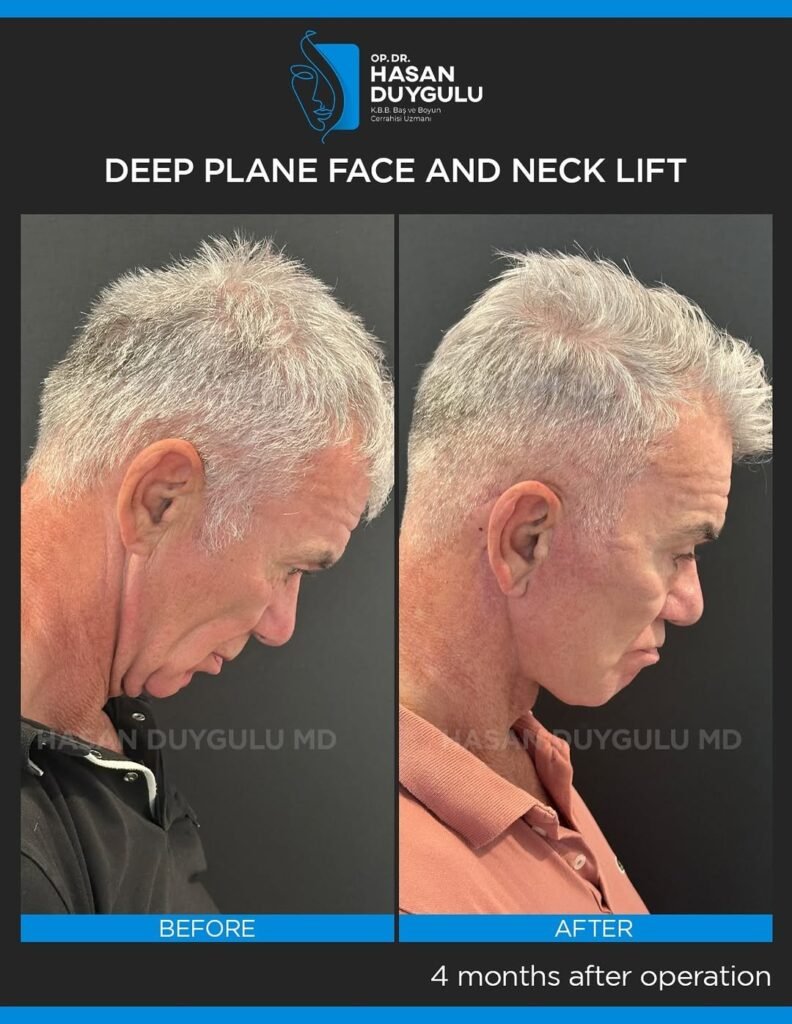
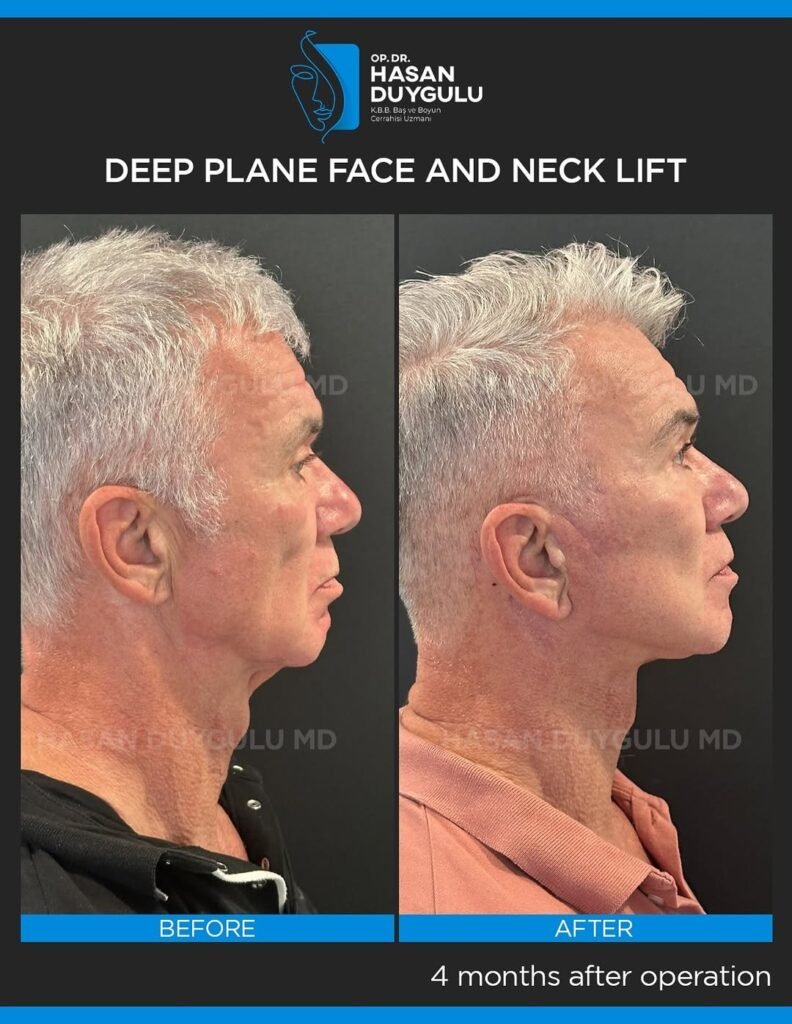
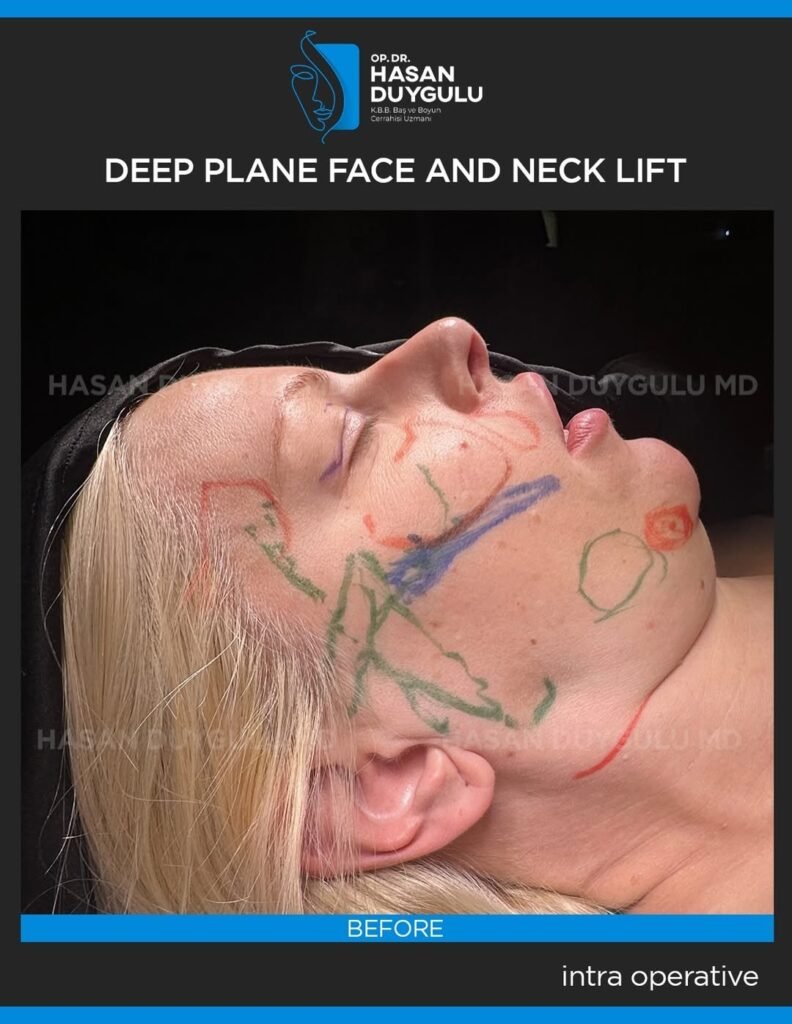
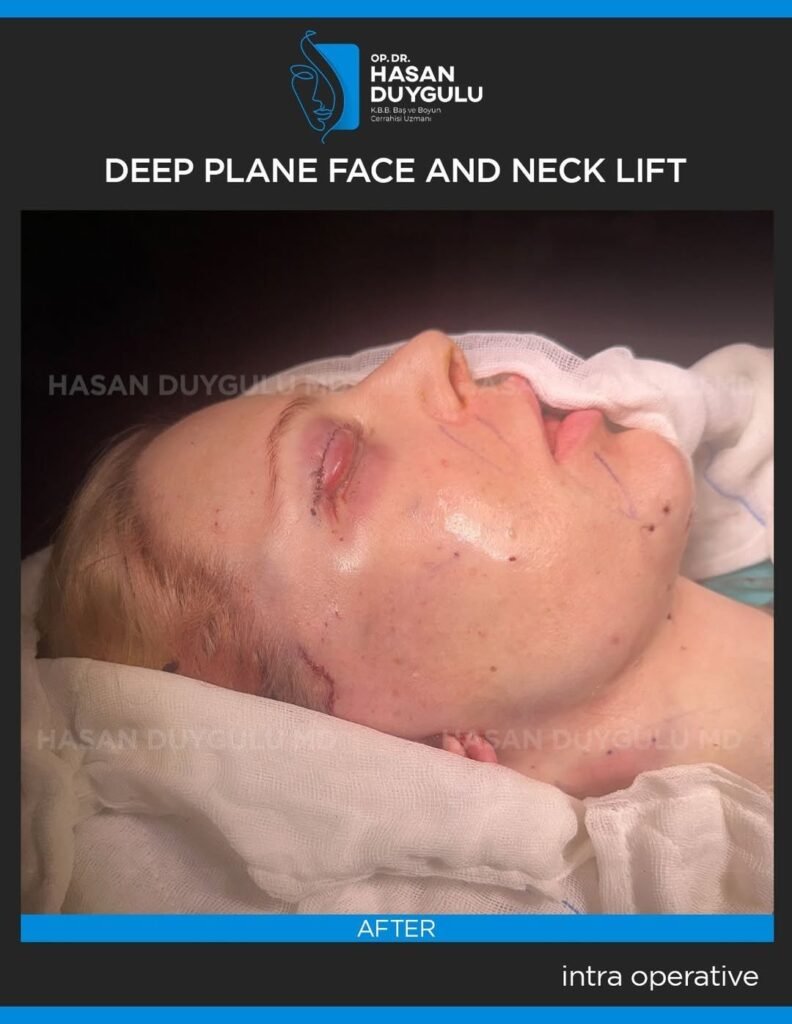
Before & After Gallery
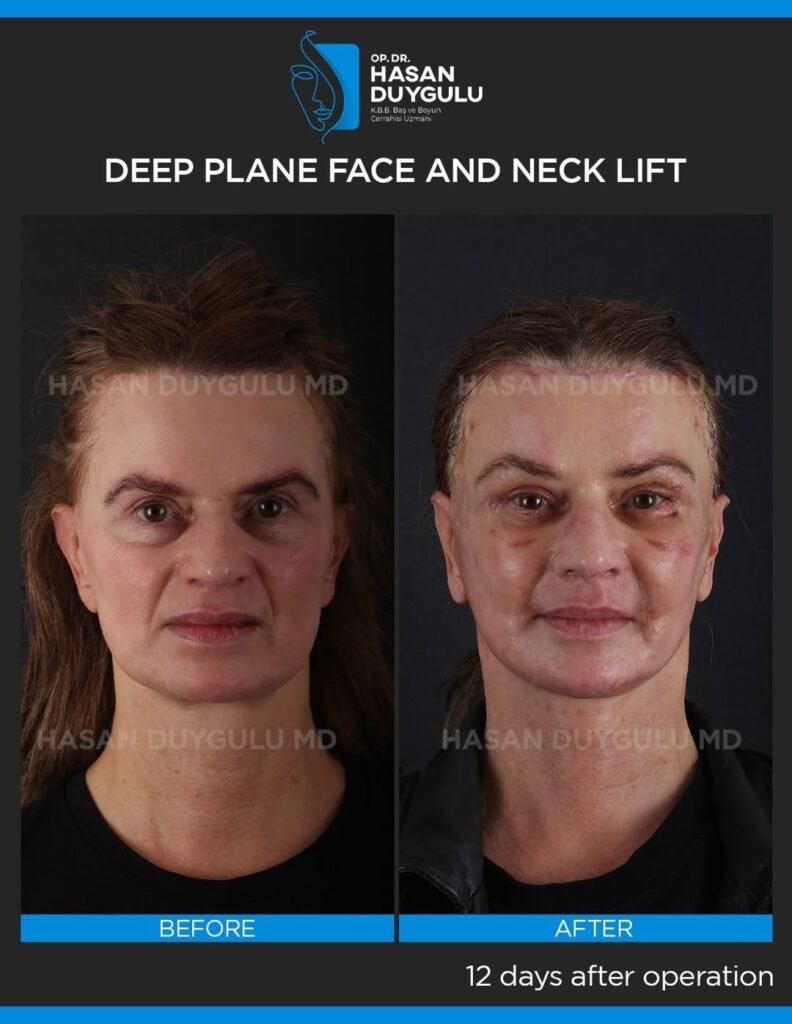
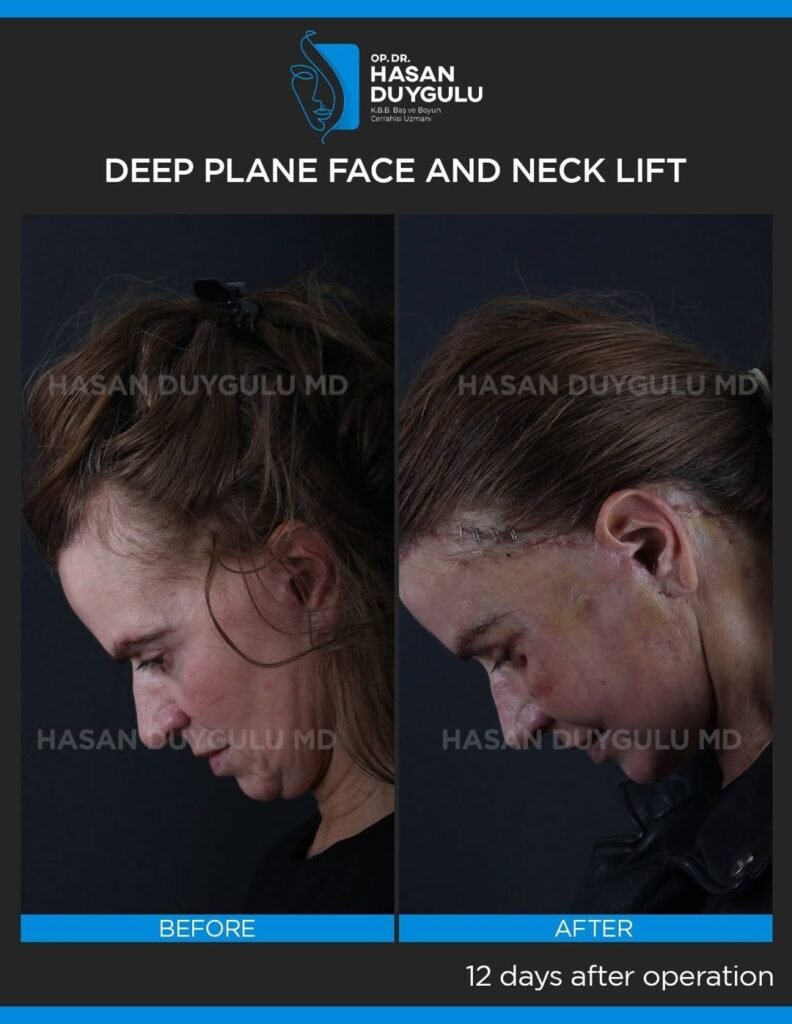
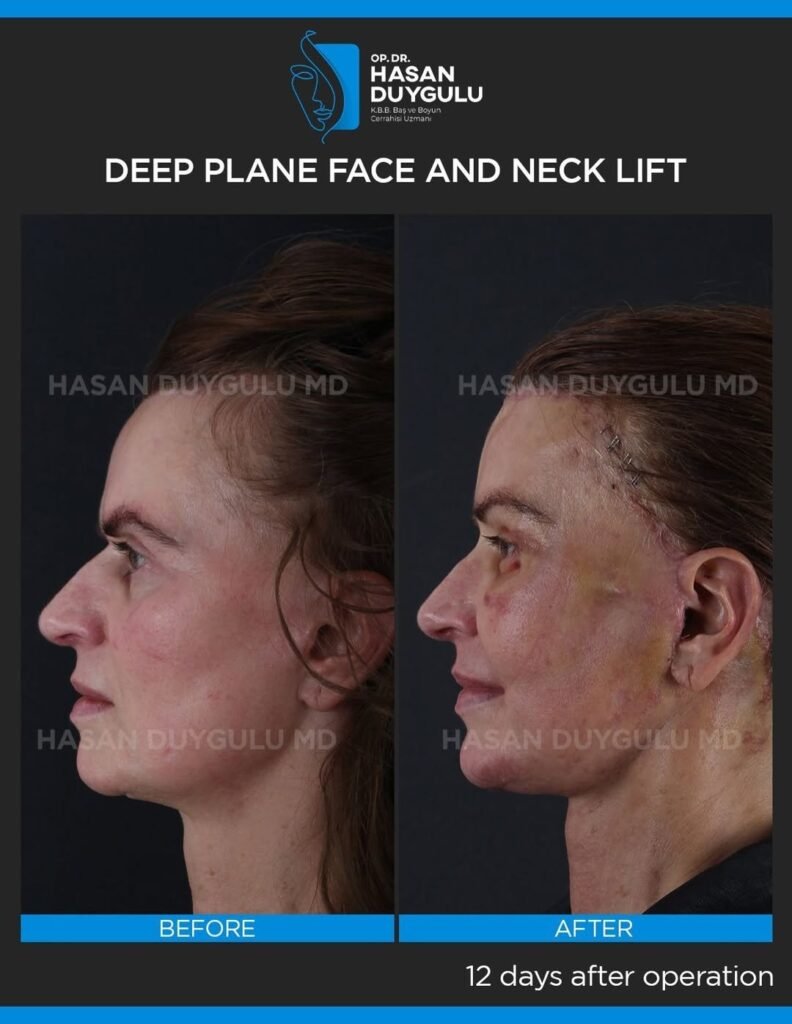
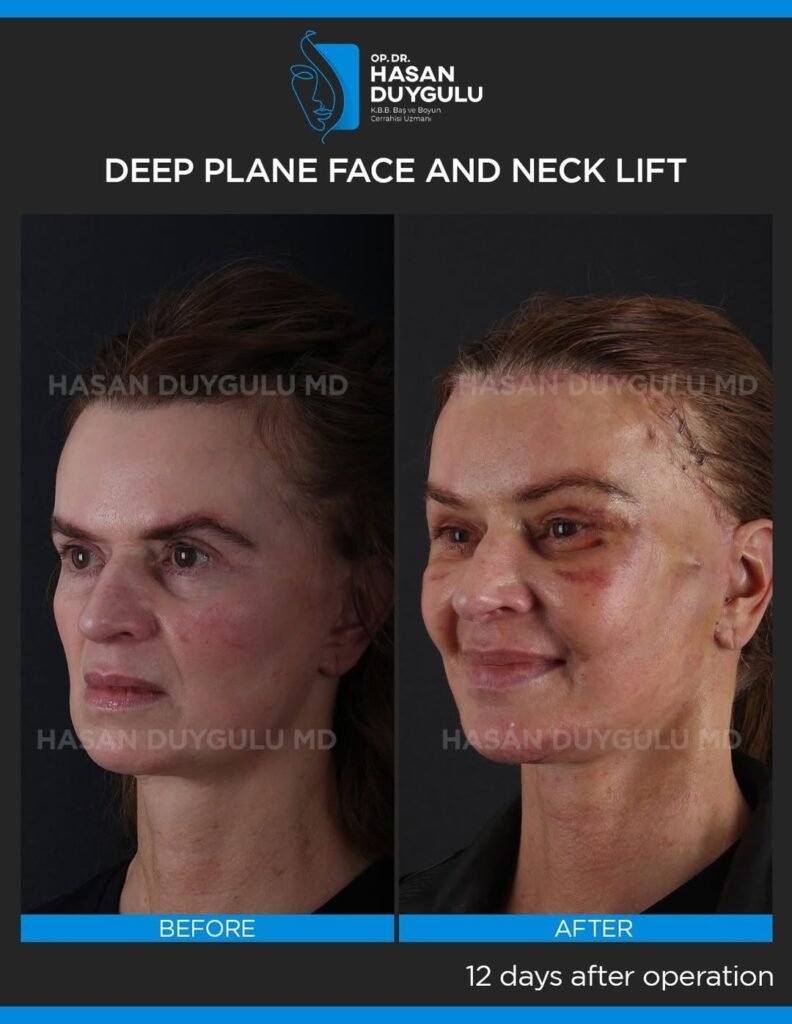
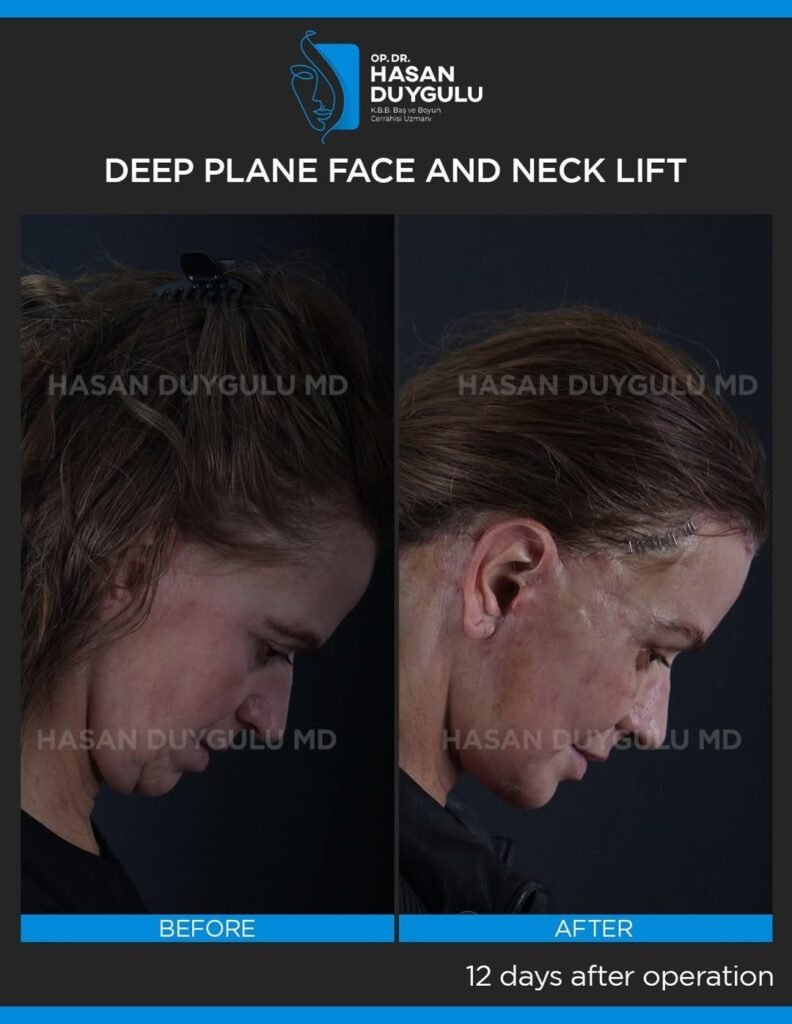
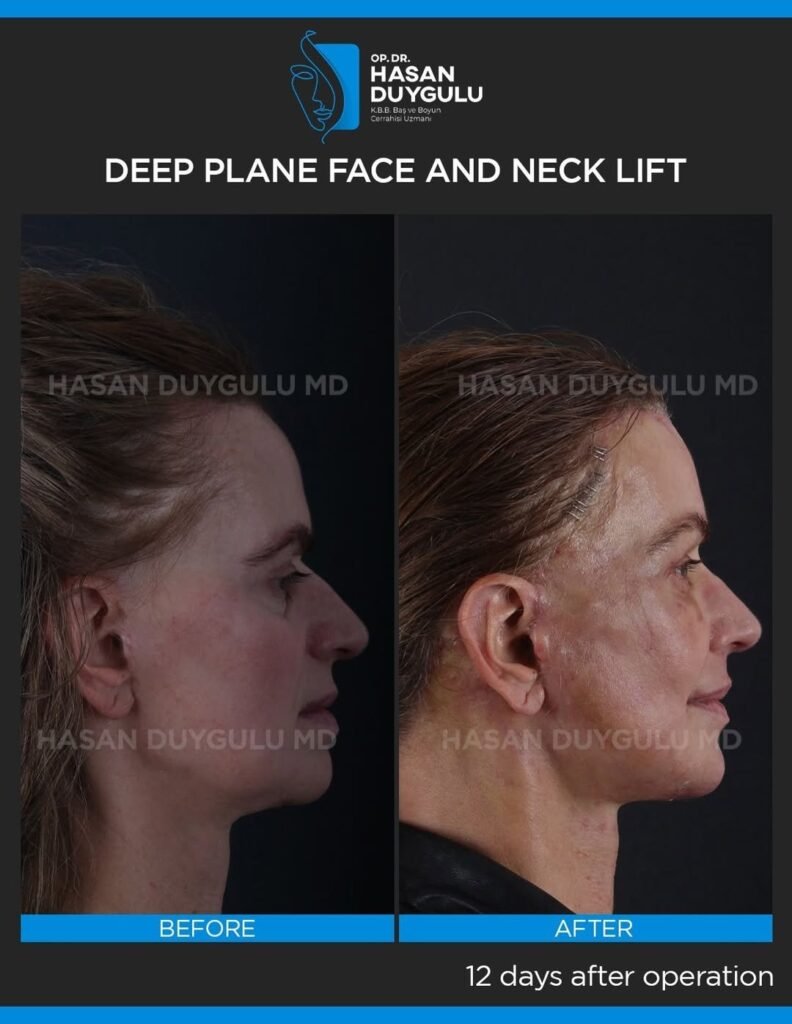
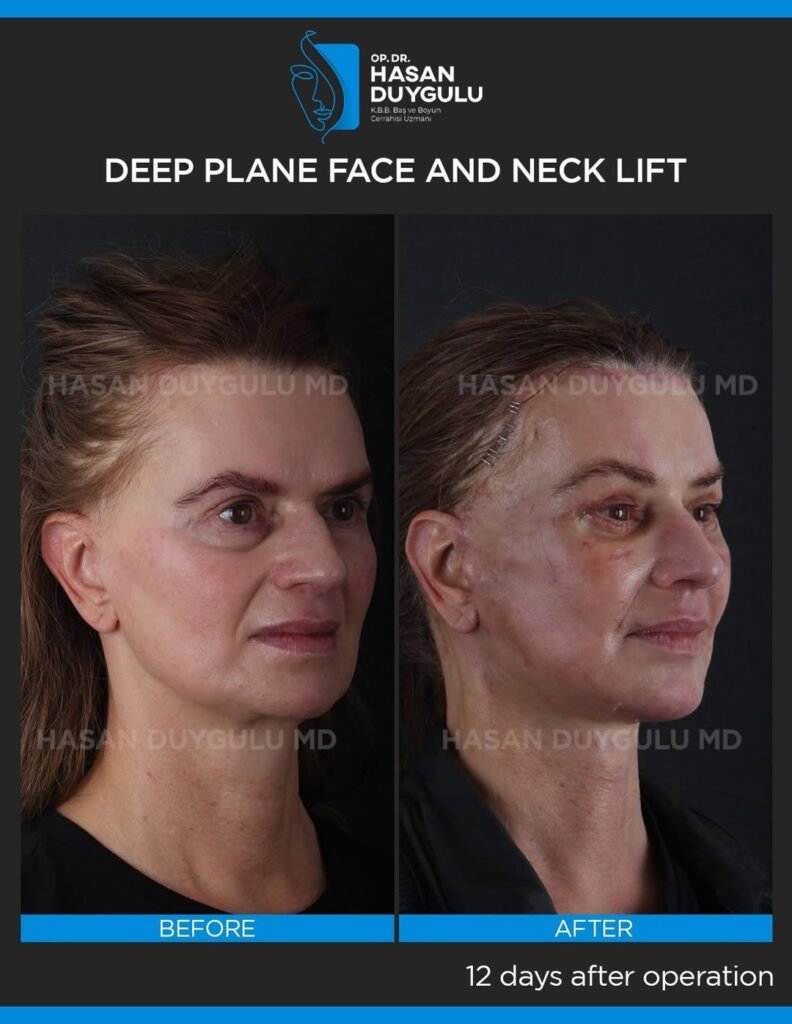
Facelift Recovery Timeline
What Is a Facelift (Rhytidectomy)?
A facelift, medically known as rhytidectomy, repositions and tightens the deeper facial tissues and removes excess skin. Rather than simply pulling the skin, a modern facelift works on the supportive layers beneath it, which helps results look natural and avoids the “pulled” appearance many people worry about.
A facelift can improve visible signs of aging such as:
- Sagging cheeks and mid-face descent
- Jowls and a loss of jawline definition
- Deep folds between the nose and mouth
- Loose skin and banding in the neck
- Loss of facial volume
A facelift treats the lower two-thirds of the face and the neck. It does not stop the natural aging process, and it does not replace procedures for the eyelids, brows or skin surface. Many patients combine it with a neck lift, eyelid aesthetics or an eyebrow lift for balanced results. The goal is to look like a refreshed version of yourself, not like a different person.
Why Choose Turkey for a Facelift?
- Experienced surgeons: Many surgeons in Turkey treat patients from abroad regularly and take part in international medical communities.
- Modern hospitals: Procedures are performed in hospital settings that follow established clinical protocols.
- Cost advantage: Facelift prices in Turkey are generally lower than in many Western countries, largely because of different operating costs and exchange rates.
- Coordinated patient journey: Airport transfers, accommodation support, interpreters and follow-up can be organized for you.
- Shorter waiting times: Consultations and surgery can usually be scheduled promptly.
- Istanbul as a destination: A facelift requires a stay of about 7–10 days, and many patients choose to recover in one of the world’s most culturally rich cities.
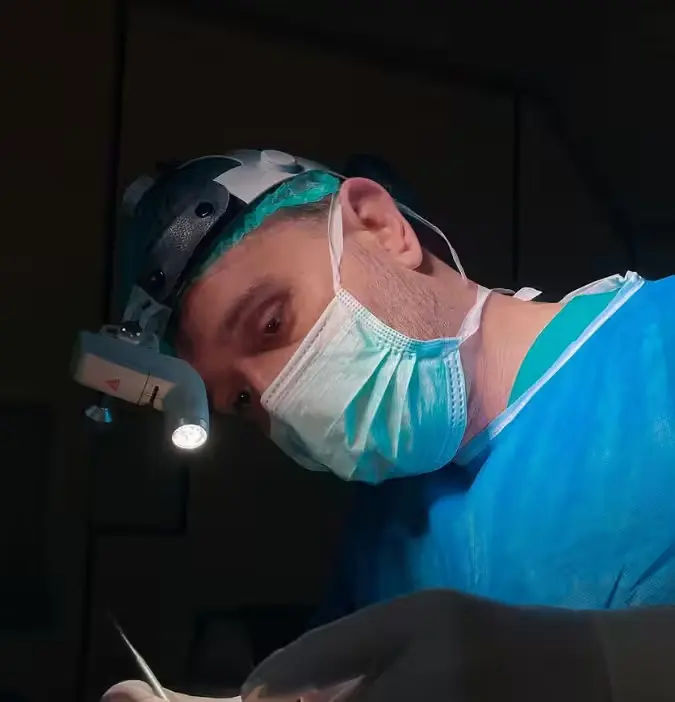
Why Patients Choose Dr. Duygulu for Facelift in Istanbul

Who Is a Good Candidate for a Facelift?
- Notice sagging in the cheeks, jawline or neck that skincare and non-surgical options no longer address
- Are in good general health, with no uncontrolled medical conditions
- Do not smoke, or are willing to stop at least 4 weeks before and after surgery
- Have skin that still has some elasticity
- Have realistic expectations: improvement, not perfection or a different face
- Are making the decision for yourself rather than under outside pressure
Who May Not Be a Good Candidate?
A facelift may need to be postponed or may not be recommended if you:
- Smoke and are unwilling to stop
- Have uncontrolled diabetes, high blood pressure or a bleeding disorder
- Take blood-thinning medication that cannot be safely paused
- Have active skin infections or conditions that may impair healing
- Have unrealistic expectations or want a specific “look” that is not anatomically achievable
- Have mild signs of aging that could be better addressed with non-surgical options
Facelift Techniques in Turkey
A mini facelift uses shorter incisions and limited tissue repositioning for mild to moderate sagging in the lower face. Recovery is usually shorter, but results are less extensive and the technique is not suitable for everyone.
What Happens During a Facelift?
A facelift is performed in a hospital setting, usually under general anesthesia, although selected mini procedures may be done with local anesthesia and sedation. The operation commonly takes between 3 and 5 hours, depending on the technique and any combined procedures.
Incisions are planned to be as discreet as possible. In a traditional facelift they usually begin in the hairline at the temples, continue around the ear and end in the lower scalp. Shorter incisions may be used in limited or mini facelifts. If a neck lift is included, a small incision under the chin may be added. Through these incisions, the surgeon repositions the deeper tissues, removes excess skin and closes the incisions in layers.
After surgery, a light dressing is applied to limit swelling and bruising, and small drains may be placed temporarily to collect excess fluid. Most patients stay in the hospital for one night.
Facelift and Related Facial Procedures
Neck Lift
Tightens loose neck skin and softens visible bands to create a smoother, more defined neck. It is often chosen to restore a sharper line between the jaw and the neck.
Eyebrow Lift
Raises drooping or low-set brows to open the eye area and create a refreshed, more awake look. Dr. Hasan Duygulu positions the brows carefully to keep the result natural.
Eyelid Aesthetics
Removes excess skin and fat from the upper or lower eyelids to reduce a tired or heavy look. The result is a brighter, more rested appearance around the eyes.
Jowl Liposuction
Removes excess fat along the jawline and jowl area to create a sharper lower-face contour. It works best for patients with good skin elasticity and localised fullness.
Chin Aesthetics
Refines the shape and projection of the chin to improve facial balance and profile. Dr. Hasan Duygulu plans the result in harmony with your nose and jawline.
Mesotherapy
Delivers small injections of nourishing substances into the skin to help refresh its appearance and improve hydration. It is a gentle option for patients seeking skin rejuvenation without surgery.
Your Facelift Journey with Dr. Duygulu
Consultation Request
Send your request via WhatsApp, email or the website form, along with clear photos of your face from the front, both profiles and three-quarter views. Our coordinator replies within 24 hours.
Online Consultation with Dr. Duygulu
You discuss your goals, medical history, medications and previous procedures. The surgeon gives a preliminary assessment. A final decision is made only after an in-person examination.
Pre-Operative Planning
You receive written instructions on medications, supplements, smoking and alcohol. Our team helps with travel and accommodation planning.
Arrival & In-Person Assessment
You are met at the airport. Before surgery, you have a physical examination, any required blood tests and a final consultation with your surgeon.
Surgery Day
The procedure takes place in a hospital under anesthesia, with the technique agreed during your consultation.
Early Recovery & First Check
Dressings and drains, if used, are removed in the first days. Dr. Duygulu reviews your healing before you travel home.
Long-Term Follow-Up
We stay in contact after you return home, with photo-based check-ins as agreed with your surgeon.
Things To Do Before a Facelift
- Share your full medical history, allergies and current medications
- Stop smoking and nicotine products at least 4 weeks before surgery
- Avoid alcohol in the weeks leading up to surgery as advised
- Ask your surgeon which medications and supplements to stop, such as aspirin, ibuprofen, vitamin E, fish oil and herbal products. Never stop prescribed medication without medical advice.
- Follow fasting instructions before anesthesia
- Arrange a companion for the first days
- Prepare loose, front-opening clothing
Things To Do After a Facelift
- Keep your head elevated, including during sleep, for the first days
- Follow your surgeon’s instructions on dressings, wound care and medications
- Avoid bending, heavy lifting and strenuous exercise for as long as advised
- Do not smoke during recovery
- Protect your skin from the sun and avoid heat such as saunas and hammams until cleared
- Attend all follow-up appointments
- Contact your surgeon immediately if you notice severe one-sided swelling, increasing pain, fever, spreading redness or any other concern
Flying Home After a Facelift
Risks and Possible Complications
Every surgery carries risks. A facelift is an elective procedure, so it is important to understand them before deciding. Possible risks include:
- Bleeding or hematoma (a collection of blood under the skin), which may require urgent treatment
- Infection
- Visible, widened or thickened scars
- Temporary or, rarely, permanent numbness
- Temporary or, rarely, permanent weakness of facial muscles due to nerve injury
- Skin loss or delayed wound healing, with a higher risk in smokers
- Hair thinning or loss near the incisions
- Asymmetry or contour irregularities
- Persistent swelling or fluid collection
- Risks related to anesthesia and blood clots, which are particularly relevant when traveling by air
Dr. Duygulu will review these risks with you in detail during your consultation. Choosing a qualified surgeon, disclosing your full medical history and following aftercare instructions all help lower the risk.
How Long Do Facelift Results Last?
How to Choose a Facelift Surgeon in Turkey
Selecting the right surgeon matters more than the destination. Before booking a facelift in Turkey, check:
- Qualifications: The surgeon’s specialty, training and experience in facial surgery. Verify credentials through official medical associations rather than relying on clinic websites alone.
- Facility: That the operation takes place in a licensed hospital with full anesthesia and emergency capability.
- Personal involvement: Whether the surgeon personally performs the operation and follows your recovery.
- Real results: Before and after photos of the surgeon’s own patients, with consent, and independent reviews.
- Transparent planning: A written plan that explains the technique, risks, follow-up and what the quote includes.
- Aftercare: How you can reach the team after you return home.
Be cautious of any offer that promises guaranteed results or quotes a fixed price without reviewing your photos and medical history.

Ask Our Experts!
You can fill out the form to get answers to all your questions and detailed information about treatments.
What Determines the Cost of a Facelift in Turkey?
Facelift cost in Turkey depends on your individual surgical plan, which is why a reliable quote is only possible after reviewing your photos and medical history. The main factors are:
- The technique used (mini, SMAS or deep plane facelift)
- Whether a neck lift or other procedures are combined
- The surgeon’s experience
- Hospital and operating room standards
- Anesthesia type and duration of surgery
- Length of hospital stay
- Additional services such as transfers, accommodation and interpreter support
Facelift prices in Turkey are generally lower than in many Western countries, but the lowest price is not a sign of the best value. For a personalized quote, contact our team with your photos and questions.