Septoplasty in Turkey
MD Hasan Duygulu
A deviated nasal septum can be more than just a minor inconvenience; it can significantly impact your daily life, leading to chronic nasal congestion, difficulty sleeping, and frequent sinus infections. If you’re struggling with these issues, septoplasty—a surgical procedure to correct a deviated nasal septum—offers an effective solution. Turkey has become one of the leading global destinations for septoplasty, combining modern medical infrastructure, internationally recognized surgeons, and cost-effective treatment options.
At Dr. Hasan Duygulu’s clinic, services are provided for patients seeking septoplasty treatment. Our clinic in Turkey is equipped with the latest technology, offering precise and comfortable surgical experiences aimed at restoring optimal nasal function and improving overall quality of life. Discover how septoplasty in Turkey can transform your breathing and enhance your quality of life.
Accessible Team
of Experience
6000 Operations
Overview of Deviated Septum Surgery in Turkey
General
1 Hours
1 Day
After 2 Days
1 Week
3 Weeks
Why Should You Have Septoplasty in Turkey?
Choosing the right destination for a medical procedure such as septoplasty is an important decision. Turkey has established itself as a global leader in medical tourism, offering unique advantages for international patients considering nasal correction and related procedures:
World-Class Medical Expertise: Turkey has highly qualified and experienced surgeons with international training and accreditations, such as Dr. Hasan Duygulu.
Advanced Facilities: Hospitals and clinics are equipped with state-of-the-art technology and comply with strict international quality and safety standards.
Cost-Effectiveness: Patients can access high-quality medical care at significantly lower costs compared to Western European countries or the United States, without compromising on quality.
Comprehensive Medical Tourism Packages: Many clinics in Turkey offer all-inclusive packages that include not only the surgery but also accommodation, airport transfers, and interpreter services, making the entire process seamless.
These factors, combined with Turkey’s rich culture and natural beauty, offer the opportunity to combine medical treatment with a pleasant recovery experience.
Why Should You Have Septoplasty in Hasan Duygulu?
- Expertise and Experience: Dr. Hasan Duygulu is a board-certified plastic surgeon specializing in septoplasty and aims to achieve optimal surgical outcomes.
- Personalized Care: Each patient is evaluated with a customized treatment plan tailored to their individual needs and aesthetic goals.
- Comprehensive Services: From the initial consultation to the postoperative period, Dr. Hasan Duygulu and his team provide full support throughout the entire treatment process.
- Cost-Effective Solutions: Dr. Hasan Duygulu’s clinic offers competitive pricing and transparent billing practices, making deviated septum surgery accessible to a wide range of patients.

Istanbul's Leading Rhinoplasty Specialist
Ready to Take the Next Step?
Get Your Free Consultation Today.
What is Deviated Septum Surgery?
Your nasal septum is the thin wall of cartilage and bone that divides your nose into two separate nostrils. Ideally, this septum runs straight down the center, allowing for equal airflow through both sides. However, for many individuals, the septum is significantly displaced or ‘deviated’ to one side, making one nasal passage considerably smaller than the other. This common structural irregularity can lead to a host of uncomfortable symptoms, including chronic nasal obstruction, frequent nosebleeds, recurrent sinus infections, facial pain, and disturbed sleep patterns due to impaired breathing.
A deviated septum can be present from birth, develop as the nose grows, or result from an injury or trauma to the nose. Regardless of its origin, a severely deviated septum often necessitates surgical correction to alleviate symptoms and restore proper nasal function.
What Causes a Deviated Septum?
A deviated septum occurs when the thin wall (septum) that separates your nasal passages is displaced or shifted to one side. While some individuals are born with a deviated septum, others may develop it later in life due to:
- Trauma or Injury: Impact to the nose, such as from a sports injury, accident, or physical altercation, can cause the septum to become deviated.
- Congenital Factors: Some people are born with a deviated septum due to genetics or abnormal fetal development.
- Aging: As we age, the nasal septum can naturally weaken or change shape, leading to deviation.
- Chronic Nasal Congestion: Conditions like chronic sinusitis or allergies can cause inflammation and swelling of the nasal passages, contributing to septum deviation over time.


The Importance of Septoplasty in Nasal Septum Deviation
Septoplasty in nasal septum deviation is a surgical intervention that provides significant contributions to the healthy operation of respiratory functions by enabling the reorganization of the airway within the nose. For this reason, septoplasty is of great importance in terms of both increasing respiratory comfort and rebalancing nasal functions, especially in patients experiencing chronic nasal congestion due to septum deviation. In this context, during septoplasty surgery, the curved cartilage and bone structures are corrected, the nasal passage is widened, and the airflow is made more balanced. Thus, patients can breathe more easily; a decrease in complaints such as sleep problems and snoring related to nasal congestion can be observed. Additionally, the regulation of air circulation within the nose helps the sinuses work more healthily and enables the nose to perform its natural tasks such as filtering, humidifying, and heating the air more effectively. In this respect, septoplasty is an important treatment method that aims not only to relieve nasal congestion but also to improve overall respiratory health and quality of life.
How to Tell if You Have a Deviated Septum?
While some individuals may experience noticeable symptoms indicating a deviated septum, others may have a deviated septum without realizing it. Here are some signs that may indicate you have a deviated septum:
- Visible Deformity: Obvious asymmetry or crookedness of the nose when viewed from the front.
- Chronic Nasal Congestion: Difficulty breathing through one or both nostrils, particularly when lying down.
- Frequent Nosebleeds: Recurrent episodes of nosebleeds, especially without a clear cause or trigger.
- Snoring or Sleep Disturbances: Loud snoring or interrupted breathing during sleep, known as sleep apnea.
- Facial Pain or Pressure: Persistent discomfort or pressure in the facial area, especially around the nose or sinuses.
- History of Nasal Trauma: Previous injury to the nose, such as a broken nose or sports-related injury.
If you suspect you have a deviated septum or are experiencing any of these symptoms, it’s essential to consult with a qualified healthcare professional for proper evaluation and diagnosis.
What are the Symptoms of a Deviated Nasal Septum?
A deviated nasal septum can cause a variety of symptoms, which may vary in severity depending on the extent of deviation. Common symptoms include:
- Nasal Congestion: Difficulty breathing through one or both nostrils due to obstruction.
- Nosebleeds: Increased susceptibility to nosebleeds, especially if the septum is dry or irritated.
- Facial Pain: Discomfort or pain in the face, particularly around the nose or sinus area.
- Recurrent Sinus Infections: Frequent sinus infections or sinusitis due to impaired drainage and airflow.
- Snoring: Increased snoring or breathing difficulties during sleep.
- Headaches: Persistent headaches, particularly in the forehead or bridge of the nose.
- Postnasal Drip: Excess mucus production and drainage down the throat, leading to throat irritation or coughing.
How is the Septoplasty in Turkey Performed?
Deviated septum surgery is generally performed under general anesthesia to ensure that the patient does not experience pain or discomfort during the surgery. In the initial steps of the deviated septum surgery, incisions are made either inside or outside the nose. The primary goal of the surgery, which is to correct the septum, is achieved. If the surgery includes aesthetic improvements, the external structure of the nose may also be addressed at this stage. The nose’s shape is corrected, and bone or cartilage tissues may be trimmed or shaped as needed. This results in a more aesthetic and balanced appearance for the nose. When the procedures are completed, the incisions are closed with dissolvable aesthetic stitches or adhesives.
Overview of Septoplasty in Turkey
- Anesthesia (General)
- Duration (1 hour)
- Hospital Stay (1 day)
- Shower (after 2 days)
- Sensitivity (2 days)
- Work Permit (1 week)
- Full Recovery (3 weeks)
Advantages of Septoplasty Surgery in Nasal Septum Deviation
Septoplasty surgery performed on individuals with nasal septum deviation offers many functional and structural advantages that directly increase quality of life. To examine these advantages:
- Significant Increase in Breath Quality: By bringing the curved bone and cartilage structure to the midline, both nasal passages are opened equally; this enables more comfortable and deeper breathing.
- Improvement in Sleep Quality: Problems such as snoring and sleep apnea (cessation of breathing during sleep) developing due to nasal congestion are reduced. The individual wakes up more refreshed in the mornings without experiencing dry mouth.
- Reduction in Sinusitis Risk: When the septum is corrected, the drainage of the sinus canals becomes easier. This significantly lowers the frequency of chronic sinus infections and the resulting facial pain.
- Increased Physical Performance: Being able to take in sufficient air through the nose during sports and exercise prevents quick fatigue by increasing the body’s oxygen capacity.
- Relief of Chronic Headaches: The mechanical pressure (contact point) exerted by the curved cartilage on the nerves of the nasal sidewall is eliminated, which soothes pains known in medical literature as “rhinogenic headaches.”
- Prevention of Nosebleeds: Air turbulence caused by the curvature triggers the drying of the mucosal layer. With septoplasty, airflow is regulated, and bleeding caused by drying and associated vascular cracking is reduced.
- Improvement in the Sense of Smell: The capacity to smell can be increased by ensuring that airflow reaches the scent receptors in the upper region of the nose more easily.
- Freedom from Medication Dependency: The need for decongestant sprays or cortisone medications, which are used for long periods to relieve nasal congestion and can be addictive, is eliminated.
- Fast Recovery and Invisible Incisions: Since it is generally performed from inside the nose, no scars remain on the outside. Thanks to new-generation techniques and silicone splints, patients can return to their normal lives within a few days.
- Correction of Voice Tone: “Speaking through the nose” (nasal voice) that develops due to nasal congestion is eliminated, and the natural resonance of the voice is regained.
Who Can Have Deviated Septum Surgery Turkey?
Deviated septum surgery may be recommended for individuals experiencing issues such as difficulty breathing, nasal congestion, snoring, and other related problems. If such problems are impacting your daily life, you may consider deviated septum surgery. It’s important that individuals seeking deviated septum surgery are 18 years of age or older. Generally, surgery is recommended after nasal development is complete.
Ask Our Experts!
You can fill out the form to get answers to all your questions and detailed information about treatments.
The Septoplasty Procedure: What to Expect with MD. Hasan Duygulu’s
A precise surgical intervention to straighten the nasal septum and improve airflow.
Experience personalized care by scheduling a consultation with Dr. Hasan Duygulu, a board-certified ENT surgeon in Turkey. Share your concerns and goals with him, and he will evaluate your septum to recommend the best procedure tailored to your needs.
Before surgery, undergo thorough preoperative tests, including blood tests and x-rays, to ensure your suitability for the procedure. Dr. Hasan Duygulu and his team will meticulously assess your medical history and current health status to guarantee a safe and successful surgery.
Under the expert hands of Dr. Hasan Duygulu, deviated septum surgery is performed. Septoplasty is usually performed under general anesthesia, ensuring you are comfortable and pain-free throughout the entire surgery.
Dr. Duygulu makes a small, discreet incision inside the nostril, meaning there are no visible external scars after the procedure is completed.
Through this incision, the surgeon carefully lifts the mucous membrane lining the septum. The deviated portions of cartilage and bone are then precisely reshaped, removed, or repositioned to create a straight septum and open the nasal passages.
Once the septum is corrected, the mucous membrane is carefully put back into place. Internal stitches, which are self-dissolving, are often used to hold the septum in its new, straight position. Soft splints or packing may be gently placed in the nostrils to provide support and absorb any drainage, usually removed within a day or two.
Following surgery, you may experience swelling, congestion, and discomfort for a few days. Rest assured, Dr. Hasan Duygulu will provide comprehensive postoperative care instructions to ensure your optimal recovery. His dedicated team will be available 24/7 to address any concerns and support you throughout the healing process.
Click any step to expand or collapse details
Things To Do Before Deviated Septum Surgery
When considering deviated septum surgery, paying attention to the following factors before the procedure can increase the success rate of your surgery:
- Share your expectations about the surgery with our It’s important for us to know what kind of nose you want to achieve the desired results.
- Avoid smoking and alcohol consumption before the surgery.
- If you are taking any regular medications, inform us.
- Refrain from using blood-thinning medications.
Things To Do After Deviated Septum Surgery
After deviated septum surgery, you should pay attention to the following guidelines for a faster recovery:
- Keep the nasal area clean. Use a soft cloth when wiping your nose.
- Be careful not to smoke or consume alcohol for a while after the surgery.
- Do not drive or engage in strenuous activities during the recommended time frame.
- If you have nasal discharge, try not to blow your nose excessively as it can increase the risk of bleeding.
Recovery Process of Septoplasty in Nasal Septum Deviation
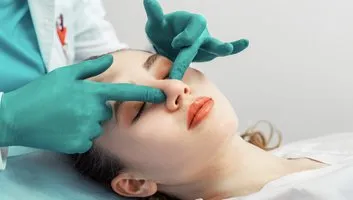
The recovery process after septoplasty surgery performed for nasal septum deviation is generally a period that progresses gradually and is completed comfortably for the vast majority of patients. During the first few days of this period, it is normal to experience edema, a slight feeling of congestion, and sensitivity inside the nose. This is because such symptoms are a natural healing response of the internal nasal tissues to the surgical intervention. If silicone splints or tampons were used inside the nose, these are usually removed within a few days, and after this stage, patients can begin to feel a significant relief in their breathing comfort.
In this context, it is important to avoid heavy physical activities during the first week to support the healing of internal nasal tissues, to be careful not to receive any impact to the nose, and to regularly apply the nasal care recommended by the doctor. Over time, the edema inside the nose decreases, the mucosal tissues regenerate, and the airway becomes clearer. While a significant improvement in respiratory function is observed in most patients within a few weeks, it may take several months for the tissues inside the nose to heal completely. Once this process is complete, patients generally experience easier breathing, better sleep quality, and a significant reduction in complaints related to nasal congestion.
Risks and Possible Complications
Septoplasty is a well-established and generally very safe procedure. As with any surgery, however, some risks exist, and their likelihood is significantly reduced when the operation is performed by an experienced surgeon:
- Excessive bleeding after the operation
- Infection
- Septal perforation (a small hole in the septum)
- Septal hematoma (blood accumulation within the septum)
- Temporary or, rarely, permanent changes in the sense of smell
- Unwanted changes in nose shape (very rare when septoplasty is performed alone)
- Temporary numbness in the upper front teeth or palate
- Partial return of the deviation over time, in rare cases


What Determines the Cost of Septoplasty in Turkey?
The cost of deviated septum surgery may vary depending on some factors. Here are the factors that affect the cost:
- The extent of the surgery affects the If it only involves septum correction, it may be less costly.
- The experience of the surgeon who will perform the surgery may affect the
- Price policies of hospitals or clinics where surgeries are performed may
Septoplasty in Turkey Cost
Deviated septum surgery may vary depending on the doctor’s expertise and the scope of the surgery. The average price of deviated septum surgery in Turkey is between 4.000-5.000 dollars. You can contact us and get information about the price of deviated septum surgery.
| Septoplasty Turkey Prices | 4.000$ – 5.000$ |
Septoplasty in USA & UK & Europe Prices
| UK & USA & Europe | Cost Range (USD) |
| Septoplasty United Kingdom Cost | 5.000$ – 6.000$ |
| Septoplasty Europe Cost | 5.000$ – 6.000$ |
| Septoplasty USA Cost | 5.000$ – 6.000$ |
FAQ About Septoplasty Surgery in Turkey
How many days does it take to recover from deviated septum surgery?
You may be recovering 1-3 weeks after deviated septum surgery. However, this period may vary from person to person depending on the scope of the surgery.
How soon can I return to work after deviated septum surgery?
You can return to work 1 week after deviated septum surgery. However, you should consult your doctor before starting work.
Will there be any scars after deviated septum surgery?
There is no scar left after deviated septum surgery. The surgery is usually performed through incisions made inside the nostrils. For this reason, there may usually be no scar left.
Is septoplasty painful?
During the procedure, you will be under general anesthesia, so you won’t feel any pain. Post-surgery, most patients report discomfort and pressure rather than severe pain, which is effectively managed with prescribed pain medication. Any discomfort typically subsides within a few days.
How long is the recovery period for septoplasty?
Initial recovery, where swelling and bruising are most noticeable, typically lasts about 1-2 weeks, during which most patients can return to light work. However, internal healing can take several months, with full results becoming apparent over 6 to 12 months. Dr. Duygulu will provide detailed post-operative instructions.
Will septoplasty change the shape of my nose?
Septoplasty primarily focuses on correcting the internal structure of the nose to improve breathing and does not typically alter the external appearance. If you also wish to address cosmetic concerns, septorhinoplasty (a combined procedure) might be an option. This can be discussed during your consultation.
Does septoplasty really improve breathing?
Yes. When the narrowing of the airway caused by septum deviation is corrected with septoplasty, the nasal passage widens and airflow becomes more balanced. This helps patients breathe much more easily.
Can septoplasty reduce sinusitis problems?
Septum deviation can lead to frequent sinusitis attacks by making it difficult for the sinuses to ventilate. When nasal airflow is regulated with septoplasty, the drainage of the sinuses can also improve, and the frequency of sinusitis may decrease.
Does septoplasty reduce snoring?
Nasal congestion can cause snoring in some people. Since the nasal airway is opened after septoplasty, a decrease in snoring complaints—especially those related to nasal congestion—can be observed.
Is Septoplasty Safe for Older Adults?
Septoplasty is generally safe for older adults, as it is a well-established procedure with a strong safety profile across a wide age range. Rather than age alone, the patient’s overall health, anesthesia risk, and any underlying medical conditions are the primary factors considered before surgery.
What is Septorhinoplasty, and When Is It Recommended?
Septorhinoplasty is the combination of septoplasty and rhinoplasty performed in a single surgical session. It is recommended for patients who have both a breathing problem caused by septal deviation and are unhappy with the external shape of their nose — for example, someone with nasal obstruction who also has a dorsal hump or a visibly crooked nose. Combining both procedures into one operation means a single anesthesia, a single surgery, and one shared recovery period — offering meaningful savings in both time and overall cost compared to two separate operations.
Are there any risks associated with septoplasty?
As with any surgery, septoplasty carries some potential risks, including bleeding, infection, numbness, or a return of the deviated septum. However, complications are rare, and Dr. Duygulu takes every precaution to minimize these risks, ensuring patient safety is paramount.
Can septoplasty be combined with other procedures?
Yes, septoplasty is often combined with other nasal procedures like rhinoplasty (to change the external shape of the nose) or turbinate reduction (to address enlarged turbinates that also obstruct breathing). Combining procedures can address both functional and aesthetic concerns in a single surgery. We can discuss suitable combinations during your consultation.
In which situations is Septoplasty considered a medical necessity?
Septoplasty is considered medically necessary when a deviated nasal septum causes significant functional problems rather than purely cosmetic concerns. Common indications include chronic nasal obstruction, difficulty breathing through the nose, recurrent sinus infections, frequent nosebleeds, sleep disturbances such as snoring or obstructive sleep apnea, and persistent headaches related to septal deviation. In some cases, septoplasty may also be recommended after nasal trauma or injury that affects normal airflow and nasal function.
How long does Septoplasty take, and what type of anesthesia is used?
Septoplasty is typically performed under general anesthesia, although in selected cases local anesthesia with sedation may also be used. The procedure usually takes between 30 minutes and 90 minutes depending on the severity of the septal deviation and whether additional procedures are performed at the same time. Most patients are discharged on the same day after a short recovery and observation period.
After Septoplasty, in which cases should you contact your doctor immediately?
After septoplasty, you should contact your doctor immediately if you experience excessive bleeding that does not stop, high fever, severe or worsening pain, difficulty breathing, sudden swelling around the eyes, vision changes, persistent nausea or vomiting, or signs of infection such as foul-smelling discharge. These symptoms may indicate complications that require prompt medical evaluation and treatment.
Does the voice change after septoplasty?
Septoplasty does not usually cause a permanent change in the voice. However, some patients may temporarily notice slight differences in nasal resonance or the way their voice sounds during the healing process due to reduced nasal blockage and postoperative swelling. Once the tissues heal and airflow stabilizes, the voice generally returns to normal. In many cases, improved nasal airflow may even help speech sound clearer and less congested.
Does septoplasty surgery change the shape of the nose?
No. Septoplasty is generally performed only to correct the structures inside the nose and does not cause a significant change in the external appearance of the nose. If aesthetic changes are desired, a rhinoplasty surgery can be planned.
Does a deviated septum always require surgery?
No. Septum deviation can be present in many people but does not always cause symptoms. If the deviation does not lead to problems such as difficulty breathing, chronic nasal congestion, or frequent sinusitis, surgical intervention may not be necessary.
Can the nose become deviated again after septoplasty?
In septoplasty surgeries performed with the correct surgical technique, the risk of deviation recurring is quite low. However, trauma, an impact to the nose, or some rare anatomical conditions can lead to re-curvature.
Will nasal packing or splints be used after surgery?
This depends on your specific anatomy and the extent of the correction. Many modern septoplasty techniques use soft silicone splints with built-in airflow channels rather than traditional nasal packing, allowing patients to breathe more comfortably even in the first days after surgery. These splints are typically removed within a few days during a follow-up visit. Dr. Duygulu will explain what to expect for your specific case during your consultation.