
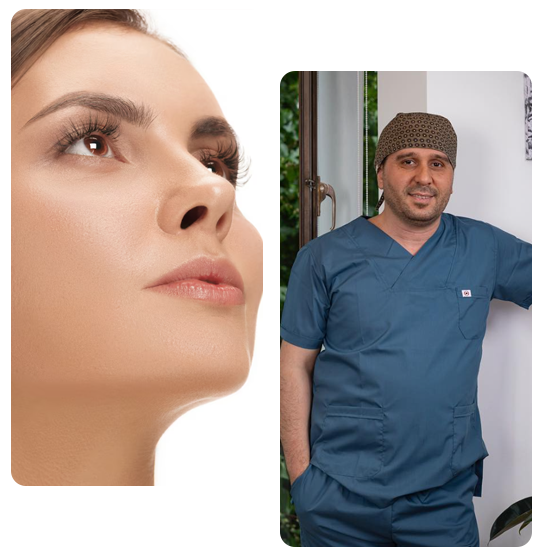
Septal Perforation Repair in Turkey
MD Hasan Duygulu
MD. Duygulu offers his patients an effective and reliable treatment by using modern surgical techniques in septal perforation surgeries. Known for his patient-oriented approach, Dr Duygulu creates personalised treatment plans by taking into account the individual needs of each patient and provides the necessary support for a healthy recovery process.
Overview of Septal Perforation Repair in Istanbul
General
1 Hours
1 Day
After 2 Days
1 Week
3 Weeks
Why Should You Have Septal Perforation Surgery in Turkey?
There are many advantages of having septal perforation surgery in Turkey. Turkey is known for its modern healthcare facilities and well-equipped surgical units that meet international standards. Specialized otolaryngology surgeons in the country have extensive experience and effectively use up-to-date surgical techniques and advanced technologies. Healthcare services in Turkey are generally more cost-effective and offer high-quality services.
Advantages of Choosing Turkey for Your Procedure
- Modern Medical Infrastructure: Many hospitals in Turkey are equipped with up-to-date medical technologies and provide healthcare services in accordance with international standards.
- Experienced Surgeons: Surgeons working in the field of nasal surgery in Turkey often have experience with a wide range of cases and may have national and international training backgrounds.
- Cost Advantage: Healthcare services in Turkey can be more accessible in terms of cost compared to many Western countries. This may offer an economical option independent of treatment quality.
- Medical Tourism Opportunities: Turkey has a well-developed healthcare tourism infrastructure where supportive services such as accommodation, transfers, and translation can be organized for international patients.
- Cultural Experience: The treatment process can be combined with the opportunity to explore Turkey’s rich historical and cultural heritage.
Why Choose Dr. Hasan Duygulu for Septal Perforation Repair in Turkey?
When it comes to complex nasal surgeries such as septal perforation repair, factors like surgical experience, careful evaluation, and an individualized treatment approach are important in the decision-making process. Dr. Hasan Duygulu is a surgeon based in Turkey who performs nasal procedures with a focus on modern surgical techniques and patient-specific planning.
Each patient is assessed individually, taking into account nasal anatomy, symptoms, and medical history. Treatment is planned accordingly, with the aim of addressing functional concerns and structural needs where appropriate, while recognizing that outcomes may vary depending on individual factors.

M.D. Hasan Duygulu Septal Perforation Patients Reviews in Turkey
You can read the comments to learn about the processes of our patients who had nasal septum perforation surgery.
Istanbul's Leading Rhinoplasty Specialist
Ready to Take the Next Step?
Get Your Free Consultation Today.

What is a Septal Perforation? Understanding the Condition
A septal perforation is an opening in the nasal septum, the cartilage and bone structure that separates the nostrils. This structure plays an important role in regulating airflow, supporting nasal shape, and helping humidify the air we breathe.
When a perforation occurs, these functions may be affected, leading to nasal symptoms that vary from person to person. The size and location of the perforation can influence both the severity of symptoms and the treatment approach.
Causes of Septal Perforation
- Trauma or injury: Direct impact to the nose, habitual nose picking, or previous nasal surgeries such as septoplasty or rhinoplasty.
- Long-term intranasal substance use: Prolonged use of certain vasoconstrictive substances may lead to damage of nasal tissues.
- Chronic infections: Long-standing or recurrent infections may affect the nasal septum.
- Autoimmune diseases: Certain immune system conditions may contribute to septal tissue damage.
- Chemical irritation: Exposure to irritant or harmful chemicals may be a contributing risk factor.
Symptoms of Septal Perforation
The symptoms associated with a septal perforation can range from mild annoyance to significant discomfort, often progressing over time:
- Nasal Whistling: Air passing through the hole can create a noticeable whistling sound.
- Crusting and Scabbing: Dryness in the nose leads to crust formation around the perforation.
- Nosebleeds (Epistaxis): The exposed edges of the perforation are prone to bleeding.
- Difficulty Breathing: Larger perforations can disrupt normal airflow.
- Nasal Congestion: A feeling of stuffiness or obstruction.
- Pain or Discomfort: Localized pain or a sensation of dryness.
- Altered Nasal Aesthetics: In rare cases, collapse of the nasal bridge (saddle nose deformity) can occur with very large or untreated perforations.
Ideal Candidates for Septal Perforation Surgery
Ideal candidates for septal perforation surgery are individuals who have a clear understanding of the procedure and realistic expectations regarding potential outcomes. Dr. Hasan Duygulu evaluates each patient in detail during a comprehensive consultation to determine whether this technique is appropriate for their anatomical structure and functional needs. Generally, the following individuals may be considered suitable candidates:
- Patients experiencing bothersome symptoms such as nosebleeds, nasal congestion, difficulty breathing, crusting, and foul odor.
- Cases where the perforation is caused by trauma, surgical complications, or other structural reasons.
- Individuals in good general health who are considered to have a low surgical risk.
A personalized consultation with Dr. Duygulu is an essential first step in the process. During this consultation, the nasal structure is assessed, the patient’s expectations are discussed, and the most appropriate surgical approach is explained in order to create an individualized treatment plan.
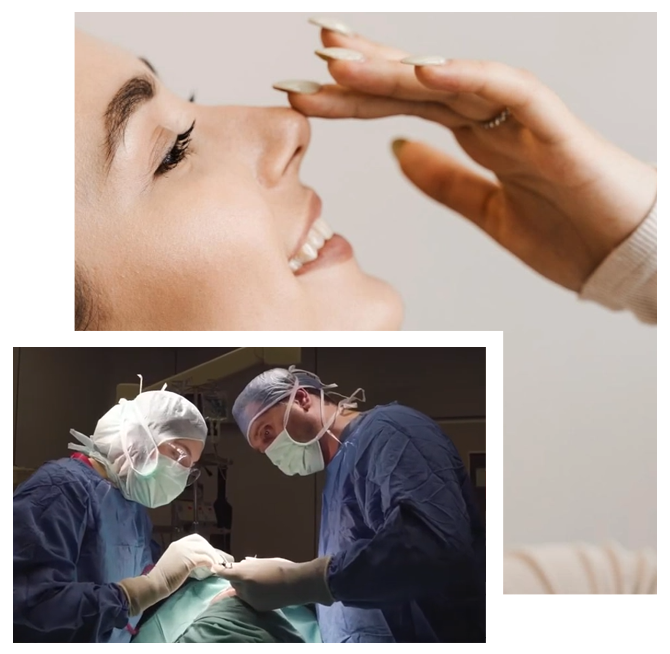
Surgical Techniques to Treat a Perforated Septum
There are two different techniques commonly used to repair septal perforation. These techniques are as follows:

Local Mucosal Flaps
For smaller perforations, healthy mucosal tissue around the defect is repositioned to close the opening and support healing.
Interposition Grafts
Cartilage, fascia, or selected synthetic materials are used to bridge the defect and provide structural support, often combined with flaps.
External vs. Endoscopic Approach
Surgery may be performed via an open or endoscopic minimally invasive approach depending on the case.

Combined Techniques
A combination of techniques is often used to achieve balanced functional repair and improved structural nasal outcomes.

How to Prepare for Septal Perforation Repair Surgery
- A comprehensive examination by an ear, nose and throat (ENT) specialist should be performed before surgery. The size, location and cause of the perforation are evaluated.
- The doctor should be informed about general health status, chronic diseases, medications and allergies.
- Blood tests can be performed to evaluate the general health status.
- Blood thinners may need to be discontinued before surgery in accordance with the doctor’s recommendation.
- If you smoke and drink alcohol, you should stop.
- It is usually necessary to fast on the day of the operation. You may be asked not to eat or drink anything from midnight the night before the operation.
Ask Our Experts!
You can fill out the form to get answers to all your questions and detailed information about treatments.
The Septal Perforation Repair Rhinoplasty Procedure with Dr. Hasan Duygulu in Turkey
A Highly Customized, Step-by-Step Approach
Dr. Duygulu performs a comprehensive examination of the septal perforation, including its size, location, surrounding tissue quality, and the symptoms it causes. Breathing difficulties, crusting, bleeding, whistling sounds, and previous nasal surgeries are all carefully evaluated. A personalized treatment plan is then created based on the patient’s anatomy and functional needs.
Septal perforation repair is generally performed under general anesthesia in a fully equipped hospital environment to ensure maximum comfort and patient safety throughout the procedure.
All surgical access is typically achieved through incisions made inside the nostrils. This closed approach helps avoid visible external scars while allowing direct access to the damaged septal area.
The mucosal tissue surrounding the perforation is carefully elevated and prepared. Scar tissue, crusting, or unhealthy tissue around the edges of the perforation may be cleaned to create a healthier surgical environment for repair.
The perforation is repaired using specialized reconstructive techniques. Depending on the size and complexity of the defect, cartilage grafts, connective tissue grafts, or local mucosal flaps may be used to close the opening and reinforce septal support. In larger perforations, tissue may be taken from the nasal septum, ear, or rib cartilage when additional structural support is necessary.
Internal splints or silicone sheets may be placed temporarily inside the nose to support healing, protect the repaired tissues, and reduce tension on the surgical site. Dissolvable sutures are commonly used. Nasal supports are typically removed during follow-up visits after the initial healing period.
Note: The total operative time usually ranges between 2 to 4 hours depending on the size of the perforation, tissue condition, and complexity of reconstruction required.
Click any step to expand or collapse details
What Happens If Septal Perforation Is Not Treated?
If a septal perforation is left untreated, both functional and structural problems may progress over time depending on the size and underlying cause of the defect. In the early stages, small perforations may only cause mild symptoms such as dryness or a whistling sound during breathing. However, if not managed properly, airflow within the nasal cavity can become increasingly irregular. This may lead to persistent dryness of the nasal mucosa, chronic crusting, and recurrent nosebleeds.
In addition, continuously irritated tissue may become progressively damaged, which can result in the enlargement of the perforation and worsening symptoms. In advanced cases, chronic infections, an unpleasant odor, a significant reduction in breathing quality, and severe thinning of the nasal tissues may develop. If the structural support of the septum is critically weakened, collapse of the nasal bridge may occur, potentially leading to a cosmetic deformity known as a “saddle nose.” Therefore, a septal perforation should not be considered a simple hole; the underlying cause must be evaluated, and appropriate management options—such as medical follow-up, septal button placement, or surgical repair—should be considered in a timely manner.

Diagnosis and Comprehensive Evaluation for Septal Perforation
Accurate diagnosis is the cornerstone of effective septal perforation repair. Dr. Hasan Duygulu employs a thorough diagnostic process to precisely assess the size, location, and characteristics of the perforation, as well as identify any underlying causes. This typically involves:
- Detailed Medical History: A comprehensive review of your symptoms, previous nasal surgeries, medical conditions, and lifestyle habits.
- Physical Examination: A meticulous examination of your nasal cavity using a nasal endoscope, allowing for high-resolution visualization of the septum and perforation.
- Imaging Studies: In some cases, CT scans may be utilized to assess the bone structure, extent of damage, and rule out other conditions.
- Functional Assessment: Evaluation of nasal airflow and breathing patterns to understand the functional impact of the perforation.
This detailed evaluation enables Dr. Duygulu to tailor the most appropriate and effective treatment plan for your specific needs.
Recovery and Post-Operative Care: Ensuring a Smooth Healing Journey
- Initial Healing (First 1-2 Weeks): You may experience some nasal stuffiness, minor bleeding, and discomfort. Nasal packing (if used) is typically removed within a few days. Stitches, if any, are usually dissolvable or removed at your follow-up appointment.
- Activity Restrictions: It’s essential to avoid strenuous activities, heavy lifting, and nose-blowing for several weeks to prevent disruption of the healing tissues.
- Nasal Care: Gentle nasal saline sprays and ointments will be recommended to keep the nasal passages moist and aid in crust removal.
- Follow-Up Appointments: Regular follow-up visits with Dr. Duygulu are vital to monitor your healing progress and address any concerns.
- Full Recovery: While initial healing occurs relatively quickly, complete internal healing and maturation of the tissues can take several months. Patients typically report significant improvement in symptoms within weeks.
What Can I Expect After My Septal Perforation Repair?
- Having information about the healing process and expectations after septal perforation repair helps patients to better prepare for the postoperative period. The conditions you may encounter in the postoperative period and the things you should pay attention to are as follows:
- There may be mild or moderate pain and discomfort after the operation. You can relieve your pain by using the painkiller recommended by your doctor.
- There may be swelling and bruising in the nose and some parts of the face. This usually subsides within a few days.
- Avoid bending, heavy lifting and strenuous exercise.
- Your doctor will schedule several follow-up appointments to monitor the healing process and prevent complications.
- It may take time for the septum to heal completely and to make sure the perforation is closed.
- Lifestyle changes may be needed to maintain nasal health, such as not smoking, not picking your nose and avoiding excessively dry environments.
Septal Perforation Price in Turkey and Septal Perforation Prices in USA & UK
Septal perforation prices vary depending on many factors. You can contact us for precise information.
| Septal Perforation Cost in Turkey | 2.000£ |
| Septal Perforation Cost in USA | 5.000$ |
| Septal Perforation Cost in UK | 3.000$ |
FAQ About Rhinoplasty in Turkey
Will my nose collapse with a perforated septum?
Septal perforation can cause nose collapse. Surgery can correct the problems in your nose and improve the functionality and appearance of your nose.
How long does it take for a perforated septum to heal?
Your nose will heal 1-2 months after septal perforation surgery. However, this period may vary depending on the extent of the surgery.
Is it bad to have a hole in your septum?
A hole in the septum can cause bleeding and pain. For this reason, surgical intervention is recommended for the treatment of an uncorrected septal perforation.
Is septal perforation surgery good in Turkey?
Septal perforation surgery is good in Turkey. In Turkey, septal perforation surgeries are performed in health centres that are supported by state-of-the-art equipment and modern medical standards, offering patients an effective and reliable treatment.
How long does the septal perforation surgery take?
The duration of the surgery varies depending on the size and complexity of the perforation, but typically ranges from 1 to 3 hours.
What are the risks of septal perforation repair?
As with any surgery, risks include bleeding, infection, scarring, and potential recurrence of the perforation. Dr. Duygulu will discuss all potential risks and benefits during your consultation.
Will my nose look different after surgery?
The primary goal is functional repair. However, Dr. Duygulu strives to maintain or improve the aesthetic appearance of your nose. In cases where the perforation caused a deformity, aesthetic improvement may also be achieved.
Will the hole grow bigger over time?
Yes, in some patients a septal perforation can gradually enlarge over time, especially if the underlying cause continues to irritate the nasal tissue. Chronic dryness, crusting, infection, smoking, nose picking, previous surgeries, or ongoing inflammation may weaken the surrounding tissue and cause the perforation edges to deteriorate further. Larger perforations often lead to more noticeable symptoms such as bleeding, whistling sounds, and breathing discomfort.
Does septal perforation close on its own?
In most cases, no. Septal perforations generally do not heal spontaneously because the tissue inside the nose lacks the ability to regenerate across the defect naturally. Very small perforations may remain stable for years with proper moisturizing care, but true closure without medical or surgical treatment is uncommon.
What happens if septal perforation is left untreated?
If left untreated, septal perforation may lead to worsening dryness, crusting, recurrent nosebleeds, foul odor, nasal obstruction, and chronic irritation. In some cases, the perforation can enlarge and weaken the structural support of the nose, potentially causing cosmetic deformities such as collapse of the nasal bridge. Untreated perforations may also negatively affect overall breathing quality and long-term nasal comfort.
What is a septal button and how does it work?
A septal button is a soft medical-grade silicone device designed to mechanically close the perforation without surgery. It is positioned inside the hole like a plug, covering both sides of the septal defect. By reducing abnormal airflow through the perforation, a septal button can help decrease crusting, bleeding, dryness, and whistling sounds. It may be recommended for patients who are not suitable candidates for surgery or who prefer a non-surgical option.
What is the success rate of septal perforation surgery?
The success rate depends on several factors including the size of the perforation, tissue quality, smoking history, previous surgeries, and surgical technique used. Smaller perforations generally have higher closure rates than larger or more complex defects. In experienced hands, many patients achieve significant symptom improvement and successful closure, particularly when proper postoperative care is followed carefully.
How long do I need to stay in Turkey after septal perforation surgery?
Most international patients are advised to remain in Turkey for approximately 7–10 days after surgery. This allows enough time for early postoperative monitoring, splint or dressing evaluation, and follow-up examinations before traveling safely. The exact duration may vary depending on the complexity of the repair and the individual healing process.
Is septal perforation surgery painful?
Septal perforation surgery is generally not considered severely painful. Most patients experience mild to moderate discomfort, congestion, nasal pressure, and temporary breathing difficulty during the first days after surgery rather than sharp pain. These symptoms are typically manageable with prescribed medications and proper postoperative care.
What are the risks of not using post-op saline sprays?
Postoperative saline sprays play an important role in keeping the nasal tissues moist and supporting healthy healing. Not using them regularly may increase crusting, dryness, irritation, bleeding, and infection risk. In some cases, excessive dryness can place tension on healing tissues and negatively affect the success of the repair.
Can a septal perforation heal without treatment?
Small perforations may sometimes remain stable and relatively symptom-free with humidification and nasal care, but complete healing without treatment is rare. Most septal perforations require ongoing medical management or surgical repair to achieve long-term symptom control and structural restoration.