
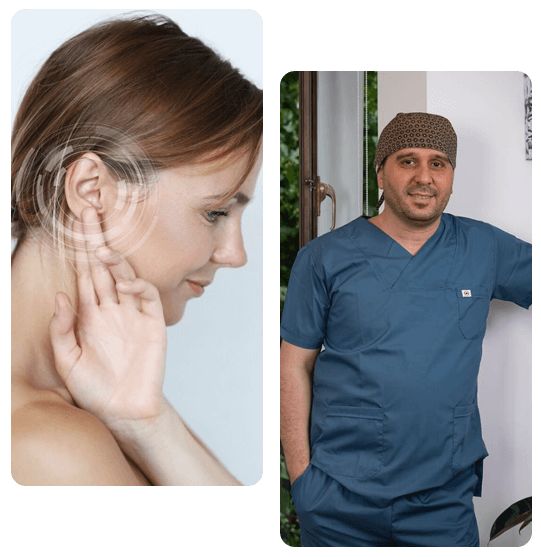
Scapha Reduction Surgery in Turkey, Istanbul
MD Hasan Duygulu
A prominent or overly wide scapha can affect the overall shape and balance of the ears, making them appear larger or less refined. If you are dissatisfied with the appearance of the upper part of your ears, scapha reduction surgery offers an effective solution to create a more proportionate and aesthetically pleasing ear contour. Turkey has become one of the leading global destinations for scapha reduction surgery, combining advanced medical facilities, internationally recognized surgeons, and cost-effective treatment options.
At Dr. Hasan Duygulu’s clinic, services are provided for patients seeking scapha reduction surgery. Our clinic in Turkey is equipped with modern technology and advanced surgical techniques, offering precise and personalized treatment designed to reduce the width of the scapha while preserving the ear’s natural anatomy and appearance. Discover how scapha reduction surgery in Turkey can enhance ear proportions, improve facial harmony, and help you achieve a more refined and balanced look.
Accessible Team
of Experience
Overview of Scapha Reduction Surgery in Istanbul
Local Anesthesia
1 Hours
1 Day
5-7 Days Later
1 Week
6 Months - 1 Year
Why Choose Turkey for Your Scapha Reduction Surgery?
Choosing the right destination for scapha reduction surgery is an important decision. Turkey has established itself as a global leader in medical tourism, offering unique advantages for international patients seeking advanced ear contouring procedures.
- World-Class Surgical Expertise: Turkey is home to highly qualified and experienced facial plastic surgeons with international training and extensive expertise in scapha reduction surgery, such as Dr. Hasan Duygulu.
- Advanced Medical Facilities: Hospitals and clinics are equipped with state-of-the-art technology and operate in accordance with international quality and patient safety standards.
- Cost-Effective Treatment: Patients can receive high-quality scapha reduction surgery at significantly lower costs compared to the UK, Western Europe, or the United States, without compromising surgical quality or patient care. UK clinics, for example, commonly price comparable ear reduction procedures between roughly £1,550 and £5,200 depending on anesthesia type and complexity. Turkey offers the same standard of surgical care at a fraction of that cost.
Combined with Turkey’s rich cultural heritage, welcoming hospitality, and excellent healthcare infrastructure, undergoing scapha reduction surgery in Turkey offers not only excellent medical care but also a comfortable and enjoyable recovery experience.

Why Choose Hasan Duygulu for Your Scapha Reduction Surgery?
- Specialized Expertise: Our surgeons possess extensive experience and specific training in intricate ear aesthetic procedures, including scapha reduction, macrotia correction, and combined ear-lobe reduction cases.
- Patient-Centric Approach: We prioritize your comfort, safety, and aesthetic goals above all else, from initial consultation through meticulous post-operative care.
- Comprehensive Aftercare: A robust post-operative care program designed to ensure a smooth recovery, optimal healing, and long-term satisfaction.
- Proven Track Record: High patient satisfaction rates and a portfolio of natural, balanced results.
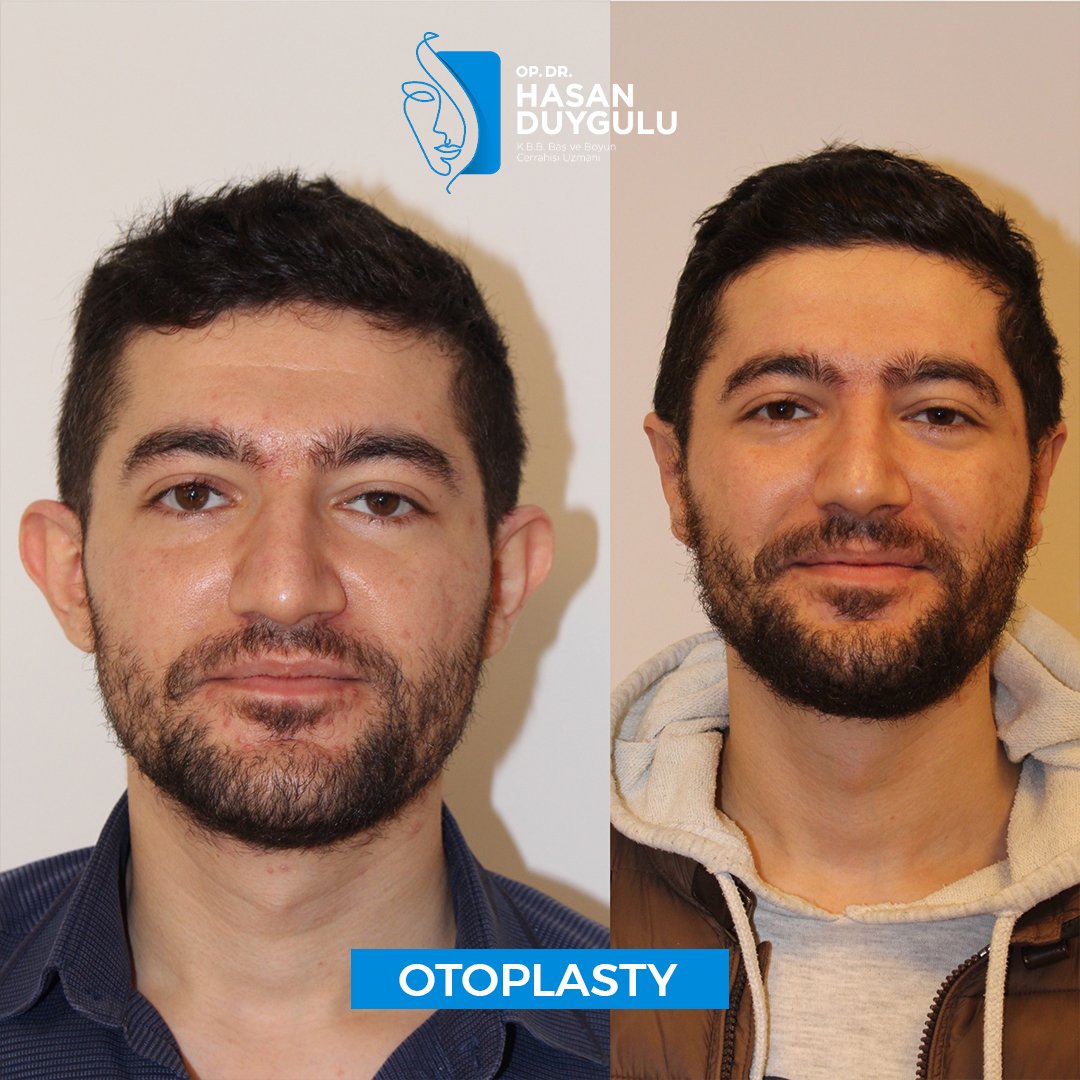

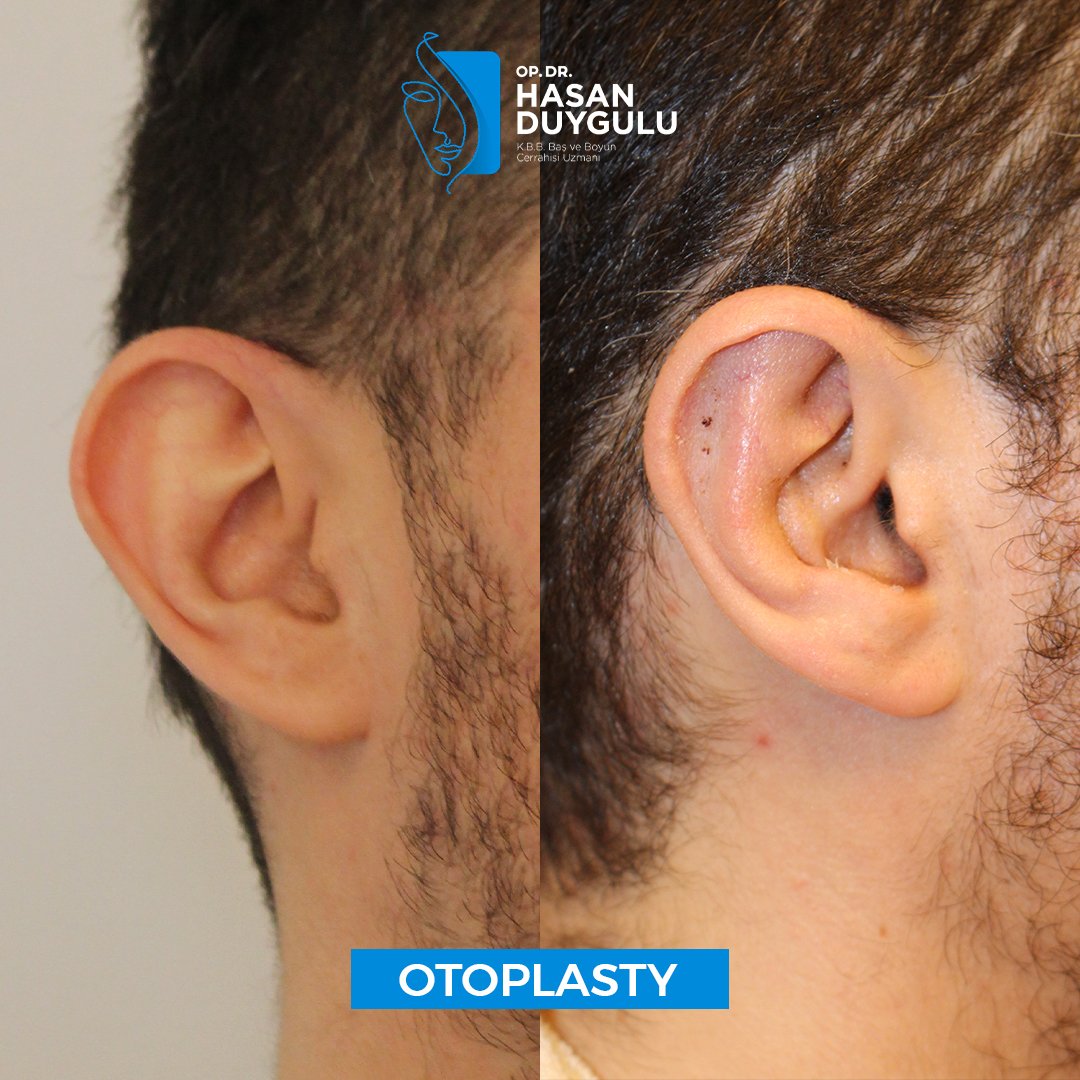
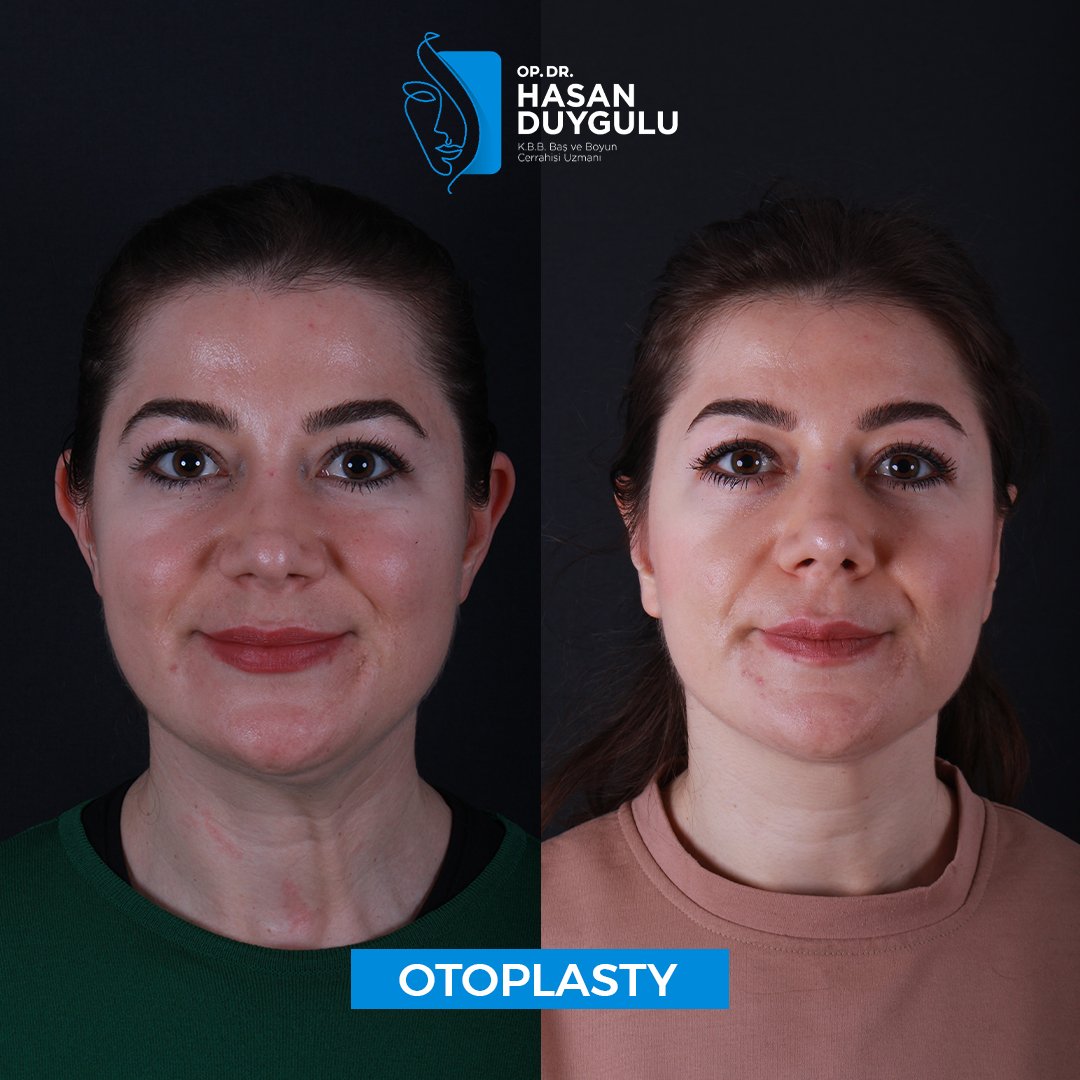
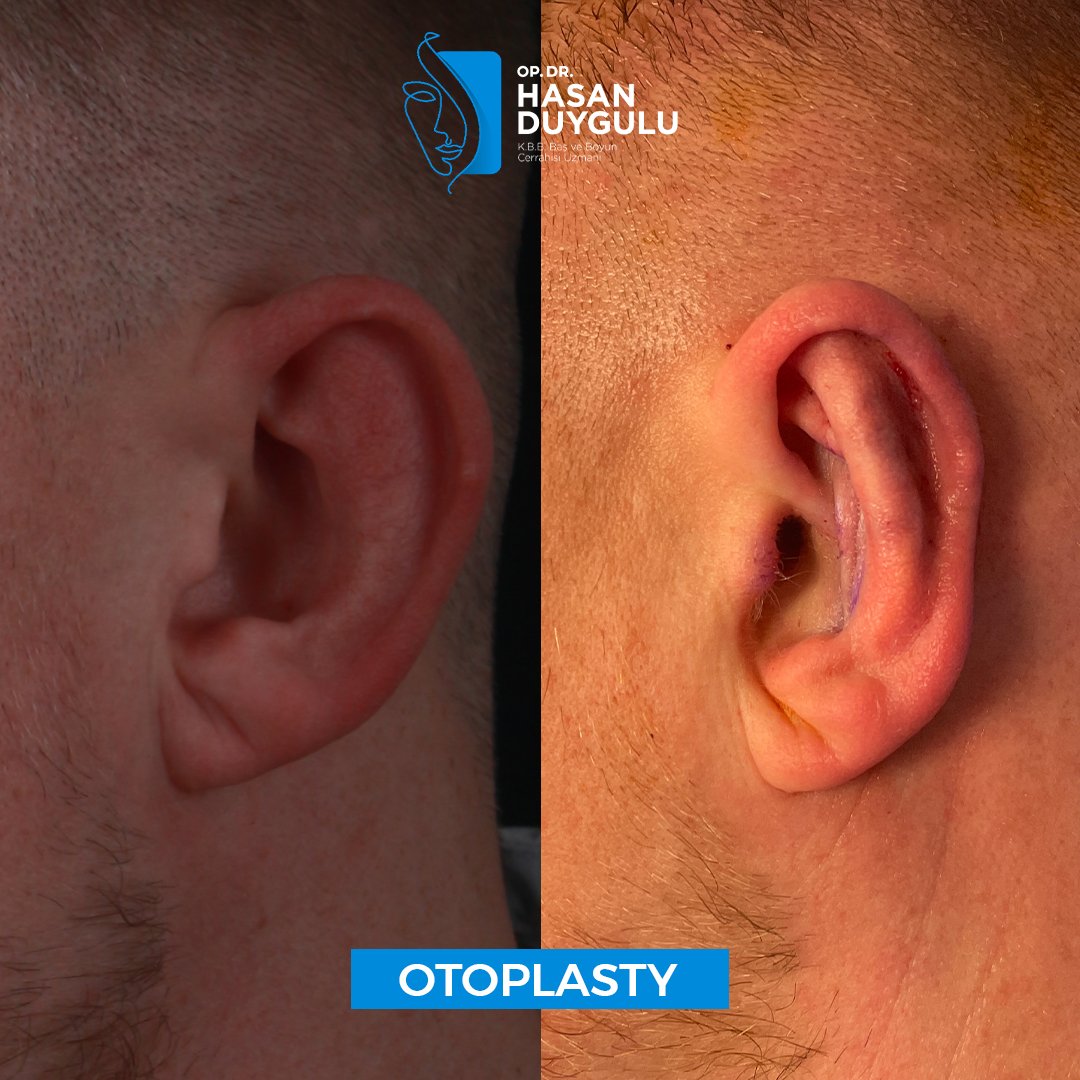
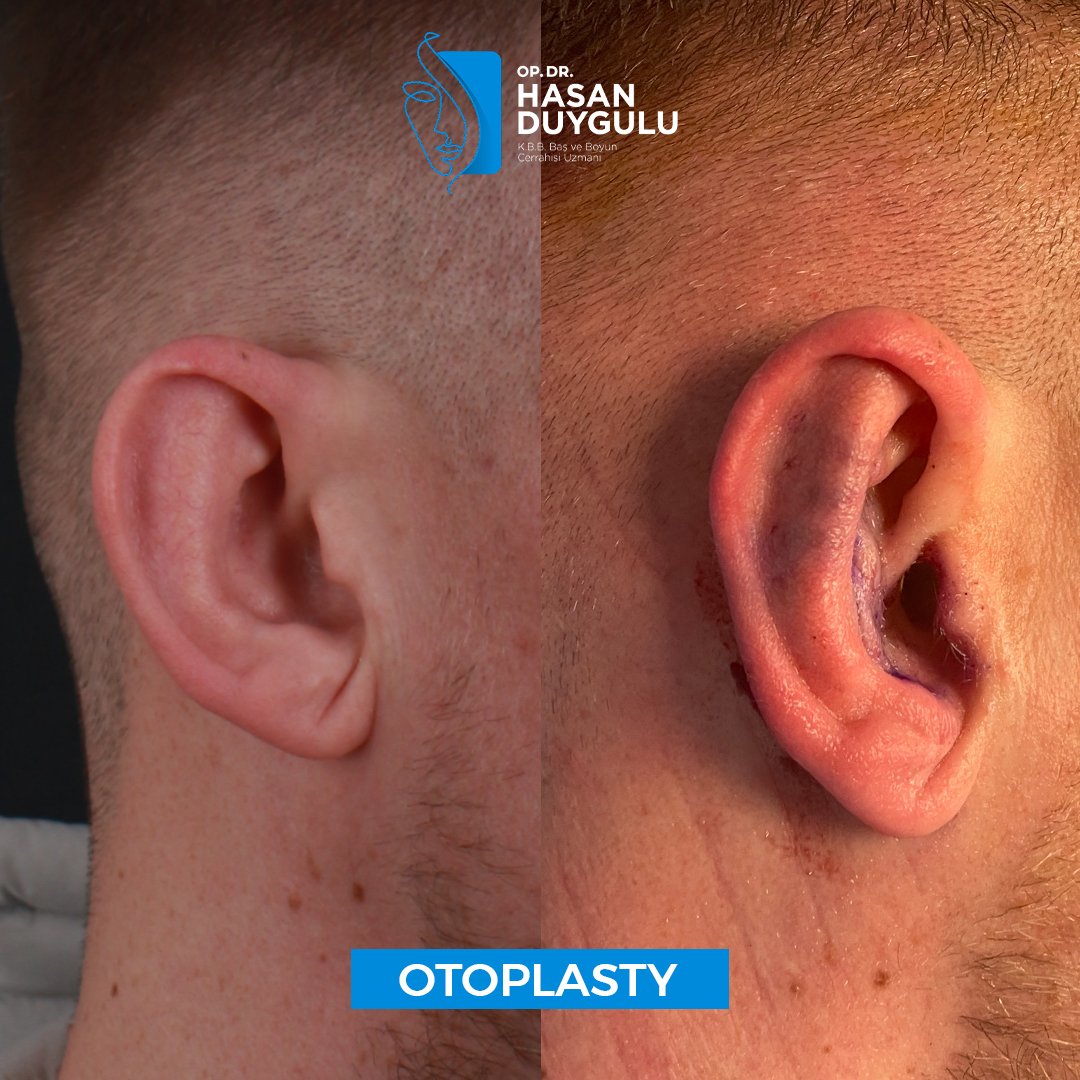


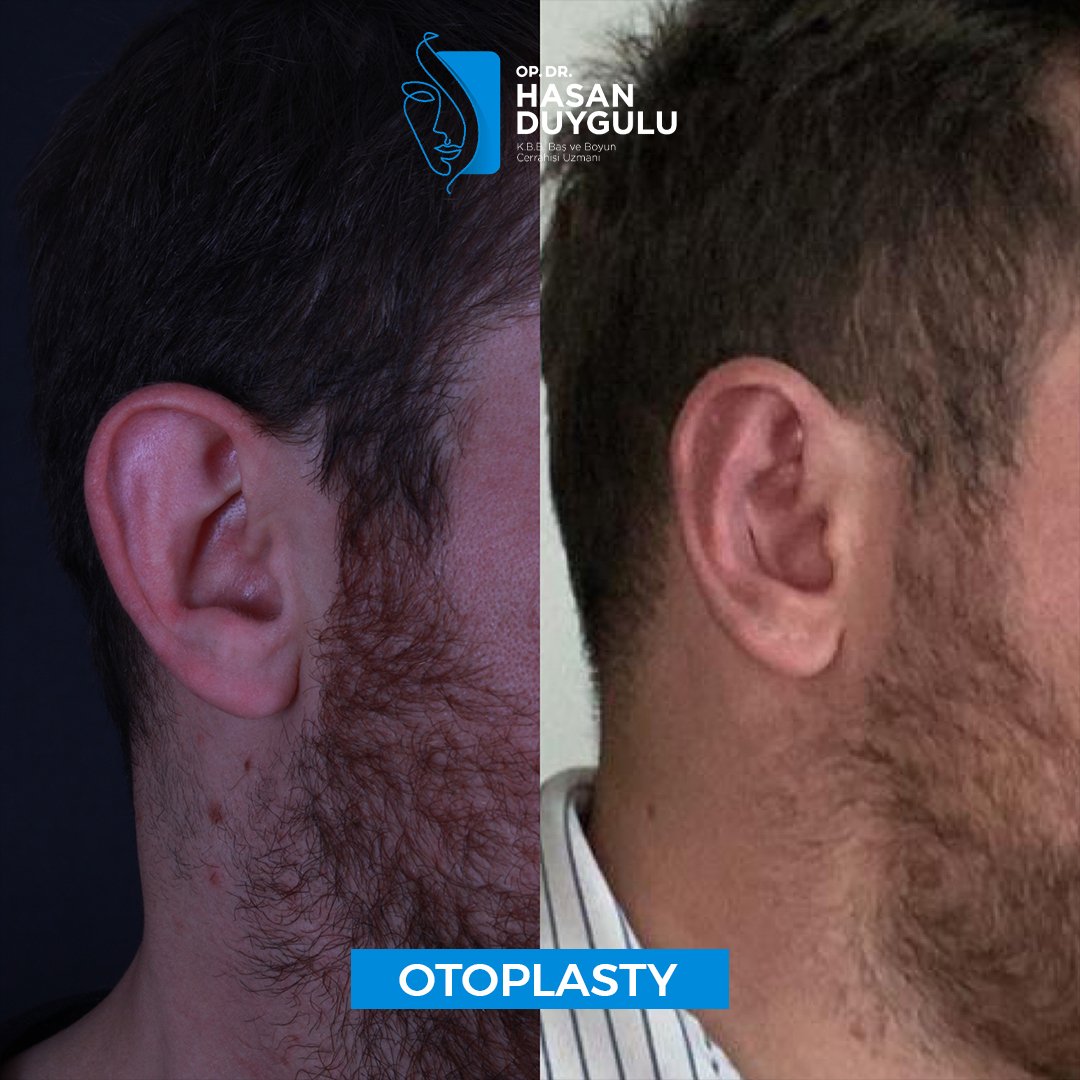
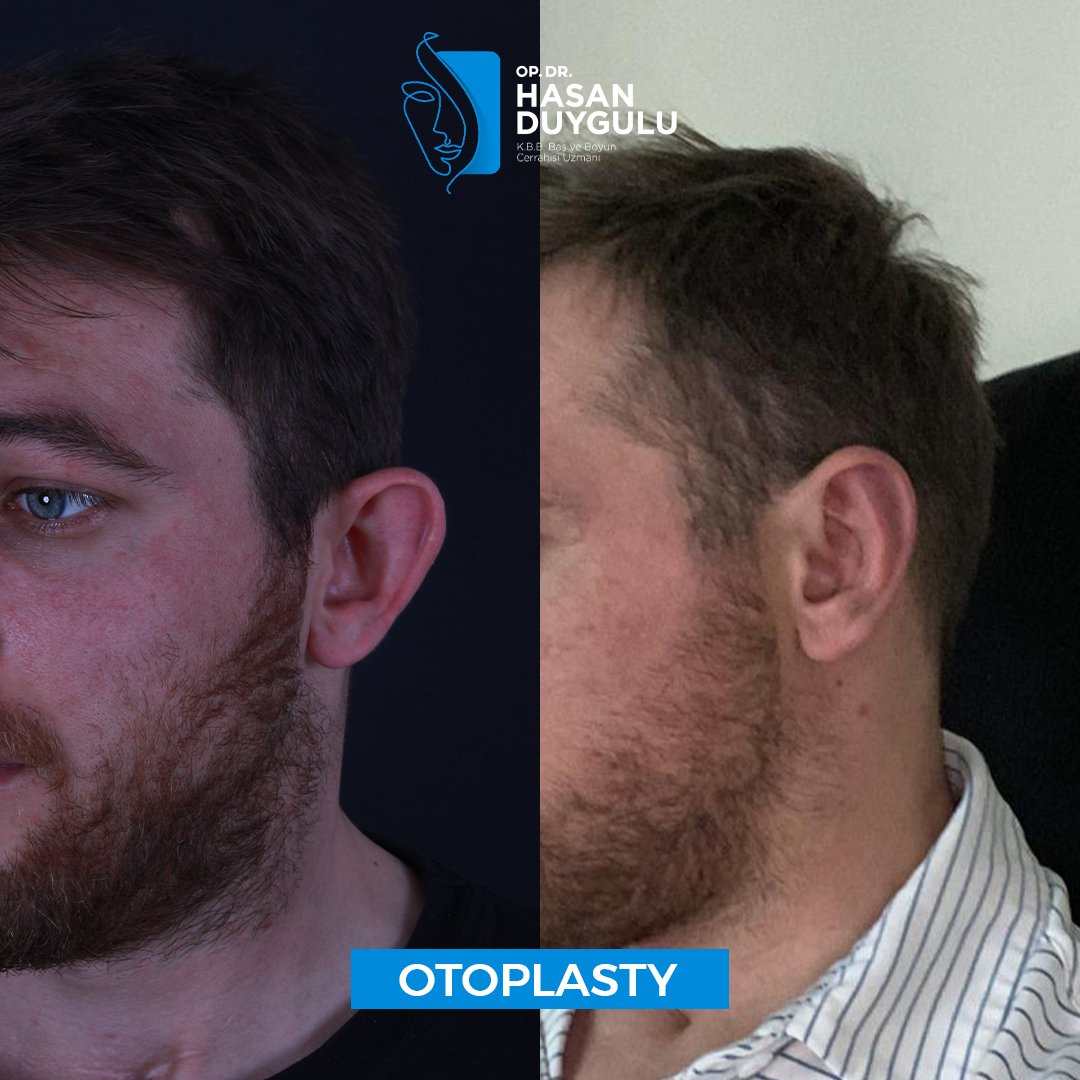
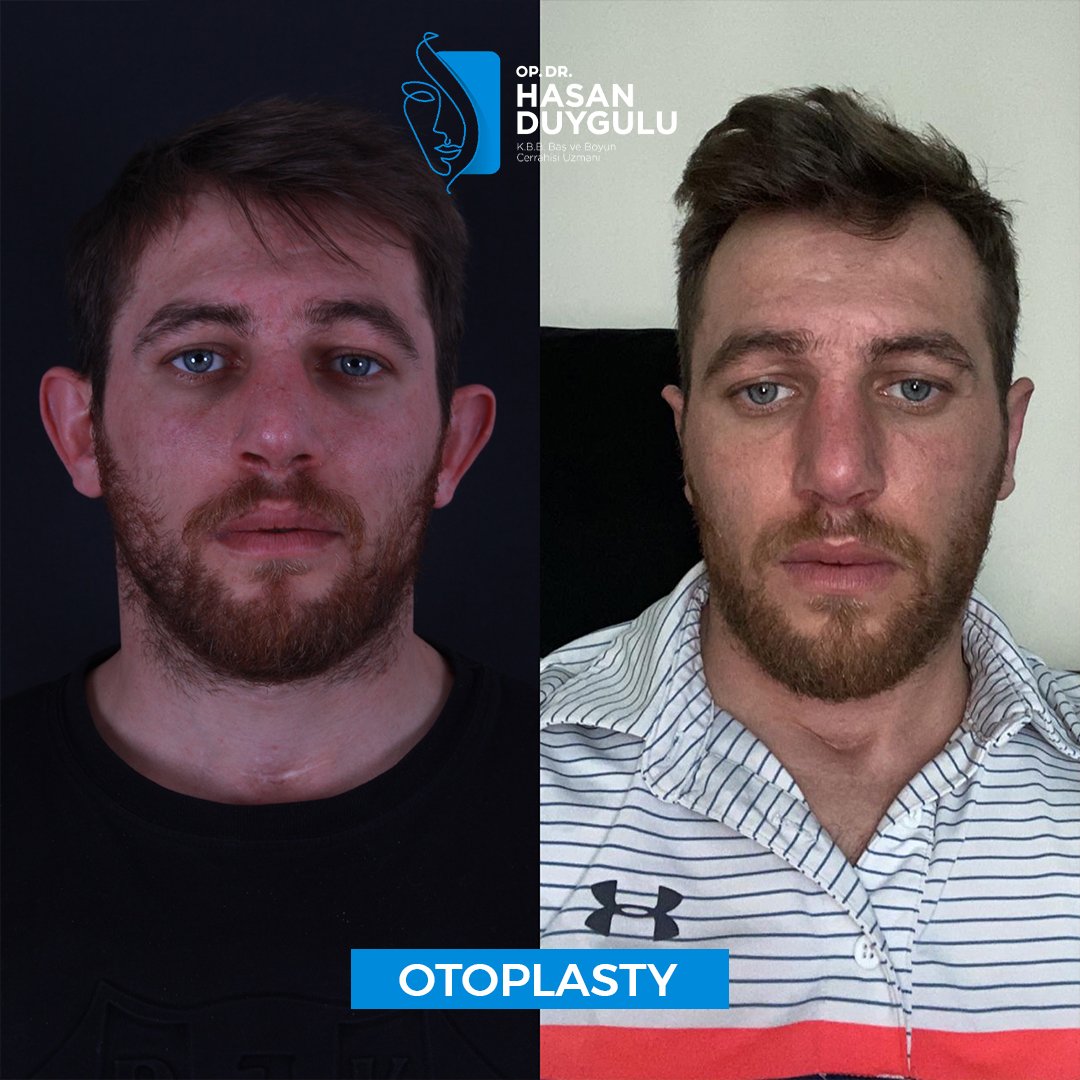

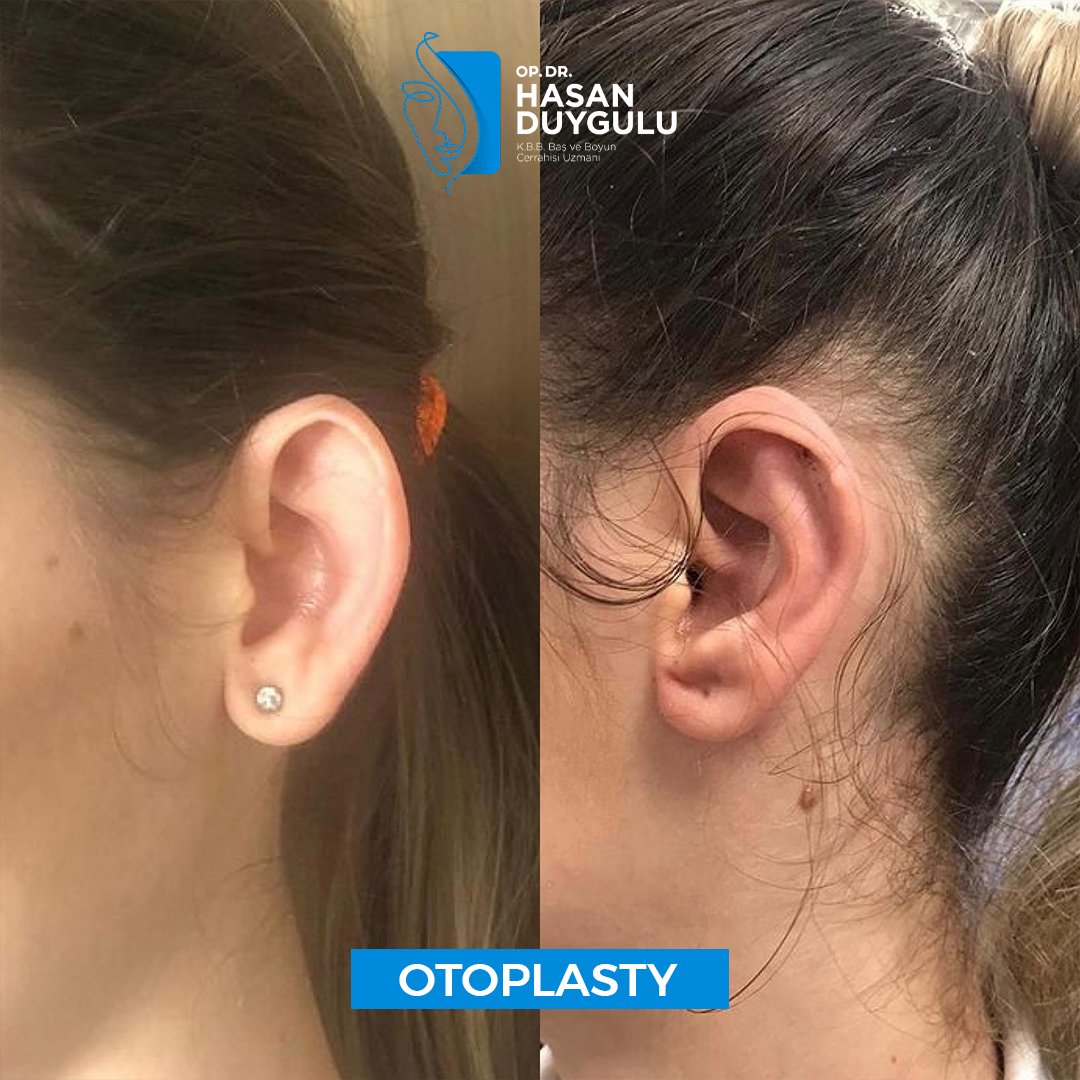
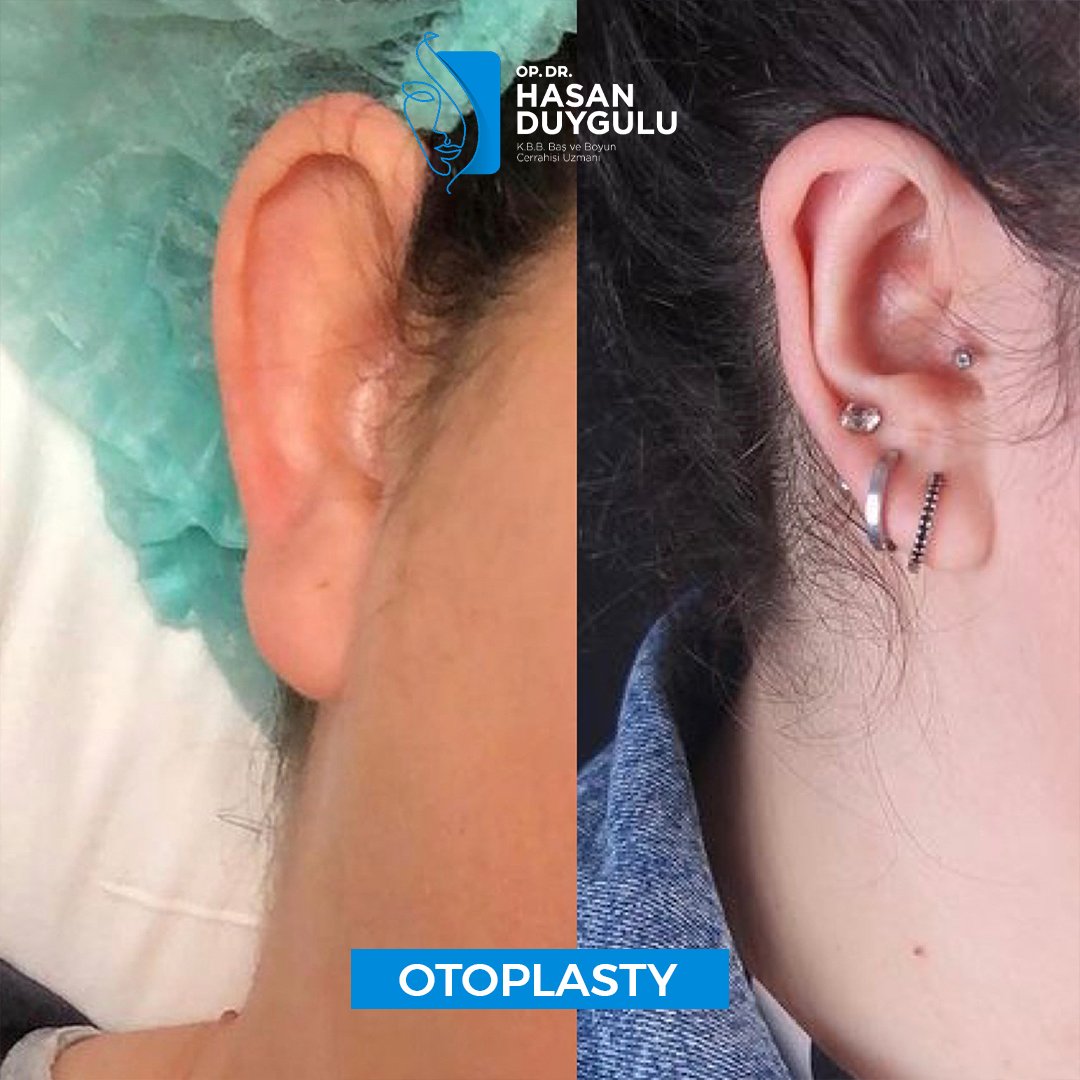
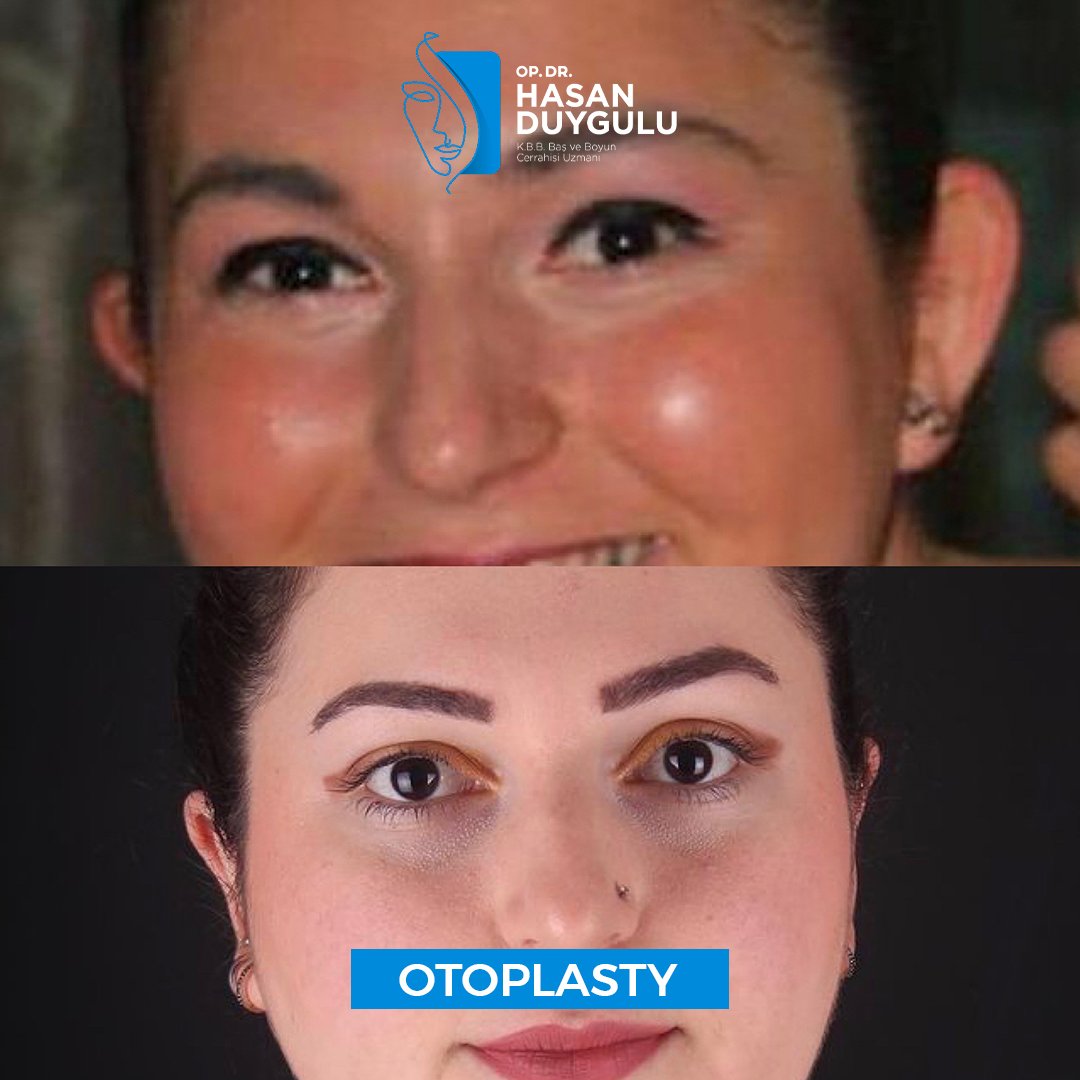
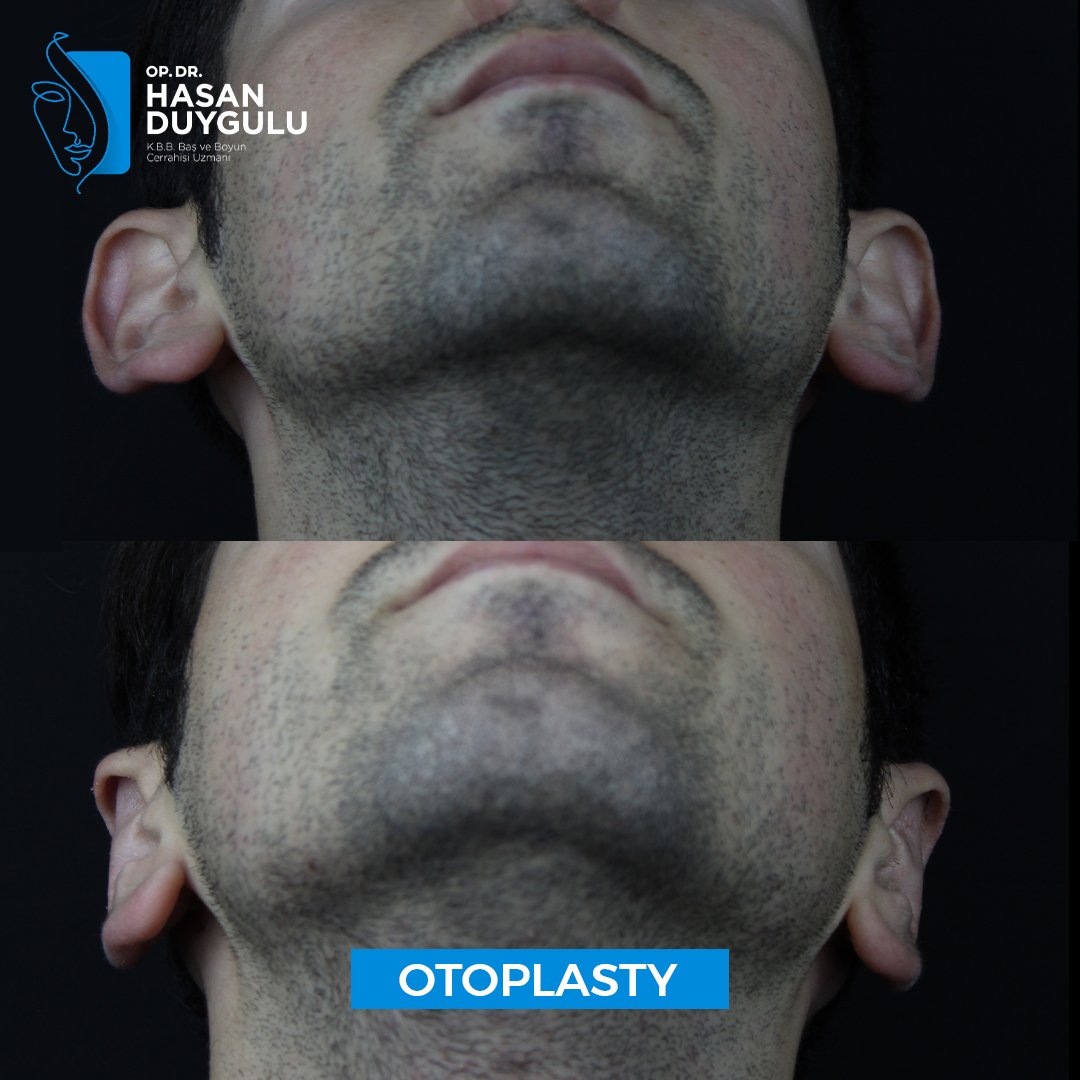
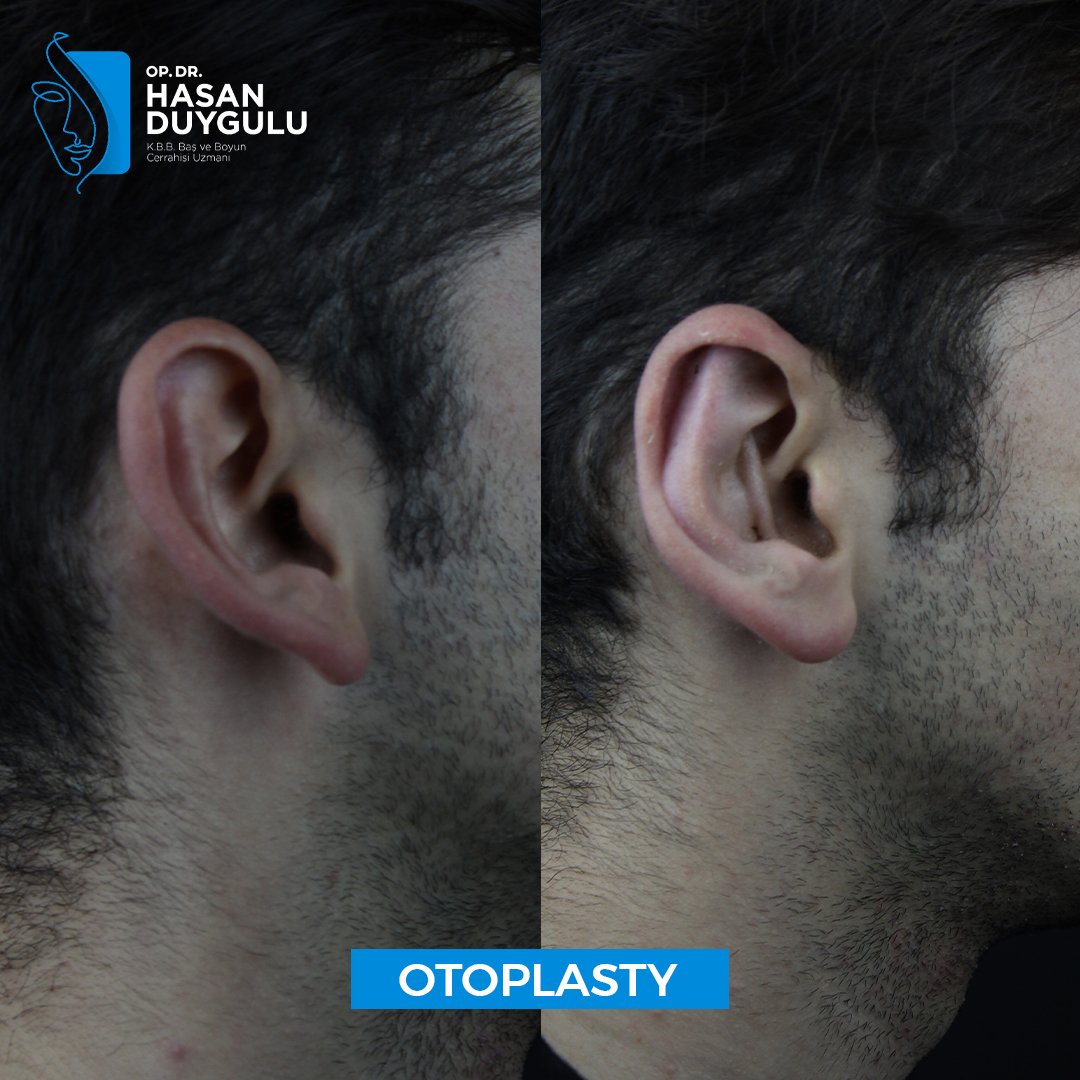
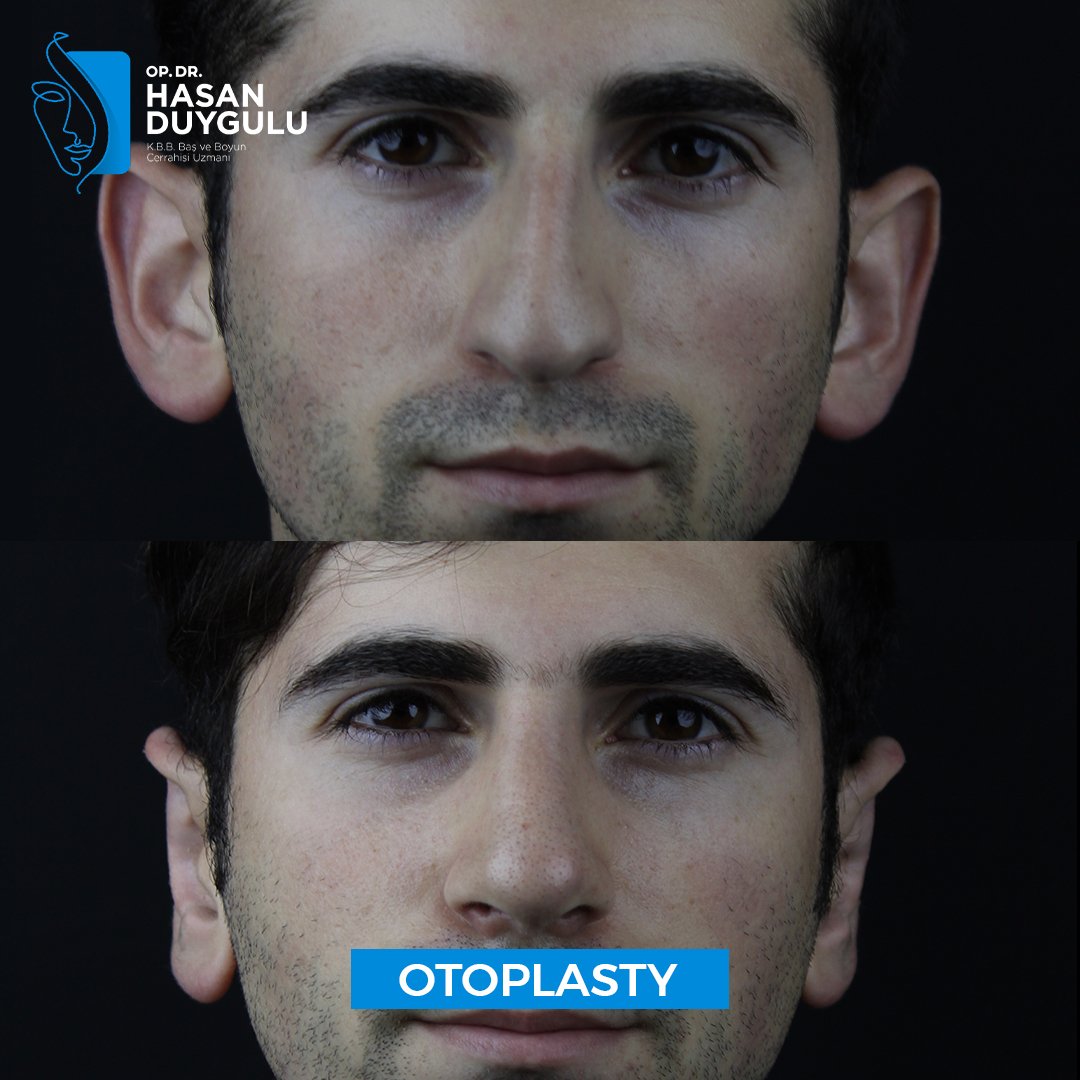
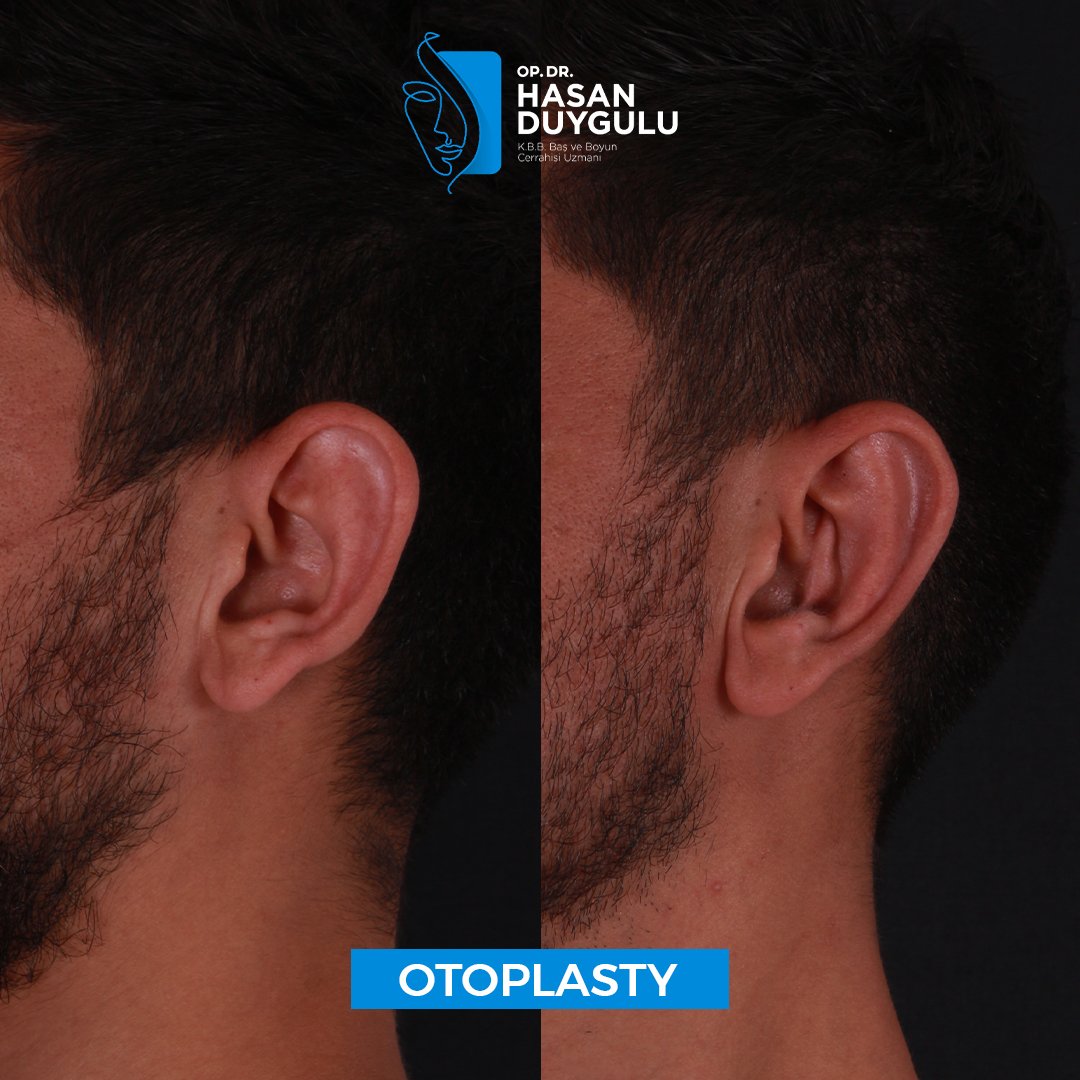
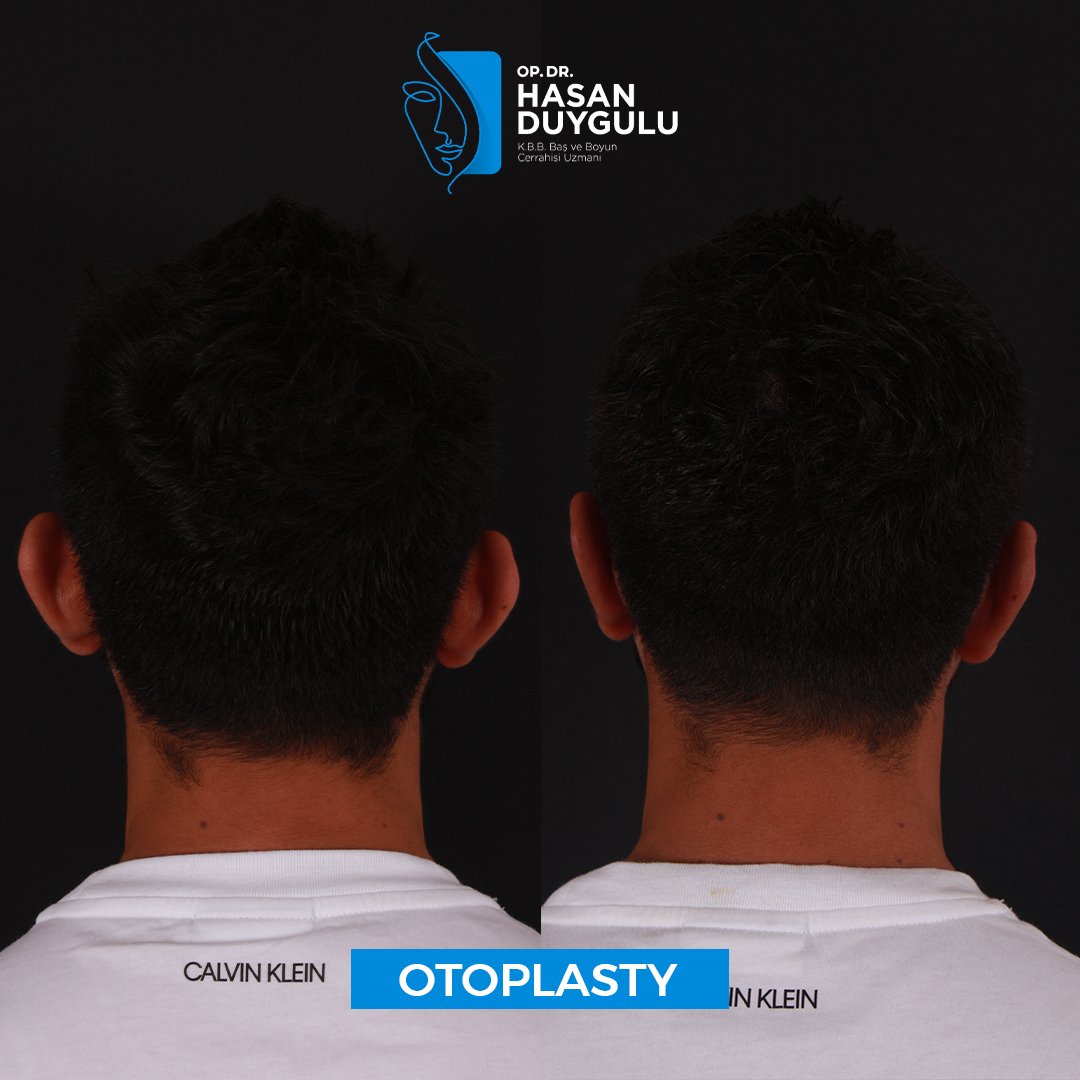
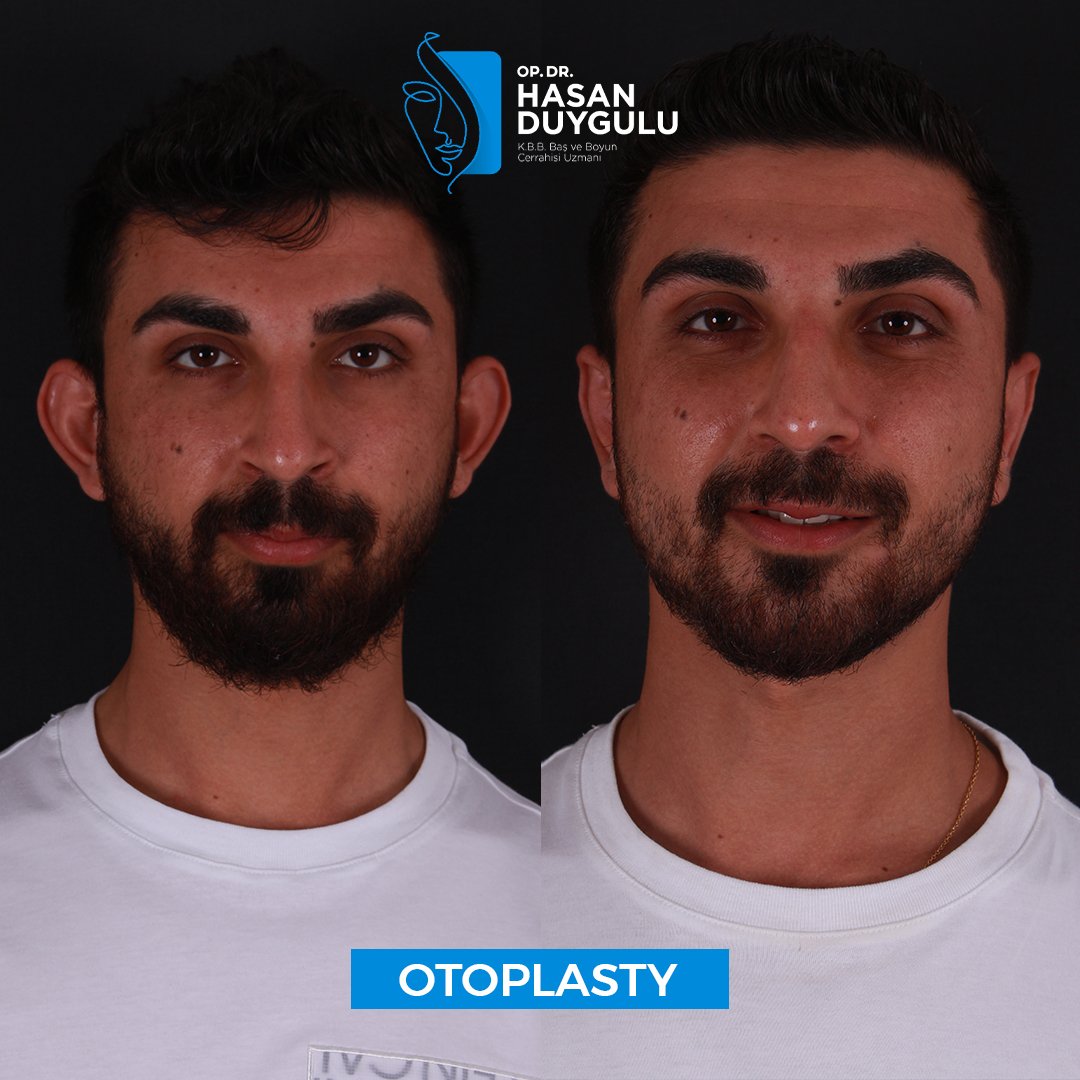

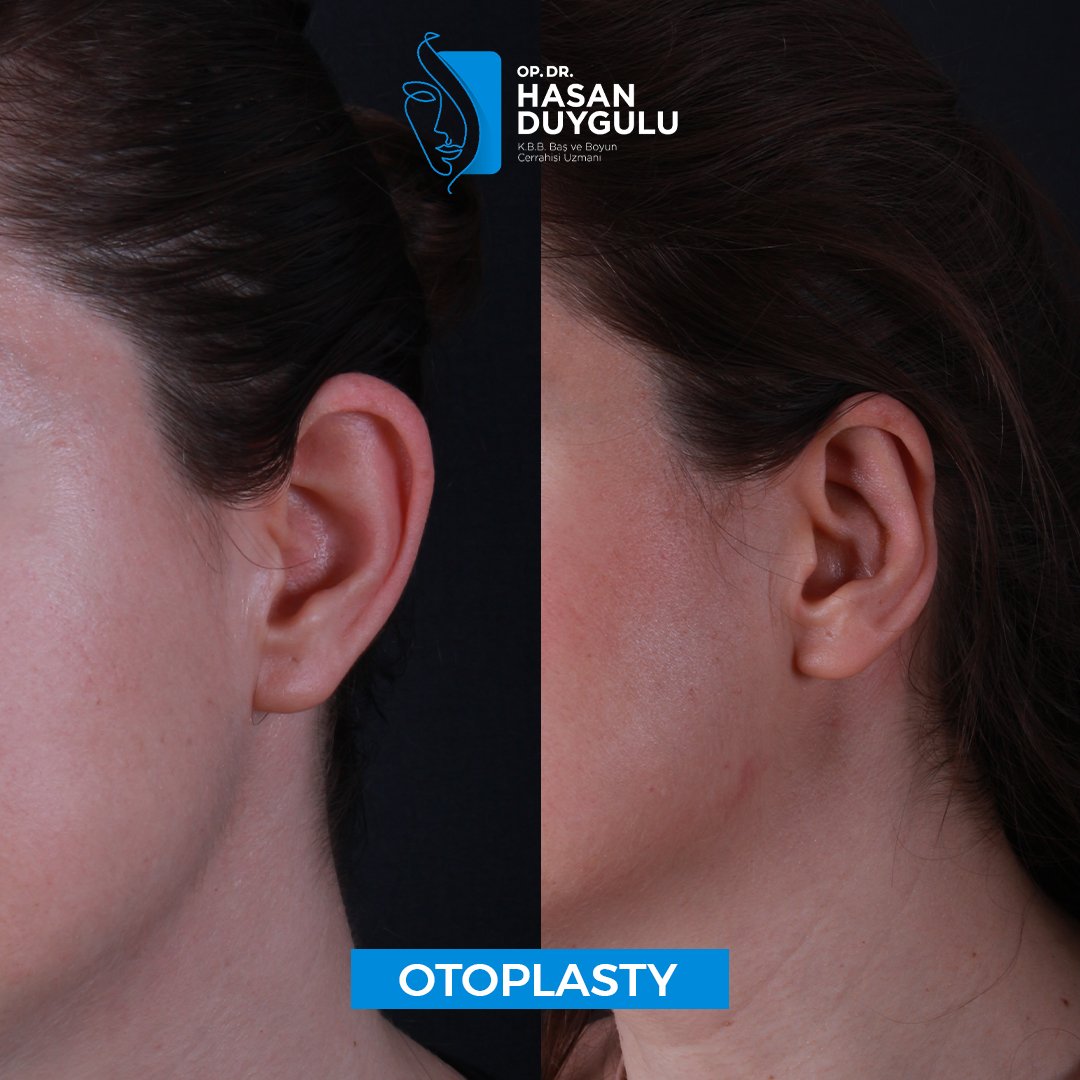

What is the Scapha and Why is Reduction Desired?
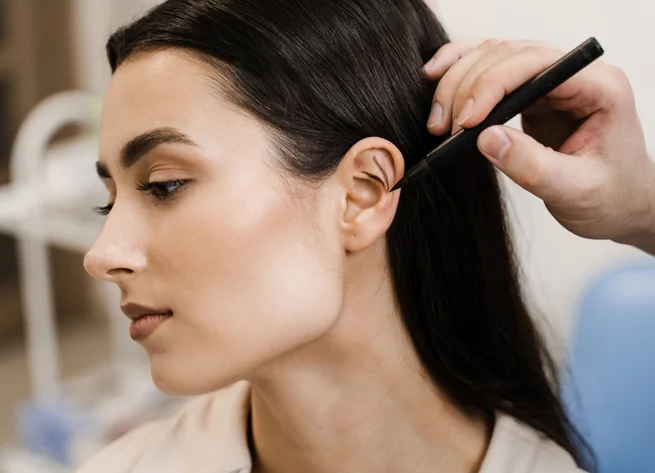
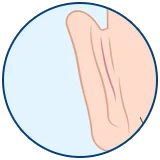
The scapha is the flat, crescent-shaped groove in the upper outer portion of the ear, located between the helix (outer rim) and antihelix (inner rim). It plays a key role in the ear’s overall contour and balance.
When this region is excessively large or prominent, it can disrupt the ear’s ideal proportions, making it appear disproportionately big, “shell-like,” or, when tall and pointed, sometimes informally called a “Spock ear.” This is a form of macrotia, where the ear’s height and/or width is increased due to overdevelopment of this area.
As a general reference point, average ear height is around 5.9 cm in women and 6.2 cm in men; ears are typically considered macrotic above roughly 6.5 cm, or more than two standard deviations over the population average. These are reference points only, since how “large” an ear appears also depends on head size, facial proportions, and hairstyle, which is why an in-person assessment is essential.
Reasons people seek scapha reduction include:
- Aesthetic Concerns: An enlarged scapha can make the ears appear too large for the face.
- Psychosocial Impact: Self-consciousness or teasing related to ear appearance can affect confidence and quality of life.
- Desire for Symmetry: Correcting cases where one ear’s scapha is more prominent than the other.
- Hair Styling Limitations: A prominent scapha can restrict hairstyle choices.
- Practical Discomfort: Difficulty wearing certain helmets, headphones, or headwear.
Unlike traditional otoplasty, which repositions protruding ears by reshaping the antihelix and conchal bowl, scapha reduction specifically targets the upper ear’s excess cartilage to reduce its overall size and prominence.

What Causes an Enlarged Scapha?
- Genetic and developmental factors: The vast majority of cases presenting for aesthetic reasons have no identifiable medical cause; the trait is simply inherited, much like other family facial features.
- Aging: Ear size can increase marginally over the years as cartilage and connective tissue change.
- Rare associated conditions: In a small number of cases, an enlarged ear can be associated with underlying genetic conditions. If you have any concerns about an underlying cause, this is worth raising during your consultation so it can be assessed appropriately, alongside (not instead of) any relevant medical evaluation.
Who is a Suitable Candidate for Scapha Reduction Surgery?
Scapha reduction surgery is a highly individualized procedure. If you are considering this surgery in 2026, you might be a suitable candidate if you meet the following:
- Good General Health: You are in overall good physical health and do not have any medical conditions that could impair healing or increase surgical risks.
- Fully Developed Ear Cartilage: Your ear cartilage has reached its full development, which usually occurs by late adolescence. Most surgeons recommend waiting until at least 15–16 years of age.
- Realistic Expectations: You have a clear understanding of what the surgery can achieve and maintain realistic expectations regarding the results.
- Specific Concerns about Scapha Size/Shape: You are genuinely bothered by the size, prominence, or shape of your scapha region.
- Psychosocial Maturity: You possess the emotional and psychological maturity to undergo surgery and articulate your reasons for seeking the procedure — particularly important for adolescent patients.
- Non-Smoker or Willing to Quit: Smoking significantly impedes healing and increases complication risk. Candidates are generally advised to stop smoking for at least several weeks before and after surgery.

Who is NOT a Good Candidate for Scapha Reduction?
- Ears that protrude but are not enlarged: If your ears stick out but are of a normal size, traditional otoplasty (ear pinning) — not scapha reduction — is typically the appropriate procedure.
- Patients whose ear cartilage is not yet fully developed: Operating before roughly 15–16 years of age, outside of exceptional circumstances, can compromise long-term stability.
- Patients with significant scarring or blood-supply concerns from previous ear surgery: Previous surgery can sometimes compromise the ear’s blood supply, which needs careful evaluation before any further procedure is planned.
- Active smokers unwilling to quit around the time of surgery.
- Patients with unrealistic expectations of “perfect” symmetry, since natural ears typically show some degree of asymmetry even after surgery.
- Patients who are uncertain about surgery: The decision should follow a detailed evaluation and open discussion with the surgeon.
How is Scapha Reduction Surgery Performed?
Surgical approaches used in scapha reduction Istanbul, Turkey are as follows:

Anesthesia
The procedure is typically performed under local anesthesia.

Incision Procedure
Minimal incisions are made discreetly behind the ear or within its natural folds, keeping any resulting scars hidden.

Reshaping
The excess cartilage in the scapha region is carefully removed and the remaining structure is reshaped to reduce the ear's height and width.
Final Touch
Once the desired contour is achieved, the incisions are closed with fine stitches, made to be hidden behind the ear.
What are the Types of Scapha Reduction?
Scapha reduction is not a single fixed technique. Surgeons tailor the approach based on how much of the upper ear is enlarged and which structures are contributing to its size.
Cartilage Excision Technique
The most common approach. A precisely measured crescent of excess cartilage is removed from the scapha, and the surrounding tissue is brought together to close the gap. This directly reduces both the height and width of the upper ear.
Suture-Based Reshaping
Used when the main issue is contour rather than excess volume. Permanent internal sutures fold, reposition, or sculpt the existing cartilage into a more refined shape without removing significant tissue. This is often combined with excision for a more balanced result.
Combined Scapha and Helix Reduction
When the enlargement extends into the outer rim (helix) as well as the scapha, both areas are addressed together, sometimes requiring removal of a small segment of the helical rim to maintain natural proportions.
Combined Scapha and Earlobe Reduction
In patients whose oversized appearance comes from both the upper ear and the earlobe, scapha reduction can be performed alongside lobuloplasty in a single procedure for a more proportionate overall result.
Unilateral vs. Bilateral Reduction
Scapha reduction can be performed on a single ear, to correct asymmetry when only one ear is enlarged, or on both ears when the concern is symmetrical.
Things to Do Before Scapha Reduction Surgery
- Share your expectations and concerns with our medical team so we can plan the right approach for your anatomy.
- Complete a general health evaluation and disclose any allergies or chronic conditions.
- Stop smoking and consuming alcohol for the period recommended by your surgeon.
- Adjust or pause blood-thinning medications and supplements as advised.
- Follow your surgeon’s instructions regarding eating, drinking, and medication before your procedure under local anesthesia.
- Ask any questions you have — detailed information will be provided beforehand.
Things To Do After Scapha Reduction Surgery
- Follow all instructions provided by our team to support faster healing.
- Keep incisions clean and dry as directed, and avoid touching or bumping the ears.
- Sleep on your back with your head elevated for the first few weeks.
- Avoid heavy physical activity, contact sports, and swimming for the period your surgeon recommends.
- Avoid alcohol and smoking during the healing period.
- Protect your ears from direct sun exposure, especially around the incision sites.
- Attend all scheduled follow-up appointments so we can monitor your healing.
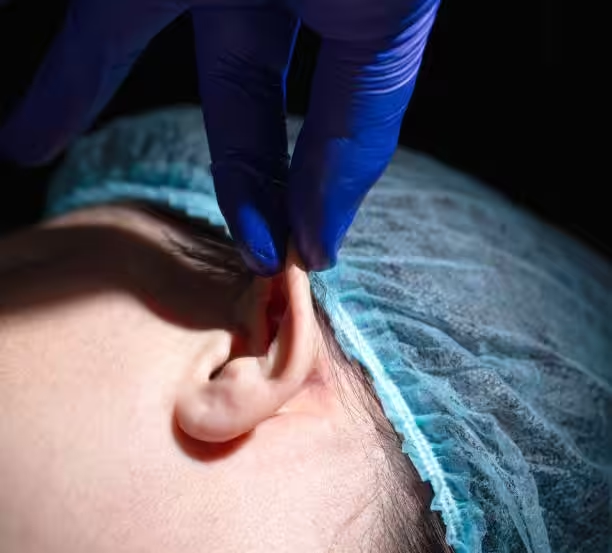
The Scapha Reduction Procedure at Hasan Duygulu
A Highly Customized, Step-by-Step Approach
- Initial Consultation & Analysis Your scapha and overall ear anatomy are carefully evaluated, your medical history is reviewed, and your aesthetic goals are thoroughly discussed.
- Anesthesia The procedure is typically performed under local anesthesia, ensuring patient comfort while allowing a quicker recovery and same-day discharge.
- Surgical Approach & Technique Incisions are placed behind the ear or within its natural folds to keep scarring discreet.
- Correction & Reshaping A precisely calculated amount of excess cartilage is removed from the scapha, and the remaining cartilage is shaped and secured to create a natural, balanced contour.
- Closing Incisions Fine sutures close the incisions, placed to minimize any visible scarring.
- Bandaging A soft head bandage or dressing supports the new shape and reduces swelling during initial healing.
Advantages and Expected Outcomes of Scapha Reduction Surgery
- Natural and Symmetrical Ear Appearance: Ears in harmonious proportion with the rest of the face, avoiding an “operated” look.
- Increased Self-Confidence and Social Comfort: A significant boost in self-esteem and body image for most patients.
- Freedom with Hairstyles: The ability to wear various hairstyles, including those that expose the ears.
- Permanent Results: Once the cartilage is reshaped and healed, it maintains its new form.
- Improved Psychological Well-being: Alleviation of long-standing self-consciousness related to ear appearance.
- Enhanced Facial Harmony: Bringing the ears into better alignment with other facial features.
It is important to maintain realistic expectations. While the surgery can dramatically improve ear aesthetics, subtle asymmetries may persist or be inherent to natural anatomy — but the long-term positive impact on confidence and quality of life is often cited by patients as the most meaningful outcome.
Comparison Guide: Scapha Reduction vs. Otoplasty
Feature | Scapha Reduction | Otoplasty |
Primary Purpose | Reduces the size and prominence of the upper ear (scapha). | Repositions protruding ears closer to the head. |
Ideal Candidates | Individuals with an enlarged or wide scapha, oversized upper ear. | Individuals with normal-sized ears that stick out. |
Surgical Target | Cartilage within the scapha itself. | Antihelix and conchal bowl. |
Ear Size | Reduces overall ear height and/or width. | Generally preserves original ear size. |
Main Aesthetic Goal | A smaller, more proportionate upper ear. | Improved ear position and projection. |
Scarring | Incisions hidden behind the ear or within natural folds. | Incisions typically hidden behind the ear. |
Results | Permanent reduction in ear size. | Permanent correction of ear prominence. |
Scapha Reduction Recovery Process and Post-Surgery Care
First Week A soft, protective head bandage is worn continuously for the first few days (typically 3–7 days). Mild to moderate pain, swelling, and bruising are normal and managed with prescribed pain medication. Non-dissolvable sutures, if used, are typically removed within 7–10 days.
First Month After the initial bandage is removed, a soft elastic headband may be worn, especially at night, for 2–4 weeks. Most patients gradually return to light daily activities and non-strenuous work, avoiding heavy lifting and contact sports.
3–6 Months The ears continue to settle, and final results become more apparent as residual swelling fully resolves and tissues mature. Full activity, including contact sports, is generally resumed after surgeon clearance, usually around 6–8 weeks post-surgery.
Scapha Reduction Possible Risks and Complications
- Infection: Uncommon due to sterile technique and, when indicated, antibiotics.
- Bleeding/Hematoma: Blood accumulation under the skin may occasionally require drainage.
- Asymmetry: Minor differences between ears may persist, as perfect symmetry is rare in nature.
- Changes in Sensation: Temporary, or rarely permanent, numbness or altered sensation.
- Cartilage Deformity: Irregularities or contour deformities can occur if healing is uneven, sometimes requiring revision.
- Scarring: Incisions are placed to be inconspicuous, but visible scarring, including rare keloid or hypertrophic scars, is possible.
- Overcorrection or Undercorrection: May require further surgical adjustment.
- Suture Extrusion: Rarely, permanent sutures may become visible and require removal.
To minimize these risks, our clinic adheres to strict sterilization protocols, employs surgeons experienced in intricate ear aesthetics, and provides comprehensive pre- and post-operative care.

Scapha Reduction Surgery Prices 2026: Turkey vs. UK
As of 2026, providing a single average price is challenging due to the individualized nature of this procedure, but here is a general market comparison to help guide your decision:
| Scapha Reduction / Ear Reduction, Turkey | €1,500 – €3,000 (Local Anesthesia) |
| Ear Reduction, UK (fixed-price clinics) | £1,550 – £3,195 |
| Ear Reduction, UK (with sedation/general anesthesia) | Approximately £3,900 to £5,200 |
UK pricing generally rises with the use of sedation or general anesthesia compared to local anesthesia alone. Scapha reduction surgery in Turkey starts from €1,500 under local anesthesia. The final treatment cost will be confirmed after your consultation based on your individual anatomy and treatment plan.
What Determines the Cost of Scapha Reduction Surgery?
- Surgeon’s Experience and Expertise: Highly specialized surgeons with a focus on ear aesthetic procedures often reflect this in their fees.
- Anesthesia Type: The procedure is performed under local anesthesia, which provides a safe, comfortable, and cost-effective treatment experience for most patients.
- Clinic/Hospital Fees: Facility charges for operating room use, nursing care, and any overnight stay.
- Pre- and Post-operative Care: Consultation fees, follow-up appointments, medications, and post-operative supplies.
- Complexity of the Procedure: Bilateral procedures or cases requiring extensive cartilage reshaping may cost more.
Ask Our Experts!
You can fill out the form to get answers to all your questions and detailed information about treatments.
Ask Our Experts!</span
You can fill out the form to get answers to all your questions and detailed information about treatments.
FAQ About Rhinoplasty in Turkey
How long does it take to recover from rhinoplasty?
You may be healed 1-2 weeks after rhinoplasty. However, you have to wait 6 months to see clear results.
Is Turkey safe for rhinoplasty?
Yes. Turkey is one of the reliable countries for rhinoplasty. Turkey has become an important choice in aesthetic and health tourism in recent years.
How long should I stay in Turkey for rhinoplasty?
You must stay in Turkey for 2 weeks for rhinoplasty. However, this time may vary depending on the type of surgery, your recovery speed, and your surgeon’s recommendations.
How soon after rhinoplasty can I return to work?
You can return to work 7 to 10 days after rhinoplasty. However, this period may vary depending on your recovery speed.
Will there be any scars after rhinoplasty?
After rhinoplasty, there will be no scar left on your nose. Because the incisions are stitched very thin and heal over time.
FAQ About Scapha Reduction Turkey
Is scapha reduction surgery painful?
You will not feel pain during the surgery due to anesthesia. Post-operatively, you may experience mild to moderate discomfort, soreness, or a feeling of tightness, effectively managed with prescribed pain medication.
How long does the recovery period last?
Initial recovery, including bandage wear and significant swelling reduction, typically takes 1–2 weeks. Full healing and final aesthetic results can take 3–6 months.
Will there be visible scars after the surgery?
Incisions are strategically placed in natural creases behind the ear or discreetly within the ear’s folds, making scars generally imperceptible once fully healed.
Are the results of scapha reduction permanent?
Yes. Once the cartilage is reshaped and healing is complete, it maintains its new form.
When can I return to work or school?
Most patients return within 7–10 days, depending on their job and personal comfort level.
Can I play sports after scapha reduction surgery?
Avoid contact sports and any activity that could impact the ears for at least 6–8 weeks, or until your surgeon clears you. Non-contact exercise can usually resume within 3–4 weeks.
Will my ears grow back or change shape again?
No. Once reshaped and healed, the ear’s size and contour remain stable over time.
How does Scapha Reduction differ from traditional Otoplasty?
Scapha reduction specifically targets the upper ear’s excessive cartilage to reduce its size, while traditional otoplasty repositions protruding ears by reshaping the antihelix and conchal bowl, without significantly reducing ear size.
Can scapha reduction be performed entirely under local anesthesia?
In many cases, yes. Depending on the extent of correction needed, scapha reduction can often be performed under local anesthesia alone, without sedation or general anesthesia — an option some patients prefer to avoid the additional risks associated with sedation or general anesthesia. This will be discussed and confirmed during your consultation.
Is an enlarged scapha ever linked to an underlying medical condition?
In the large majority of cases, an enlarged scapha or macrotia has no identifiable medical cause and is simply an inherited trait. In rare instances, it can be associated with certain underlying genetic conditions. This isn’t something to self-diagnose — if you have any concerns, raise them with your surgeon during consultation.
How does scapha reduction specifically address macrotia or scapha enlargement?
By carefully removing or reshaping the excess cartilage in the scapha, the procedure reduces the overall height and/or width of the upper ear, restoring proportion and alleviating the “shell-like” appearance.
When will I see my final results?
You’ll notice improvement once initial swelling subsides, but final results typically become visible within 3 to 6 months.
Can one ear be treated only?
Yes. If only one ear has a prominent or enlarged scapha, scapha reduction can be performed unilaterally to improve symmetry.
Does scapha reduction affect hearing?
No. The procedure only reshapes the outer ear cartilage and does not involve the structures responsible for hearing.
Can I wear glasses after surgery?
In most cases, yes, shortly after surgery, though your surgeon may recommend avoiding pressure on the ears for the first one to two weeks.
When can I sleep on my side?
Most patients are advised to sleep on their back with the head elevated for the first few weeks; side sleeping is generally allowed after approximately 3–4 weeks.
Can scapha reduction be combined with a facelift?
Yes, when appropriate, it can be safely combined with other facial aesthetic procedures, potentially reducing overall recovery time.
Is there an age limit for surgery?
Generally recommended after the ear completes its growth, around 15–16 years of age. There is no upper age limit, provided the patient is in good overall health.
How soon can I travel after surgery?
Most international patients can typically travel within 5–7 days after surgery, provided there are no complications and the initial follow-up has been completed.
Will my scars disappear completely?
Scars never disappear completely, but they typically fade significantly and become barely noticeable with proper healing and scar care.