

Ear Reduction Surgery in Turkey, Istanbul
MD Hasan Duygulu
Prominent or overly large ears can affect facial harmony and may lead to self-consciousness in both children and adults. If you feel uncomfortable with the size or shape of your ears, ear reduction surgery offers an effective solution to create a more balanced and natural appearance. Turkey has become one of the leading global destinations for ear reduction surgery, combining advanced medical facilities, internationally recognized surgeons, and cost-effective treatment options.
At Dr. Hasan Duygulu’s clinic, services are provided for patients seeking ear reduction surgery. Our clinic in Turkey is equipped with modern technology and advanced surgical techniques, offering precise and personalized treatment designed to reduce ear size while preserving natural proportions and aesthetics. Discover how ear reduction surgery in Turkey can enhance facial balance, improve self-confidence, and help you achieve a more harmonious appearance.
Accessible Team
of Experience
Overview of Ear Reduction Surgery in Istanbul
Local Anesthesia
1 Hours
1 Day
5-7 Days Later
1 Week
6 Months - 1 Year
Why Choose Turkey for Your Ear Reduction Surgery?
Choosing the right destination for ear reduction surgery is an important decision. Turkey has established itself as a global leader in medical tourism, offering unique advantages for international patients seeking aesthetic ear reshaping procedures:
- World-Class Surgical Expertise: Turkey is home to highly qualified and experienced facial plastic surgeons with international training and extensive expertise in ear reduction surgery, such as Dr. Hasan Duygulu.
- Advanced Medical Facilities: Hospitals and clinics are equipped with state-of-the-art technology and operate in accordance with international quality and patient safety standards, ensuring a safe and comfortable surgical experience.
- Cost-Effective Treatment: Patients can receive high-quality ear reduction surgery at significantly lower costs compared to many Western European countries and the United States, without compromising surgical quality or patient care.
- Comprehensive Medical Tourism Services: Many clinics in Turkey provide all-inclusive treatment packages that may include the surgical procedure, accommodation, airport transfers, and interpreter services, allowing international patients to enjoy a smooth and stress-free treatment journey.
Combined with Turkey’s rich cultural heritage, welcoming hospitality, and excellent healthcare infrastructure, ear reduction surgery can be paired with a comfortable recovery experience in one of the world’s leading medical tourism destinations.


Why Choose Ear Reduction with Ear Reduction with Dr. Hasan Duygulu?
- Expertise and Experience: Dr. Hasan Duygulu is a board-certified plastic surgeon with extensive experience in ear reduction surgery, focusing on achieving natural-looking, balanced, and harmonious results tailored to each patient’s facial anatomy.
- Personalized Care: Every patient undergoes a comprehensive evaluation, and a customized surgical plan is developed according to their ear anatomy, aesthetic expectations, and overall facial proportions.
- Comprehensive Services: From the initial consultation through surgery and postoperative follow-up, Dr. Hasan Duygulu and his team provide personalized support at every stage of the treatment journey.
- Cost-Effective Solutions: Dr. Hasan Duygulu’s clinic offers competitive pricing and transparent treatment plans, making high-quality ear reduction surgery in Turkey accessible to patients from around the world.
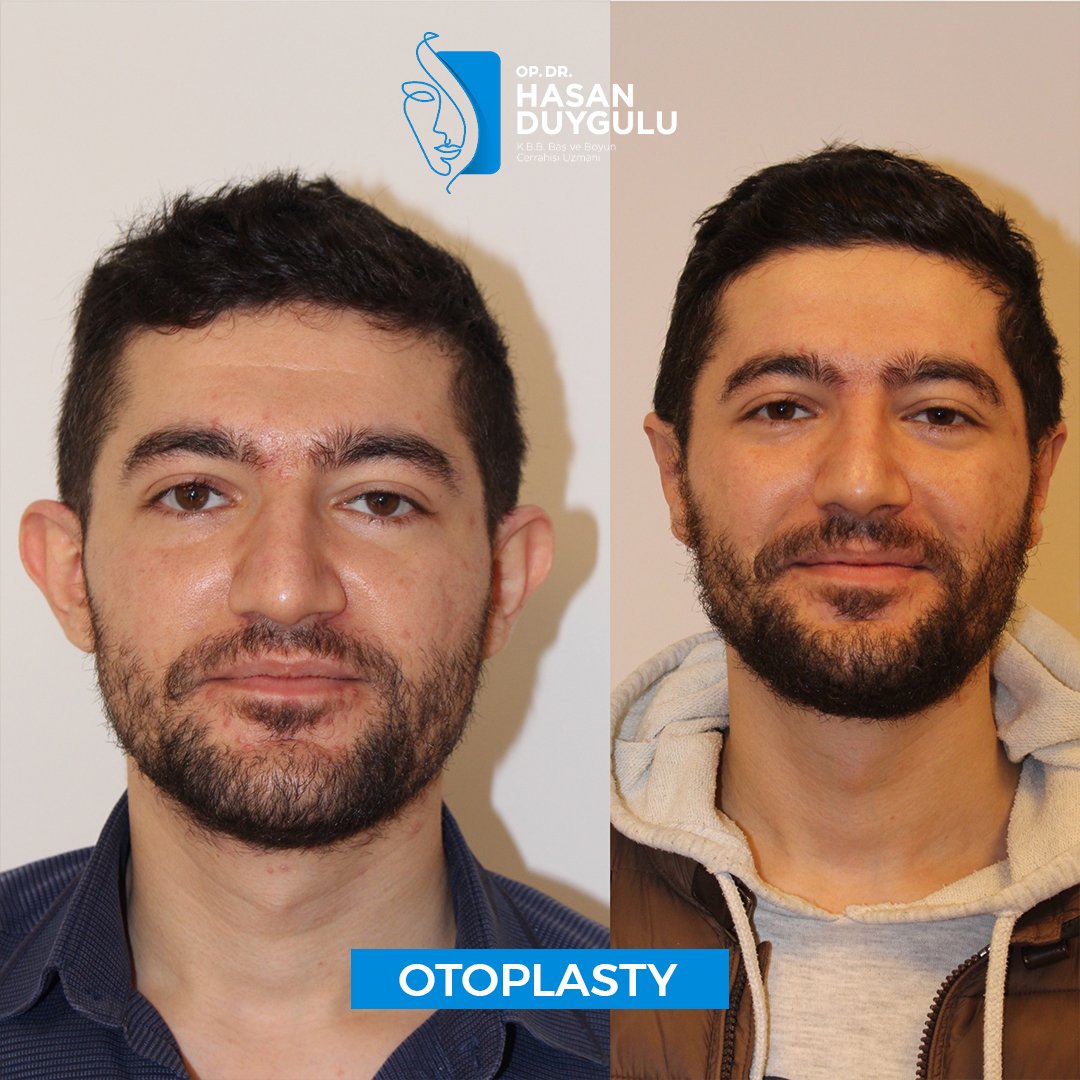

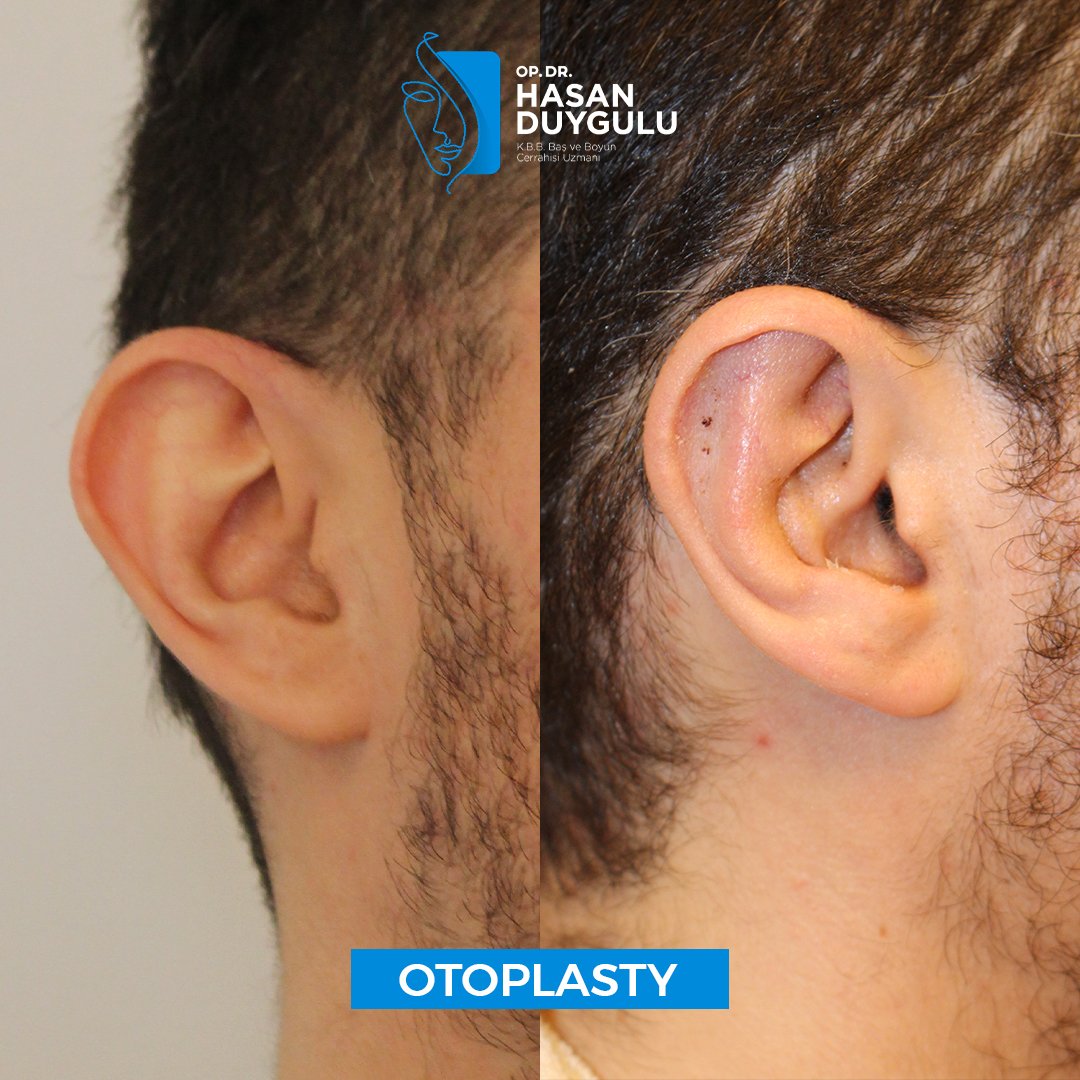
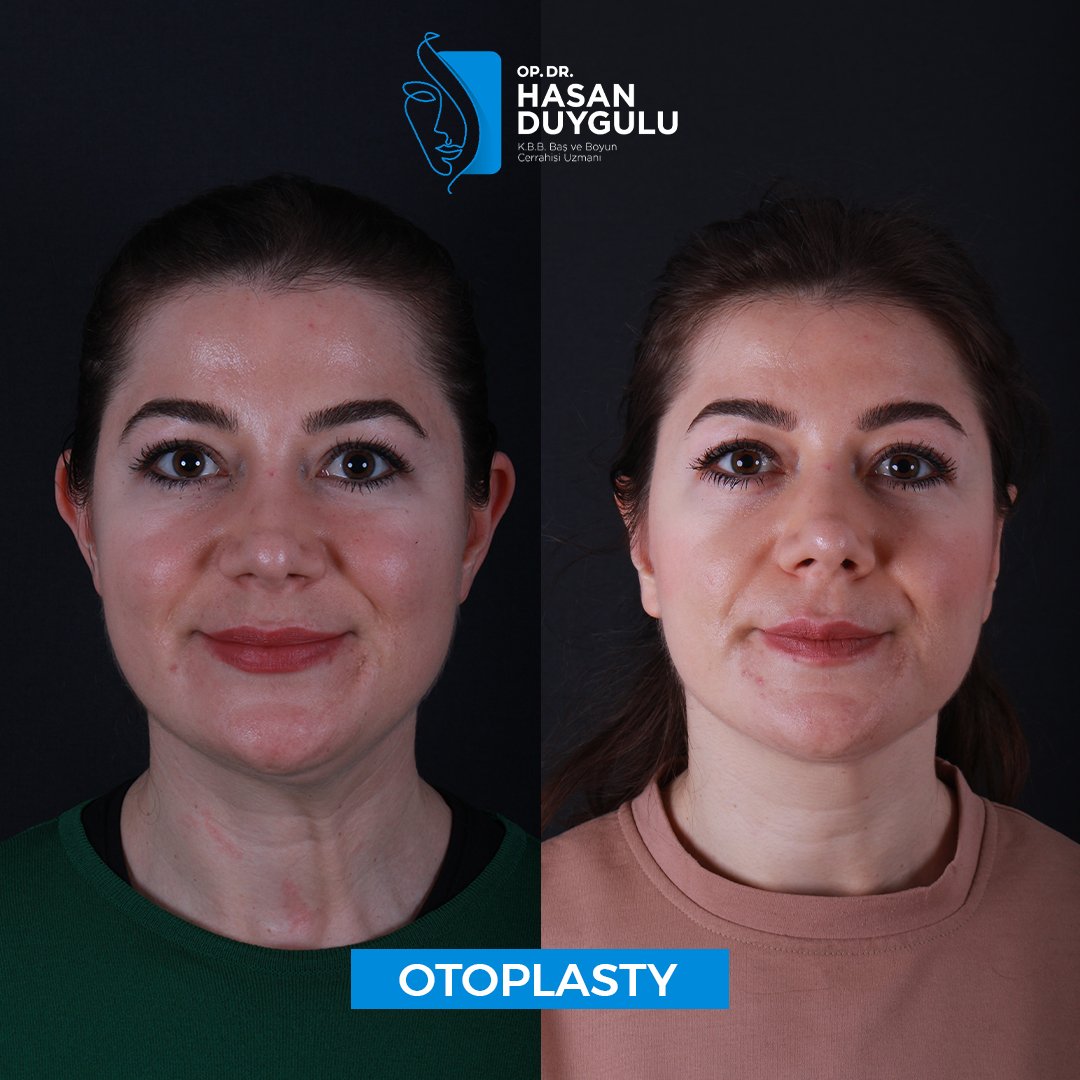
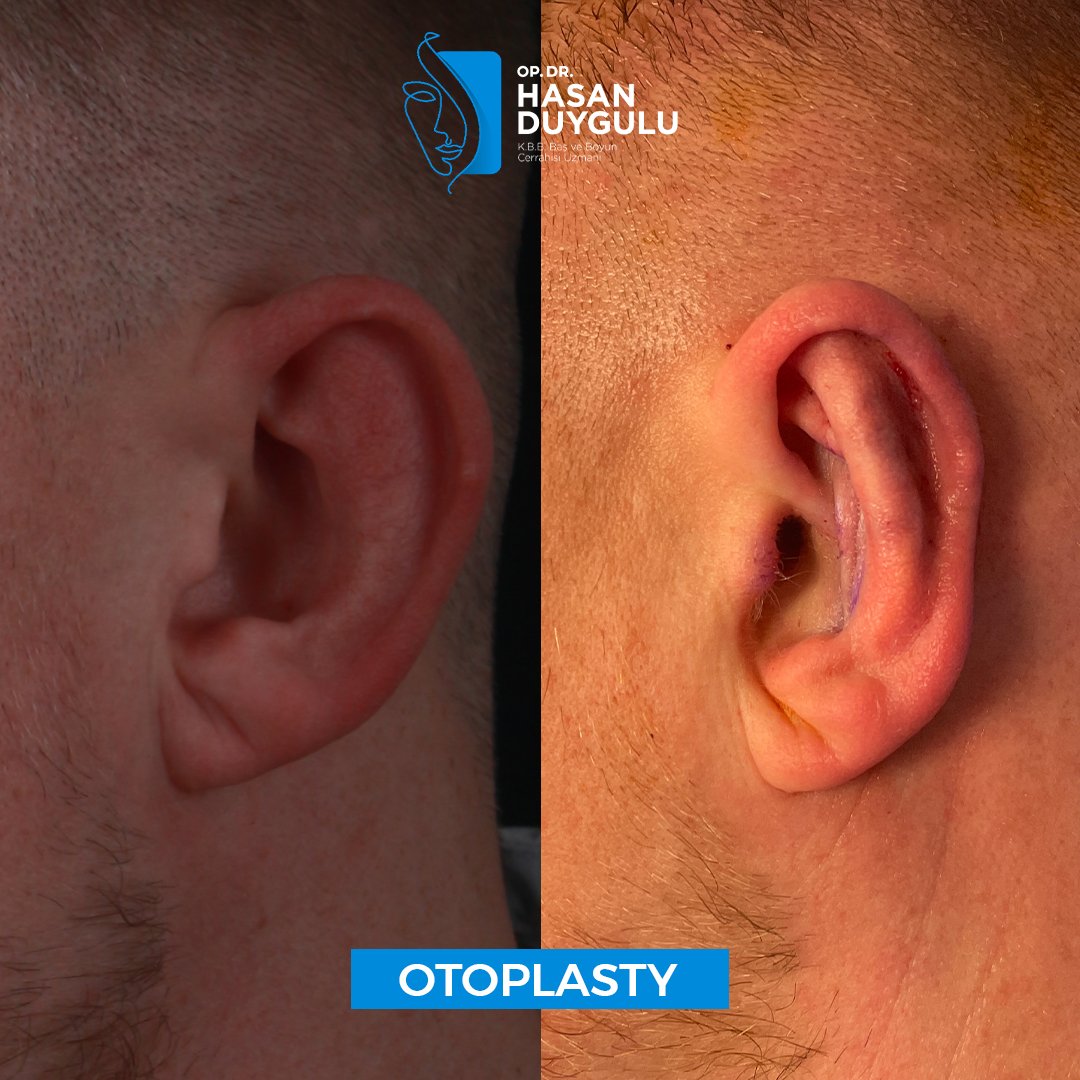
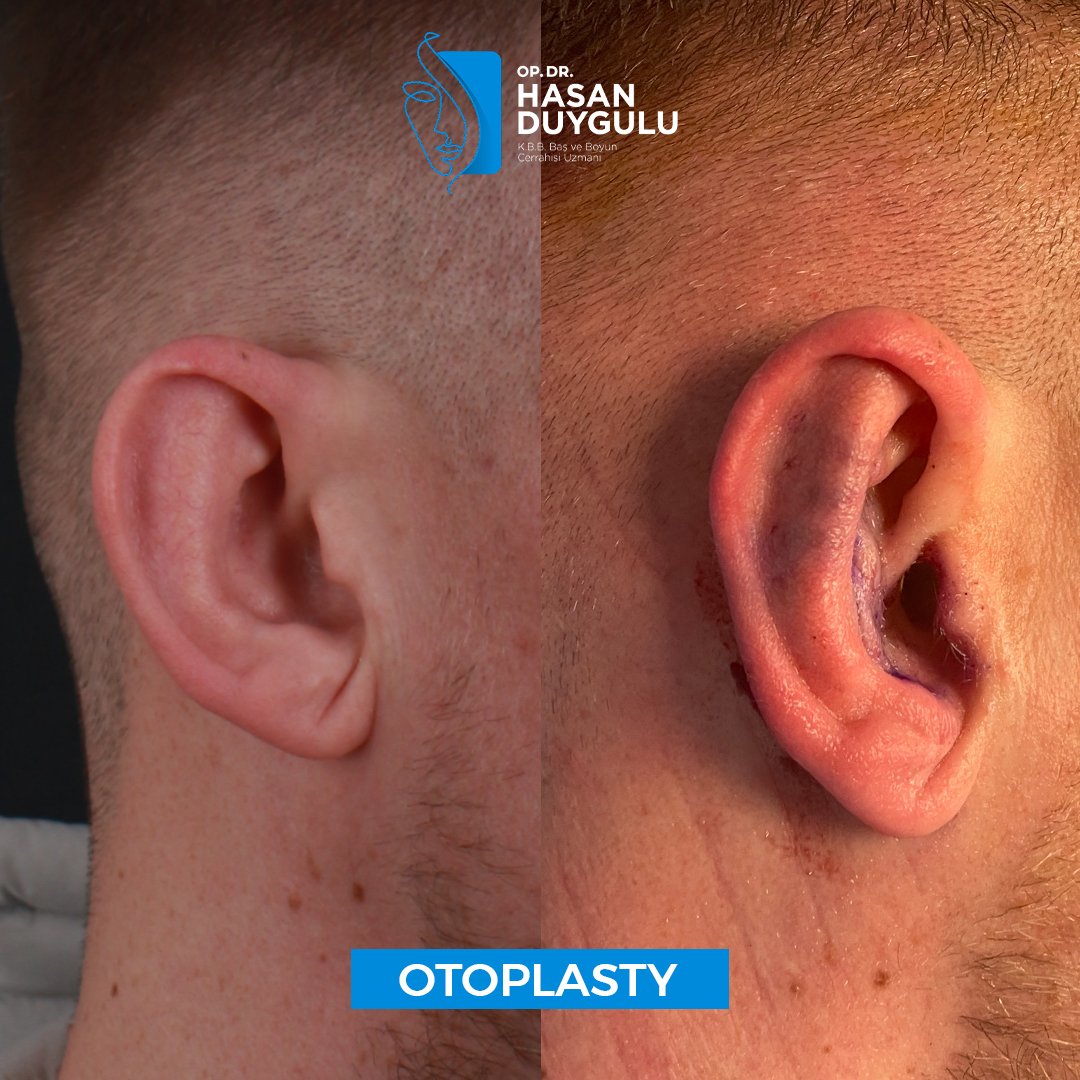


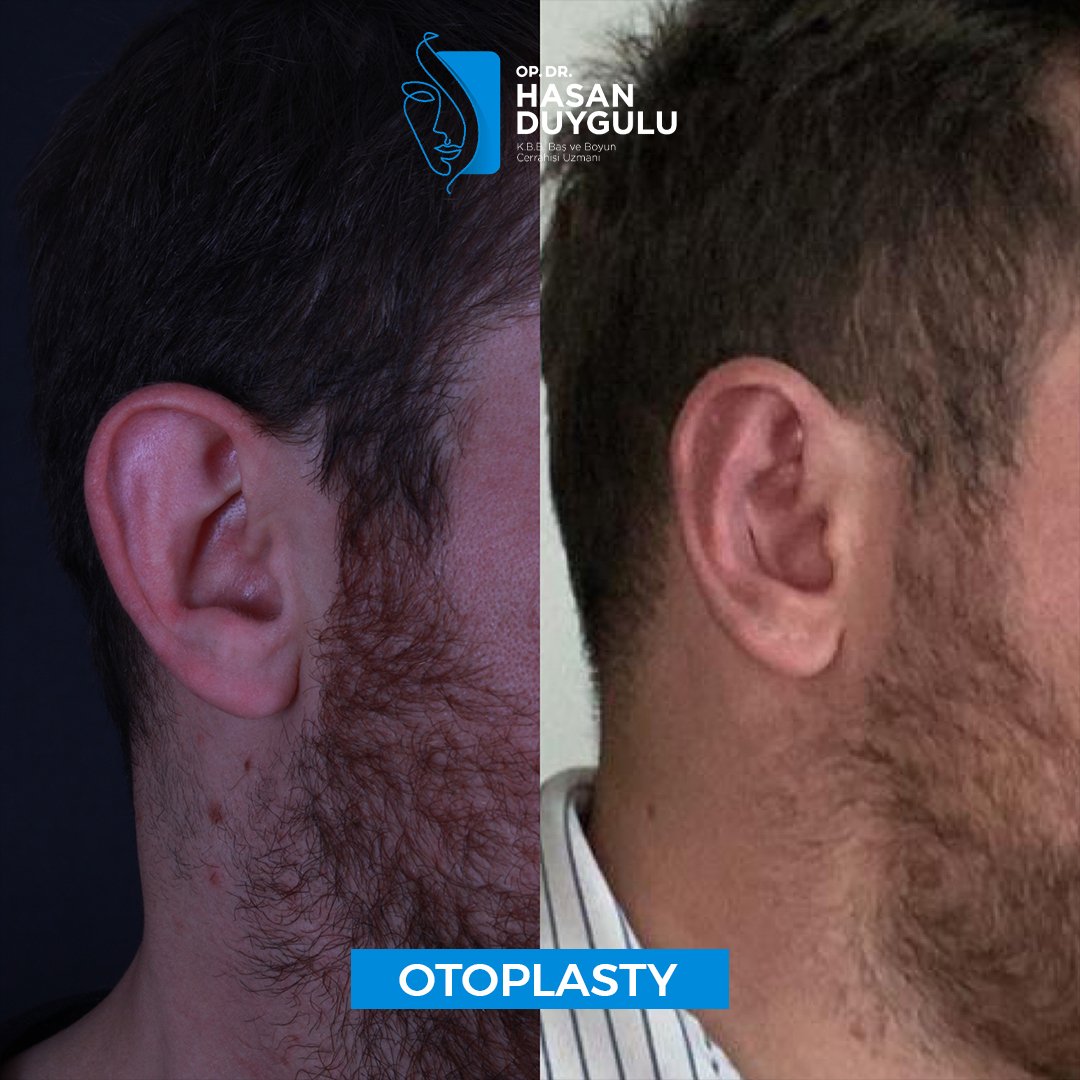
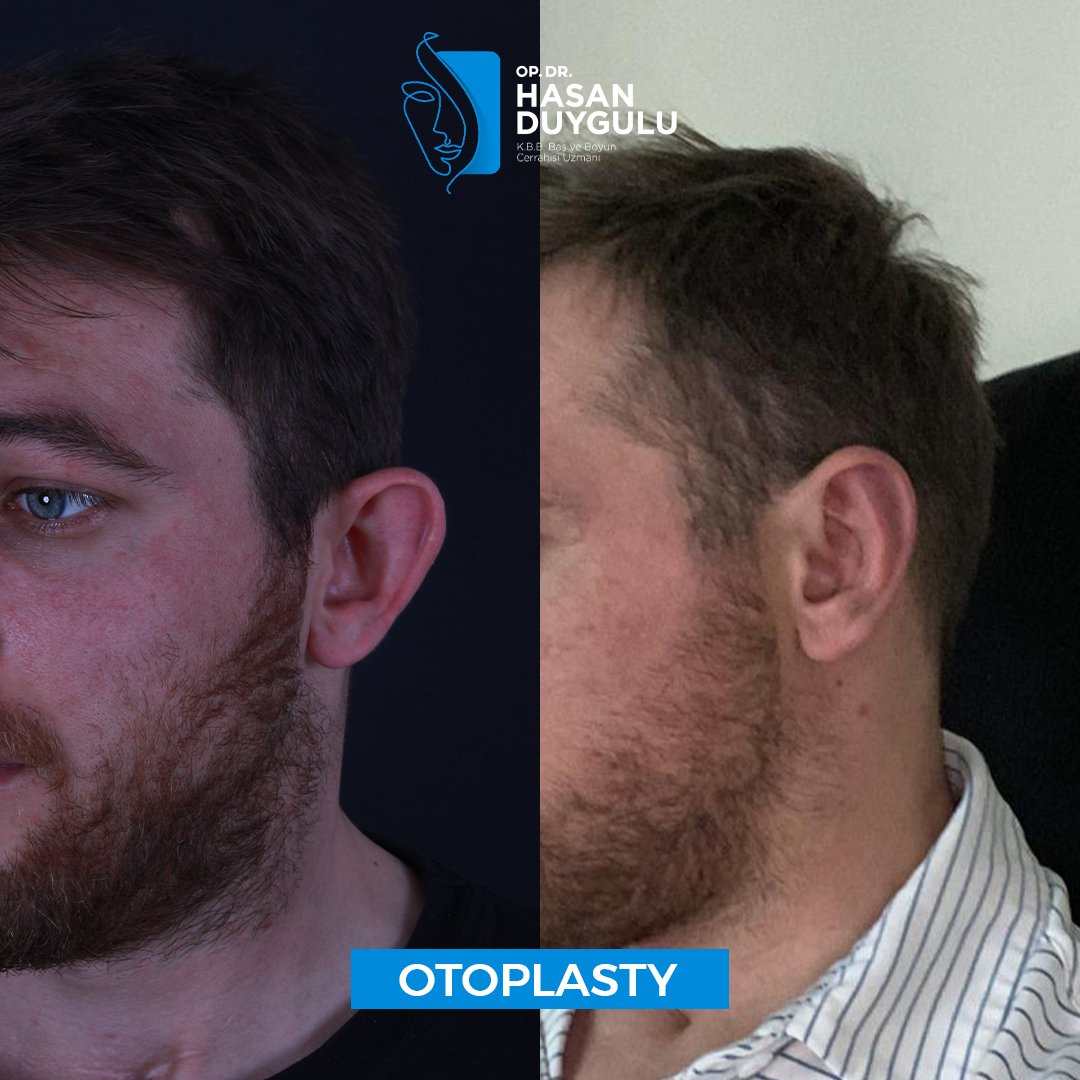
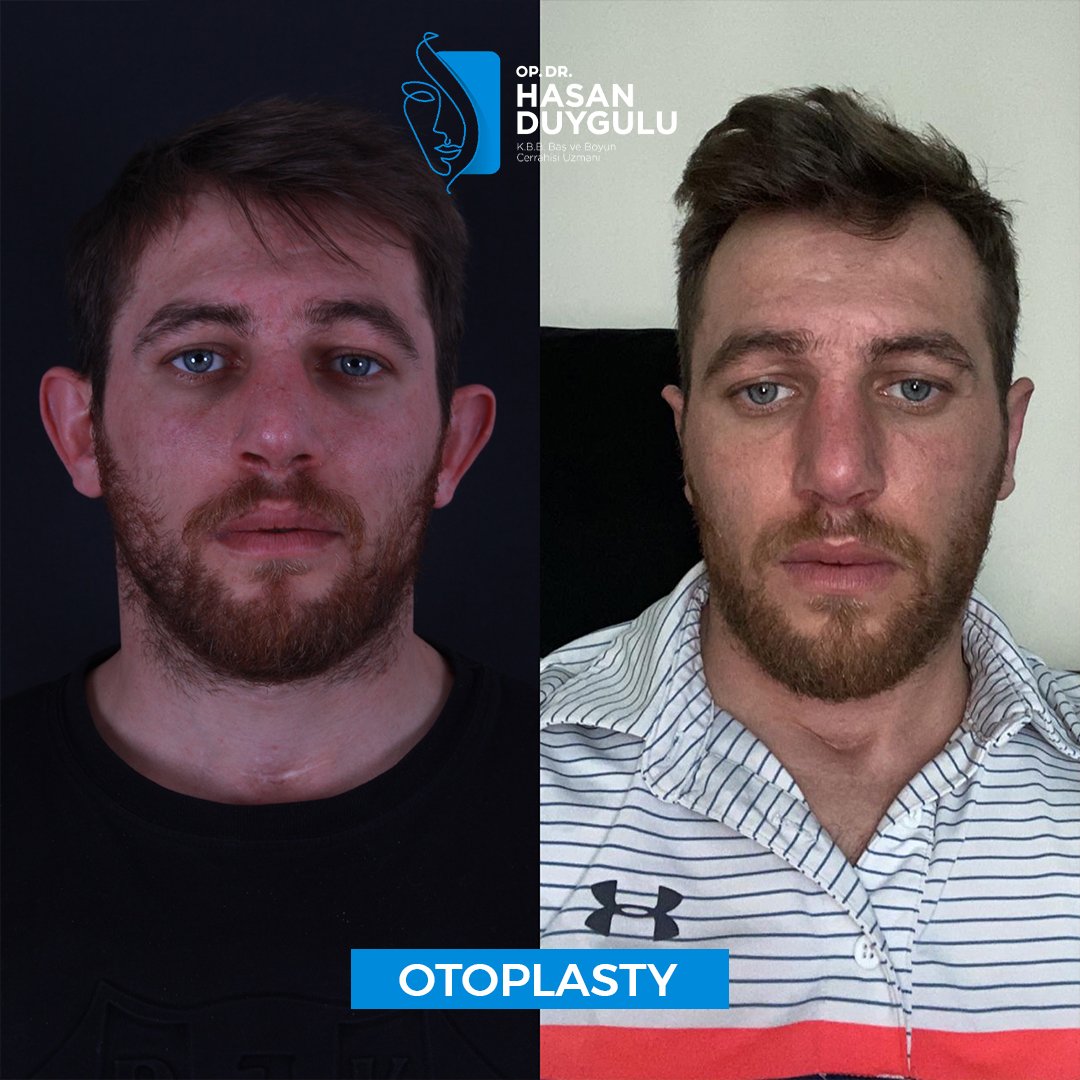

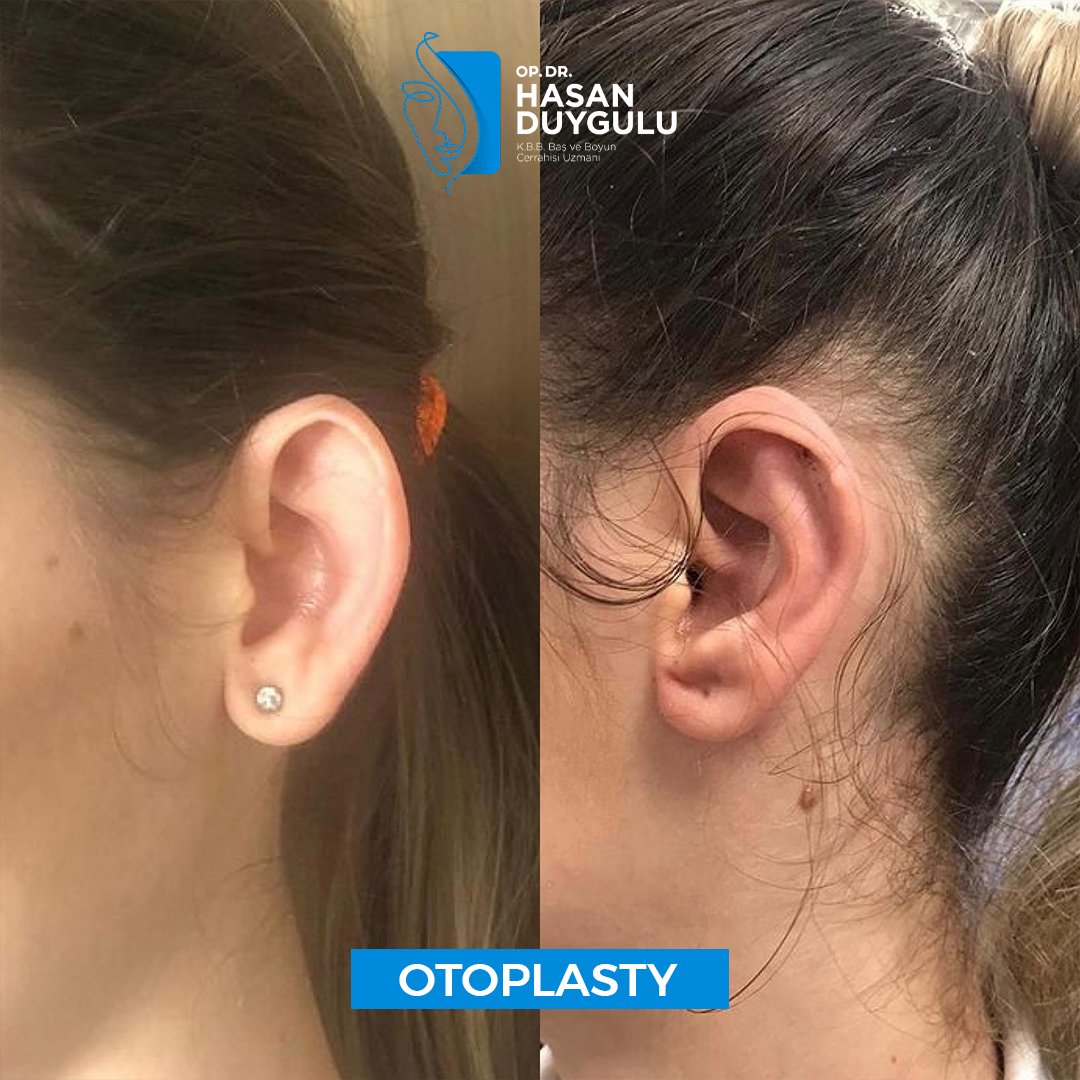
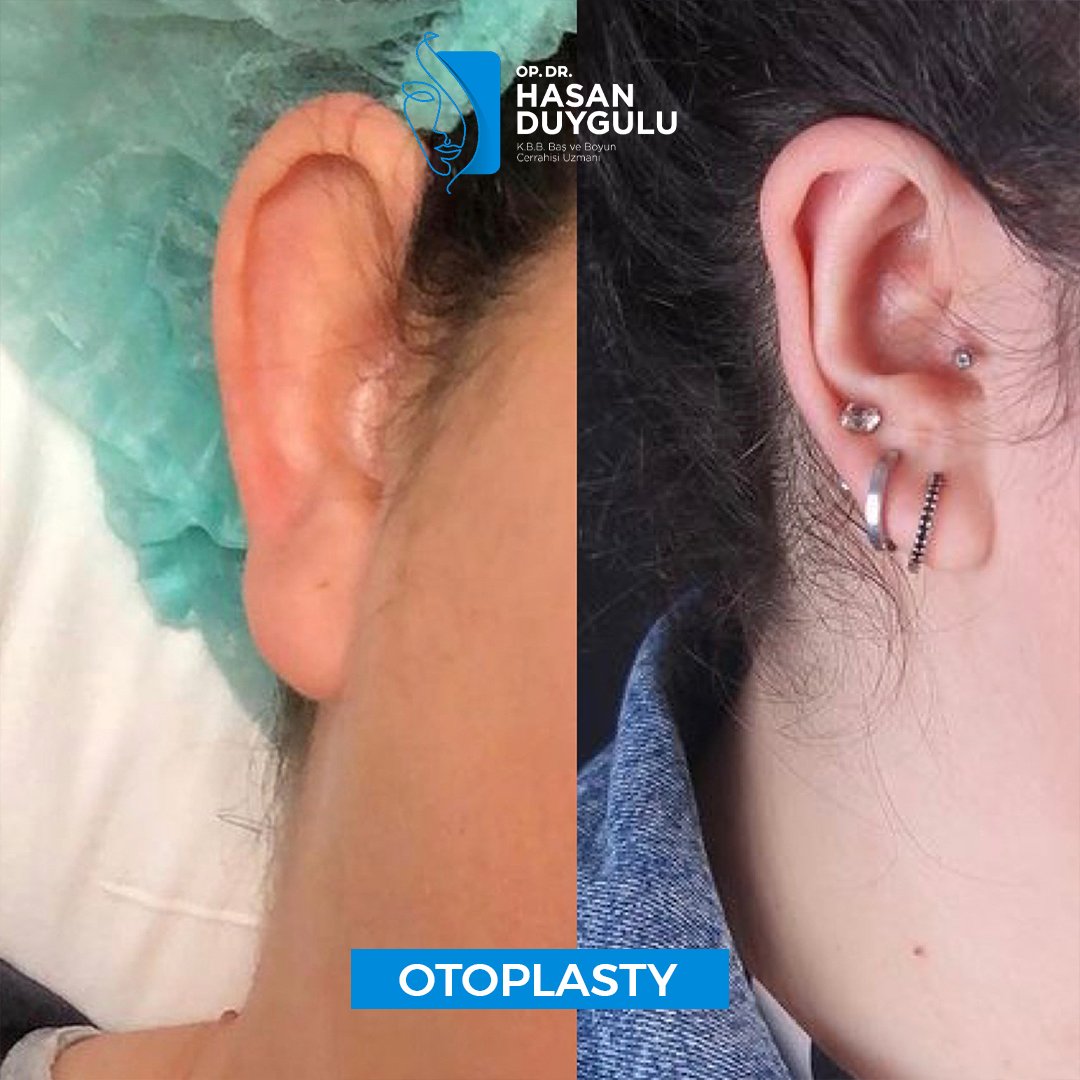
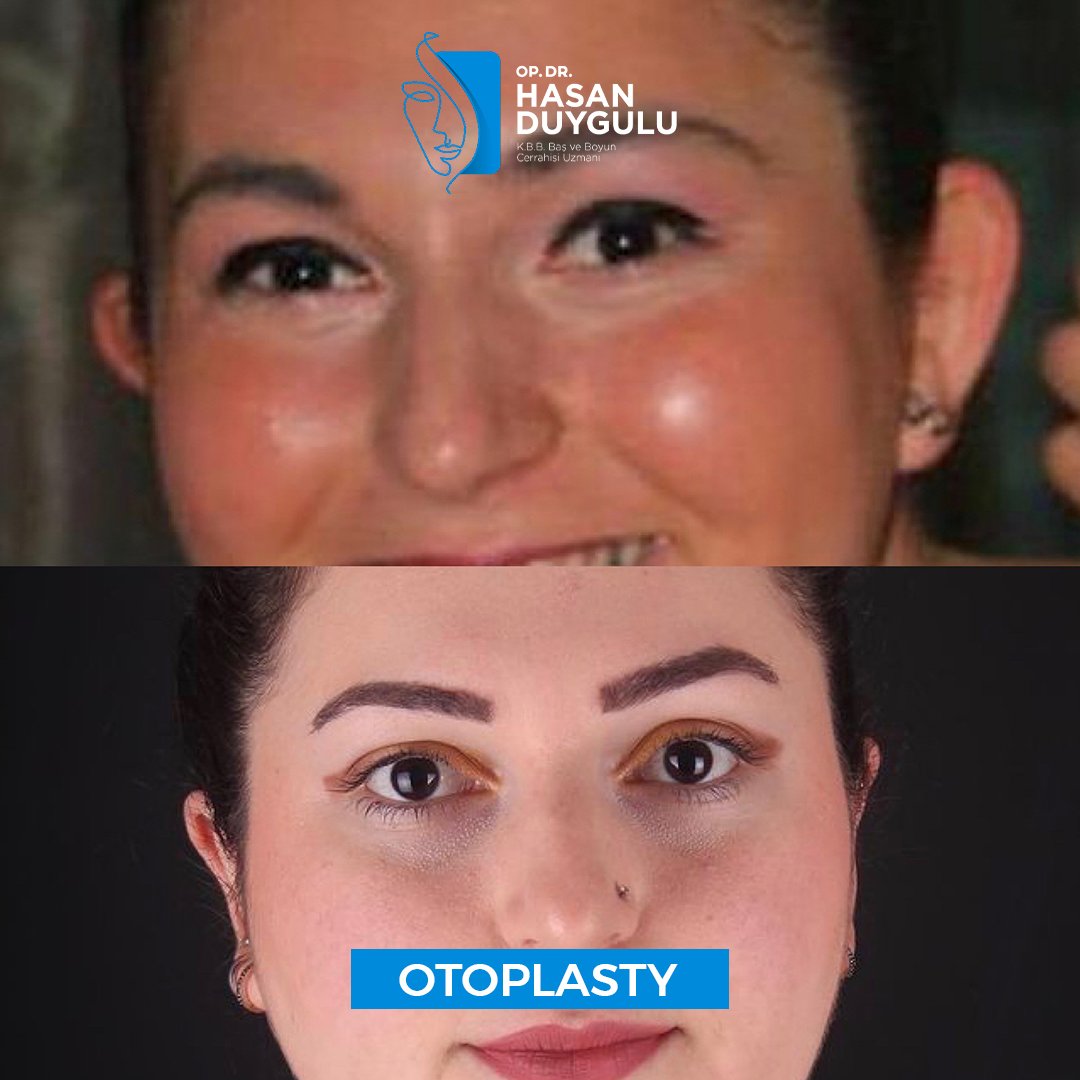
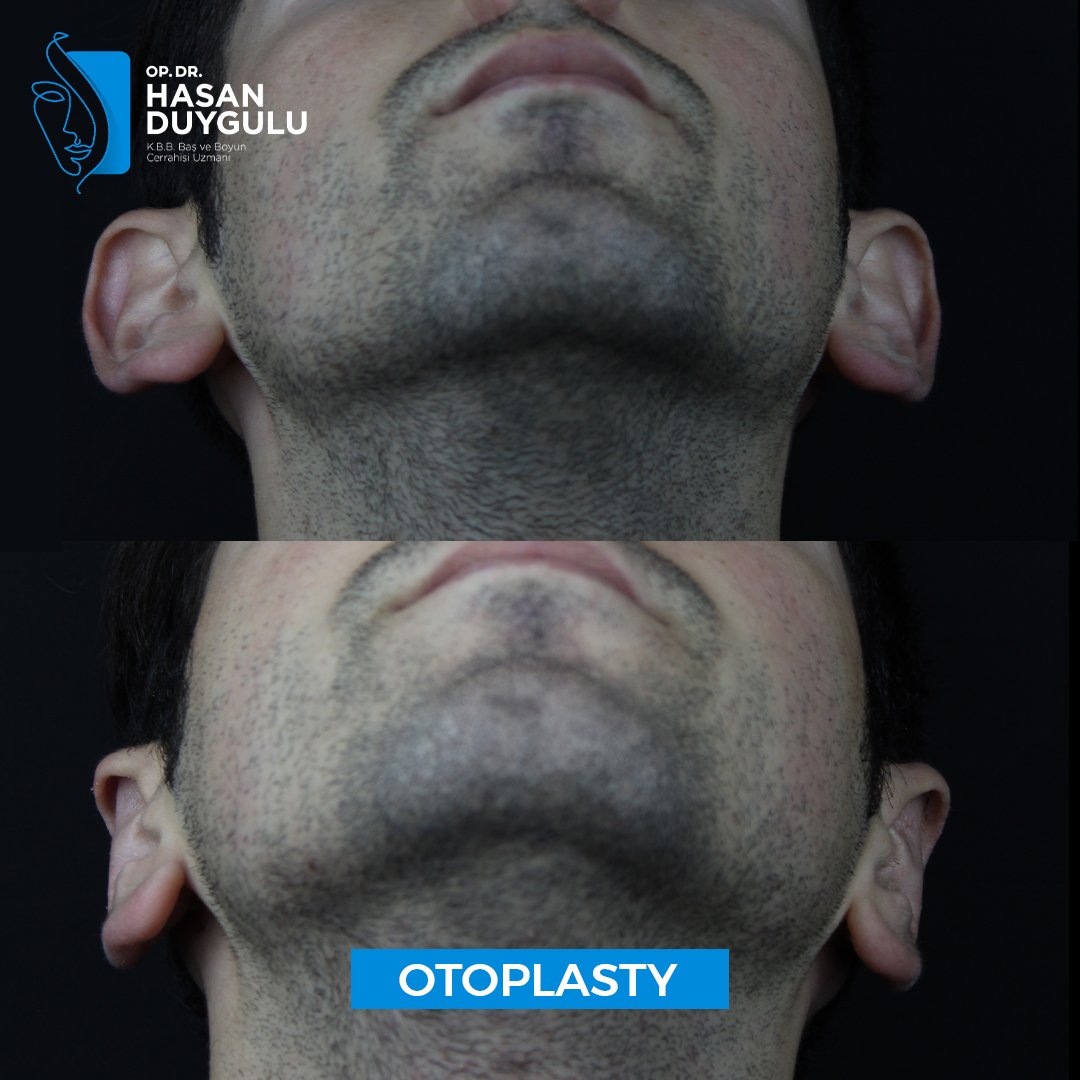
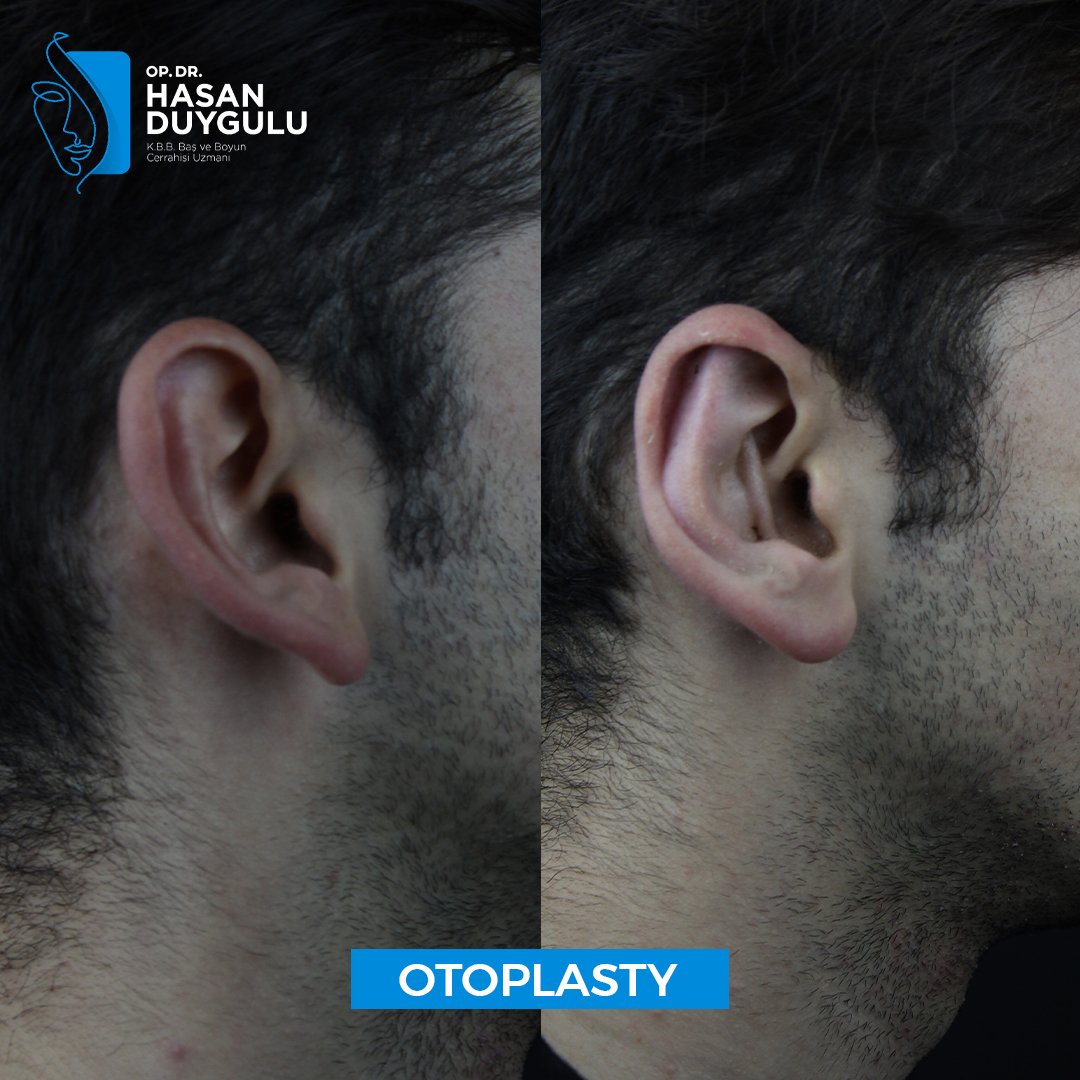
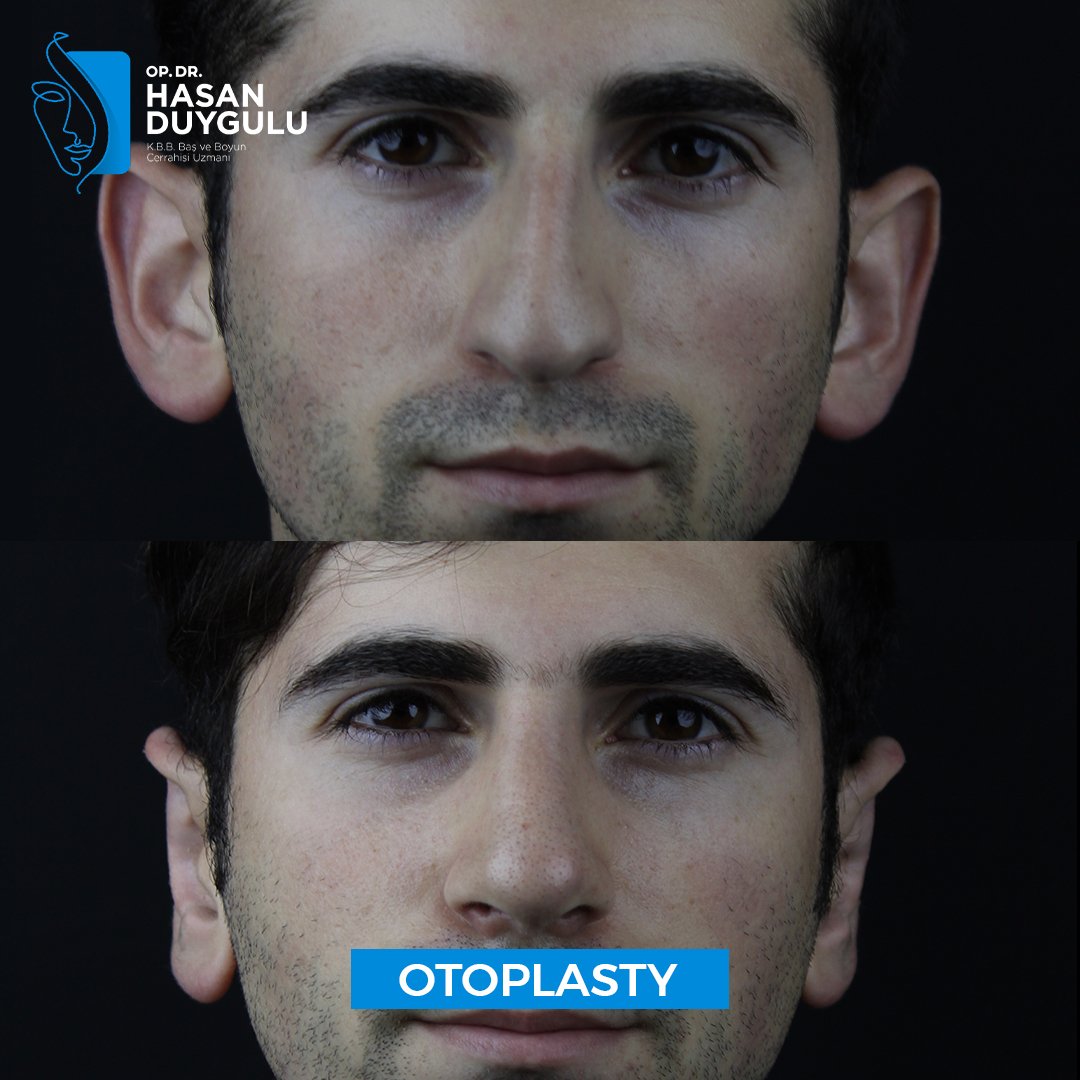
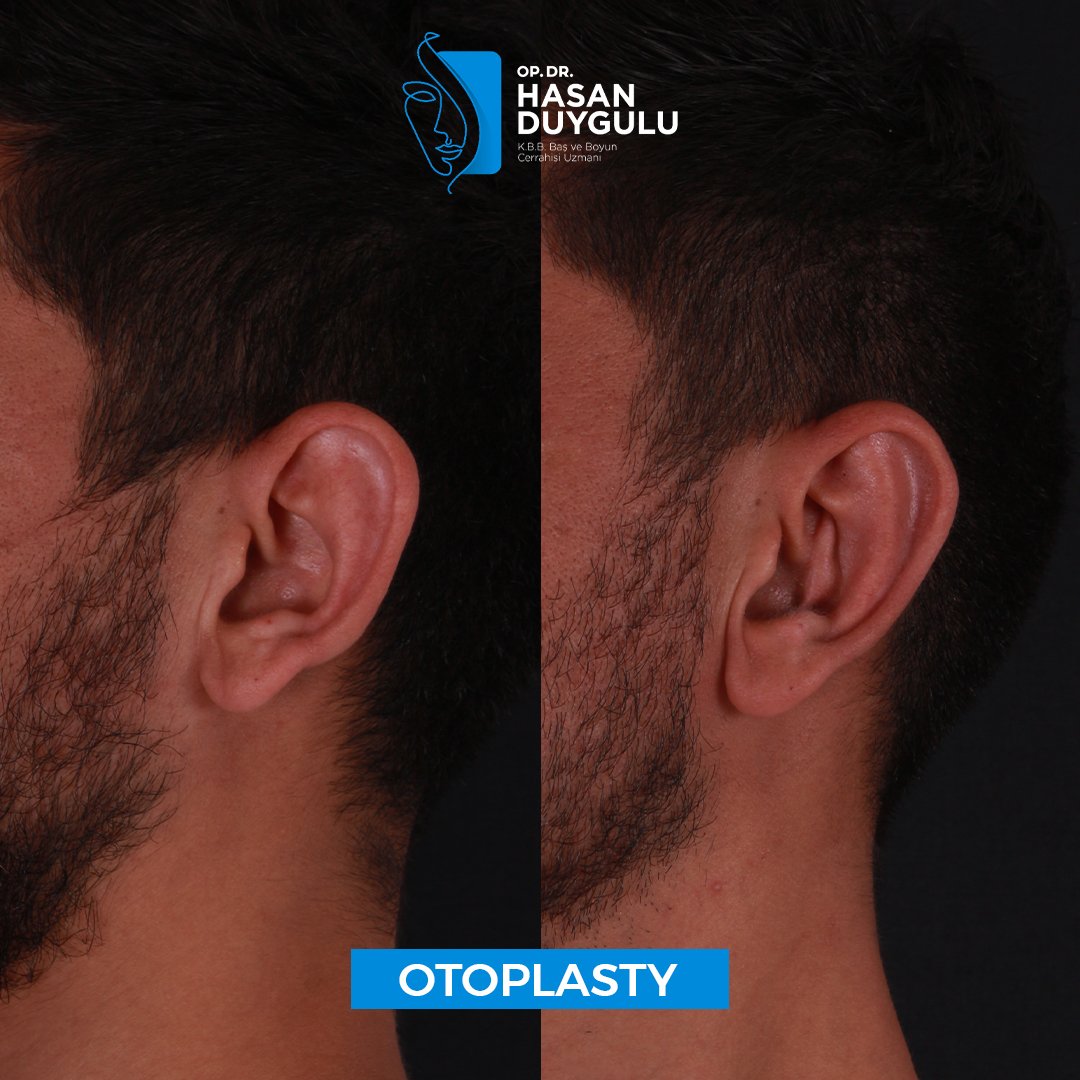
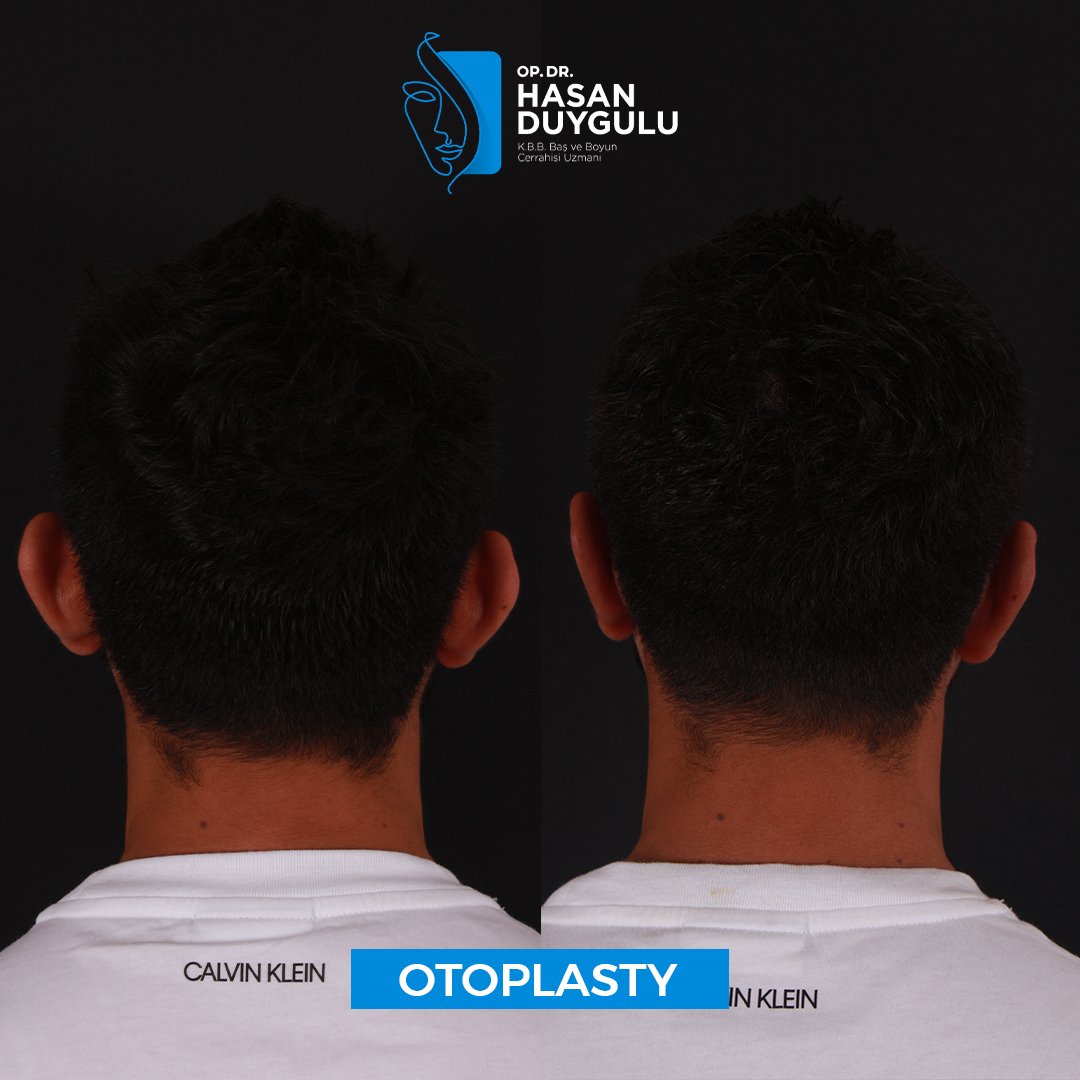
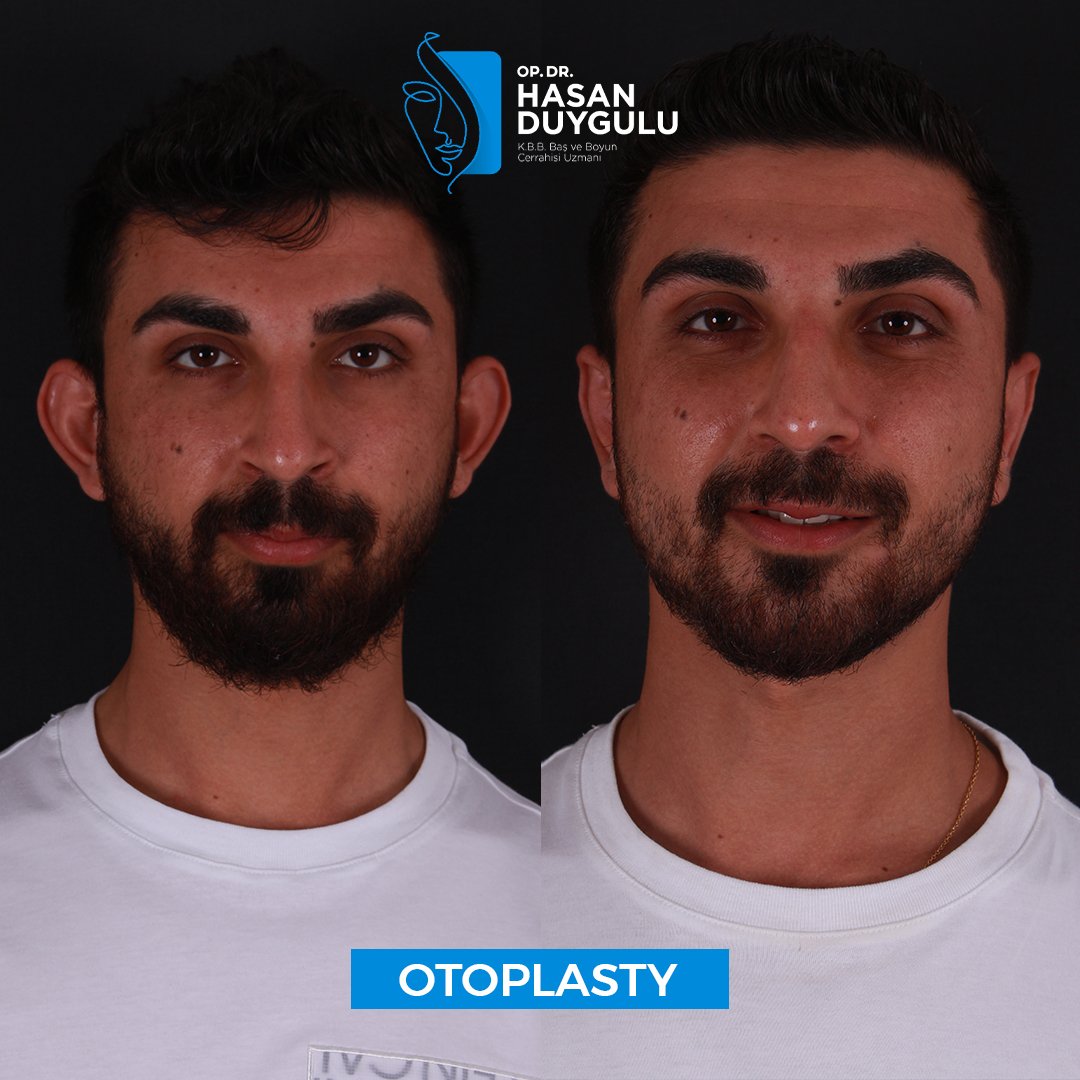

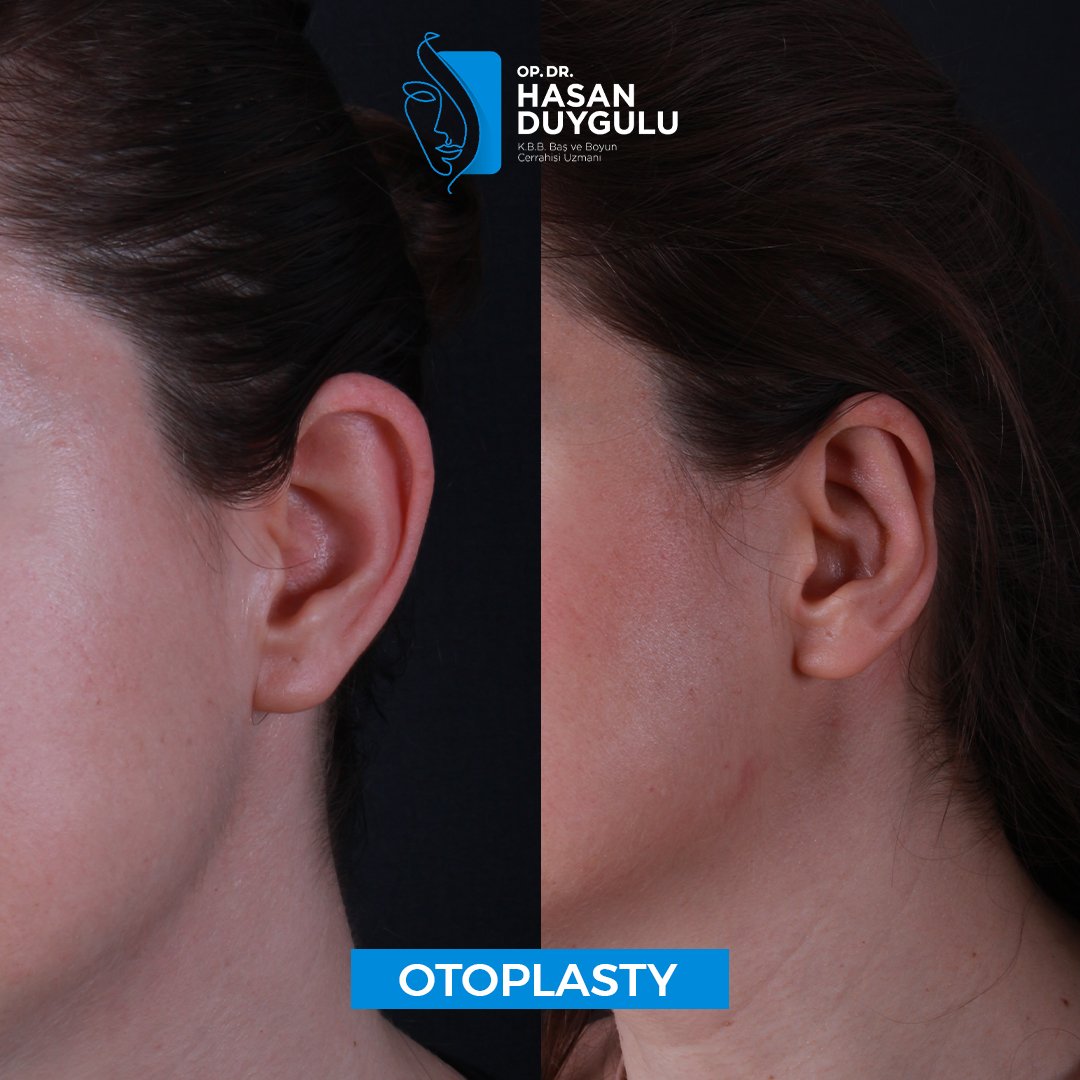

What is Ear Reduction Surgery?
Ear reduction surgery, or otoplasty specifically for macrotia correction, is a surgical procedure aimed at decreasing the overall size of the ears. This differs from traditional otoplasty, which primarily addresses prominent ears by pinning them closer to the head. Macrotia correction focuses on reducing the actual dimensions of the ear, often by excising excess cartilage and skin.
The procedure addresses underlying anatomical issues such as an overdeveloped concha, an excessively large scapha, or an elongated earlobe, all of which contribute to ears appearing disproportionately large relative to other facial features.
Key Facts about Ear Reduction:
- Purpose: To reduce the overall size of the ear.
- Medical Term: Macrotia correction or reduction otoplasty.
- Focus: Addresses excess cartilage and skin.
- Outcome: Aims for more proportionate and balanced ear size.
- Distinction: Different from ear pinning (prominent ear correction).


What Causes Large Ears?
- Genetic factors: The most common cause of large ears is inherited anatomy, and similar ear characteristics may be present among family members.
- Excessive cartilage development: Overgrowth of the ear cartilage can make the ears appear larger than average.
- Large earlobes: Naturally large or elongated earlobes can increase the overall size and prominence of the ears.
- Congenital anatomical differences: Some individuals are born with ears that are naturally longer or wider than average.
- Aging: As people age, changes in the cartilage and soft tissues of the ears may cause them to appear larger over time.
- Loss of skin elasticity: Reduced skin elasticity and weakening of the connective tissues can contribute to enlarged or elongated earlobes.
- Rare congenital conditions: In some cases, developmental abnormalities affecting the ear can result in unusually large ears from birth.
Who is the Ideal Candidate for Ear Reduction? Ear Reduction?
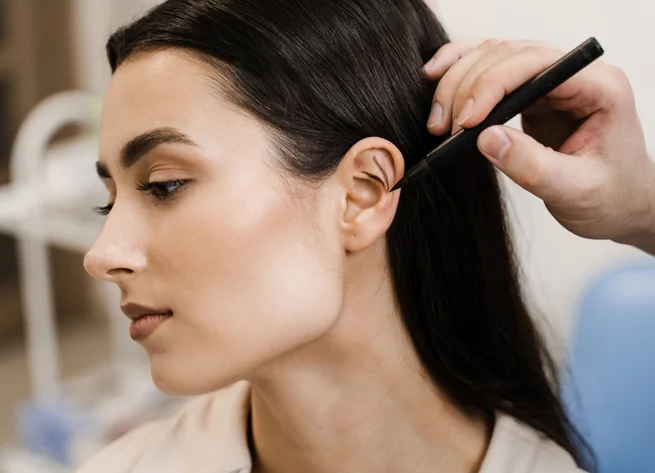
Ideal candidates for ear reduction surgery are individuals who are bothered by the size of their ears and seek a more proportionate facial appearance. The decision to undergo this procedure involves several key considerations to ensure both safety and satisfactory outcomes.
Age Considerations:
- For children, the procedure is typically performed after ear growth is largely complete, usually around 5 to 7 years of age. This ensures the ears are mature enough for stable results and allows children to avoid potential social difficulties.
- Adults of any age who are in good general health are also excellent candidates for ear reduction surgery.
Health Requirements:
- Candidates should be in good overall physical health, free from medical conditions that could impair healing or increase surgical risks.
- Non-smokers, or those willing to quit smoking well in advance of the surgery, have significantly better healing outcomes.
- Individuals should not have active ear infections or other chronic ear conditions.
Psychological Readiness and Realistic Expectations:
- A crucial aspect of candidacy is having realistic expectations about the surgical outcome. While ear reduction can dramatically improve facial harmony, achieving “perfect” symmetry is rare, as natural ears often have slight asymmetries.
- Candidates should be psychologically mature and able to articulate their aesthetic goals clearly.
- The procedure is an investment in personal well-being, aiming to alleviate self-consciousness and boost confidence, rather than striving for an unrealistic ideal.

Who is NOT a Good Candidate for Ear Reduction?
Ear reduction surgery may not be suitable for every patient, and in some cases, waiting or choosing a different procedure entirely may be the better option.
- Ears that are prominent but not oversized: If the ears protrude but are of a normal size, traditional otoplasty (ear pinning) is generally the more appropriate procedure, not ear reduction.
- Children whose ear growth is not yet complete: Operating before the ear has largely finished developing (typically before 5–7 years of age) can compromise long-term stability of the result.
- Patients with unrealistic expectations: Ear reduction can meaningfully improve proportion and balance, but it cannot guarantee flawless symmetry.
- Active smokers or patients with uncontrolled health conditions: These factors may negatively affect healing and increase the risk of complications.
- Patients with active ear infections or chronic ear conditions: These should be resolved before any surgical planning begins.
- Patients who are uncertain about surgery: The decision should be made after a detailed evaluation and clear discussion between the patient and the surgeon.
How Ear Reduction Improves Facial Proportions
One of the primary goals of ear reduction surgery is not simply to make the ears smaller, but to create better facial proportions. Well-balanced ears should complement the overall facial structure without drawing unnecessary attention. When the ears are disproportionately large, they can dominate the facial profile and make other facial features appear less harmonious.
During the planning stage, your surgeon carefully evaluates the relationship between the ears, forehead, eyes, nose, jawline, and overall head size. Rather than applying the same technique to every patient, the amount of cartilage and soft tissue removed is customized according to each individual’s anatomy and aesthetic goals.
By reducing excessive ear width, height, or enlarged structures such as the helix, scapha, concha, or earlobe, ear reduction surgery helps create a more balanced appearance while preserving the ear’s natural contours. The objective is to achieve ears that look proportionate—not noticeably smaller or surgically altered.
This individualized approach allows the ears to blend naturally with the rest of the face, resulting in improved facial symmetry, a softer profile, and a more refined overall appearance. The final outcome is designed to enhance facial harmony while maintaining each patient’s unique characteristics.

How is Ear Reduction Surgery Performed?
Surgical approaches used in otoplasty in Istanbul, Turkey are as follows:

Anesthesia
The procedure is typically performed under local anesthesia.

Incision Procedure
Minimal incisions are made in the natural folds of the ear or behind it, keeping any resulting scars discreet.

Reshaping
The excess cartilage and skin contributing to the ear's size are carefully removed, and the remaining structure is reshaped to a smaller, proportionate size.

Final Touch
Once the desired size is achieved, the incisions are closed with fine stitches, made to be hidden behind the ear.
The Ear Reduction Procedure at Hasan Duygulu
- Initial Consultation & Analysis Your ear anatomy is carefully evaluated in detail — size, shape, and proportion relative to your face — your medical history is reviewed, and your aesthetic goals are thoroughly discussed.
- Anesthesia The procedure is performed under local anesthesia to ensure patient comfort while allowing a faster recovery and same-day discharge.
- Surgical Approach & Technique Incisions are placed in the natural folds of the ear or behind it. The surgeon determines the areas requiring reduction — helix, concha, and/or earlobe.
- Correction & Reshaping Excess cartilage and/or skin is carefully removed or reshaped to reduce the ear’s overall size while preserving its natural curves.
- Closing Incisions The incisions are meticulously closed with fine sutures placed to minimize visible scarring.
- Bandaging A protective head bandage is applied to support the ears, reduce swelling, and protect the new shape during initial healing.

What are the Types of Ear Reduction?
Ear reduction surgery involves a variety of precise surgical approaches, customized to the individual’s unique ear anatomy and desired outcome. A skilled surgeon will assess the specific areas of the ear that require reduction, which may include the helix, concha, or earlobe, to achieve a balanced and natural result. While non-surgical alternatives exist for minor ear reshaping (like ear molding for infants), they are generally not effective for significant ear size reduction.
Modern techniques prioritize minimal scarring and the preservation of natural ear contours, moving beyond a ‘one-size-fits-all’ approach to ensure the outcome complements the patient’s overall facial features.
Cartilage Reshaping and Excision
Cartilage reshaping and excision is the most commonly used technique in ear reduction surgery. During the procedure, the surgeon carefully removes or reshapes selected portions of the ear cartilage to reduce the overall size while preserving the ear’s natural contours and symmetry. Depending on the patient’s anatomy, the reduction may involve the helix, scapha, concha, or a combination of these structures. The amount of cartilage removed is carefully planned to achieve a balanced, proportionate appearance without compromising the structural support of the ear.
Earlobe Reduction (Lobuloplasty)
Lobuloplasty is a surgical procedure specifically designed to reduce the size of overly large, elongated, or stretched earlobes. This can be performed as a standalone procedure or in conjunction with a full ear reduction. The technique involves carefully removing a wedge or a specific pattern of skin and tissue from the earlobe, then suturing the remaining edges to create a smaller, more proportionate earlobe.

Things to Do Before Ear Reduction Surgery
- Share your expectations and concerns with our medical team so we can plan the right approach for your anatomy.
- Complete a general health evaluation. If you have allergies or chronic conditions, be sure to disclose them.
- Stop smoking and consuming alcohol for a period before surgery, as advised by your surgeon.
- Follow the pre-operative instructions provided by your surgeon before your local anesthesia procedure.
- Ask any questions you have — you’ll be given detailed information about the procedure beforehand.
Things To Do After Ear Reduction Surgery
- Follow all instructions provided by our team; doing so accelerates your healing process.
- Eat well and stay hydrated to support recovery.
- Avoid heavy physical activity for the period recommended by your surgeon.
- Avoid alcohol and smoking for a period after surgery.
- Attend all scheduled follow-up appointments so we can monitor your healing and address any concerns early.
Comparison Guide: Ear Reduction vs. Otoplasty
Understand the key differences between the two procedures.
Feature | Ear Reduction Surgery | Otoplasty |
Primary Purpose | Reduces the overall size of the ears to create better facial harmony. | Repositions prominent ears closer to the head without significantly changing their size. |
Ideal Candidates | Individuals with excessively large ears, enlarged earlobes, or oversized ear cartilage. | Individuals with normal-sized ears that protrude outward. |
Surgical Technique | Removes excess cartilage, skin, and/or soft tissue to decrease ear dimensions. | Reshapes, folds, or repositions the ear cartilage to improve ear position. |
Ear Size | Significantly reduces the size of the ears. | Generally preserves the original ear size. |
Main Aesthetic Goal | Creates smaller, more proportionate ears that complement the facial features. | Improves ear position, symmetry, and projection. |
Tissue Removal | Requires removal of excess cartilage and skin. | Usually involves minimal or no tissue removal. |
Scarring | Incisions placed in discreet locations to minimize visible scarring. | Incisions typically hidden behind the ear, making scars barely noticeable. |
Recovery Time | Similar to otoplasty, though swelling may be slightly greater depending on extent of reduction. | Generally straightforward, with mild to moderate swelling during the first few weeks. |
Results | Permanently reduces ear size while maintaining a natural appearance. | Permanently corrects ear prominence while preserving natural ear anatomy. |
Unsure which procedure is right for you? Get custom advice based on your ear anatomy and aesthetic goals.
Your Recovery Journey After Ear Reduction Surgery
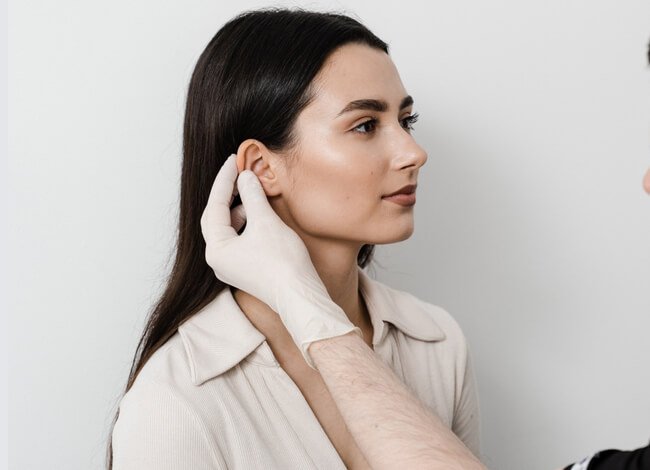
Days 1–3: Initial Recovery: Bandages are worn around the ears to protect them and support healing. Mild discomfort, swelling, and bruising are normal and manageable with prescribed pain medication. Rest is essential — keep your head elevated, even while sleeping.
Weeks 1–2: Bandage Removal & Early Healing: Bandages are typically removed within the first week during a follow-up appointment. A soft headband may be worn, especially at night, to support the ears. Most patients return to light, non-strenuous activities during this period.
Months 1–3: Gradual Return to Activity: Swelling and bruising continue to subside. Normal activities, including exercise, can gradually resume once cleared by your surgeon. Contact sports and activities that could impact the ears should be avoided for several months.
Months 3–6: Final Results Emerge: The final shape of the ears becomes more apparent as all residual swelling resolves, and scars continue to mature and fade.
Ear Reduction Cost in 2026: Understanding Your Investment
The cost of ear reduction surgery varies depending on individual factors such as ear anatomy, the extent of correction required, and the surgical technique used. During your consultation, our medical team will conduct a thorough evaluation and provide a personalized, transparent quotation tailored to your specific needs.
Cost Factors for Ear Reduction Surgery in 2026:
- Surgeon’s Fee: This is based on the surgeon’s experience, reputation, and the complexity of the procedure.
- Anesthesia Fees: Costs associated with local anesthesia and the surgical team.
- Facility Fees: Charges for the use of the surgical facility, including operating room time and equipment.
- Pre- and Post-Operative Care: This often includes initial consultations, follow-up appointments, and necessary post-operative supplies.
- Geographic Location: Prices can vary depending on the region or city where the surgery is performed.
While average costs for ear reduction in 2026 can range widely, a detailed, personalized quotation will be provided after your consultation.
Ask Our Experts!
You can fill out the form to get answers to all your questions and detailed information about treatments.
Choosing the Right Surgeon for Your Ear Reduction
Selecting the right surgeon is the most critical decision in your ear reduction journey. An experienced and skilled surgeon will not only ensure your safety but also achieve the balanced, natural-looking results you desire.
What to Look for in an Ear Reduction Surgeon:
- Board Certification: Ensure the surgeon is board-certified in plastic surgery, indicating they have met rigorous standards of training and expertise.
- Specialized Experience in Otoplasty: Look for a surgeon with extensive experience specifically in ear reduction and reshaping procedures.
- Patient Reviews and Testimonials: Read feedback from previous patients to gauge their satisfaction with the surgeon’s results and patient care.
- Extensive Before & After Gallery: Review a comprehensive portfolio of their previous ear reduction cases to assess the quality and consistency of their work. Pay attention to the naturalness and balance of the results.
- Clear Communication Style: Choose a surgeon who listens attentively to your concerns, clearly explains the procedure, and manages expectations realistically.
- Accredited Facility: Confirm that the surgical facility is accredited, ensuring it meets high standards for safety and patient care.
- Artistic Eye: Beyond technical skill, an exceptional surgeon possesses an artistic eye, capable of sculpting ears that complement your overall facial features rather than just reducing size.

Ask Our Experts!</span
You can fill out the form to get answers to all your questions and detailed information about treatments.
FAQ About Rhinoplasty in Turkey
How long does it take to recover from rhinoplasty?
You may be healed 1-2 weeks after rhinoplasty. However, you have to wait 6 months to see clear results.
Is Turkey safe for rhinoplasty?
Yes. Turkey is one of the reliable countries for rhinoplasty. Turkey has become an important choice in aesthetic and health tourism in recent years.
How long should I stay in Turkey for rhinoplasty?
You must stay in Turkey for 2 weeks for rhinoplasty. However, this time may vary depending on the type of surgery, your recovery speed, and your surgeon’s recommendations.
How soon after rhinoplasty can I return to work?
You can return to work 7 to 10 days after rhinoplasty. However, this period may vary depending on your recovery speed.
Will there be any scars after rhinoplasty?
After rhinoplasty, there will be no scar left on your nose. Because the incisions are stitched very thin and heal over time.
FAQ About Ear Reduction Turkey
Is ear reduction painf
During the surgery, you will not feel pain due to anesthesia. Post-operatively, most patients experience mild to moderate discomfort, which is effectively managed with prescribed pain medication.
How long do results last?
The results of ear reduction surgery are considered permanent. Once the cartilage and skin are reshaped and healed, the new ear size and shape will remain stable.
Will my ears look natural?
Yes. Modern ear reduction techniques focus on maintaining the ear’s natural curves and contours, avoiding an overly “surgical” or “pinned-back” appearance.
Can I combine ear reduction with other procedures?
Yes, it is often possible to combine ear reduction with other cosmetic procedures, such as traditional otoplasty or facial rejuvenation procedures, depending on your goals and your surgeon’s assessment.
What is the best age for ear reduction?
For children, the ideal age is typically between 5 and 7 years old, once the ears have reached nearly full size. Adults of any age who are in good health and have realistic expectations are also excellent candidates.
How visible will the scars be?
Incisions are strategically placed in the natural folds of the ear or behind it to minimize visibility. Scars typically fade over time and are generally very discreet.
How many days does it take for ear reduction to heal?
Initial healing, including bandage wear, typically takes 1–2 weeks. However, the final results may take several months to fully settle as residual swelling resolves.
Is ear reduction considered a risky procedure?
Ear reduction surgery is generally safe and effective, though like any surgical procedure it carries potential risks such as infection, bleeding, asymmetry, or scarring. These risks are minimized with an experienced surgeon and by following pre- and post-operative instructions closely.
Is it safe to get ear reduction surgery in Istanbul, Turkey?
Yes, when performed by a board-certified, experienced surgeon at an accredited facility. Reviewing the surgeon’s credentials, before-and-after portfolio, and patient reviews is the best way to evaluate safety.
Can ear reduction be combined with earlobe repair or other ear procedures?
Yes. Depending on your anatomy and goals, ear reduction can often be combined with lobuloplasty or other ear aesthetic procedures during the same surgery.
How can you tell if your ears are too large?
There is no single measurement that determines whether ears are “too large,” as ear size should always be evaluated in proportion to the overall facial anatomy. A consultation with an experienced facial plastic surgeon is the most reliable way to assess this.