

Lip Fillers in Turkey, Istanbul
Opr. Dr. Hasan Duygulu
Lip fillers, also known as lip augmentation, are a non-surgical treatment that uses injectable filler to add volume, definition and shape to the lips. At his Istanbul clinic, Dr. Hasan Duygulu plans every lip filler treatment individually, based on your lip anatomy, facial proportions and goals, with the aim of a natural look. If you are considering lip fillers in Turkey, our team will guide you from your first online consultation to your final follow-up.
What Are Lip Fillers (Dermal Fillers)?
Lip fillers are injectable gel-like substances that increase volume, improve shape, define the lip border and the Cupid’s bow (the curve at the center of the upper lip) and soften fine lines around the mouth. The most commonly used lip fillers are made of hyaluronic acid, a substance that occurs naturally in the body. It attracts and holds water, which adds volume and hydration to the lips. Hyaluronic acid fillers are well tolerated by most people and temporary, because the body gradually absorbs them, so the result is adjustable and can be repeated or changed over time. They are also reversible: an enzyme called hyaluronidase can dissolve the filler if needed.
Lip fillers can improve concerns such as:
- Thin lips or lips that have lost volume with age
- A flat or poorly defined lip border or Cupid’s bow
- Asymmetry between the upper and lower lip, or between the two sides
- Dry-looking lips and a rough texture
- Fine vertical lines around the lips (perioral lines)
- A wish for a fuller, more balanced lip shape without surgery
Lip fillers add volume, hydration and definition. They do not shorten a long distance between the nose and the upper lip, which is a different concern that may need a lip lift, and they do not change the structure of the teeth or jaw. Overfilling is a common reason for an unnatural look, so the goal is a balanced result that fits your face, not the biggest possible lips.
Why Choose Turkey for Lip Fillers?
Turkey is one of the most frequently preferred destinations for international patients seeking facial aesthetic treatments. Patients who research lip fillers in Turkey or lip fillers in Istanbul usually mention the following reasons:
- Experienced doctors: Many doctors in Turkey treat patients from abroad regularly and take part in international medical communities.
- Modern facilities: Treatments are performed in clinical settings that follow established protocols and hygiene standards.
- Cost advantage: Lip filler prices in Turkey are generally lower than in many Western countries, largely because of different operating costs and exchange rates.
- Coordinated patient journey: Airport transfers, accommodation support, interpreters and follow-up can be organized for you.
- Shorter waiting times: Consultations and treatments can usually be scheduled promptly.
- Istanbul as a destination: Lip fillers need only a short stay, usually about 1–3 days, and it is easy to combine with time in one of the world’s most culturally rich cities.
Choosing a destination should never be based on price alone. The doctor’s qualifications, the products used and the quality of follow-up care matter far more.
Why Patients Choose Dr. Duygulu for Lip Fillers in Istanbul
- Doctor-led care from the first consultation to the final follow-up
- Individual planning for each face, with careful attention to proportion and symmetry
- A natural-result philosophy that avoids overfilled lips and an “overdone” look
- A conservative approach that starts with a modest amount and allows a touch-up if needed
- Honest advice on whether lip fillers, a lip lift or another option suits you best
- Extensive experience in facial and head & neck anatomy, which supports safe injection
- Clear aftercare guidance and a 24/7 accessible patient coordination team for international patients
- Verified patient reviews on Google, RealSelf, Flymedi and Instagram
- A central clinic in Harbiye / Nişantaşı, Istanbul
Who Is a Good Candidate for Lip Fillers?
Lip fillers may be suitable if you:
- Are an adult aged 18 or over
- Would like fuller, better-defined or more symmetrical lips without surgery
- Want to define the lip border and the Cupid’s bow
- Notice age-related volume loss in the lips or fine lines around the mouth
- Understand that the result is temporary and may need to be repeated
- Are in good general health, with no uncontrolled medical conditions
- Have healthy skin and gums around the mouth, with no active infection or cold sore
- Have realistic expectations: a natural enhancement, not a different mouth
- Are making the decision for yourself rather than under outside pressure
Candidacy can only be confirmed through a consultation in which your lips, face, teeth, medical history and goals are assessed together.
Who May Not Be a Good Candidate?
Lip fillers may need to be postponed or may not be recommended if you:
- Are under 18
- Are pregnant or breastfeeding, since the safety of fillers in these periods has not been established
- Have an active infection, cold sore (herpes simplex) or skin condition around the mouth
- Have a known allergy to hyaluronic acid, to the filler material or to lidocaine, the numbing agent
- Have a bleeding disorder or take blood-thinning medication that cannot be safely paused
- Have an autoimmune condition, an uncontrolled medical condition or another serious illness that may affect healing
- Have a long distance between the nose and the upper lip as your main concern, where a lip lift may suit you better
- Have unrealistic expectations, such as expecting a permanent or dramatically different result, or wanting much larger lips than your anatomy can naturally carry
Your doctor will review your medical history in detail and give honest advice on whether lip fillers are right for you, even when the answer is a different treatment or no treatment.
Lip Filler Types and Techniques in Turkey
The approach is chosen after examination, not before. It depends on your lip anatomy, your skin and your goals. These are the options most commonly discussed by patients researching lip fillers in Turkey.
Hyaluronic Acid Lip Fillers
This is the most commonly used type of lip filler because of its natural look, its good tolerance and its reversibility. Hyaluronic acid products differ in softness, flexibility and how long they last. A softer, more flexible product is often chosen for volume and natural movement, and a firmer one for definition and structure. The product and the amount are chosen for your lips.
Lip Contouring (Border and Cupid’s Bow Definition)
A small amount of filler is placed along the lip border and the Cupid’s bow to sharpen the outline and improve the shape, with little or no change in overall volume.
Volume Enhancement
Filler is placed in the body of the upper and lower lip to increase fullness, with the proportion between the two lips kept natural. A lower lip that is slightly fuller than the upper lip is a common natural balance.
Needle or Cannula
Filler can be injected with a fine needle or with a blunt-tipped cannula through a small entry point. A cannula may help reduce bruising and swelling in some patients and areas. The choice depends on the area treated and your doctor’s experience.
Gradual Approach
Instead of using a large amount at once, your doctor may build the result in stages, with a follow-up and a top-up if needed, so the lips look natural and any swelling can settle before further adjustment.
Lip Fillers with Other Treatments
Lip fillers are sometimes combined with a lip lift when the distance between the nose and the lip is long, or with other treatments for the lower face, so that the whole area looks balanced.
Dr. Duygulu will explain which approach he recommends for your lips and how much filler he plans to use, as well as the alternatives.
How Are Lip Fillers Performed?
Lip filler treatment is an outpatient procedure that usually takes about 15–45 minutes of injection time, plus the time for the numbing cream to work.
- Consultation: Your doctor examines your lips and face at rest and while smiling, reviews your medical history, discusses your goals and the most suitable filler and amount, and answers your questions.
- Preparation: The treatment area is cleaned, and a numbing cream containing lidocaine is applied to the lips. It usually takes about 15–20 minutes to take effect. A local anesthetic can be added if needed.
- Injection: Once the lips are numb, your doctor injects the filler in small amounts in the planned areas with a fine needle or a cannula. The shape and volume are checked as the treatment goes on, and the filler may be gently shaped with the fingers for an even, smooth contour. You may feel mild pressure or a slight stinging. Many fillers also contain lidocaine, which adds comfort during the injection.
- Immediately after: You can review the result in a mirror, and a cold pack is applied to limit swelling. You receive written instructions on aftercare and on warning signs and can usually leave the clinic right away.
- Follow-up: Some swelling and minor bruising are common. A check or a photo-based follow-up is planned once the swelling has settled, and a small adjustment can be considered if needed.
Lip Fillers and Related Facial Procedures
Lip fillers are often planned together with treatments for the lip shape, chin and lower face to create a balanced, natural look. Dr. Hasan Duygulu evaluates your facial proportions and recommends only the treatments that suit your goals.
Chin Aesthetics
Refines the shape and projection of the chin to improve facial balance and profile. Dr. Hasan Duygulu plans the result in harmony with your nose and jawline.
Bichectomy
Removes the buccal fat pads in the lower cheeks to create a slimmer, more sculpted face. It suits patients who want more defined cheek contours.
Lip Lift
Shortens the space between the nose and the upper lip to reveal more of the lip and create a more youthful shape. The result is a longer-lasting alternative to fillers.
Mesotherapy
Delivers small injections of nourishing substances into the skin to help refresh its appearance and improve hydration. It is a gentle option for patients seeking skin rejuvenation without surgery.
Your Lip Fillers Journey with Dr. Duygulu
- Consultation Request
Send your request via WhatsApp, email or the website form, along with clear photos of your face from the front, both profiles and three-quarter views, taken at rest and while smiling. Our coordinator replies within 24 hours.
- Online Consultation with Dr. Duygulu
You discuss your goals, medical history, allergies, medications, any previous filler or lip treatment and any history of cold sores. The doctor gives a preliminary assessment and tells you whether lip fillers, a lip lift or another option may suit you. A final decision is made only after an in-person examination.
- Pre-Treatment Planning
You receive written instructions on medications, supplements, alcohol and skin care. Our team helps with travel and accommodation planning, and we recommend planning the treatment so that you are not flying or attending an important event on the first day.
- Arrival & In-Person Assessment
You are met at the airport. Before the treatment, your doctor examines your lips, face and teeth and confirms the plan.
- Treatment Day
The treatment is performed as an outpatient procedure, and you go home the same day.
- Early Check
Dr. Duygulu reviews your healing in the first days before you travel home.
- Follow-Up
We stay in contact after you return home, with photo-based check-ins as agreed with your doctor.
Things To Do Before and After Lip Fillers
Before the treatment
- Share your full medical history, allergies and current medications
- Tell your doctor if you have had cold sores, since the treatment can trigger them, and ask whether a preventive medicine is advised
- Ask your doctor which medications and supplements to stop, and for how long. Blood-thinning medicines such as aspirin, ibuprofen and naproxen, and supplements such as fish oil, vitamin E, ginkgo biloba and St. John’s wort, can increase bruising, and doctors often advise stopping them for about a week. Never stop prescribed medication without medical advice.
- Avoid alcohol for about 24–48 hours before the treatment, as advised
- Tell your doctor about any recent dental work or planned dental work
- Do not plan the treatment right before a wedding, photo shoot or other important event, since swelling can be noticeable
After the treatment
- Apply a cold compress gently for about 10–15 minutes every few hours on the first day to limit swelling and bruising, without pressing hard
- Drink plenty of water to support healing
- Keep your head slightly elevated when sleeping for the first night
- Cleanse your face gently, and do not press, rub, massage or pick at your lips unless your doctor tells you to, since this can move the filler or cause infection
- Avoid strenuous exercise, alcohol, saunas, hot tubs, hammams, very hot drinks and direct sun for about 24–48 hours or as advised, since heat and increased blood flow can worsen swelling
- Avoid lipstick, lip products and kissing for about the first 24 hours, as advised
- Take any prescribed or recommended medicine exactly as directed, and avoid blood thinners again for the period your doctor advises
- Avoid dental work for the period your doctor recommends
- Attend any planned follow-up or send photos as agreed
- Contact your doctor immediately if you notice severe pain, skin that turns white, grey or dusky, spreading redness, blisters, fever, vision changes or any other concern
Lip Fillers Recovery Timeline
Healing varies from person to person. This is a general guide:
- Day 1: The lips look swollen and may feel tender, tight or slightly lumpy. Small bruises or tiny marks from the injections are possible.
- Days 2–3: Swelling is often at its peak and then starts to settle. Bruising, if any, begins to change color.
- Days 4–7: Most swelling settles and lumps soften. The lips begin to look and feel more natural.
- Weeks 1–2: The filler has settled and the final shape becomes clear. A small top-up can be considered if needed.
- Following months: The filler is gradually absorbed, so the effect fades slowly.
Flying Home After Lip Fillers
Most patients stay in Istanbul for about 1–3 days. Flying is generally possible after lip fillers, but swelling is often highest in the first 24–48 hours and travel can be tiring, so it is wise not to schedule a flight for the day of the treatment. Your doctor will confirm when it is safe to fly. Share your travel plans early so your treatment day can be arranged around them.
Risks and Possible Complications
Lip fillers are generally safe when they are performed by a qualified and experienced doctor, but every treatment carries risks. Possible risks include:
Common and usually temporary
- Swelling, which is the most common effect and usually settles within a few days
- Bruising at the injection points, which may last several days
- Tenderness or redness around the treated area
- Small lumps or unevenness, which often settle as the filler integrates
- Asymmetry between the two sides
Less common
- An overfilled or unnatural look
- Infection or reactivation of a cold sore
- Allergic reaction to the filler or to the numbing agent
- Filler moving from where it was placed, or a bluish tint under thin skin
- Hard nodules or granulomas (persistent lumps) that appear weeks, months or sometimes years later and may need treatment
- Results that do not match your expectations
Rare but serious
- Blockage of a blood vessel (vascular occlusion) by filler. It can cause severe pain, a pale, grey or dusky skin color and, if untreated, skin damage, and very rarely injury to the eye or vision loss. It needs urgent medical attention. A thorough knowledge of facial anatomy and careful technique help reduce this risk.
Hyaluronic acid filler can be dissolved with hyaluronidase if there is a problem or if you are not happy with the result.
Dr. Duygulu will review these risks with you in detail during your consultation. Choosing a qualified doctor, disclosing your full medical history, using a suitable product and following aftercare instructions all help lower the risk.
How Long Do Lip Fillers Last?
Lip fillers are temporary. Hyaluronic acid fillers are gradually absorbed by the body, and the time they last varies with the product, the amount used, how active your lips are and your own metabolism. They typically last about 6 to 18 months. Many patients repeat the treatment to keep the result, and regular maintenance helps sustain it. Some patients choose to switch to a longer-lasting option, such as a lip lift, if their main concern is the length of the upper lip. Good skincare and sun protection help keep the lips healthy.
How to Choose a Lip Fillers Doctor in Turkey
Selecting the right doctor matters more than the destination. Before booking lip fillers in Turkey, check:
- Qualifications: The doctor’s specialty, training and experience in facial anatomy and injectables. Verify credentials through official medical associations rather than relying on clinic websites alone.
- Products: That the filler is a genuine, approved product that is opened in front of you, and that you are told the product name and the amount used.
- Facility: That the treatment takes place in a clean, licensed clinic and that hyaluronidase and emergency care are available.
- Personal involvement: Whether the doctor personally performs the treatment and follows your recovery.
- Honest advice: Whether the doctor is willing to tell you that lip fillers are not right for you, or that you should use less, rather than offering the same treatment to everyone.
- Real results: Before and after photos of the doctor’s own patients, with consent, and independent reviews.
- Transparent planning: A written plan that explains the product, risks, follow-up and what the quote includes.
- Aftercare: How you can reach the team after you return home.
Be cautious of any offer that promises guaranteed results, offers very low prices or does not let you see the product.
What Determines the Cost of Lip Fillers in Turkey?
Lip filler cost in Turkey depends on your individual plan, which is why a reliable quote is only possible after reviewing your photos and medical history. The main factors are:
- The amount of filler needed, usually counted in syringes, and whether a modest amount or a larger volume is planned
- The type and quality of the product
- The doctor’s experience
- The clinic and its standards
- Whether it is combined with other treatments, such as a lip lift or other facial procedures
- Whether a follow-up or top-up session is included
- Additional services such as consultation, transfers, accommodation and interpreter support, which some clinics offer as a package
Lip filler prices in Turkey are generally lower than in many Western countries, but the lowest price is not a sign of the best value, especially when the product used is not clear. If you are offered a package, ask for a written list of what is included so that nothing is unclear. For a personalized quote, contact our team with your photos and questions.
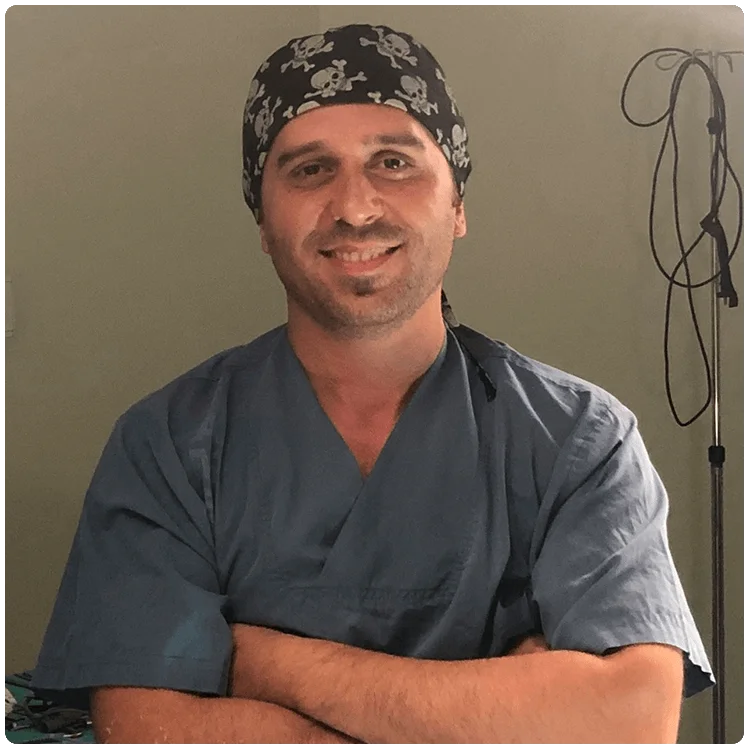
Op. Dr. Hasan Duygulu
Istanbul, Türkiye
Op. Dr. Hasan Duygulu
Born in Turkey, Dr. Hasan Duygulu graduated from Dokuz Eylül University Faculty of Medicine in 2009 and specialized in Ear, Nose and Throat (ENT) Diseases and Head & Neck Surgery. Throughout his career, he has focused on facial aesthetic and reconstructive surgery, with particular expertise in rhinoplasty, septoplasty, otoplasty and facelift. He holds double board certification in facial plastic and reconstructive surgery (EBCFPRS and IBCFPRS). His practice is built on detailed facial evaluation and personalized surgical planning, so that every result looks natural and respects the unique character of each patient’s face.
Dr. Hasan Duygulu’s training did not end with his specialty. He has attended advanced rhinoplasty courses and live surgery workshops across Europe, and in 2016 he took part in deep-plane facelift cadaver dissection courses, which keeps his methods aligned with current scientific literature.
With more than 15 years of experience and over 6,000 operations across rhinoplasty, septoplasty, otoplasty and facelift surgery, he has treated patients from more than 30 countries.
Every patient has a detailed one-on-one consultation, and Dr. Hasan Duygulu personally performs every stage of the surgery, from planning to the final follow-up visit.
Dr. Hasan Duygulu’s approach to lip filling
Designed for patients who want more volume, definition or a better shape of the lips without surgery, lip filling uses injectable filler placed in specific areas of the lips. Dr. Hasan Duygulu, one of the leading lip filling specialists in Turkey, plans the amount and the placement of the filler according to your lip shape and facial proportions, so that the lips look natural rather than overfilled. The effect is temporary and adjustable, and more filler can be added later if needed. During your consultation, he explains the type of filler, how long it is expected to last and the possible side effects, such as swelling and bruising. The aim is balanced lips that suit your face.
Ask Our Experts!
You can fill out the form to get answers to all your questions and detailed information about treatments.
Frequently Asked Questions
Are lip fillers in Turkey safe?
Lip fillers are generally safe when they are performed by a qualified doctor, with a genuine approved product, in a clean, licensed clinic, but every treatment carries risks. Their safety depends on the doctor’s training, the product and your health, not on the country. Check the doctor’s credentials, ask which product will be used, and plan enough time for follow-up before flying home.
How much do lip fillers cost in Turkey?
The price depends on the amount and type of filler, the doctor, the clinic and any combined treatments. A personalized quote is given after your photos and medical history are reviewed. Contact us for details.
How long should I stay in Turkey after lip fillers?
Plan for about 1–3 days. This covers the treatment and an early check. Your doctor will confirm when it is safe to fly.
How long does a lip filler treatment take?
The injection usually takes about 15–45 minutes. Add about 15–20 minutes for the numbing cream to work.
Are lip fillers painful?
The lips are numbed with a cream containing lidocaine, and many fillers also contain lidocaine, so most patients feel mild pressure or a slight stinging rather than significant pain. Tenderness and swelling afterward are common and usually settle within a few days.
How long do lip fillers last?
Lip fillers are temporary. Hyaluronic acid fillers typically last about 6 to 18 months, depending on the product, the amount, your metabolism and your lifestyle. The effect fades gradually, and many patients repeat the treatment to keep the result.
How much filler do I need for a natural look?
It depends on your lips, your face and your goals. For a subtle enhancement, about 0.5 to 1 ml is commonly used. Your doctor may start with a smaller amount and allow a touch-up if you want more volume, so the lips are never overfilled. A personalized consultation decides the ideal amount for you.
Will my lips look natural or artificial?
A natural result depends on using a suitable amount of filler and placing it in proportion to your face. Overfilling can lead to an artificial look, which is why a gradual approach and honest advice matter. Your doctor will show you what is realistic for your lips.
Can lip fillers be dissolved?
Hyaluronic acid filler can be dissolved with an enzyme called hyaluronidase, for example if the result looks uneven, if a lump forms or if there is a complication. Other types of filler cannot be dissolved in the same way, which is one reason temporary hyaluronic acid products are preferred for the lips.
What should I avoid before getting lip fillers?
To reduce bruising and swelling, your doctor may ask you to avoid blood-thinning medicines such as aspirin, ibuprofen and naproxen, and supplements such as fish oil, vitamin E, ginkgo biloba and St. John’s wort, usually for about a week before the treatment, and to avoid alcohol for about 24–48 hours. Never stop prescribed medicine without medical advice, and tell your doctor about everything you take.
Is it better to use a needle or a cannula?
Both are used. A fine needle is common, and a blunt-tipped cannula may help reduce bruising and swelling in some patients and areas. The choice depends on the area treated, your anatomy and your doctor’s experience, and your doctor will explain which is planned for you.
What is the difference between lip fillers and a lip lift?
Lip fillers add volume and definition and are temporary, while a lip lift shortens the distance between the nose and the upper lip through surgery and is longer-lasting. Fillers suit patients who want more volume or definition, and a lip lift suits patients whose upper lip is long. Some patients have both. Your doctor will advise you after examining you.
When will I see the final result?
Most swelling settles within about a week, and the final shape becomes clear after about 1–2 weeks. If a small adjustment is needed, it is usually considered after the swelling has settled.
Will I have bruising or swelling?
Swelling is common and usually peaks in the first 2–3 days. Bruising can happen, since the lips have many small blood vessels, and it usually fades within about a week. Avoid planning important events right after the treatment.
Can I fly after lip fillers?
Flying is generally possible, but swelling is often highest in the first 24–48 hours, so it is best not to fly on the day of the treatment. Your doctor will advise you based on your plan.
Can I have lip fillers if I am pregnant or breastfeeding?
Lip fillers are not recommended during pregnancy or breastfeeding, since their safety in these periods has not been established. Tell your doctor if you are pregnant, breastfeeding or planning a pregnancy.
What is the minimum age for lip fillers?
Lip fillers are performed on adults aged 18 and over. Your doctor will assess you individually.
Can lip fillers trigger cold sores?
Yes, injections around the mouth can trigger a cold sore in people who carry the virus. Tell your doctor if you have a history of cold sores, since a preventive medicine can be advised.
Can I combine lip fillers with other procedures?
Often yes, if your health allows. Lip fillers are commonly planned together with a lip lift or with other treatments for the lower face, in the same or in different sessions. Your doctor will decide during your consultation.