Revision Rhinoplasty in Turkey, Istanbul
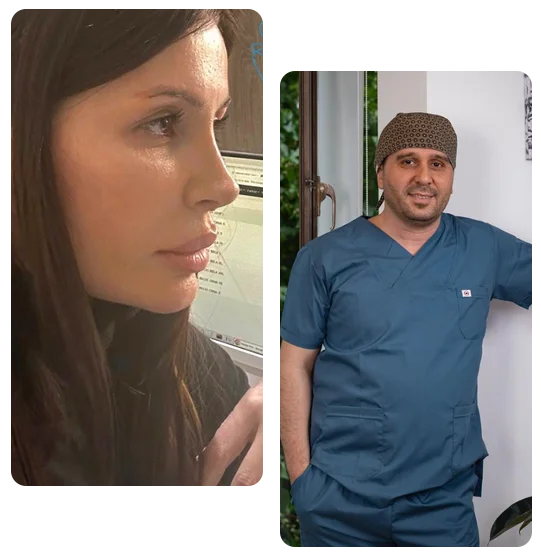
MD Hasan Duygulu
Feeling dissatisfied or experiencing functional issues after a primary nose surgery? Revision rhinoplasty, often referred to as secondary rhinoplasty, is a specialized procedure designed to correct previous outcomes and help you achieve the aesthetic harmony and breathing function you truly desire. At our state-of-the-art clinic in Istanbul, Turkey, Dr. Hasan Duygulu, a board-certified plastic surgeon, brings extensive expertise in complex revision cases, offering tailored solutions that prioritize both natural appearance and improved nasal function.
Accessible Team
of Experience
6000 Operations
Overview of Revision Rhinoplasty in Istanbul
General
1 Hours
1 Day
After 2 Days
1 Week
3 Weeks
Why Choose Turkey for Your Revision Rhinoplasty?
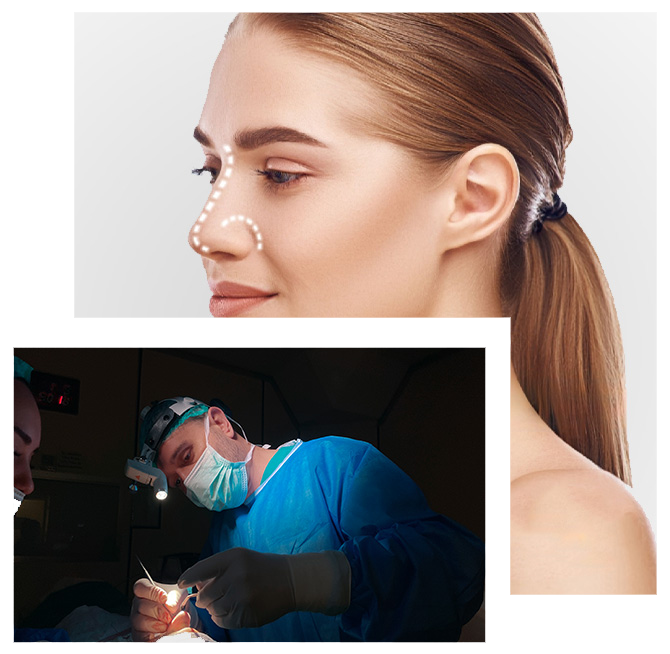
Turkey has solidified its reputation as a premier destination for medical tourism, particularly for cosmetic procedures such as revision rhinoplasty. Patients worldwide are increasingly choosing Turkey for compelling reasons that combine quality, affordability, and an enriching cultural experience:
- World-Class Surgeons and Facilities: Turkey boasts highly qualified, internationally trained plastic surgeons who specialize in complex nasal surgeries. Our clinics are equipped with state-of-the-art technology, meeting global healthcare standards.
- Cost-Effectiveness: The cost of revision rhinoplasty in Turkey is significantly more affordable compared to Western Europe or North America, without compromising on quality or safety. This makes high-quality treatment accessible to a wider range of patients.
- Comprehensive Care Packages: Many clinics in Turkey may offer comprehensive patient support packages that can include accommodation, transfers, and post-operative care services to help make the treatment process more convenient for international patients.
- Cultural Experience: Combine your medical journey with the opportunity to explore Turkey’s rich history, vibrant culture, and stunning landscapes, turning your treatment into a holistic experience.
- High Patient Satisfaction Rates: The focus on patient care, advanced techniques, and experienced medical teams contributes to high satisfaction rates among international patients.
Why Choose Revision Rhinoplasty in Turkey with MD Hasan Duygulu?
Revision rhinoplasty is a complex process that requires advanced surgical expertise, a detailed understanding of nasal anatomy, and aesthetic balance. Dr. Hasan Duygulu plans this process with a personalized approach, structuring the stages of consultation, surgical planning, and post-operative follow-up according to each patient’s individual needs.
High-Level Surgical Expertise: Secondary rhinoplasty often involves structurally challenging cases and may require reconstructive techniques. In such procedures, experience with previous surgeries and complex nasal anatomy plays an important role in determining the appropriate surgical approach.
Personalized Treatment Planning: Each patient has different anatomical characteristics and functional needs. Therefore, a detailed clinical evaluation is performed, and an individualized surgical plan is developed to address both functional requirements and aesthetic goals.
Advanced Surgical Techniques: Depending on the clinical case, different techniques such as rib cartilage grafts, fascial grafts, and piezoelectric surgery may be used. The choice of technique is determined based on the patient’s specific needs and intraoperative findings.
Structured Patient Follow-Up: The process is managed through a structured approach that includes pre-operative assessment, surgery, and post-operative follow-up. Regular check-ups are planned to ensure proper healing and to evaluate the surgical outcomes.
Natural and Harmonious Results: The surgical approach focuses on achieving results that are in harmony with the face and maintain a natural appearance.
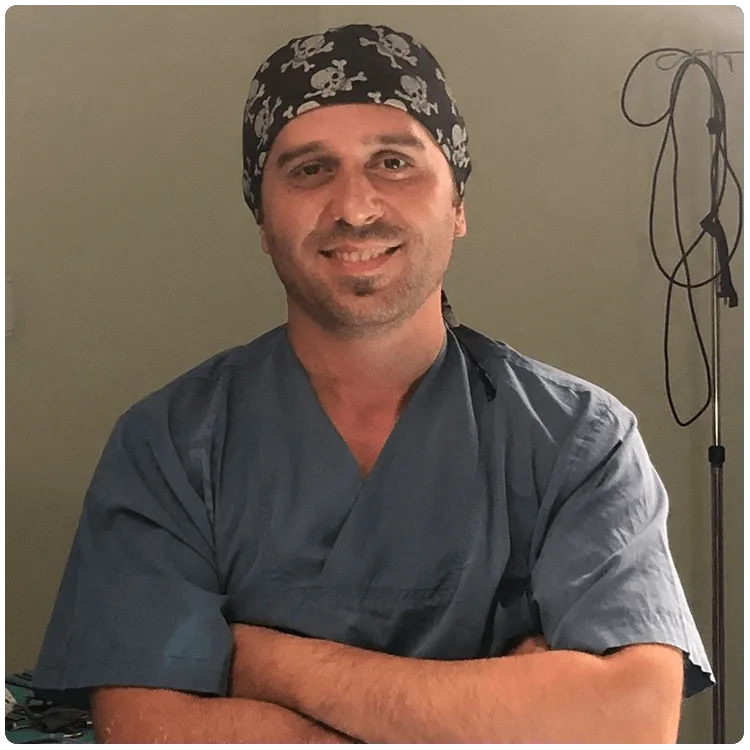
Istanbul's Leading Rhinoplasty Specialist
Ready to Take the Next Step?
Get Your Free Consultation Today.
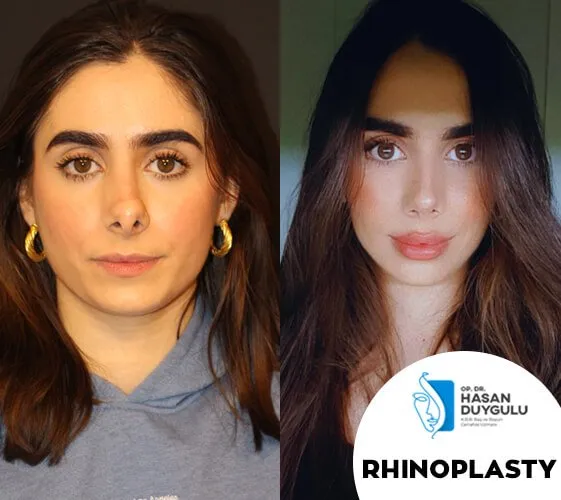
What is Revision Rhinoplasty?
Revision rhinoplasty, also known as secondary rhinoplasty, is a surgical procedure performed to correct issues that arise after a previous nose surgery. Undesirable results, shape irregularities, or breathing problems may occur following the initial operation. This procedure is carried out to address such concerns and improve both functional and aesthetic outcomes.
With 12 years of experience in revision rhinoplasty, we have performed numerous secondary nose surgeries. Together with our professional team, we provide reliable and effective care in our clinic, with a strong focus on patient satisfaction.
Who is the Ideal Candidate for Revision Rhinoplasty?
Determining whether you are the right candidate for a secondary procedure is essential for achieving a successful outcome. Revision surgery is not merely a “touch-up”; it is a specialized corrective process. You may be an ideal candidate for secondary rhinoplasty if you meet the following criteria:
- Completion of Healing: You must have waited at least 12 to 18 months since your last surgery. Operating on tissues that are still healing or swollen can lead to inaccurate results and increased complications.
- Realistic Expectations: Revision surgery aims for significant improvement rather than absolute “perfection.” Ideal candidates understand that scar tissue and altered anatomy may limit some structural changes.
- Specific Functional or Aesthetic Issues: Candidates should have clear, identifiable concerns, such as a collapsed bridge, persistent breathing difficulties (nasal valve collapse), or visible asymmetries that did not resolve after the primary surgery.
- Good Overall Health: Being in good physical health and a non-smoker is vital, as smoking significantly hinders the blood supply necessary for complex tissue healing and grafting.
- Psychological Readiness: Undergoing a second surgery requires patience and emotional resilience, as the recovery process is often longer than the first experience.


Who is NOT a Good Candidate for Revision Rhinoplasty?
Revision rhinoplasty may not be suitable for every patient, and in some cases, delaying surgery may be the better option.
- Patients who have not waited long enough: At least 12–18 months should pass after the initial surgery, as the nose continues to change during the healing process.
- Patients with unrealistic expectations: Revision surgery can improve the nose, but it cannot guarantee a perfect result.
- Active smokers or patients with uncontrolled health conditions: These factors may negatively affect healing and increase the risk of complications.
- Patients with multiple previous surgeries: Tissue loss and structural weakening from prior operations may limit revision options.
- Patients who are uncertain about surgery: The decision should be made after a detailed evaluation and clear discussion between the patient and the surgeon.
What Problems Does Revision Rhinoplasty Solve?
Revision rhinoplasty is performed to correct aesthetic and functional issues that may occur after a previous nose surgery. The goal is to restore balance to the nasal structure, improve breathing function, and achieve a more natural appearance.
- Nasal tip deformities: Unwanted shape issues such as an overly narrow, collapsed, wide, or overly rounded nasal tip.
- Nasal deviation and asymmetry: Crookedness, shifting, or asymmetry of the nose due to bone or cartilage irregularities, leading to an unbalanced facial appearance.
- Nasal bridge collapse (including saddle nose): Structural support loss ranging from mild flattening to severe collapse of the nasal bridge.
- Functional breathing problems: Difficulty breathing caused by septal deviation, nasal valve narrowing, or internal airway obstruction.
- Polly beak deformity: Fullness above the nasal tip that disrupts the natural nasal profile.
- Deformities due to excessive tissue loss: Structural problems such as alar retraction (upward rotation of the nostrils) or columellar drooping.
- Septal perforation: A hole in the nasal septum that may cause breathing difficulty, crusting, or discomfort.
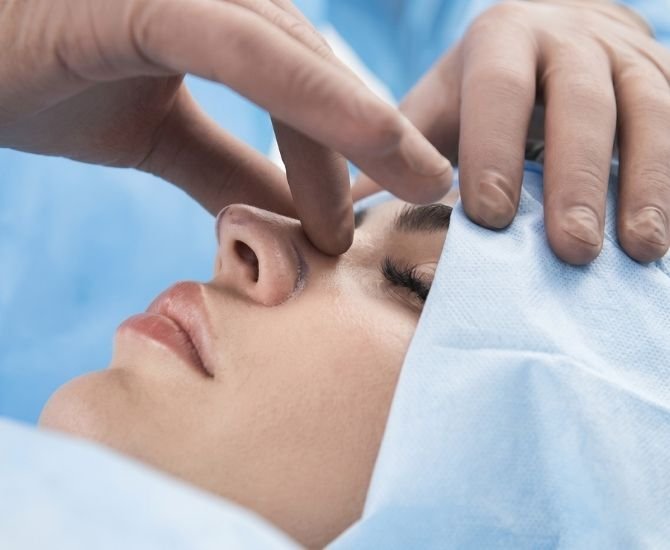
Types of Revision Rhinoplasty
Revision rhinoplasty is not a single standard operation; it includes different surgical techniques depending on the patient’s nasal structure, previous surgery results, and functional or aesthetic problems. Each approach is selected to achieve the most stable, natural, and long-lasting outcome.
Major Revision Rhinoplasty
A complex procedure performed in cases with significant deformities, multiple previous surgeries, or severe structural damage requiring extensive reconstruction.
Minor Revision Rhinoplasty
Applied for small corrections such as minor asymmetry, slight irregularities, or subtle refinements after the initial healing phase.
Open Revision Rhinoplasty
Performed with a small incision at the base of the nose, allowing full visibility of internal structures. It is generally preferred in complex revision cases where detailed reconstruction is needed.
Closed Revision Rhinoplasty
Conducted through internal incisions without external scarring. It is usually suitable for less complex revision cases where limited adjustments are required.

Ask Our Experts!
You can fill out the form to get answers to all your questions and detailed information about treatments.
The Revision Rhinoplasty Procedure at Hasan Duygulu
A Highly Customized, Step-by-Step Approach
Your nasal anatomy is carefully evaluated in detail, your medical history is reviewed, and your aesthetic goals are thoroughly discussed. During the surgical planning process, a clinical examination and assessment based on existing photographs are used to develop the surgical plan and provide a general understanding of possible outcomes.
The procedure is typically performed under general anesthesia to ensure your comfort and safety throughout the surgery.
Depending on the complexity, either an 'open' (external incision across the columella) or 'closed' (incisions made inside the nostrils) approach may be used. The open approach is generally preferred for revision cases due to the superior visibility it offers.
The surgeon carefully reshapes the nasal structure to improve both function and appearance. If needed, cartilage is used to rebuild support, refine the tip, or enhance the bridge. Existing bone and cartilage are adjusted for better balance, and previous scar tissue is carefully released to allow a smoother and more natural result.
Once the desired shape is achieved, the skin and tissues are redraped, and incisions are carefully closed with fine sutures.
An external splint and internal splints (if necessary) are applied to support the new nasal structure during the initial healing phase.
Click any step to expand or collapse details
How is Secondary Rhinoplasty Done?
Revision rhinoplasty is performed by our expert team by making small incisions either inside or outside the nose. Through these incisions, the bone and cartilage structure of the nose is corrected, and then the incisions are closed. Revision rhinoplasty is performed when the re sults of a previous nose surgery are not as desired. After the surgery, the results of the previous operation are improved, and you achieve the desired nose appearance.

Advantages of Revision Rhinoplasty at Hasan Duygulu
Revision rhinoplasty at Hasan Duygulu is designed to improve both the functional and aesthetic aspects of the nose after a previous surgery. With a focus on structural stability and natural results, the procedure aims to restore balance and long-term harmony.
- Improves Breathing Function: Addresses airway obstruction, nasal valve collapse, and other functional breathing issues caused by prior surgery.
- Corrects Asymmetry and Deformities: Helps improve crookedness, irregular contours, and visible imbalances in nasal shape.
- Restores Nasal Structure: Rebuilds weakened or collapsed nasal areas using advanced cartilage grafting techniques when needed.
- Creates a More Natural Appearance: Focuses on achieving results that harmonize with the patient’s facial features rather than an operated look.
- Refines the Nasal Tip and Bridge: Improves issues such as a pinched tip, bulbous tip, or collapsed nasal bridge for better definition.
- Enhances Facial Harmony: Ensures better balance between the nose and overall facial proportions.
- Increases Self-Confidence: Many patients report improved satisfaction and confidence after revision surgery.
- Provides Long-Term Stability: Modern revision techniques prioritize both aesthetic refinement and durable structural support.
Primary vs. Revision Rhinoplasty
Understand the key differences between first-time and secondary nose surgeries.
| Feature | Primary Rhinoplasty | Revision Rhinoplasty |
|---|---|---|
|
|
A standard nose surgery performed for the first time | More complex due to scar tissue and altered nasal structure from previous surgery |
|
|
Usually 1.5 – 3 hours | Usually 3 – 5 hours or longer |
|
|
Usually cartilage from inside the nose is sufficient | Often requires cartilage grafts from the ear or rib |
|
|
Final results are typically seen within 6–12 months | Final results may take 12–18 months or longer |
|
|
Initial shaping of the nose and functional improvement | Correction of aesthetic and functional issues caused by previous surgery |
|
|
Moderate | Higher and requires advanced surgical experience |
|
|
More standard and predictable | Highly personalized and detailed planning required |
Primary Rhinoplasty
Complexity
A standard nose surgery performed for the first time
Surgical Duration
Usually 1.5 – 3 hours
Cartilage Requirement
Usually cartilage from inside the nose is sufficient
Recovery Process
Final results are typically seen within 6–12 months
Purpose
Initial shaping of the nose and functional improvement
Difficulty Level
Moderate
Planning
More standard and predictable
Revision Rhinoplasty
Complexity
More complex due to scar tissue and altered nasal structure from previous surgery
Surgical Duration
Usually 3 – 5 hours or longer
Cartilage Requirement
Often requires cartilage grafts from the ear or rib
Recovery Process
Final results may take 12–18 months or longer
Purpose
Correction of aesthetic and functional issues caused by previous surgery
Difficulty Level
Higher and requires advanced surgical experience
Highly personalized and detailed planning required
Confused about your revision journey?
Get custom advice based on your medical history and previous aesthetic operations.
Things To Do Before Revision Rhinoplasty
Revision refers to the stage in which the surgery is planned and preparations are made before rhinoplasty. Here are some important steps to take:
- You should share your expectations and requests with our medical team. We can offer you solutions together for your specific situation.
- A general health evaluation is performed before revision rhinoplasty. If you have allergies or any chronic diseases, it is crucial to specify them.
- You should stop smoking and consuming alcohol some time before the surgery.
- For general anesthesia, you must arrive for the revision rhinoplasty with a completely empty stomach.
- Before revision rhinoplasty, you will be given detailed information about the procedure. Don’t hesitate to ask if you have any questions.
Things To Do After Revision Rhinoplasty
It includes the recovery process and results after revision rhinoplasty. Some points you should pay attention to after revision rhinoplasty are as follows:
- You must follow the instructions given by our team after the revision surgery. When you follow the instructions, your healing process will accelerate.
- Eating healthy and drinking enough water after revision rhinoplasty positively affects your recovery process.
- You should avoid heavy physical activities for a certain period of time.
- You should not consume alcohol or smoke for a certain period of time after the surgery.
- You should go for regular check-ups after revision nose surgery. It is important for us to monitor your recovery process and intervene if a possible situation arises.
Your Recovery Journey After Secondary Rhinoplasty
The recovery period following revision rhinoplasty is an important phase that requires patience. While initial swelling and bruising improve relatively quickly, final results may take up to a year or longer to fully develop.
Immediately After Surgery (Day 1–7)
During the first week, a nasal splint is placed to support healing, and in some cases internal splints may also be used. Swelling and bruising around the eyes and nose are common, especially in the first few days. Mild discomfort can be managed with medication, and patients are advised to rest, keep the head elevated, and avoid physical strain.
Weeks 1–4
The splint is typically removed within 7–10 days. Bruising begins to fade and swelling gradually decreases, making the initial results more visible. Most patients can return to social activities during this period, but strenuous exercise should still be avoided.
Months 1–6
Swelling continues to improve over time, and the nasal shape becomes more defined. The nasal tip, particularly in revision cases, is the last area to fully settle. Normal daily activities can be resumed gradually, including light exercise as healing progresses.


What Determines the Cost of Revision Rhinoplasty?
The cost of revision rhinoplasty surgery may vary depending on various factors. The factors that determine the cost are as follows:
- Depending on the results and problems of previous nose surgery, cases that require further improvement and correction may generally require more cost.
- The experience and expertise of the surgeon is one of the factors affecting the cost.
- If the patient’s general health condition is risky, medical monitoring and precautions may be required. This may increase the cost.
- The location and equipment of the clinic or hospital where the revision aesthetic surgery will be performed may affect the cost.
How Much Does Revision Rhinoplasty Cost in Istanbul Turkey?
The price of revision rhinoplasty surgery varies depending on the type of surgery and the expertise of the doctor. The average price of revision rhinoplasty surgery in Turkey is between 5000 – 8000 dollars. You can contact us and get information about the revision rhinoplasty prices in turkey.
Revision Rhinoplasty Turkey Cost | 4500$-7500$ |
Revision Rhinoplasty USA & UK & EU Prices
Revision Rhinoplasty USA Cost | 10000$-20000$ |
Revision Rhinoplasty UK Cost | 10000£-20000£ |
Revision Rhinoplasty EU Cost | 9000£-18000£ |
Tedavilerimiz
Uzman ekibimizle birlikte burun sağlığınızı ve estetiğinizi önemsiyoruz. Bu nedenle, burun ameliyatlarını profesyonellikle ve hassasiyetle gerçekleştiriyoruz. Sizin için en uygun tedavi seçeneklerini sunarak, burun sorunlarınızı çözmeyi amaçlıyoruz.
Revizyon Rinoplasti

Kapalı Rinoplasti
Deviated Septum
Etnik Rinoplasti
Lorem Ipsum Dolor
Lorem Ipsum Dolor
FAQ About Secondary Rhinoplasty in Turkey
Where is cartilage taken from in revision rhinoplasty to rebuild the nose structure?
In many revision rhinoplasty cases, there may not be enough cartilage left inside the nose because the existing support structures were already used during the first surgery. In such situations, the surgeon may harvest cartilage grafts from the patient’s ear or rib to reconstruct the nasal framework and reshape the nasal tip in a stable and functional way.
How long does revision rhinoplasty usually take?
While primary rhinoplasty procedures are generally shorter, revision rhinoplasty surgeries are more complex and corrective in nature, often taking between 3 to 5 hours, or even longer in highly complicated cases. The extended duration is due to the surgeon carefully removing scar tissue, correcting airway problems, and performing delicate grafting techniques to restore both aesthetics and function.
How is a “polly beak” deformity corrected with revision rhinoplasty?
A polly beak deformity occurs when the area above the nasal tip remains overly full due to excess cartilage, scar tissue, or inadequate support, creating a parrot-beak-like profile. During revision surgery, an experienced surgeon carefully removes excess tissue and reshapes the nasal framework to create a smoother, more balanced, and natural-looking nasal contour.
How is a pinched nasal tip corrected during revision rhinoplasty?
A pinched nasal tip can occur when the cartilage supporting the nostrils is excessively reduced during the initial surgery, causing the tip to appear overly narrow or compressed while also affecting breathing function. In revision rhinoplasty, structural deficiencies are corrected using cartilage grafts to reinforce and widen the nasal tip area, improving both the aesthetic appearance and nasal airflow.
Will there be tampons / nasal packing after revision surgery?
In many modern revision rhinoplasty procedures, nasal packing is either not used or kept to a minimum. However, this depends on the complexity of the surgery and the surgeon’s technique. In some cases, soft splints or light internal supports may be placed temporarily.
How does revision rhinoplasty affect smell / sense of smell?
A temporary reduction in smell can occur after surgery due to swelling, congestion, and internal healing. This is usually temporary, and the sense of smell returns gradually as the nasal passages recover.
Open vs. Closed Revision Rhinoplasty: Which Technique Is Preferred?
The choice between open and closed revision rhinoplasty depends on the anatomical structure of the nose, the outcome of previous surgeries, and the extent of correction required. The open technique may be preferred in cases where a wider view and access to nasal structures are needed for more complex surgical planning. The closed technique is performed through internal incisions and may be suitable in appropriately selected cases with different anatomical considerations. The most suitable approach is determined after a detailed examination and surgical evaluation.
Can I achieve a natural-looking result after revision rhinoplasty?
Yes, achieving a natural result is one of the main goals of revision rhinoplasty. With proper planning, advanced surgical techniques, and realistic expectations, the nose can be reshaped to look balanced and harmonious with the face.
Will revision rhinoplasty leave visible scars?
In open revision rhinoplasty, a small incision is made on the columella and usually heals as a barely noticeable scar over time. In closed revision rhinoplasty, all incisions are placed inside the nose, so there is no visible external scar. The surgical approach depends on the complexity of the case.
How many days does it take for revision rhinoplasty to heal?
Revision nose surgery takes 1-2 weeks to heal. However, you have to wait 7-8 months to see the full results.
How many times can revision rhinoplasty be performed?
There is no exact limit to the number of revision rhinoplasty procedures a patient can undergo. However, each additional surgery becomes more complex due to scar tissue and reduced cartilage support.
Is revision rhinoplasty considered a risky procedure?
Like any surgical procedure, revision rhinoplasty carries certain risks such as swelling, bleeding, infection, or healing complications. However, when performed by an experienced surgeon, revision rhinoplasty is generally considered safe and carefully planned to minimize potential risks.
Is it safe to get a Revision Nose Job in Istanbul, Turkey?
Yes, it can be safe if you choose a reputable surgeon and clinic with a proven track record in revision rhinoplasty. Turkey is known for its advanced medical facilities and skilled professionals in cosmetic surgery.
How long do I need to stay in Turkey for my operation?
The length of stay varies depending on the specifics of your surgery and your surgeon’s recommendations. Typically, patients may need to stay for at least a week to ensure proper post-operative care and follow-up appointments.
Can a revision rhinoplasty fix a previous septal perforation?
Yes, an experienced surgeon can often repair a septal perforation (a hole in the septum) during a revision procedure, though it adds to the complexity of the surgery.
Is it possible to undergo revision rhinoplasty if I have thick skin?
Yes, but thick skin requires specialized techniques to ensure the new underlying structure is visible. Your surgeon may use specific grafting methods to provide more definition to the nasal tip.
How long after the first operation can a revision rhinoplasty surgery be performed?
Most surgeons recommend waiting at least 12 to 18 months after the initial rhinoplasty before undergoing revision surgery. This period allows the nasal tissues to fully heal, swelling to completely resolve, and the final shape of the nose to become clear. Performing revision surgery too early may increase the risk of complications and make it difficult for the surgeon to accurately assess the underlying structural issues.
Is revision nose surgery more painful than the first surgery?
Revision rhinoplasty is not necessarily more painful than primary rhinoplasty, but the recovery process can sometimes feel more uncomfortable because the tissues have already undergone surgery before. Patients may experience swelling, congestion, tenderness, and pressure during the healing period. Pain is usually manageable with prescribed medications, and most patients describe the discomfort as moderate rather than severe.