

Nasal Stenosis and Cicatricial Stricture in Turkey
MD Hasan Duygulu
Nasal stenosis and cicatricial stricture are conditions that can significantly impair nasal breathing by narrowing the nasal airway due to scar tissue formation. Whether caused by previous nasal surgery, trauma, infection, burns, or inflammatory diseases, these conditions can lead to persistent nasal obstruction, reduced quality of life, and progressive airway compromise if left untreated. Accurate diagnosis and individualized treatment are essential to restore normal airflow, preserve nasal function, and minimize the risk of recurrence.
At Dr. Hasan Duygulu’s clinic, we provide comprehensive evaluation and advanced treatment for patients with nasal stenosis and cicatricial stricture. Our clinic in Turkey combines detailed functional assessment with modern reconstructive techniques to address both simple and complex cases of nasal airway narrowing. Every treatment plan is tailored to the patient’s unique anatomy and the underlying cause of the stenosis, focusing on restoring a stable nasal airway, improving breathing, preserving both functional and aesthetic outcomes, and reducing the likelihood of scar recurrence. Discover how expert care at Hasan Duygulu can help you breathe comfortably again and regain long-term nasal function with confidence.
Accessible Team
of Experience
Overview of Nasal Stenosis and Cicatricial Stricture
Local/General
1 Hours
1 Day
5-7 Days Later
1 Week
6 Months - 1 Year
Why Choose Turkey for Nasal Stenosis and Cicatricial Stricture Treatment?
In 2026, Turkey remains a global leader in medical tourism for complex reconstructive surgeries like nasal stenosis and cicatricial stricture treatment, offering an unmatched combination of medical excellence, advanced technology, and patient-centric care.
Key Advantages of Treatment in Turkey:
High Success Rates and Long-Term Outcomes: Strong expertise in revision surgery and meticulous post-operative protocols contribute to excellent, lasting results with reduced recurrence.
Patient-Centric Care: Guidance and convenience are provided through dedicated coordinators and professional interpretation services to guide patients throughout the process, along with assistance for travel and logistical arrangements as needed.
Ease of Medical Tourism: Transportation is highly convenient thanks to abundant flight connections to Istanbul and Ankara, while visa processes vary depending on the current regulations of respective countries.

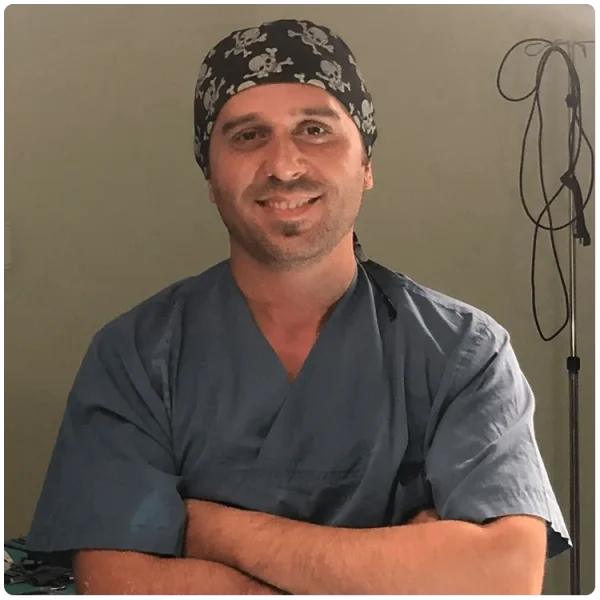
Why Should You Choose Hasan Duygulu for the Treatment of Nasal Stenosis and Cicatricial Stricture?
- Expertise and Experience: Dr. Hasan Duygulu is a board-certified plastic surgeon with extensive experience in ear reduction surgery, focusing on achieving natural-looking, balanced, and harmonious results tailored to each patient’s facial anatomy.
- Personalized Care: Every patient undergoes a comprehensive evaluation, and a customized surgical plan is developed according to their ear anatomy, aesthetic expectations, and overall facial proportions.
- Comprehensive Services: From the initial consultation through surgery and postoperative follow-up, Dr. Hasan Duygulu and his team provide personalized support at every stage of the treatment journey.
- Cost-Effective Solutions: Dr. Hasan Duygulu’s clinic offers competitive pricing and transparent treatment plans, making high-quality ear reduction surgery in Turkey accessible to patients from around the world.
Surgical and Non-Surgical Treatment Options in Turkey
If scar tissue is causing your nasal blockage, the right approach depends on the size and location of your case. Some patients only need a minor procedure, while others require more extensive repair. Surgery is usually the most effective option for severe or recurring blockages, and your surgeon designs a plan around exactly where — and how large — your narrowing is.
Where the cartilage comes from:
- From the nasal septum: The most common choice. It’s close to the surgical site, well tolerated by the body, and naturally straight. Used to widen narrowed areas or reinforce weakened structures.
- From the ear: A more flexible type of cartilage, ideal for smaller repairs or fine reshaping.
- From the rib: Used in revision cases or more severe collapse, where stronger structural support is needed.
The choice depends on the severity and location of your narrowing, along with your own nasal anatomy.
When the inner lining is also damaged: In some cases, scar tissue also damages the moist inner lining of the nose (the mucosa). When this happens, a thin skin graft or a flap of nearby healthy tissue is used to repair the surface — restoring healthy tissue and helping prevent the narrowing from coming back.

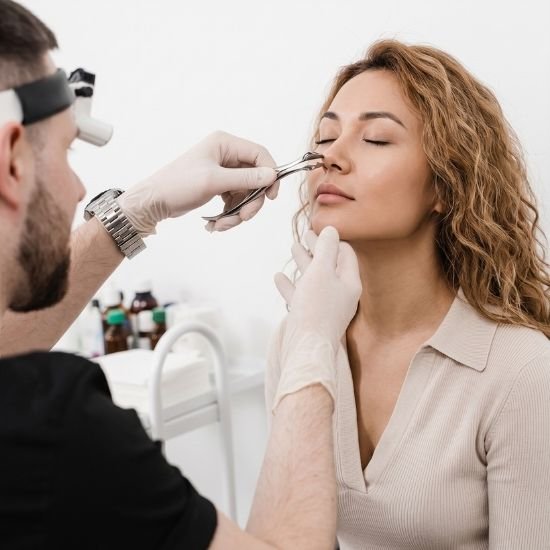
Two Ways to Perform the Surgery
- Endoscopic (closed) technique: Performed through the nostrils with a camera, leaving no external scars and involving less invasive access. Best suited for narrowing deeper inside the nose.
- Open technique: Gives the surgeon a wider working area. Used for larger structural changes, complex grafting, or revision cases.
Building a result that lasts: The goal isn’t just to widen the airway — it’s to create a stable structure that won’t narrow again over time. That’s why, when needed, the nasal valve area is reshaped, the septum is corrected, and supportive cartilage grafts (spreader grafts) are placed to keep the airway open long-term.
In some cases, a special dissolvable stent is placed after surgery to hold the airway open while it heals and prevent scar tissue from re-forming. These stents dissolve naturally over time — no removal procedure is needed.
Non-Surgical Aftercare: Protecting Your Results
Surgery alone isn’t enough — a lasting result also depends on the right aftercare. Here’s what that includes:
- Regular nasal care: Gentle crust cleaning and personalized hygiene instructions to support healing and reduce infection risk.
- Scar-control injections: Small steroid injections in areas prone to excess scarring, when needed, to lower the risk of recurrence.
- Nasal dilators and humidifiers: Help keep the airway open in the early healing period and reduce crusting and discomfort.
- Regular follow-up visits: We monitor your healing closely, so any sign of renewed narrowing is caught and treated early.
- Medication when needed: Antibiotics to prevent infection, anti-inflammatory medication to reduce swelling.
The bottom line: Whether your case is simple or complex, the right approach — minimally invasive or a full reconstruction — is determined together during your first consultation. The goal is always the same: a stable, comfortable airway you can breathe through with confidence.
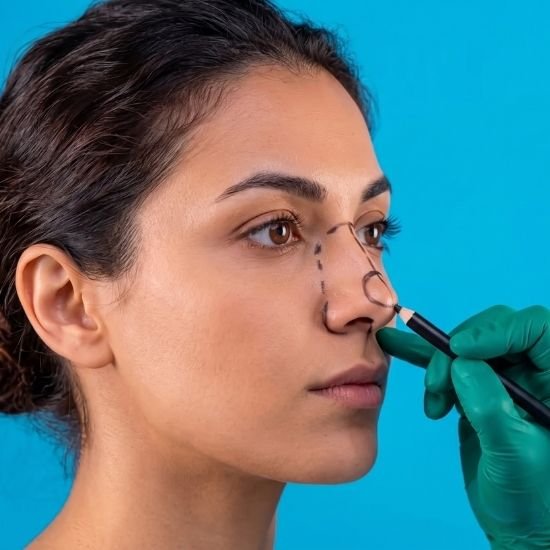

Understanding Nasal Stenosis and Cicatricial Stricture: Causes, Symptoms, and Impact
Nasal stenosis refers to the narrowing of the nasal airway, often leading to significant breathing difficulties. Cicatricial stricture is a specific type of stenosis caused by scar tissue formation, which can severely constrict the nasal passages.
These conditions are often progressive, meaning they can worsen over time if left untreated, leading to an increasing psychological burden alongside physical discomfort. Their diagnostic complexities necessitate specialized expertise and advanced imaging to accurately identify the underlying issues.
Primary Causes:
- Trauma: Direct injury to the nose, such as fractures or severe blows, can lead to internal scarring and narrowing of the nasal passages, obstructing airflow.
- Previous Surgical Complications: Unsuccessful or overly aggressive nasal surgeries (e.g., rhinoplasty, septoplasty) can result in excessive scar tissue formation, leading to strictures that block the airway.
- Inflammatory Conditions: Chronic inflammatory diseases, autoimmune disorders, or long-term infections can cause tissue damage and subsequent scarring within the nasal cavity.
- Congenital Factors: In some cases, individuals may be born with narrower nasal passages or conditions that predispose them to stricture development from an early age.
- Chemical or Thermal Injuries: Exposure to corrosive chemicals or severe burns can damage delicate nasal tissues, resulting in dense scar tissue that constricts the airway.
Common Symptoms:
- Chronic Nasal Obstruction: Persistent difficulty breathing through one or both nostrils, often feeling like a constant blockage.
- Breathing Difficulties: Especially noticeable during exertion, sleep, or in certain positions, significantly impacting physical activity and rest.
- Crusting and Dryness: Due to altered airflow patterns and impaired mucosal function, leading to discomfort and irritation.
- Pain or Discomfort: In the nasal area, sometimes extending to the face, indicating pressure or irritation from the stricture.
- Altered Sense of Smell: Reduced or lost ability to detect odors (anosmia or hyposmia) as airflow to the olfactory region is compromised.
- Recurrent Nosebleeds: Due to dry, irritated nasal lining that becomes fragile and prone to bleeding.
- Sleep Disturbances: Snoring, sleep apnea, and general poor sleep quality stemming from obstructed breathing during the night.
The impact on patient quality of life is significant, affecting daily activities, sleep, exercise, and overall well-being. Addressing these conditions is crucial for both physical health and mental comfort.


Key Diagnostic Methods Include:
- Comprehensive Physical Examination: A thorough assessment of the external and internal nasal structures, including palpation and visual inspection, to identify deformities, signs of inflammation, or the presence of stricture. This initial step helps guide further investigations.
- Detailed Nasal Endoscopy: Using a thin, flexible or rigid scope with a camera, the surgeon directly visualizes the nasal passages, identifying the exact location, extent, and severity of the stenosis or stricture. This is crucial for understanding mucosal health, scar tissue characteristics, and any associated abnormalities.
- High-Resolution CT Scans and MRI: These advanced imaging techniques provide detailed structural analysis of the bone, cartilage, and soft tissues. CT scans are particularly useful for bony structures and identifying any underlying skeletal abnormalities, while MRI excels in soft tissue differentiation, helping to identify inflammatory processes or the depth and density of scar tissue.
- Rhinomanometry and Acoustic Rhinometry: These functional assessment tools objectively measure nasal airflow and cross-sectional areas of the nasal passages. Rhinomanometry quantifies nasal resistance, providing insight into the degree of obstruction, while acoustic rhinometry maps the internal geometry, offering critical data on the physiological impact of the stenosis.
This meticulous diagnostic process ensures that every aspect of the patient’s condition is understood, allowing for the development of a tailored treatment strategy that addresses both functional and aesthetic concerns.
Nasal Stenosis and Related Breathing Treatments
Narrowing of the nasal passage can follow surgery, trauma or infection, and it often involves more than one part of the nose. Dr. Hasan Duygulu evaluates the whole airway and offers targeted treatments for each cause.
Septoplasty
Straightens a deviated nasal septum to improve airflow and relieve blocked breathing. Dr. Hasan Duygulu focuses on restoring function while protecting the natural structure of the nose.
Revision Septoplasty
Addresses persistent or recurring breathing problems after a previous septum surgery. Dr. Hasan Duygulu re-evaluates the septum and corrects remaining deviation or structural weakness.
Septal Perforation Repair
Closes a hole in the nasal septum that may cause whistling, crusting or bleeding, sometimes after earlier surgery. Dr. Hasan Duygulu repairs the septum to restore comfortable breathing.
Nasal Valve Collapse Surgery
Treats collapse of the narrow nasal valve area that can cause blocked breathing, often after a previous nose surgery. Dr. Hasan Duygulu restores support to open the airway.
Turbinate Reduction Surgery
Reduces enlarged turbinates that block airflow and cause persistent nasal congestion. It is often combined with septoplasty to improve breathing more completely.
Revision Rhinoplasty
When scar tissue and narrowing develop after a previous nose surgery, revision rhinoplasty can restore both structure and airflow. Dr. Hasan Duygulu plans these cases carefully around scar tissue and altered anatomy.
Uneven Nostrils Correction
Corrects asymmetry in the shape or size of the nostrils that can appear or persist after rhinoplasty. Dr. Hasan Duygulu rebalances the tip and nostril rims for a more symmetrical look.
Nasal Abscess, Furuncle & Carbuncle
Treats painful infections of the nasal skin and surrounding tissue. Proper treatment relieves symptoms and helps lower the risk of complications.
Who Is an Ideal Candidate for Nasal Stenosis and Cicatricial Stricture Treatment?
The following individuals are considered ideal candidates for medical or surgical treatment:
- Individuals experiencing persistent nasal obstruction due to narrowing of one or both nasal passages.
- Patients diagnosed with nasal stenosis or cicatricial stricture following previous nasal surgery, trauma, infection, or burns.
- People with scar tissue formation inside the nose that restricts normal airflow.
- Individuals who have difficulty breathing through the nose despite medical therapy.
- Patients with recurrent narrowing of the nasal airway after previous treatment or surgery.
- Individuals experiencing reduced quality of life, including chronic nasal congestion, mouth breathing, or sleep disturbances caused by nasal obstruction.
- Patients requiring reconstructive surgery to restore the nasal airway and improve long-term breathing function.
- Individuals in good general health who can safely undergo reconstructive nasal surgery when indicated.
- Patients with realistic expectations regarding the goals of treatment, understanding that the primary objective is to restore nasal function while maintaining or improving the nose’s structural integrity.
- Anyone seeking a personalized treatment plan to achieve long-term airway patency, reduce the risk of restenosis, and improve overall nasal function.
Ask Our Experts!
You can fill out the form to get answers to all your questions and detailed information about treatments.
Benefits of Treatment for Nasal Stenosis and Cicatricial Stricture
Timely diagnosis and appropriate treatment offer benefits that extend beyond improving nasal breathing. Effective management restores the nasal airway, enhances quality of life, and reduces the risk of recurrent airway narrowing and long-term complications.
- Improved Nasal Breathing: Treatment restores a wider, more stable nasal airway, allowing patients to breathe more comfortably through the nose.
- Relief from Chronic Nasal Obstruction: Correcting the narrowed nasal passage significantly reduces persistent congestion, mouth breathing, and airflow restriction.
- Restoration of Nasal Function: Reconstructive treatment helps preserve or restore the normal structure and function of the nasal airway, improving overall respiratory performance.
- Reduced Risk of Restenosis: Advanced reconstructive techniques and individualized treatment planning help minimize the likelihood of scar tissue reforming and narrowing the airway again.
- Improved Sleep Quality: Better nasal airflow can reduce nighttime breathing difficulties, leading to improved sleep quality and greater daytime comfort.
- Enhanced Quality of Life: Patients often experience greater comfort during daily activities, exercise, and social interactions once normal nasal breathing is restored.
- Long-Term Functional Results: Modern surgical techniques are designed to provide durable airway reconstruction while maintaining the structural stability of the nose.
- Personalized Treatment for Optimal Outcomes: Every patient receives a customized treatment plan based on the location, severity, and underlying cause of the stenosis, ensuring the most effective functional and reconstructive outcome.


Your Recovery Journey After Ear Reduction Surgery
Treatment for nasal stenosis and cicatricial stricture is personalized to restore the nasal airway while minimizing the risk of recurrent narrowing. Here’s what each stage involves.
Step 1: Initial Consultation & Evaluation
Your journey begins with a detailed assessment by Dr. Hasan Duygulu, including a review of your symptoms, medical history, and the location and severity of the narrowing — both functional and structural. Based on this, we explain the most suitable options (from conservative management to reconstructive surgery) and build a personalized treatment plan.
Key questions to ask during your consultation: What is causing my nasal stenosis? How severe is it? Will I need surgery? What techniques will be used? What results can I realistically expect, and what’s the recovery timeline?
Step 2: Preparing for Treatment
Once your plan is finalized, you’ll receive pre-treatment instructions:
- Share your current medications, supplements, and relevant medical history
- Stop smoking before surgery if advised, as it can impair healing
- Follow fasting instructions if general anesthesia is planned
- Arrange transportation home if sedation or general anesthesia is used
Step 3: The Treatment Procedure
Mild cases may be managed conservatively; more significant narrowing typically requires reconstructive surgery — scar tissue excision, cartilage grafting, local flap reconstruction, or nasal stenting, depending on the case. The procedure is performed under local or general anesthesia based on complexity, always planned to improve airflow while preserving nasal structure and appearance.
Step 4: Recovery & Aftercare
- First 1–3 days: Mild swelling, congestion, and discomfort are expected. Take medications as prescribed and avoid touching or pressuring the nose.
- First week: Swelling starts improving; a follow-up appointment monitors healing; splints or stents (if used) remain as directed.
- Following weeks: Breathing continues to improve as the airway stabilizes, with a gradual return to normal activity.
Managing Pain and Discomfort During Recovery
Some discomfort, swelling, and nasal congestion are normal during the early stages of recovery following treatment for nasal stenosis and cicatricial stricture. Our team provides comprehensive postoperative guidance to ensure a safe, comfortable, and successful healing process.
- Pain Management: You may be prescribed pain medication to relieve postoperative discomfort. Over-the-counter pain relievers may also be recommended when appropriate.
- Swelling and Nasal Congestion: Mild swelling and temporary nasal blockage are expected after surgery. Applying cold compresses to the surrounding facial area (when advised) and keeping your head elevated can help reduce swelling.
- Nasal Care: You may be instructed to use saline nasal sprays or irrigations to keep the nasal passages clean and promote healthy healing. Avoid blowing your nose until your surgeon advises it is safe.
- Recognizing Warning Signs: Contact our clinic immediately if you experience excessive bleeding, severe pain, persistent fever, worsening swelling, increasing nasal obstruction, or signs of infection, as these may require prompt medical evaluation.
We prioritize effective symptom management and maintain clear communication throughout your recovery, ensuring you receive personalized support at every stage.


Post-Treatment Care and Follow-Up
Scheduled follow-up appointments are an essential part of recovery after treatment for nasal stenosis and cicatricial stricture. These visits allow our medical team to monitor healing, evaluate the stability of the reconstructed airway, and minimize the risk of recurrent narrowing.
Follow-up appointments may include:
- Assessment of nasal airway healing and breathing function.
- Evaluation for scar tissue formation or early signs of restenosis.
- Removal or adjustment of nasal splints or stents, when applicable.
- Endoscopic examination to monitor the healing process.
- Personalized recommendations for nasal care and long-term airway maintenance.
Our commitment to long-term follow-up helps promote optimal healing, maintain a stable nasal airway, and achieve durable functional results.
Potential Risks and Complications of Nasal Stenosis and Cicatricial Stricture
Treatment for nasal stenosis and cicatricial stricture is generally safe and highly effective when performed by an experienced ENT specialist. However, as with any reconstructive nasal procedure, there are potential risks and complications. During your consultation, we will discuss these in detail and explain the measures taken to minimize them.
Potential Risks and Complications Include:
- Restenosis: Scar tissue may reform during the healing process, leading to recurrent narrowing of the nasal airway.
- Persistent Nasal Obstruction: Although significant improvement is expected, some patients may continue to experience partial nasal blockage depending on the severity of the condition.
- Bleeding: Mild postoperative bleeding is common, while more significant bleeding is uncommon but may require additional treatment.
- Infection: Although rare, postoperative infections can occur and are typically managed effectively with antibiotics.
- Scar Tissue Formation: Excessive scar formation may affect healing and occasionally require revision treatment.
- Need for Revision Surgery: In complex or recurrent cases, an additional procedure may be necessary to maintain long-term airway patency.
- Temporary Swelling and Nasal Congestion: Swelling during the early healing period may temporarily affect breathing before gradually improving.
- Changes in Nasal Appearance: In some reconstructive procedures, minor changes to the external appearance of the nose may occur, although preserving both function and aesthetics remains a primary goal.
Early diagnosis, meticulous surgical technique, appropriate postoperative care, and regular follow-up significantly reduce the risk of complications and help achieve stable, long-lasting improvement in nasal breathing and airway function.
Cost of Treatment for Nasal Stenosis and Cicatricial Stenosis in Turkey
|
Region |
Estimated Cost Range (USD) |
Notes |
|---|---|---|
|
Turkey |
$4,000 – $10,000+ |
Highly competitive, often all-inclusive packages covering surgery, hospital stay, and support services. |
|
United States |
$15,000 – $35,000+ |
High surgeon fees, hospital costs, and variability in insurance coverage contribute to elevated prices. |
|
United Kingdom |
£10,000 – £25,000+ (approx. $12,000 – $30,000+) |
Costs for private healthcare are substantial, and public healthcare often involves long waiting lists for complex procedures. |
|
Germany |
€10,000 – €20,000+ (approx. $11,000 – $22,000+) |
While offering a high standard of care, costs reflect European averages and are considerably higher than in Turkey. |
Ask Our Experts!</span
You can fill out the form to get answers to all your questions and detailed information about treatments.
FAQ About Rhinoplasty in Turkey
How long does it take to recover from rhinoplasty?
You may be healed 1-2 weeks after rhinoplasty. However, you have to wait 6 months to see clear results.
Is Turkey safe for rhinoplasty?
Yes. Turkey is one of the reliable countries for rhinoplasty. Turkey has become an important choice in aesthetic and health tourism in recent years.
How long should I stay in Turkey for rhinoplasty?
You must stay in Turkey for 2 weeks for rhinoplasty. However, this time may vary depending on the type of surgery, your recovery speed, and your surgeon’s recommendations.
How soon after rhinoplasty can I return to work?
You can return to work 7 to 10 days after rhinoplasty. However, this period may vary depending on your recovery speed.
Will there be any scars after rhinoplasty?
After rhinoplasty, there will be no scar left on your nose. Because the incisions are stitched very thin and heal over time.
FAQ About Nasal Stenosis and Cicatricial Stricture
How do advanced imaging techniques like CT scans and MRI specifically aid in diagnosing nasal stenosis and cicatricial stricture in Turkish clinics?
High-resolution CT scans and MRI provide crucial detailed structural analysis for accurate diagnosis of nasal stenosis and cicatricial stricture. CT scans are particularly effective for visualizing bony structures and identifying any underlying skeletal abnormalities that contribute to the stenosis. Conversely, MRI excels in soft tissue differentiation, which is essential for identifying inflammatory processes or precisely mapping the depth and density of scar tissue responsible for cicatricial strictures. These advanced imaging modalities enable Turkish specialists to create highly personalized and effective treatment plans by offering a comprehensive view of the nasal passages.
What specific combination of factors has established Turkey as a global leader in 2026 for complex reconstructive surgeries, particularly for conditions like nasal stenosis and cicatricial stricture?
Turkey’s rise as a global leader in complex reconstructive surgeries for nasal stenosis and cicatricial stricture in 2026 stems from an unparalleled combination of factors. This includes its advanced medical infrastructure, featuring state-of-the-art, often JCI-accredited hospitals, coupled with a high concentration of internationally recognized ENT surgeons. These specialists are at the forefront of innovation, utilizing advanced techniques and prioritizing long-term functional and aesthetic outcomes, all offered within a framework of competitive and transparent pricing that makes world-class care accessible.
Beyond general breathing difficulties, what specific symptoms of nasal stenosis and cicatricial stricture are directly linked to altered airflow patterns and impaired mucosal function, and why do they occur?
Nasal stenosis and cicatricial stricture cause several specific symptoms directly related to disrupted airflow and mucosal health. Crusting and dryness occur because altered airflow patterns and impaired mucosal function lead to insufficient humidification and lubrication of the nasal lining, causing discomfort and irritation. Additionally, patients often experience an altered sense of smell (anosmia or hyposmia) because the constricted nasal passages compromise airflow to the olfactory region, preventing odor molecules from reaching the sensory receptors.
What are some specific causes of nasal stenosis and cicatricial stricture related to prior medical interventions or environmental exposures?
Nasal stenosis and cicatricial stricture can specifically arise from complications of previous medical interventions, such as unsuccessful or overly aggressive nasal surgeries like rhinoplasty or septoplasty, which can result in excessive scar tissue formation. Beyond medical procedures, environmental exposures also play a role; for instance, exposure to corrosive chemicals or severe thermal injuries (burns) can damage delicate nasal tissues, resulting in dense scar tissue that constricts the airway. These specific causes highlight the diverse origins of these complex conditions.
How do Turkish medical teams ensure not only immediate surgical success but also sustainable long-term relief and functional improvement for patients with nasal stenosis and cicatricial stricture?
Turkish medical teams prioritize comprehensive long-term outcomes by integrating meticulous surgical planning with robust post-operative care protocols. Their expertise extends to revision surgeries, effectively addressing any potential recurrences, and they focus on achieving both functional restoration and optimal aesthetic results. This holistic approach, combined with diligent follow-up and patient education, significantly contributes to high success rates and lasting relief for patients, minimizing the chances of future complications.
How do functional assessment tools like Rhinomanometry and Acoustic Rhinometry contribute to a precise diagnosis of nasal stenosis in Turkey?
Turkish clinics utilize advanced functional assessment tools to ensure an exceptionally precise diagnosis. Rhinomanometry objectively measures nasal airflow and resistance, providing critical insight into the degree of obstruction. Acoustic rhinometry, on the other hand, maps the internal geometry of the nasal passages, offering detailed data on cross-sectional areas, which is crucial for identifying the exact location and extent of the stenosis for tailored treatment planning.
How do Turkish specialists ensure both functional restoration and aesthetic outcomes when treating nasal stenosis and cicatricial stricture?
Turkish specialists prioritize a holistic approach in treating nasal stenosis and cicatricial stricture, aiming to restore optimal nasal function while also achieving satisfactory aesthetic results. Their extensive expertise, combined with advanced surgical techniques like meticulous cartilage grafting, allows them to reconstruct the nasal passages to significantly improve breathing. Simultaneously, they carefully address the external appearance, ensuring that the patient’s overall facial harmony is maintained or enhanced, leading to comprehensive relief and improved quality of life.
How does a multidisciplinary team approach enhance the diagnostic process for nasal stenosis and cicatricial stricture in Turkey?
Turkish clinics employ a collaborative, multidisciplinary team approach, combining state-of-the-art diagnostic tools with the expertise of various specialists. This integrated method ensures an exceptionally precise diagnosis by incorporating diverse medical perspectives, which is crucial for developing highly personalized and effective treatment plans tailored to each patient’s specific condition.