Dr. Hasan Duygulu and his team perform turbinate reduction surgery to reduce the size of the nasal turbinates, allowing you to achieve healthier breathing habits. This way, you can meet your need for healthy breathing at an affordable cost. If you want to gain healthy breathing habits, you can contact Dr. Hasan Duygulu and his team to schedule a preliminary consultation for turbinate hypertrophy treatment.
Turbinate surgery in Turkey is an ear, nose and throat (ENT) procedure that shrinks enlarged nasal turbinates to improve chronic nasal airflow, while preserving the nose’s natural ability to warm and humidify the air you breathe. This page explains what turbinate hypertrophy is, how it is diagnosed, which techniques are used, what recovery looks like and what to plan for if you travel to Turkey for treatment.
| Topic | Typical answer |
| What it treats | Chronic nasal blockage caused by enlarged inferior turbinates |
| Techniques | Turbinate coblation, Vivaer turbinate reduction, laser turbinate reduction |
| Anesthesia | Local or general, depending on the technique and on whether other nasal surgery is done at the same time |
| Hospital stay | Usually same-day discharge |
| Return to daily routine | Often within a few days to one week |
| Full result | Develops over several weeks, up to 2 to 3 months |
| Recommended stay in Turkey | Roughly 3 to 7 days; longer if combined with septoplasty or rhinoplasty |
These figures are general guides. Results and timing differ from person to person, and no surgeon can guarantee a specific outcome.
What is Turbinate Reduction Surgery?
Turbinate reduction surgery is a medical procedure performed by an ear, nose and throat (ENT) specialist to reduce the size of enlarged nasal turbinates, improving airflow and relieving chronic nasal congestion.
The treatment of swollen turbinates, one of the most common functional nasal problems encountered today, is a medical procedure used to reduce the size of the turbinate structures located inside the nose, which play an important role in regulating the airways. This procedure reduces nasal congestion by increasing nasal airflow and may alleviate snoring complaints in some patients. In this way, respiratory problems are alleviated, improving patients’ quality of life. Thus, the patient achieves a healthier respiratory system.
Turbinates are curved structures along the side walls of the nose that warm, humidify and clean the air you breathe. When allergies, infections or irritants make them swell, they can block the airway. Surgery reduces only the excess tissue and preserves their function.
Because the procedure is simple and short, patients can usually resume their social life within a few days, so people with busy work lives can also have it. As with any procedure, resting for a few days and following the doctor’s recommendations can shorten recovery.
Causes of Turbinate Hypertrophy
Turbinate hypertrophy occurs when the bony structures and soft tissues inside the nose become excessively enlarged and block airflow. It rarely has a single cause. The main causes are:
- Allergic rhinitis: Immune reactions to pollen, dust mites, pet dander or mold cause ongoing inflammation and swelling of the nasal lining.
- Non-allergic (vasomotor) rhinitis: Irritation from temperature changes, dry air, spicy foods or chemical fumes triggers nerve and blood flow changes in the nose.
- Sinus infections: Acute or chronic sinusitis causes constant inflammation and mucus drainage over the turbinates.
- Overuse of decongestant sprays: Using over-the-counter decongestant sprays for more than a few days can cause rebound swelling, known as rhinitis medicamentosa.
- Deviated septum: When the nasal septum is crooked, the turbinate on the opposite side often enlarges to fill the extra space (compensatory hypertrophy), which can lead to asymmetric enlargement.
- Hormonal changes: Pregnancy, puberty and thyroid conditions can increase blood flow to the nasal tissues.
- Environmental irritants: Cigarette smoke, heavy air pollution and workplace chemicals inflame the nasal passages.
- Aging and congenital factors: Natural tissue changes over time, or being born with naturally larger turbinates, can also contribute.
Because several causes can be present at once, your surgeon looks for the ones that apply to you, since this decides which treatment will help and how likely the swelling is to return.
Symptoms of Enlarged Turbinates
Enlarged turbinates typically cause chronic nasal blockage, breathing difficulty and sleep disruption that do not improve after blowing the nose. Common symptoms include:
- Nasal congestion: A persistent stuffy feeling or constant blockage in one or both nostrils.
- Alternating blockage: Congestion that shifts from one side of the nose to the other during the day because of the natural nasal cycle.
- Breathing difficulty: Trouble moving air through the nose, which often gets worse when lying down.
- Snoring and mouth breathing: Forced mouth breathing during sleep, leading to a dry mouth, chapped lips, bad breath and, in some people, disturbed sleep.
- Postnasal drip: Extra mucus draining down the back of the throat.
- Reduced sense of smell: A diminished ability to smell or taste because airflow to the upper nose is blocked.
- Facial pressure or headaches: Mild to moderate pressure around the nose, eyes, forehead or cheeks, especially with sinus inflammation.
- Nosebleeds: Occasional bleeding from irritated or dry nasal lining.
A deviated septum, seasonal allergies and chronic sinus infections often occur together with enlarged turbinates and can make the blockage worse. A medical examination is needed to tell which of these is responsible for your symptoms.
How Is Turbinate Hypertrophy Diagnosed?
Doctors diagnose enlarged turbinates through a physical examination of the nasal passages, visual evaluation and targeted diagnostic tests. A typical assessment includes:
- Medical history: Your symptoms (chronic congestion, snoring, mouth breathing), how long they have lasted and possible triggers such as allergies, smoke exposure or the use of decongestant sprays.
- Anterior rhinoscopy: A physical exam of the nose with a light and a small speculum to see the size, color and condition of the inferior turbinates.
- Nasal endoscopy: A thin, flexible or rigid camera is passed into the nasal cavity to give a detailed, magnified view of the turbinates and surrounding structures. Looking at the turbinates before and after a decongestant spray also shows how much of the swelling is reversible and how much is fixed tissue or bone.
- Allergy testing: Skin prick or blood tests may be requested to find out whether allergies are driving the inflammation.
- Imaging: Computed tomography (CT) is usually kept for cases where a bony abnormality, such as a deviated septum or a concha bullosa, or chronic sinus disease is suspected, or when surgery is being planned.
This evaluation helps your surgeon decide whether your blockage comes from the turbinates, the septum or both, and which technique suits you.
Treatments Tried Before Surgery: Medications and Nasal Sprays
Before surgery, doctors usually require a trial of medical treatment, often called maximal medical therapy, to clear inflammation when conservative options fail. Surgery is generally considered when the blockage does not improve after about 3 to 6 months of properly used treatment. The treatments commonly tried first are:
- Nasal steroid sprays: Corticosteroid sprays reduce swelling and inflammation of the nasal lining and work best when used every day.
- Saline rinses and sprays: They wash away mucus, allergens and irritants.
- Antihistamines: Taken as tablets or sprays when seasonal or environmental allergies drive the swelling.
- Short-term decongestants: Decongestant sprays should be limited to about 3 days or less, because overuse can trigger rebound congestion.
- Allergy immunotherapy: Used for long-term control when allergic triggers cannot be avoided.
- Other medicines: In some patients, your doctor may add a short course of oral steroids or antibiotics, depending on what the examination shows.
Always use these medicines as your doctor advises. If they do not give enough relief, or if the enlargement involves permanent thickening of tissue or bone, surgery becomes a reasonable option.
Types of Nasal Turbinate Surgery
Nasal turbinate reduction surgery targets chronically swollen or enlarged turbinates to improve nasal breathing when medications fail. There are several main types of enlarged nasal turbinate surgery. These types vary depending on the patient’s condition and the size of the turbinate. The enlarged turbinate treatment methods we use fall into three main categories: turbinate coblation, Vivaer turbinate reduction and laser turbinate reduction.
Turbinate Coblation
Turbinate Coblation is a minimally invasive surgical method used to reduce the turbinate tissue inside the nose. This procedure relies on radiofrequency energy to gently and carefully reduce the turbinate tissue. During this procedure, tissues are carefully removed at low temperatures to help relieve respiratory problems such as chronic nasal congestion and snoring, and to support patients with sleep problems and sinusitis complaints. Compared to traditional surgical techniques, this procedure causes less tissue damage and speeds up the healing process. This allows patients to return home on the same day.
Vivaer Turbinate Reduction
Another method for treating enlarged turbinates, the Vivaer Turbinate Reduction procedure aims to reshape nasal tissue by heating it at a low temperature using a specially designed device. In line with this goal, Vivaer technology gently reduces excess tissue inside the nose, alleviating nasal congestion. The procedure is usually performed under local anesthesia, and patients can return to their normal activities on the same day. Thus, it is less invasive than traditional surgical methods and offers a faster recovery process.
Nasal Turbinate Reduction with Laser
Laser turbinate reduction, one of the treatment methods for turbinate hypertrophy, is a surgical procedure that uses laser technology to reduce the size of the turbinate tissue. This procedure precisely targets the turbinate tissue, vaporizing excess tissue and widening the nasal airways. As a result, nasal airflow improves significantly in most patients. Performed under local anesthesia, this procedure offers a quick recovery time due to its minimally invasive nature and results in less bleeding or tissue damage compared to traditional surgical methods.
When Should Turbinate Hypertrophy Treatment Be Used?
Turbinate hypertrophy treatment should be used when enlarged nasal structures cause persistent nasal congestion, breathing difficulties or sleep disruption that do not improve with conservative care. Treatment is stepped through phases: medical therapy comes first, and surgery is recommended when medical management fails over several months, when sleep quality or daily function suffers, or when the enlargement involves permanent thickening of the underlying tissue or bone.
There are many reasons for performing turbinate reduction surgery. The main reasons are functional difficulties and problems. To discuss these conditions in detail:
- Enlarged turbinate treatment may be considered for patients who experience chronic and severe nasal congestion that does not improve with medical treatment. This condition is characterized by constant nasal congestion and negatively affects patients’ daily lives.
- In patients who experience serious sleep problems such as sleep apnea and snoring due to turbinate hypertrophy, this treatment can alleviate these problems by widening the airway.
- Frequent sinus infections and chronic sinusitis may be associated with turbinate hypertrophy. In these cases, turbinate reduction surgery may reduce the risk of infection by improving sinus drainage.
- Surgical intervention may be necessary for patients whose symptoms cannot be controlled with nasal steroid sprays, decongestants, and other medical treatments.
- In patients with turbinate hypertrophy combined with structural problems of the nasal valve, enlarged turbinate treatment can improve the function of the nasal valve and open the airway.
- In patients with structural problems such as nasal septum deviation (crooked nasal septum) along with turbinate hypertrophy, a combination of turbinate reduction and septoplasty can provide a wider and more functional nasal airway.
An evaluation by an ENT specialist, often including nasal endoscopy, confirms whether your condition is reversible and responds to medication or needs a procedure.
Turbinate Reduction Combined with Septoplasty or Rhinoplasty
Turbinate reduction is frequently and safely combined with a septoplasty (to fix a deviated septum) or a rhinoplasty (cosmetic reshaping) during a single surgical procedure. Why surgeons combine them:
- Anatomical connection: The nasal septum and the inferior turbinates work together to control airflow. If the septum is crooked, the turbinate on the opposite side often enlarges to fill the extra space, so straightening only the septum can leave that side blocked.
- Dual goals: When a patient wants to change the outward appearance of the nose and also fix breathing difficulties, a combined septorhinoplasty with turbinate reduction treats form and function together.
- Single recovery: One anesthesia and one recovery period cover both the airway and the shape of the nose.
- Graft material: Septal cartilage taken during septoplasty can be reused as structural support during rhinoplasty.
Septoplasty straightens bent cartilage and bone inside the nose, rhinoplasty reshapes the outer bridge, tip or nostrils, and turbinate reduction shrinks the enlarged tissue along the side walls. Whether you need one, two or all three is decided at your examination.
How is Concha Hypertrophy Surgery Performed?
Concha hypertrophy (enlarged nasal turbinates) surgery, commonly called turbinate reduction or turbinoplasty, is performed to shrink excess tissue inside the nose so you can breathe easier.
- Approach: The entire procedure is done through the nostrils, so there are no external cuts, facial scars or bruising. The outside shape of the nose does not change unless a separate procedure such as rhinoplasty is done at the same time.
- Anesthesia: Local anesthesia (with or without sedation) or general anesthesia is used, depending on the technique and on whether other procedures are performed at the same time.
- Duration: On its own it is a short procedure, often less than an hour. Combined with septoplasty or rhinoplasty, it takes longer.
With radiofrequency-based techniques such as coblation and Vivaer, a thin probe delivers controlled energy beneath the surface of the turbinate. The treated tissue heals and shrinks over the following weeks, so the airway opens gradually. Packing is usually not needed.
What Are the Advantages of Nasal Turbinate Reduction Surgery?
As with all nasal surgery procedures, there are many advantages to treating turbinate hypertrophy. These advantages benefit the individual both mentally and physically. Examining these benefits in detail, we find:
- Improved Respiratory Function: After treatment, the airways in the nose open up and breathing becomes easier. This is a major advantage, especially for patients suffering from chronic nasal congestion.
- Reduced Sleep Problems: In patients experiencing sleep problems such as snoring due to nasal congestion, sleep quality improves significantly after treatment.
- Better Quality of Life: Reduced difficulty breathing allows for easier performance of daily activities, improving overall quality of life.
- Reduced Risk of Infection: Open airways and better sinus drainage reduce the risk of nasal and sinus infections (such as sinusitis). This means fewer infections and periods of illness.
- Reduced Headaches: Patients who experience headaches due to nasal congestion and sinus pressure benefit from a reduction in these headaches after treatment.
- More Effective Nasal Sprays: Opening the nasal passages allows prescribed or over-the-counter nasal medications to reach deeper into the nose and sinuses instead of being blocked by swollen tissue.
- Improved Athletic Performance: Easier breathing during sports contributes to increased performance and makes sports activities more comfortable.
- No Visible External Scars: The entire procedure is performed internally through the nostrils.
- Convenient Recovery: Many techniques are quick outpatient procedures, and most patients return to routine daily activities within about a week.
What Should Be Considered Before Nasal Turbinate Reduction Surgery?
There are certain key points to consider before undergoing turbinate hypertrophy surgery. These points ensure that the preoperative process goes more smoothly while also maximizing the effectiveness of the procedure. Therefore, it is beneficial to take the following precautions:
- A detailed evaluation should be performed by an ear, nose, and throat (ENT) specialist before turbinate surgery. During this evaluation, your medical history, current health status, and expectations from the surgery are reviewed. Surgery is typically considered only after conservative treatments such as steroid nasal sprays, antihistamines or saline rinses have failed.
- Blood tests, an EKG, and other medical tests should be performed when necessary. These tests are required to determine whether there are any health issues that could prevent surgery.
- All medications you are taking should be reported to the doctor before surgery. In particular, blood thinners, aspirin, ibuprofen, and similar medications should be paused only as your doctor instructs, usually 1 to 2 weeks beforehand to lower the risk of bleeding. Certain supplements, such as fish oil, garlic, vitamin E and ginkgo, may also need to be paused. Never stop a prescribed medication on your own without asking your doctor first.
- Many doctors advise continuing nasal steroid sprays and saline rinses up to the day of surgery. Follow your surgeon’s exact instructions.
- Care should be taken to consume light and healthy foods before surgery. If general anesthesia or sedation is planned, you should stop eating and drinking at least 8 hours before surgery, or as your surgeon instructs.
- If you will receive sedation or general anesthesia, arrange for a responsible adult to take you home.
- Prepare plain saline spray or rinse, clean gauze for under the nose and extra pillows for recovery, and plan for about a week away from work or strenuous routines, depending on whether another procedure is combined.
- Have realistic expectations: the full result develops over weeks, and the underlying allergy or rhinitis may still need treatment.
What Should Be Considered After Turbinate Hypertrophy Surgery?
There are some important points to consider after turbinate reduction surgery to speed up the healing process and prevent complications. These points help ensure that turbinate surgeries are successful. These points are as follows.
- Resting for the first few days after surgery is very important. To do this, you should avoid strenuous physical activity and not overexert yourself.
- You should sleep with your head elevated. This can help reduce swelling and bleeding. You can also use two pillows to keep your head elevated.
- You should regularly use the nasal sprays recommended by your doctor. These sprays support healing by keeping the inside of the nose moist. Gentle saline rinses or sprays usually start the day after surgery.
- If you have to sneeze, you should sneeze with your mouth open. This reduces the pressure inside the nose.
- Be gentle when cleaning the nose area. Therefore, avoid blowing your nose hard for the first 1 to 2 weeks or making any movements that strain the inside of the nose.
- Do not take hot showers or baths for the first few days. This is because hot water can increase bleeding.
- During the healing process, protect the nose area from any kind of impact.
- Avoid heavy lifting, bending over and strenuous exercise for 1 to 2 weeks, or as your surgeon advises.
- A cool-mist humidifier in the room can help prevent dry air from irritating the healing lining.
- Do not try to remove crusts from deep inside the nose yourself; your doctor may gently clean them at follow-up visits.
Turbinate Surgery Recovery Timeline
Recovery after turbinate surgery is usually quick, although it depends on the technique and on whether septoplasty or rhinoplasty was done at the same time. The table below is a general guide; healing differs for everyone.
| When | What to expect |
| First 1 to 2 days | A blocked, stuffy nose from swelling, mild pressure or headache, and light blood-tinged discharge that you can manage with a small gauze pad |
| First week | Congestion is usually strongest and may feel like a severe head cold. Scabbing and crusting are normal. Saline rinses keep the nose moist. Many people return to light desk work or school within about a week; with radiofrequency-based techniques on their own, often sooner |
| Weeks 2 to 4 | Swelling and crusts settle and breathing gradually opens up. Strenuous exercise is usually resumed after 1 to 2 weeks if your surgeon agrees |
| Weeks 4 to 6 | Full recovery of the nasal tissue takes about 4 to 6 weeks in many patients |
| Months 2 to 3 | With radiofrequency-based techniques, tissue shrinkage continues for several weeks and the lasting result becomes clear |
Expected healing symptoms include a stuffy nose that peaks in the first week, crusting and scabbing with bloody-tinged mucus, and a mild, temporary reduction in the sense of smell or numbness around the nose and upper lip, which usually resolves within a few weeks. Your doctor may gently clean built-up crusts during early follow-up visits.
When to Call Your Doctor After Turbinate Surgery
Call your surgeon or seek medical care if you notice specific warning signs of bleeding, infection or other complications. Contact your doctor if you have:
- Heavy or continuous bleeding that does not stop after about 10 minutes of gentle pressure on the soft part of the nose
- Signs of infection, such as a high fever (above 38°C / 100.4°F), worsening facial swelling or redness, or thick, foul-smelling discharge
- Severe or worsening pain or headache that is not helped by the recommended pain relievers
- A constant or one-sided drip of clear, watery fluid from the nose
- Vision or eye changes, or new bruising and swelling around the eyes
- Persistent nausea or vomiting that stops you from keeping food or fluids down
Go to the nearest emergency department or call emergency services immediately if you have severe trouble breathing, chest pain, sudden shortness of breath, coughing up blood or fainting. If you have already returned home, contact the clinic first and keep your photos and discharge notes ready.
Risks and Possible Complications of Turbinate Surgery
Turbinate surgery is generally a safe and effective procedure used to clear chronic nasal congestion, but it carries common side effects as well as rare, serious complications. Choosing an experienced surgeon and following aftercare instructions lowers these risks but does not remove them.
Common short-term side effects
- Nasal congestion and swelling: Swelling inside the nose typically peaks around 2 to 3 days after surgery, so the nose can feel temporarily blocked.
- Minor nosebleeds: Light bleeding or blood-tinged mucus is common early on.
- Crusting and scabbing: Scabs and dry crusts can form inside the nose as the tissue heals, lasting a few weeks.
- Pain or discomfort: Mild facial pressure, headache or soreness is common for 2 to 3 days.
- Changes in smell: A temporary dulling of smell or taste can occur because of local inflammation.
Less common complications
- Infection: Bacterial infection at the surgical site is uncommon, and doctors may prescribe antibiotics or saline rinses to prevent it.
- Adhesions (synechiae): Scar tissue can form between the turbinate and the nasal septum and may need a minor in-office separation if it blocks the airway again.
- Persistent or recurrent blockage: Sometimes the turbinate tissue regrows or the obstruction does not fully resolve.
- Septal perforation: A hole in the septum can occasionally occur, particularly when turbinate reduction is combined with septoplasty.
Rare and serious complications
- Empty nose syndrome and atrophic rhinitis: If too much turbinate tissue is removed, the normal airflow, humidification and warming functions of the nose are disrupted. Patients may feel a paradoxical sensation of suffocation, severe dryness, chronic crusting and psychological distress even though the nasal passage is wide open. This is the reason modern surgery reduces only the excess tissue and preserves the protective lining, and why total turbinate removal is avoided. Techniques such as coblation and radiofrequency significantly lower this risk.
- Severe postoperative bleeding: Heavy bleeding that needs medical intervention, cauterization or re-packing is rare.
Risks related to anesthesia are discussed separately. Ask your surgeon how these risks apply to you and what happens if a complication occurs.
Who is the Best Candidate for Inferior Turbinate Hypertrophy?
If you want to have an enlarged turbinate operation, you must be experiencing functional problems. These conditions cause the person to undergo nasal surgery. These conditions are as follows:
- People who experience nasal congestion due to inferior turbinate hypertrophy and are bothered by this condition.
- Those who have difficulty breathing due to turbinate hypertrophy, especially those who experience breathing problems during sleep.
- Those who cannot control their respiratory symptoms with medication or other conservative methods.
- Those who experience a feeling of swelling or fullness inside the nose due to turbinate hypertrophy.
- Those whose physical examination or nasal endoscopy confirms significant bone or soft-tissue enlargement of the turbinates.
- Those who also have a deviated septum or chronic sinus inflammation, where combined correction, such as septoplasty with turbinate reduction, gives the most reliable breathing outcome.
We can say that they are suitable candidates for enlarged turbinate treatment. Because turbinate surgery is internal, it does not change the outside shape of the nose. However, we recommend that you have a preliminary consultation with your surgeon for detailed information.
Why Turkey for Turbinate Reduction (Coblation)?
Turkey is a prominent destination for bilateral inferior turbinate coblation and related nasal airway surgeries because of a combination of specialized medical expertise, advanced technology and cost efficiency.
Some of the key reasons patients choose Turkey are:
- Surgeon experience: ENT specialists and facial plastic surgeons in Turkey perform functional nasal and turbinate procedures regularly and have deep familiarity with coblation and radiofrequency techniques.
- Minimally invasive focus: Tissue-preserving methods such as coblation and radiofrequency keep the protective nasal lining intact, which reduces pain, bleeding and the risk of complications such as empty nose syndrome.
- Combined procedures: Many patients combine turbinate reduction with septoplasty or rhinoplasty in a single operation, solving both breathing obstruction and nasal structure issues at once.
- Medical tourism infrastructure: Accredited hospitals often bundle pre-operative consultations, hospital stay, transfers and dedicated international patient coordinators.
Finally, thanks to Turkey’s natural and cultural beauty, patients coming from abroad can make their treatment process enjoyable by traveling around Turkey. At this point, patients can turn their recovery period into a vacation opportunity, allowing them to undergo their surgery comfortably while also enjoying a pleasant vacation experience.
How Long Should You Stay in Turkey After Turbinate Surgery?
How long you should stay depends on the technique and on whether other surgery is combined. As a general guide:
- Turbinate reduction on its own (for example coblation or Vivaer): many patients stay about 3 days, which allows for the procedure, early follow-up and a check before flying.
- Combined with septoplasty or rhinoplasty: plan about 7 to 10 days so that any splints can be removed and your surgeon can confirm that healing is on track.
How to Choose the Best Nasal Turbinate (Turbinate Hypertrophy) Surgeon?
Choosing the right surgeon for nasal turbinate hypertrophy requires evaluating medical credentials, surgical philosophy and how well they balance opening your airway with preserving the vital functions of your nose.
When you compare surgeons, check these points:
- Credentials and specialization: Look for a certified ENT specialist or a facial plastic and rhinoplasty surgeon with a focus on functional nasal surgery.
- Tissue preservation: A good surgeon emphasizes conservative, tissue-preserving reduction and does not plan to completely remove the turbinate, because total removal increases the risk of empty nose syndrome.
- Root-cause investigation: They should check whether your swelling is driven by allergies, rebound from nasal sprays, a deviated septum or sinus inflammation, and use nasal endoscopy and, when needed, CT imaging.
- Full range of options: They should discuss everything from medical management to minor in-office procedures such as coblation, radiofrequency and Vivaer, and explain when combining or avoiding septoplasty makes sense.
- Setting and anesthesia: The procedure is performed in an accredited hospital or surgical center, and the type of anesthesia, local or general, is chosen to match the technique.
- Follow-up protocol: There is a clear plan for follow-up visits, crust cleaning, healing and the long-term management of allergy or sinus flare-ups after surgery.
At this point, Dr. Hasan Duygulu stands out with his success in operations and his use of different techniques. You can contact Dr. Hasan Duygulu and his team to learn which option is right for your nose and to schedule a preliminary consultation.
Nose Turbinate Reduction Cost in Turkey
Turkey is a highly advantageous country in terms of the cost of nasal turbinate reduction. The main reason for this is that Turkey is a very good option in terms of exchange rates. For this reason, it makes a lot of sense to have enlarged turbinate treatment in Turkey.
When we examine the cost of turbinate hypertrophy treatment in Istanbul, we can see that Istanbul offers competitive prices, experienced surgeons and accredited hospitals. In addition, transportation options are also quite easy and fast. Therefore, if you want to choose a city for turbinate hypertrophy surgery, Istanbul would be the right alternative.
If you would like to get permanent relief from nasal congestion caused by a deviated septum and enlarged turbinates, you can contact Dr. Hasan Duygulu, who is a specialist in septoplasty in Turkey.
What Affects Turbinate Surgery Cost?
The cost of turbinate surgery in Turkey varies depending on several factors. The main ones are:
- the technique used (coblation, Vivaer or laser)
- whether the procedure is done alone or together with septoplasty or rhinoplasty
- the type of anesthesia and the length of the operation
- the hospital where the surgery is performed and its location
- the surgeon’s experience
- package inclusions such as accommodation, airport transfers, medication and check-up visits
Ask what is included in writing. Because every nose is different, a personal quote can only be given after your surgeon examines you.
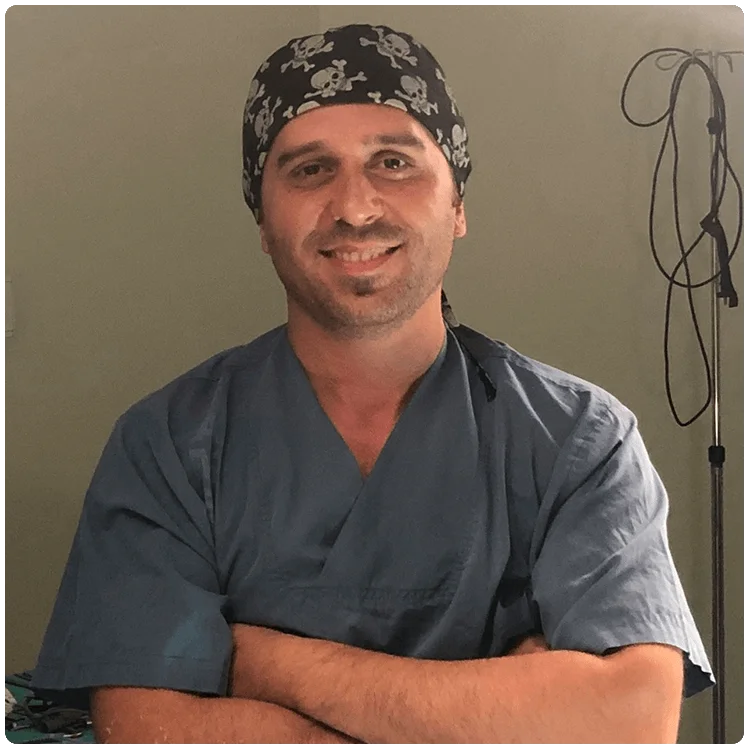
Op. Dr. Hasan Duygulu
Istanbul, Türkiye
Op. Dr. Hasan Duygulu
Born in Turkey, Dr. Hasan Duygulu graduated from Dokuz Eylül University Faculty of Medicine in 2009 and specialized in Ear, Nose and Throat (ENT) Diseases and Head & Neck Surgery. Throughout his career, he has focused on facial aesthetic and reconstructive surgery, with particular expertise in rhinoplasty, septoplasty, otoplasty and facelift. He holds double board certification in facial plastic and reconstructive surgery (EBCFPRS and IBCFPRS). His practice is built on detailed facial evaluation and personalized surgical planning, so that every result looks natural and respects the unique character of each patient’s face.
Dr. Hasan Duygulu’s training did not end with his specialty. He has attended advanced rhinoplasty courses and live surgery workshops across Europe, and in 2016 he took part in deep-plane facelift cadaver dissection courses, which keeps his methods aligned with current scientific literature.
With more than 15 years of experience and over 6,000 operations across rhinoplasty, septoplasty, otoplasty and facelift surgery, he has treated patients from more than 30 countries.
Every patient has a detailed one-on-one consultation, and Dr. Hasan Duygulu personally performs every stage of the surgery, from planning to the final follow-up visit.
Dr. Hasan Duygulu’s approach to turbinate reduction surgery
The turbinates are structures on the side walls of the nose that warm and moisten the air, and when they are enlarged they can block airflow and cause persistent congestion. Dr. Hasan Duygulu, one of the leading turbinate reduction surgery specialists in Turkey, reduces enlarged turbinates while preserving as much of their lining and function as possible, because removing too much tissue can cause problems of its own. Turbinate reduction is often combined with septoplasty, since a deviated septum and enlarged turbinates frequently narrow the airway together, so that breathing can be improved more completely. The aim is clearer airflow with a nose that still warms and moistens the air.
FAQ About Turbinate Reduction Surgery
I am having nasal turbinate surgery for the first time, so I am anxious. Therefore, is the concha enlargement operation a painful procedure?
It is normal to experience mild pain after nasal turbinate reduction surgery. There is no need to worry about this. This pain can be relieved with painkillers recommended by your doctor.
Why is my nose still blocked after nasal turbinate reduction surgery?
Since tissues are treated during nasal turbinate reduction surgery, temporary swelling may occur in the tissues. This can make breathing difficult after surgery. However, as this is temporary, there is no need to worry.
Will my nasal turbinates grow back after surgery?
Most patients experience temporary relief after surgery; however, in cases of allergic or chronic rhinitis, regrowth may occur over time.
Will my nose look different after a nasal septum reduction surgery?
Since nasal septum reduction surgery is performed inside the nose, no difference is observed on the outside of the nose. Therefore, there will be no change in the appearance of your nose.
What are the risks of undergoing rhinoplasty at a young age?
The biggest risk of undergoing rhinoplasty at a young age is that if bone development is not complete, deformities may occur in the nose in later years. In addition, insufficient psychological maturity can lead to unrealistic expectations. Therefore, a detailed evaluation and communication between the patient and doctor are important before surgery.
Is turbinate surgery suitable for young patients?
This is decided at the medical examination. In young patients, doctors usually try conservative treatments such as nasal sprays and allergy control first, and consider surgery only when the blockage continues to affect daily life and sleep. Surgery is generally planned after the nose has finished growing.
Is turbinate reduction surgery in Turkey safe?
Turbinate reduction is generally considered a safe and effective procedure when it is performed by an experienced specialist in an accredited hospital. As with any surgery, there are risks, which your surgeon explains before the operation. Choose a surgeon who preserves the nasal lining and ask how follow-up care works after you return home.
What are the risks and complications of turbinate reduction?
Common side effects include temporary congestion, mild bleeding, crusting and a short-term change in smell. Less common complications include infection, adhesions between the turbinate and septum and persistent or recurrent blockage. Empty nose syndrome is rare and is linked to removing too much tissue, which is why only the excess tissue is reduced.
How long does recovery take after turbinate reduction?
Many people return to light desk work or school within about a week, and sometimes sooner after radiofrequency-based techniques. Strenuous exercise is usually postponed for 1 to 2 weeks. Full healing of the nasal tissue takes about 4 to 6 weeks, and with radiofrequency-based techniques the final result develops over several weeks.
Can turbinate reduction be combined with septoplasty or rhinoplasty?
Yes. Turbinate reduction is frequently combined with septoplasty to correct a deviated septum, or with rhinoplasty to reshape the nose, in a single operation with one anesthesia and one recovery period. Your surgeon decides at the examination whether you need one, two or all three procedures.
How long should I stay in Turkey after turbinate surgery?
After turbinate reduction on its own, many patients stay about 3 days. If it is combined with septoplasty or rhinoplasty, plan about 7 to 10 days so that your surgeon can remove any splints and confirm healing before you fly.
Will turbinate surgery help my snoring?
It can reduce snoring when nasal blockage is a major cause, because opening the nose lowers airway resistance and reduces mouth breathing. It is not a stand-alone treatment for obstructive sleep apnea, which is caused mainly by narrowing in the throat. If you stop breathing during sleep, a sleep assessment is recommended.
Will my nasal turbinates grow back after surgery?
Yes, turbinate tissue can swell or re-enlarge over time, although bone that was removed or repositioned does not return. This usually happens gradually over several years and is driven by untreated allergy, sinus infection or irritants such as smoke. Significant regrowth that needs a second procedure occurs in a minority of patients (some clinical estimates are roughly 10 to 15 percent). For most people the results last many years, and even when some tissue swells back, the turbinates rarely return to their original size, so breathing usually stays much better than before surgery. Managing allergies with the sprays your doctor prescribes and avoiding triggers helps protect the result.