
Abscess, Furuncle and Carbuncle of Nose in Turkey
MD Hasan Duygulu
Nasal abscesses, furuncles, and carbuncles are more than simple skin infections—they can cause significant pain, swelling, breathing difficulties, and, if left untreated, may lead to serious complications due to the nose’s close connection with surrounding facial structures. Prompt diagnosis and appropriate treatment are essential to eliminate the infection, preserve nasal function, and prevent its spread.
At Dr. Hasan Duygulu’s clinic, we provide comprehensive evaluation and treatment for patients with nasal abscesses, furuncles, and carbuncles. Our clinic in Turkey combines advanced diagnostic methods with evidence-based medical and surgical treatment approaches to manage both uncomplicated and complex nasal infections. Every treatment plan is tailored to the patient’s condition, focusing on rapid infection control, symptom relief, preservation of nasal anatomy, and minimizing the risk of recurrence. Discover how expert care at Hasan Duygulu can help you recover safely and restore your nasal health with confidence.
Accessible Team
of Experience
Overview of Nasal Stenosis and Cicatricial Stricture
Local/General
1 Hours
1 Day
5-7 Days Later
1 Week
6 Months - 1 Year
Why Choose Turkey for Nasal Abscess, Furuncle, and Carbuncle Treatment ?
Turkey has firmly established itself as a global hub for medical tourism, attracting patients from around the world seeking high-quality, affordable healthcare. For nasal infections, choosing Turkey in 2026 offers a compelling combination of advantages.
Top 5 Reasons to Choose Turkey for Medical Treatment:
- Cost-Effectiveness: Treatments are significantly more affordable compared to Western countries, often 50-70% less than in the US or UK, without compromising on quality.
- World-Class Medical Facilities: Many hospitals boast international accreditations, such as JCI (Joint Commission International), ensuring adherence to the highest standards of patient care and safety.
- Experienced & Internationally Trained Professionals: Turkish doctors and surgeons are highly qualified, many having received training in Europe and the USA, and are proficient in the latest medical techniques.
- Advanced Infrastructure: State-of-the-art diagnostic equipment, modern operating theaters, and advanced laboratory services are standard.
Turkey’s unique blend of affordability and advanced medical technology often surpasses the quality found in some Western counterparts, especially for specialized procedures, alongside holistic support for international patients.

Why Should You Choose Hasan Duygulu for the Treatment of Nasal Abscesses, Furuncles, and Carbuncles?
- Expertise and Experience: Dr. Hasan Duygulu is an experienced ENT specialist with extensive expertise in diagnosing and treating both uncomplicated and complex nasal infections. His patient-centered approach focuses on eliminating infection while preserving nasal function and anatomy.
- Personalized Treatment Plans: Every patient receives a comprehensive clinical evaluation to determine the severity, cause, and extent of the infection. Based on these findings, an individualized treatment plan is developed, whether medical management, drainage procedures, or surgical intervention is required.
- Comprehensive Care: From the initial consultation and diagnosis to treatment, follow-up care, and recovery, Dr. Hasan Duygulu and his team provide continuous support to ensure safe healing, minimize complications, and reduce the risk of recurrence.
- Advanced Diagnostic and Treatment Techniques: Our clinic utilizes modern diagnostic methods and evidence-based treatment protocols to accurately identify nasal infections and deliver effective care. When necessary, minimally invasive surgical techniques are performed to drain abscesses, preserve healthy tissue, and promote faster recovery.
Understanding Nasal Abscesses, Furuncles, and Carbuncles: A Medical Overview
Nasal infections can range from localized boils to deep, extensive pus collections, each demanding specific medical attention. Understanding their distinctions is crucial for effective treatment.
- Nasal Abscess: A localized collection of pus within the nasal tissues, often deep beneath the skin or mucous membrane.
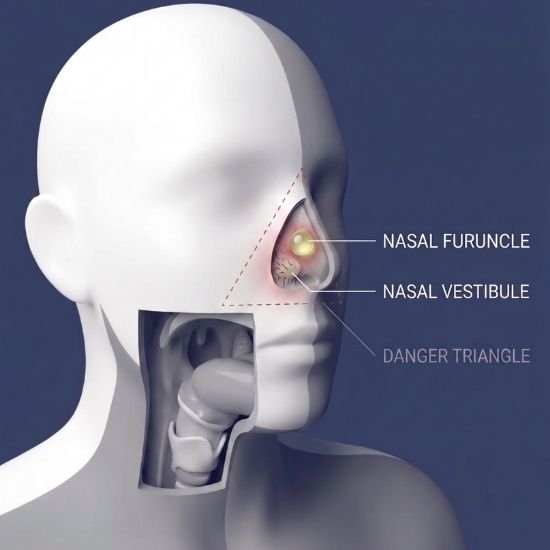
- Nasal Furuncle: A painful, red, pus-filled lump that forms when a hair follicle inside the nose becomes infected, typically by bacteria.
- Nasal Carbuncle: A cluster of interconnected furuncles that form a deeper, more extensive infection with multiple drainage points, often accompanied by systemic symptoms.
These conditions primarily affect the nasal region, a critical area due to its proximity to the brain and unique vascular supply, often referred to as the ‘danger triangle’ of the face. Common causes include bacterial infections (most often Staphylococcus aureus), trauma, or compromised immunity. Risk factors such as diabetes, poor hygiene, and nasal picking can increase susceptibility. If left untreated, potential complications are severe, including cavernous sinus thrombosis, cellulitis, and even sepsis, making immediate, expert attention paramount.


Nasal Abscess: Symptoms, Diagnosis, and Urgency
What are the signs of a nasal abscess? Key signs include intense pain, significant swelling, redness, and a noticeable collection of pus, often accompanied by fever and nasal obstruction. The rapid progression potential of nasal abscesses makes distinguishing them from less severe conditions critical to avoid delayed treatment and complications.
Diagnosis typically involves:
- Physical Examination: A thorough visual and tactile assessment by an ENT specialist.
- Imaging: CT or MRI scans may be necessary for deeper assessment of the infection’s extent and to rule out intracranial involvement.
- Bacterial Culture: A sample of pus is sent to the lab to identify the specific bacteria causing the infection and determine its antibiotic sensitivity.
The critical need for prompt drainage and targeted antibiotic therapy cannot be overstated, as delayed intervention can lead to severe, life-threatening complications.
Nasal Furuncle: Identifying and Managing a Localized Infection
A nasal furuncle presents as a tender, red nodule, often painful to the touch, with a central pustule. It typically arises from a Staphylococcus aureus infection of a hair follicle within the nasal vestibule. While seemingly localized, self-treatment, particularly squeezing, can be dangerous due to the risk of spreading the infection to deeper tissues or the bloodstream.
Management usually involves:
- Warm Compresses: To promote drainage and reduce discomfort.
- Topical/Oral Antibiotics: To combat the bacterial infection.
- Incision and Drainage (I&D): If the furuncle becomes fluctuant (soft and compressible), surgical drainage may be required.
A nasal furuncle is a localized infection of a single hair follicle, typically less severe than an abscess, but still requires professional medical attention.

Nasal Carbuncle: Understanding a More Severe Infection
Nasal carbuncles represent a more severe and extensive form of infection. They are characterized by a cluster of interconnected furuncles, leading to a deeper and more widespread infection with multiple drainage points. Patients often experience systemic symptoms such as fever and chills, indicating a higher risk of systemic complications.
Nasal Furuncle vs. Carbuncle: Key Differences
Feature | Nasal Furuncle | Nasal Carbuncle |
|---|---|---|
Infection Depth | Superficial, single hair follicle | Deeper, involves multiple follicles and subcutaneous tissue |
Size/Extent | Small, localized nodule | Larger, extensive lesion with multiple heads |
Symptoms | Localized pain, redness, pustule | Severe pain, redness, swelling, fever, chills, malaise |
Complication Risk | Lower, but still present | Higher, systemic complications more likely |
Treatment Focus | Local care, antibiotics, possibly I&D | Aggressive antibiotics, extensive surgical drainage, hospital admission often required |
Treatment for nasal carbuncles necessitates aggressive antibiotics, often intravenously, and comprehensive surgical drainage, along with meticulous wound care. Hospital admission is frequently required due to the systemic nature and higher severity of these infections, differentiating them significantly from localized furuncles.
What Causes Nasal Abscesses, Furuncles, and Carbuncles?
- Bacterial infections: The most common cause is infection with Staphylococcus aureus, which can enter the skin or hair follicles inside the nose through small cuts or irritation.
- Nose picking or trauma: Frequent nose picking, excessive rubbing, or minor injuries to the nasal lining can create openings that allow bacteria to enter and cause infection.
- Infected nasal hair follicles: Infection of a hair follicle inside the nostril can lead to a nasal furuncle, which may progress to an abscess if left untreated.
- Weakened immune system: Conditions such as diabetes, immune deficiencies, or the use of immunosuppressive medications increase the risk of developing nasal infections.
- Poor nasal hygiene: Inadequate hygiene or frequent touching of the nose with unclean hands can introduce bacteria and contribute to infection.
- Spread of untreated infection: A localized furuncle may enlarge and develop into a carbuncle or a deeper nasal abscess if the infection spreads to surrounding tissues.
- Chronic skin conditions: Skin disorders such as eczema, dermatitis, or recurrent nasal irritation can damage the skin barrier, making bacterial infections more likely.


Who Is an Ideal Candidate for Treatment of Nasal Abscesses, Furuncles, and Carbuncles?
The following individuals are considered ideal candidates for medical or surgical treatment:
- Individuals with a painful, swollen lump inside or around the nostril.
- Patients experiencing redness, warmth, tenderness, or pus drainage from the affected area.
- People with nasal abscesses that do not improve with antibiotics or conservative treatment.
- Individuals suffering from recurrent nasal furuncles or carbuncles.
- Patients whose infection is causing difficulty breathing through the nose due to swelling.
- Individuals with diabetes, weakened immune systems, or other conditions that increase the risk of infection-related complications.
- Patients with spreading facial redness, fever, or severe pain, which may indicate a more serious infection requiring prompt treatment.
- Individuals requiring incision and drainage because of a large abscess or significant pus collection.
- Patients seeking early treatment to prevent the spread of infection and preserve normal nasal function and anatomy.
- Anyone in good general health who can safely undergo medical or minor surgical treatment when indicated.
Benefits of Treatment for Nasal Abscesses, Furuncles, and Carbuncles
Prompt diagnosis and appropriate treatment provide benefits that go far beyond eliminating the infection. Effective management helps relieve symptoms, preserves nasal function, and reduces the risk of potentially serious complications.
- Rapid Relief of Pain and Swelling: Treatment helps reduce inflammation, tenderness, and discomfort, allowing patients to return to their normal daily activities more quickly.
- Prevention of Infection Spread: Early intervention minimizes the risk of the infection spreading to surrounding facial tissues or, in rare cases, deeper structures.
- Improved Nasal Breathing: Reducing swelling and draining abscesses when necessary helps restore normal airflow through the nasal passages.
- Preservation of Nasal Anatomy: Prompt treatment helps prevent tissue damage, cartilage involvement, and permanent deformities that may occur if infections are left untreated.
- Lower Risk of Recurrence: Identifying and addressing the underlying cause of the infection, combined with appropriate medical care, helps reduce the likelihood of future nasal infections.
- Reduced Risk of Serious Complications: Proper management lowers the chance of complications such as cellulitis, abscess progression, or the spread of infection to nearby structures.
- Faster Recovery and Better Quality of Life: Effective treatment shortens recovery time, relieves discomfort, and enables patients to resume work, social activities, and daily routines with confidence.
- Personalized Treatment for Optimal Outcomes: Every patient receives an individualized treatment plan based on the severity of the infection, ensuring the most effective and appropriate approach for a safe recovery.
Ask Our Experts!
You can fill out the form to get answers to all your questions and detailed information about treatments.
Your Treatment Journey: From Consultation to Recovery
Receiving treatment for a nasal abscess, furuncle, or carbuncle is typically a straightforward process when diagnosed early. Understanding each stage of your care helps ensure a smooth recovery while minimizing the risk of complications.
Step 1: Initial Consultation & Diagnosis
Your journey begins with a comprehensive evaluation by Dr. Hasan Duygulu: assessing your symptoms (pain, swelling, redness, drainage), a detailed examination of the affected area, a review of your medical history (diabetes, immune disorders, previous infections), and determining the severity of the infection. We then explain the most appropriate approach — medical therapy, abscess drainage, or minor surgical intervention — and build a personalized treatment plan.
Key questions to ask during your consultation: What type of nasal infection do I have? Will antibiotics alone be enough, or is drainage necessary? How long will recovery take? Are there any risks if treatment is delayed? What can I do to prevent future infections?
Step 2: Preparing for Treatment
Depending on the severity of your infection, you’ll receive clear instructions beforehand:
- Share all current medications and any history of allergies, diabetes, or immune system disorders
- Avoid manipulating or squeezing the infected area before treatment
- Follow fasting instructions if a procedure under anesthesia is planned
- Arrange transportation if sedation or general anesthesia will be used
Step 3: The Treatment Procedure
Mild infections are typically treated with topical or oral antibiotics, pain management, and local care. Nasal abscesses usually require incision and drainage to remove the infected material and relieve pressure, performed under local or general anesthesia when necessary. Any collected pus may be sent for lab analysis to identify the bacteria and guide antibiotic selection. Afterward, the area is carefully cleaned and postoperative care instructions are provided.
Step 4: Recovery & Aftercare
- First 1–3 days: Pain, swelling, and tenderness gradually improve. Continue prescribed antibiotics as directed, and keep the area clean and untouched.
- First week: Most patients experience significant symptom relief; a follow-up appointment may be scheduled to confirm the infection has fully resolved.
- Following weeks: Tissues continue to heal, normal nasal function gradually returns, and patients can resume regular activities once cleared by their physician.

Managing Pain and Discomfort During Recovery
Pain and discomfort are common during the early stages of recovery, but they can usually be managed effectively with appropriate treatment and aftercare. Our team provides comprehensive guidance to ensure a comfortable healing process.
- Pain Management: You may be prescribed pain medication to relieve discomfort following abscess drainage or minor surgical treatment. Over-the-counter pain relievers may also be recommended when appropriate.
- Swelling and Inflammation: Mild swelling and tenderness are expected after treatment. Applying a cold compress to the outside of the nose (without direct pressure) and following your physician’s instructions can help reduce inflammation.
- Completing Antibiotic Therapy: Taking all prescribed antibiotics exactly as directed is essential for eliminating the infection and reducing the risk of recurrence.
- Recognizing Warning Signs: Contact our clinic immediately if you experience increasing pain, persistent fever, worsening redness, excessive swelling, continued pus drainage, or difficulty breathing through the nose, as these may indicate persistent or spreading infection.
We prioritize effective symptom management and maintain clear communication throughout your recovery, ensuring you receive the support you need at every stage.
Managing Pain and Discomfort During Recovery
Some discomfort, swelling, and nasal congestion are normal during the early stages of recovery following treatment for nasal stenosis and cicatricial stricture. Our team provides comprehensive postoperative guidance to ensure a safe, comfortable, and successful healing process.
- Pain Management: You may be prescribed pain medication to relieve postoperative discomfort. Over-the-counter pain relievers may also be recommended when appropriate.
- Swelling and Nasal Congestion: Mild swelling and temporary nasal blockage are expected after surgery. Applying cold compresses to the surrounding facial area (when advised) and keeping your head elevated can help reduce swelling.
- Nasal Care: You may be instructed to use saline nasal sprays or irrigations to keep the nasal passages clean and promote healthy healing. Avoid blowing your nose until your surgeon advises it is safe.
- Recognizing Warning Signs: Contact our clinic immediately if you experience excessive bleeding, severe pain, persistent fever, worsening swelling, increasing nasal obstruction, or signs of infection, as these may require prompt medical evaluation.
We prioritize effective symptom management and maintain clear communication throughout your recovery, ensuring you receive personalized support at every stage.


Post-Treatment Care and Follow-Up
Scheduled follow-up appointments are an important part of your recovery after treatment for a nasal abscess, furuncle, or carbuncle. These visits allow our medical team to monitor your healing, evaluate the effectiveness of the treatment, and ensure the infection has resolved completely.
Follow-up appointments may include:
- Assessment of the treated area and overall healing.
- Evaluation for any remaining infection or inflammation.
- Adjustment of medications, if necessary.
- Wound care or dressing changes following abscess drainage.
- Personalized advice to help prevent future nasal infections.
Our commitment to long-term follow-up helps promote complete healing while minimizing the risk of recurrence.
Potential Risks and Complications of Nasal Abscesses, Furuncles, and Carbuncles
Although most nasal infections respond well to prompt treatment, delaying diagnosis or treatment can increase the risk of complications. During your consultation, we will explain these risks and discuss the most appropriate treatment plan for your condition.
Potential Complications Include:
- Spread of Infection: The infection may extend into surrounding facial tissues, causing cellulitis or deeper soft tissue infections.
- Abscess Formation: A furuncle may progress into a larger abscess requiring surgical drainage.
- Recurrent Infections: Some patients may experience repeated infections, particularly if underlying risk factors are not addressed.
- Nasal Cartilage Damage: Severe or untreated infections can damage the nasal cartilage and affect the structure of the nose.
- Systemic Infection: In rare cases, bacteria may spread into the bloodstream, leading to more serious illness.
- Cavernous Sinus Thrombosis: Because the nose lies within the facial “danger triangle,” untreated infections can rarely spread to the cavernous sinus, making early treatment essential.
- Delayed Healing: Patients with diabetes, weakened immune systems, or those who smoke may experience slower recovery and require closer follow-up.
Early diagnosis, appropriate antibiotic therapy, and timely surgical intervention when necessary significantly reduce the risk of complications and support a safe, successful recovery.
Nasal Abscess, Furuncle & Carbuncle and Related Treatments
Infections of the nose can sometimes affect the septum and nasal structure, and may leave lasting breathing or shape concerns. Dr. Hasan Duygulu evaluates the whole nose and offers targeted treatments for each cause.
Septoplasty
Straightens a deviated nasal septum to improve airflow and relieve blocked breathing. Dr. Hasan Duygulu focuses on restoring function while protecting the natural structure of the nose.
Septal Perforation Repair
Closes a hole in the nasal septum that may cause whistling, crusting or bleeding, sometimes after earlier surgery. Dr. Hasan Duygulu repairs the septum to restore comfortable breathing.
Nasal Valve Collapse Surgery
Treats collapse of the narrow nasal valve area that can cause blocked breathing, often after a previous nose surgery. Dr. Hasan Duygulu restores support to open the airway.
Turbinate Reduction Surgery
Reduces enlarged turbinates that block airflow and cause persistent nasal congestion. It is often combined with septoplasty to improve breathing more completely.
Revision Rhinoplasty
When scar tissue and narrowing develop after a previous nose surgery, revision rhinoplasty can restore both structure and airflow. Dr. Hasan Duygulu plans these cases carefully around scar tissue and altered anatomy.
Saddle Nose Deformity
Rebuilds a nasal bridge that has sunk or flattened due to trauma, surgery or disease. Reconstruction restores the bridge’s height and structural support.
Nasal Stenosis & Cicatricial Stricture
Treats narrowing of the nasal passage caused by scar tissue after surgery, trauma or infection. The goal is to reopen the airway and restore comfortable breathing.
Nasal Polyp Surgery
Removes nasal polyps that cause blockage, reduced sense of smell and recurring congestion. Dr. Hasan Duygulu restores clearer airflow and helps ease sinus-related symptoms.
Ask Our Experts!</span
You can fill out the form to get answers to all your questions and detailed information about treatments.
FAQ About Rhinoplasty in Turkey
How long does it take to recover from rhinoplasty?
You may be healed 1-2 weeks after rhinoplasty. However, you have to wait 6 months to see clear results.
Is Turkey safe for rhinoplasty?
Yes. Turkey is one of the reliable countries for rhinoplasty. Turkey has become an important choice in aesthetic and health tourism in recent years.
How long should I stay in Turkey for rhinoplasty?
You must stay in Turkey for 2 weeks for rhinoplasty. However, this time may vary depending on the type of surgery, your recovery speed, and your surgeon’s recommendations.
How soon after rhinoplasty can I return to work?
You can return to work 7 to 10 days after rhinoplasty. However, this period may vary depending on your recovery speed.
Will there be any scars after rhinoplasty?
After rhinoplasty, there will be no scar left on your nose. Because the incisions are stitched very thin and heal over time.
FAQ About Nasal Abscesses, Furuncles, and Carbuncles
How does the rapid escalation potential of nasal infections, particularly abscesses, influence the urgency and planning of treatment protocols in Turkey?
he rapid escalation potential of nasal infections, especially abscesses, critically dictates the urgency and planning of treatment protocols in Turkey. Turkish medical professionals prioritize swift and precise diagnosis to prevent the infection from spreading to vital structures like the brain, which is a significant risk given the nasal region’s proximity. This urgency translates into rapid diagnostic pathways and immediate intervention, often involving prompt drainage and targeted antibiotic therapy, to mitigate severe, life-threatening complications.
What is the role of "meticulous wound care" in the comprehensive treatment plan for severe nasal infections like carbuncles in Turkey, and how does it contribute to successful recovery?
Meticulous wound care plays a crucial role in the comprehensive treatment plan for severe nasal infections like carbuncles in Turkey. Following aggressive antibiotics and extensive surgical drainage, diligent wound care is essential to prevent secondary infections, promote optimal healing, and minimize scarring. This careful post-operative management helps ensure complete resolution of the infection, reduces the risk of recurrence, and supports the best possible aesthetic and functional outcomes for the patient.
Beyond Staphylococcus aureus, are there other common bacterial pathogens or factors that Turkish specialists consider when diagnosing and treating nasal infections?
While Staphylococcus aureus is indeed the most common bacterial pathogen, Turkish specialists consider other factors and potential pathogens when diagnosing and treating nasal infections. Common causes include bacterial infections (plural), trauma, or compromised immunity, alongside risk factors like diabetes, poor hygiene, and nasal picking. Therefore, diagnostic steps like bacterial culture are crucial to identify any specific bacteria present and determine its antibiotic sensitivity, ensuring a tailored and effective treatment regardless of the pathogen.
What is the role of advanced laboratory testing, beyond basic microbial culture, in guiding precise treatment for complex nasal infections in Turkey in 2026?
In 2026, advanced laboratory testing in Turkey plays a significant role beyond basic microbial culture in guiding precise treatment for complex nasal infections. While microbial culture identifies the specific bacteria, advanced testing provides more detailed information, such as rapid identification of less common pathogens or comprehensive antibiotic susceptibility profiles. This allows Turkish specialists to fine-tune antibiotic therapies, ensuring the most effective medication is used, thereby reducing treatment delays and improving patient outcomes for challenging infections.
How do Turkish medical professionals manage pain effectively during and after treatment for painful nasal conditions like furuncles and carbuncles?
Turkish medical professionals prioritize effective pain management throughout the treatment process for painful nasal conditions like furuncles and carbuncles. For less severe cases, conservative management often includes pain management strategies alongside warm compresses and antibiotics. For more severe conditions requiring surgical intervention, appropriate analgesia is administered during and after procedures like Incision and Drainage or surgical debridement, ensuring patient comfort and supporting a smoother recovery period.
In what ways does Turkey's patient-centric approach contribute to superior recovery and aesthetic outcomes for individuals with nasal infections?
Turkey’s patient-centric approach is designed to provide comprehensive care that goes beyond just clearing the infection. It integrates advanced medical techniques and the expertise of specialized ENT and plastic surgeons to ensure not only optimal recovery from the infection but also excellent aesthetic results. This holistic focus means that treatment plans are tailored to minimize scarring and preserve nasal appearance, which is a crucial concern for many patients.
Why is the precise and timely differentiation of a nasal abscess from other, less severe nasal infections crucial for effective treatment in Turkey?
Precise and timely differentiation of a nasal abscess is critical due to its rapid progression potential and the severe complications that can arise from delayed treatment. Nasal abscesses, if not promptly identified and managed, can lead to life-threatening conditions such as cavernous sinus thrombosis, cellulitis, or even sepsis. Therefore, expert medical teams in Turkey prioritize accurate diagnosis to ensure immediate and targeted intervention, often involving prompt drainage and specific antibiotic therapy, to prevent these serious outcomes.
What are the distinguishing characteristics and systemic implications that make a nasal carbuncle a more serious concern compared to a nasal furuncle?
A nasal carbuncle is a significantly more serious infection than a furuncle due to its extensive nature and systemic implications. While a furuncle is a localized infection of a single hair follicle, a carbuncle involves a cluster of interconnected furuncles, forming a deeper and more widespread infection with multiple drainage points. This deeper involvement often leads to systemic symptoms like fever, chills, and malaise, indicating a higher risk of the infection spreading throughout the body and causing severe systemic complications.
How do Turkish medical professionals utilize advanced imaging techniques, such as CT or MRI scans, to accurately diagnose complex nasal infections?
Turkish medical professionals leverage advanced imaging techniques like CT or MRI scans for complex nasal infections to gain a comprehensive understanding of the infection’s extent. These scans are crucial for a deeper assessment of the infection’s spread within the nasal tissues and surrounding structures, helping to rule out critical complications such as intracranial involvement or orbital spread. This detailed visualization ensures that treatment plans are precisely tailored to address the full scope of the infection.
Under what circumstances is surgical intervention, such as Incision and Drainage (I&D) or debridement, typically recommended for nasal infections in Turkey, rather than conservative management alone?
Surgical intervention, including Incision and Drainage (I&D) or debridement, is typically recommended when there is clear evidence of pus collection or if the infection is extensive and not responding to conservative management. For abscesses and furuncles, I&D is performed to drain the pus, relieve pressure, and remove infected material. For more severe and widespread infections like carbuncles, surgical debridement is often necessary to aggressively remove necrotic tissue and thoroughly clear the infection, especially when systemic symptoms are present.
Besides effectively clearing the infection, what crucial secondary outcome do Turkish ENT and plastic surgeons prioritize when treating complex nasal infections?
Beyond effective infection clearance, Turkish ENT and plastic surgeons place a significant emphasis on preserving and optimizing nasal aesthetics. They are highly adept at managing complex infections while simultaneously considering the cosmetic outcomes, which is a crucial factor for patients concerned about their appearance post-treatment. This dual focus ensures both medical recovery and patient satisfaction regarding their facial appearance.
Which specific bacterial pathogen is most commonly identified as the cause of nasal furuncles and other related nasal infections?
The bacterial pathogen most commonly responsible for nasal furuncles and other related nasal infections, such as abscesses and carbuncles, is Staphylococcus aureus. This bacterium frequently infects hair follicles within the nasal vestibule, leading to the development of these painful and potentially serious conditions. Identifying the specific bacteria through microbial culture is vital for guiding targeted antibiotic therapy.
Why is the nasal region, often referred to as the 'danger triangle' of the face, particularly concerning when affected by infections like abscesses, furuncles, and carbuncles?
The nasal region is considered a ‘danger triangle’ due to its critical proximity to the brain and its unique vascular supply. Infections in this area carry a high risk of spreading to vital structures, including the brain. If left untreated, severe complications such as cavernous sinus thrombosis, cellulitis, and even sepsis can occur, making immediate expert attention paramount to prevent life-threatening outcomes.
What kind of specialized medical team is involved in managing complex nasal infections in Turkey, and what is their dual focus?
In Turkey, the management of complex nasal infections adopts a multidisciplinary approach, often involving highly specialized ENT surgeons, infectious disease specialists, and plastic surgeons. This collaborative team ensures both effective infection clearance and optimal cosmetic outcomes. Their dual focus is on successfully eradicating the infection while meticulously preserving or restoring nasal aesthetics, which is a crucial factor for patients concerned about their appearance.
Why is self-treatment, particularly squeezing, of a nasal furuncle strongly discouraged by medical professionals?
Self-treatment of a nasal furuncle, especially squeezing it, is strongly discouraged because it can be extremely dangerous. This action significantly increases the risk of spreading the bacterial infection from the localized hair follicle to deeper tissues or even into the bloodstream, potentially leading to more severe complications like cellulitis or cavernous sinus thrombosis. Professional medical attention is essential to ensure proper and safe management of the infection and prevent its escalation.
How does Turkey's multidisciplinary approach benefit patients with complex nasal infections?
Turkey employs a comprehensive multidisciplinary approach for complex nasal infections, involving ENT surgeons, infectious disease specialists, and plastic surgeons. This collaborative effort ensures that patients receive holistic care, addressing not only the immediate infection but also potential systemic complications and aesthetic outcomes. This integrated strategy leads to more effective treatment plans and better long-term recovery for patients.
What is the significance of nasal endoscopy in diagnosing nasal infections in Turkey?
Nasal endoscopy is a crucial diagnostic tool utilized in Turkey for nasal infections. This minimally invasive procedure involves using a thin, flexible scope to provide a direct, detailed visualization of the nasal passages. It allows specialists to accurately identify the precise source and extent of the infection, which is vital for guiding targeted treatment and avoiding unnecessary interventions.
Why is hospital admission frequently required for the treatment of nasal carbuncles in Turkey?
Hospital admission is often necessary for treating nasal carbuncles in Turkey due to their severe and systemic nature. Unlike localized furuncles, carbuncles involve deeper, more extensive infections with multiple drainage points, frequently accompanied by systemic symptoms like fever and chills. This severity necessitates aggressive intravenous antibiotic therapy, comprehensive surgical drainage, and meticulous wound care, all of which are best managed in a hospital setting to monitor for complications and ensure optimal recovery.
What specific role does microbial culture and antibiotic susceptibility testing play in tailoring treatment for nasal infections in Turkey?
Microbial culture and antibiotic susceptibility testing play a critical role in personalizing treatment for nasal infections in Turkey. After a sample of pus is collected, it is sent to a lab to identify the exact bacterial pathogen causing the infection. This testing then determines which specific antibiotics will be most effective against that particular bacteria, allowing for highly targeted antibiotic therapy and preventing the use of ineffective medications.
How do Turkish medical professionals utilize different diagnostic methods to accurately pinpoint nasal infections?
Turkish medical professionals employ a meticulous diagnostic process starting with a thorough physical examination and consultation with experienced ENT specialists. They utilize nasal endoscopy for direct visualization of nasal passages and advanced imaging like CT or MRI scans to assess the infection’s depth, extent, and rule out intracranial involvement. Crucially, microbial culture and antibiotic susceptibility testing are performed to identify the specific pathogen and guide targeted, effective antibiotic therapy.
What long-term patient outcomes, beyond immediate infection resolution, are emphasized in Turkey's comprehensive treatment plans for nasal infections?
Beyond effectively clearing the infection, Turkey’s comprehensive treatment plans prioritize optimal recovery and aesthetic outcomes for patients. Highly specialized ENT and plastic surgeons work collaboratively to manage the infection while simultaneously preserving or restoring nasal aesthetics, which is a crucial factor for patients concerned about their appearance and overall well-being post-treatment. This patient-centric approach ensures both functional and cosmetic success.
Given the detailed comparison, what specific characteristics make nasal carbuncles a more serious concern than furuncles, and how does this severity dictate a different treatment strategy in Turkey?
Nasal carbuncles are significantly more serious than furuncles because they involve a deeper, more extensive infection with multiple interconnected follicles and often present with systemic symptoms like fever and chills, indicating a higher risk of widespread complications. This increased severity necessitates a more aggressive treatment strategy in Turkey, typically involving intravenous antibiotics, comprehensive surgical drainage, meticulous wound care, and frequently, hospital admission for close monitoring and management.
Why is immediate medical intervention for a nasal abscess particularly critical, and what are the specific, severe complications that can arise from delayed treatment?
Immediate medical intervention for a nasal abscess is critically urgent due to its rapid progression potential and the delicate anatomy of the ‘danger triangle’ of the face. Delayed treatment can lead to severe, life-threatening complications such as cavernous sinus thrombosis, cellulitis, and even sepsis, which underscores the paramount importance of prompt diagnosis and targeted therapy to prevent these serious outcomes.
What specific advancements in medical infrastructure and expertise in Turkey contribute to its capability in providing world-class treatment for complex nasal infections in 2026?
In 2026, Turkey’s medical infrastructure boasts significant investments in cutting-edge technology, including high-resolution imaging and advanced laboratory testing for precise pathogen identification. This is complemented by specialized medical expertise, with highly skilled ENT and plastic surgeons adept at employing minimally invasive endoscopic drainage techniques and performing reconstructive plastic surgery, ensuring a full spectrum of advanced diagnostic and therapeutic solutions for complex nasal infections.
How does Turkey ensure precise and timely diagnosis for nasal infections, and what is the role of rapid diagnostic pathways in this process?
Turkey’s medical sector employs meticulous and swift diagnostic processes for nasal infections. This includes initial consultations with experienced ENT specialists, detailed physical examinations, and nasal endoscopy for direct visualization of the nasal passages. Crucially, rapid diagnostic pathways are integrated to ensure timely and accurate identification of the pathogen, which significantly reduces treatment delays and allows for prompt, targeted intervention.
How does microbial culture and antibiotic susceptibility testing contribute to effective treatment protocols for nasal infections in Turkey?
Microbial culture and antibiotic susceptibility testing are crucial diagnostic steps that significantly contribute to effective treatment protocols in Turkey. By taking a sample of pus and analyzing it in a laboratory, specialists can precisely identify the specific bacteria causing the infection and determine which antibiotics will be most effective against it. This precise information guides targeted antibiotic therapy, ensuring the most potent treatment is administered and reducing treatment delays for optimal patient recovery in 2026.
Why are nasal infections like abscesses, furuncles, and carbuncles considered serious and require immediate medical attention?
Nasal infections, despite appearing minor, can rapidly escalate into severe health concerns due to the delicate anatomy of the face and its proximity to vital structures like the brain, often referred to as the ‘danger triangle.’ If left untreated, these conditions can lead to life-threatening complications such as cavernous sinus thrombosis, cellulitis, and even sepsis, necessitating prompt and expert intervention to prevent irreversible damage and ensure patient safety.
What are the key distinctions between a nasal furuncle and a nasal carbuncle?
A nasal furuncle is a localized infection of a single hair follicle, typically presenting as a small, tender nodule with a central pustule, and is generally more superficial. In contrast, a nasal carbuncle is a more severe and extensive infection, characterized by a cluster of interconnected furuncles involving multiple follicles and deeper subcutaneous tissue, leading to a larger lesion with multiple drainage points. Carbuncles often present with systemic symptoms like fever and chills, indicating a higher risk of systemic complications compared to furuncles.
What diagnostic procedures can patients expect when seeking treatment for nasal infections in Turkey in 2026?
In 2026, patients seeking treatment for nasal infections in Turkey can expect a meticulous and swift diagnostic process aimed at precise pathogen identification and assessment of infection extent. This typically includes an initial consultation with experienced ENT specialists, a detailed physical examination, and a nasal endoscopy for direct visualization of the infection source. For deeper or more extensive infections, advanced imaging such as CT or MRI scans with contrast may be utilized, alongside microbial culture and antibiotic susceptibility testing to identify the specific bacteria and guide targeted antibiotic therapy.
What are the primary causes and risk factors associated with developing nasal abscesses, furuncles, and carbuncles?
The primary cause of these nasal infections is typically bacterial, most often Staphylococcus aureus, which infects hair follicles or deeper tissues within the nasal region. Other contributing factors can include trauma to the nasal area or a compromised immune system, making individuals more vulnerable. Additionally, certain risk factors such as diabetes, poor hygiene practices, and habits like nasal picking can significantly increase an individual’s susceptibility to developing these serious conditions by introducing bacteria or creating entry points for infection.
Why is Turkey considered a premier destination for treating complex nasal infections in 2026?
In 2026, Turkey stands out as a premier destination for treating complex nasal infections due to significant investments in cutting-edge technology and specialized medical expertise. The country offers world-class medical care with advanced diagnostic and therapeutic solutions, including highly specialized ENT and plastic surgeons adept at both effective infection management and preserving nasal aesthetics. This patient-centric approach ensures optimal recovery and cosmetic outcomes, making Turkey an attractive choice for international patients.