
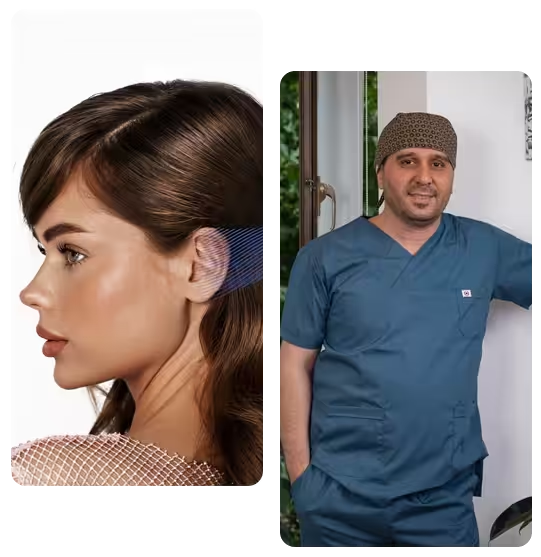
Revision Otoplasty in Turkey, Istanbul
MD Hasan Duygulu
Choosing to revisit a previous ear surgery is never an easy decision — it takes courage to seek a second opinion after an outcome that didn’t meet your expectations. At Hasan Duygulu, this is exactly where our work begins. Rather than treating revision otoplasty as a routine cosmetic touch-up, our team approaches every case as a reconstructive challenge that calls for individual attention, technical precision, and genuine empathy. By combining specialized surgical experience with a thorough understanding of ear anatomy and the emotional considerations patients bring to a second procedure, Hasan Duygulu works with each patient toward a natural-looking, stable result tailored to their unique anatomy and healing process.
Accessible Team
of Experience
Overview of Revision Otoplasty in Istanbul
Local/General
1 Hours
1 Day
5-7 Days Later
1 Week
6 Months - 1 Year
The Hasan Duygulu Approach to Revision Otoplasty?
At Hasan Duygulu, we understand that revision otoplasty is far more complex than primary ear surgery. Every failed or unsatisfactory otoplasty presents unique anatomical challenges, including scar tissue, cartilage deformities, asymmetry, or overcorrection. Rather than applying a standard solution, we develop a personalized surgical plan designed to restore both the natural appearance and structural integrity of the ears.
Personalized Consultation
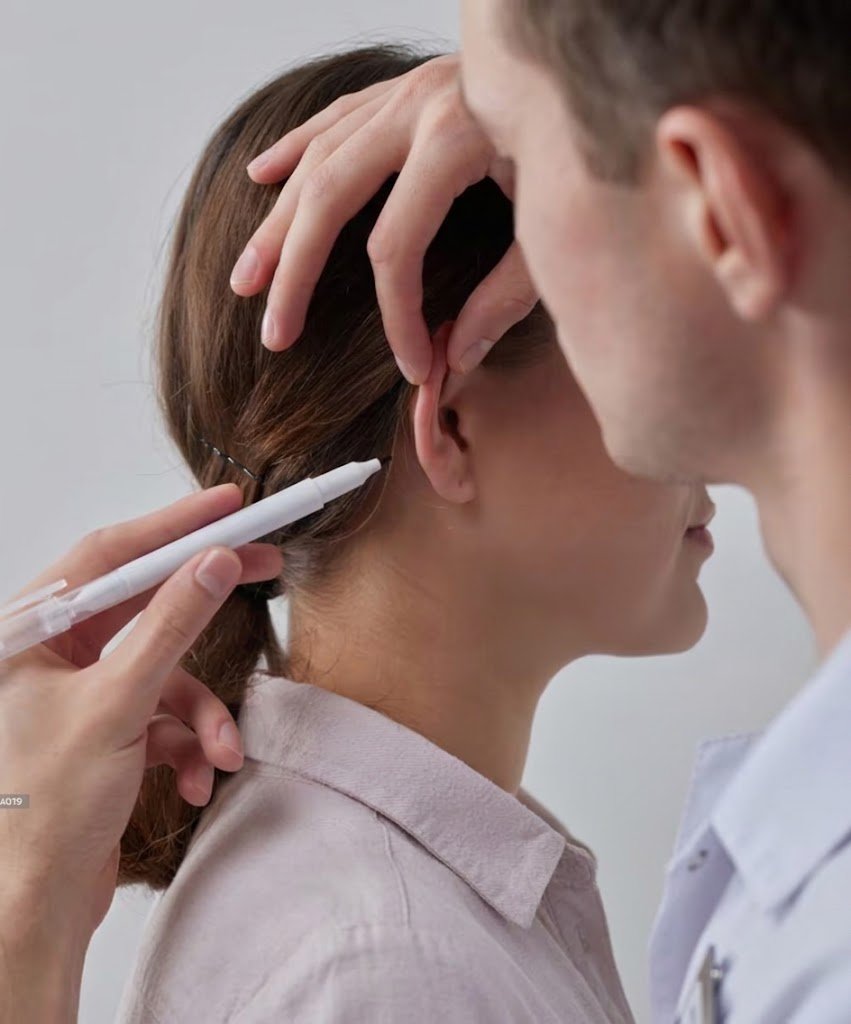
Every revision journey begins with a comprehensive consultation. Our specialists carefully evaluate your previous surgical history, current ear anatomy, cartilage condition, skin quality, and the specific concerns you wish to correct. We discuss your expectations in detail while determining the safest and most effective reconstructive approach. This individualized assessment allows us to create a treatment plan tailored to your unique anatomy and aesthetic goals.
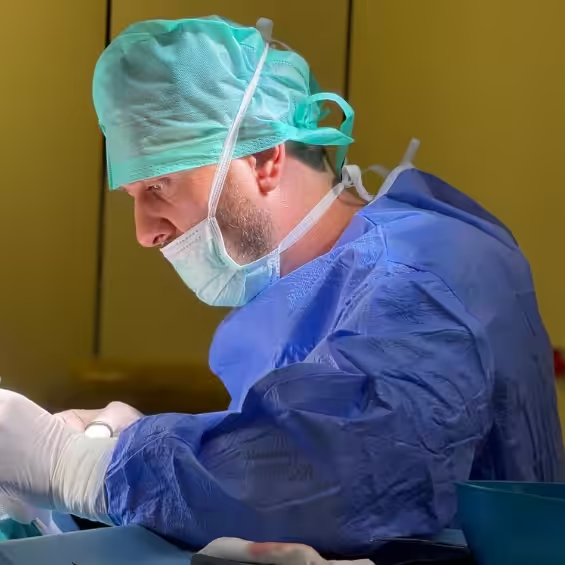
Why Choose a Facial Plastic Surgeon for Your Revision Otoplasty in Turkey?
Choosing the right surgeon is the most important decision when considering revision otoplasty. Unlike primary ear surgery, revision procedures involve correcting complications or unsatisfactory outcomes from previous operations, often requiring advanced reconstructive expertise. Selecting a surgeon with extensive experience in facial plastic and reconstructive surgery at Hasan Duygulu provides significant advantages for achieving both natural aesthetics and long-term structural stability.
Expertise in Complex Ear Anatomy and Revision Surgery
Revision otoplasty requires a thorough understanding of the intricate anatomy of the external ear, including the cartilage framework, skin, scar tissue, and blood supply. Previous surgery may have altered these structures, making secondary correction considerably more challenging than the original procedure. An experienced facial plastic surgeon understands how even minor adjustments to cartilage shape, tension, or positioning can significantly influence ear symmetry, contour, and long-term stability. This expertise allows for precise surgical planning while minimizing the risk of additional deformities or overcorrection.
A Comprehensive Approach: Restoring Both Form and Structure
Many patients seeking revision otoplasty are concerned not only about the cosmetic appearance of their ears but also about structural problems caused by previous surgery. These may include excessive cartilage removal, unnatural ear positioning, asymmetry, visible irregularities, or scar-related deformities.
At Hasan Duygulu, every revision otoplasty is approached as a reconstructive procedure rather than a simple cosmetic correction. Our surgeons carefully evaluate the existing ear anatomy and develop an individualized treatment plan to:
- Restore natural ear projection.
- Correct asymmetry and cartilage deformities.
- Improve ear contour and definition.
- Preserve healthy tissue whenever possible.
- Achieve stable, long-lasting, and natural-looking results.
By focusing on both aesthetic harmony and structural reconstruction, we help patients regain confidence while reducing the likelihood of requiring additional revision surgery in the future.
Why Choose Turkey for Revision Otoplasty?
Turkey has firmly established itself as a global leader in medical tourism, and for revision otoplasty in 2026, it offers a compelling combination of advantages. Patients from around the world increasingly choose Turkey for complex corrective surgeries due to its unique blend of quality, expertise, and affordability.
Here are the key reasons why Turkey should be your preferred destination for revision otoplasty:
- Experienced and Specialized Surgeons: Turkey boasts a significant number of highly skilled plastic surgeons with extensive experience in revision otoplasty, a more challenging procedure than primary otoplasty. Many have international training and affiliations.
- Cost-Effectiveness: Compared to Western Europe, the UK, or North America, the cost of revision otoplasty in Turkey is significantly more affordable, without compromising on quality or safety.
- High Patient Satisfaction: A patient-centric approach is standard, with comprehensive care packages designed to ensure comfort and positive outcomes for international patients.
- Ease of Access and Accommodation: Turkey’s strategic geographical location offers easy travel from Europe, the Middle East, and beyond, complemented by excellent accommodation and transportation infrastructure.
- Multilingual Medical Staff: Clinics catering to international patients typically employ staff fluent in English and other major languages, ensuring clear communication.
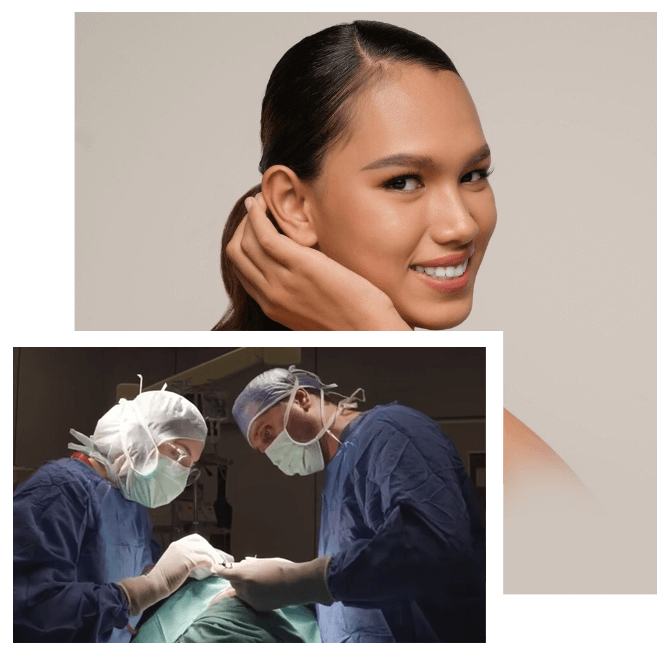
Faster Access to Specialist Revision Surgery
Finding an experienced revision otoplasty surgeon can involve lengthy waiting times in the UK, USA, and Australia, particularly for surgeons specializing in complex secondary ear reconstruction.
Turkey offers significantly shorter waiting periods, allowing international patients to schedule consultations and surgery within weeks rather than waiting several months. This enables patients to address both functional and aesthetic concerns much sooner.
Comparison Factor | Turkey (Hasan Duygulu) | UK, USA, and Australia |
Average Cost | Significantly lower than Western prices while maintaining high surgical standards. | Approximately $8,000–$18,000 (USA/Australia) and £5,000+ (UK) depending on case complexity. |
Surgeon Experience | High volume of revision otoplasty procedures with expertise in complex ear reconstruction. | Experienced surgeons available, but revision specialists may be less accessible and often charge premium fees. |
Surgical Expertise | Advanced correction of failed otoplasty, cartilage reconstruction, asymmetry, and scar revision. | Similar techniques available, often at substantially higher costs. |
Waiting Times | Flexible scheduling with surgery often available within weeks. | Waiting periods for experienced revision specialists may extend for several months. |

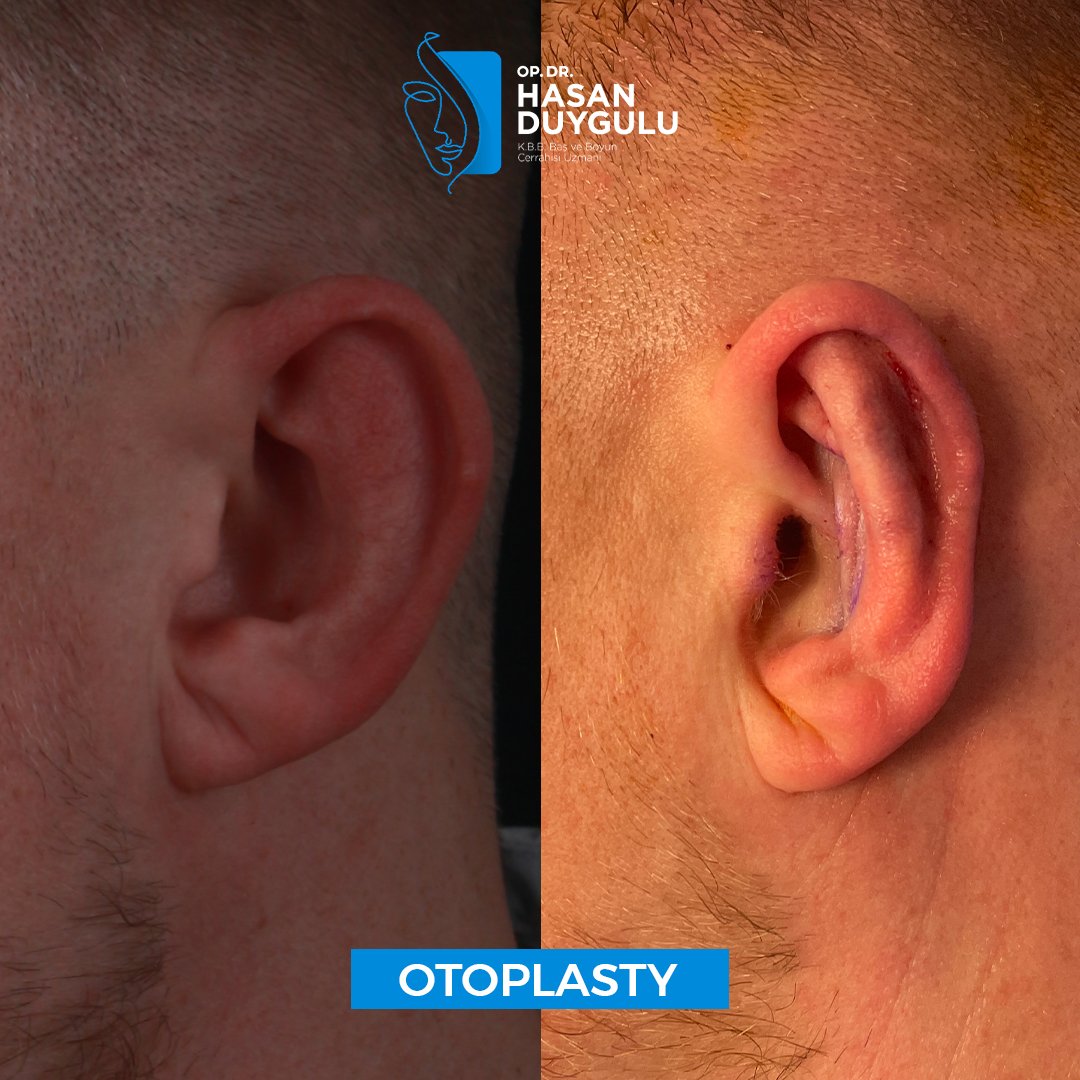
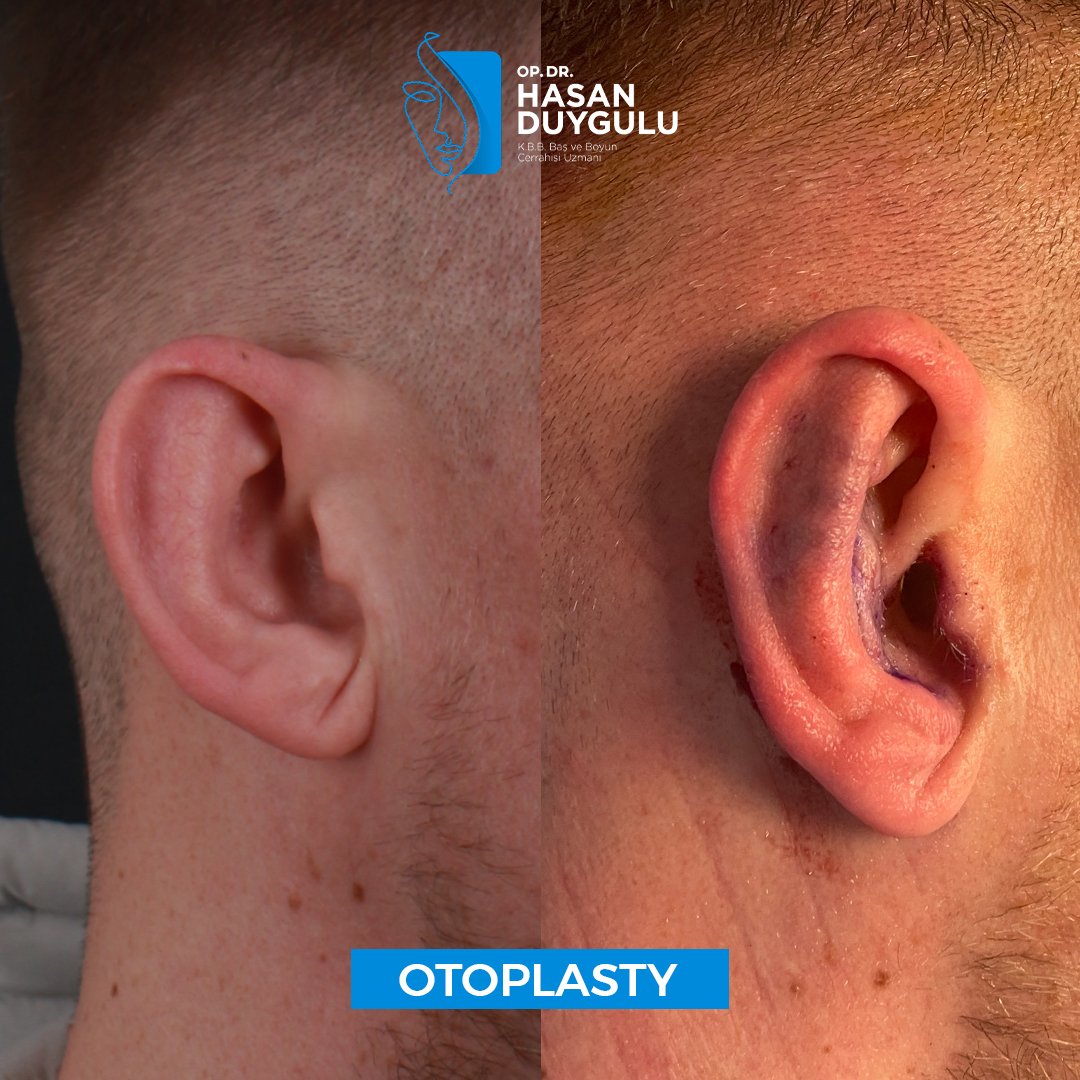


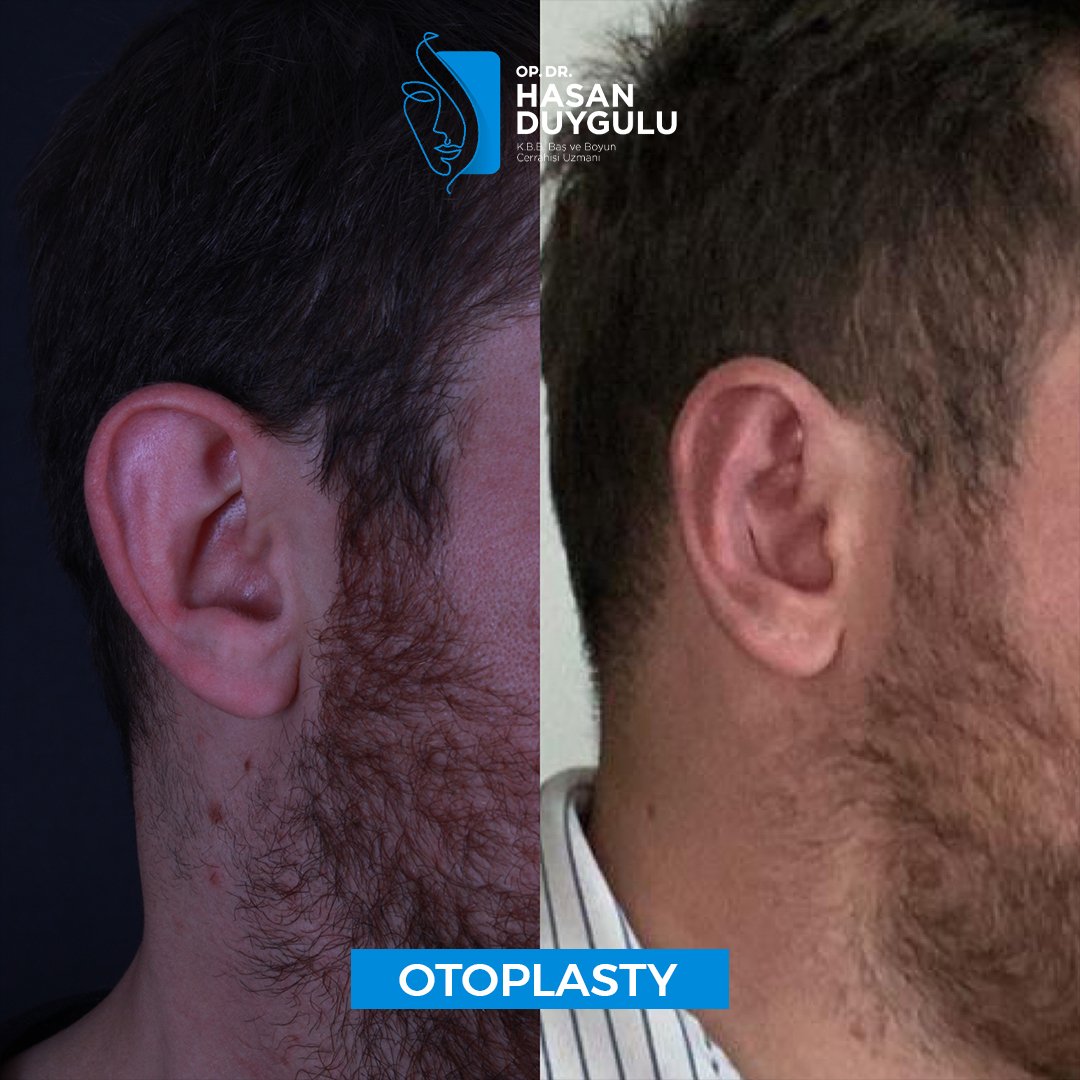
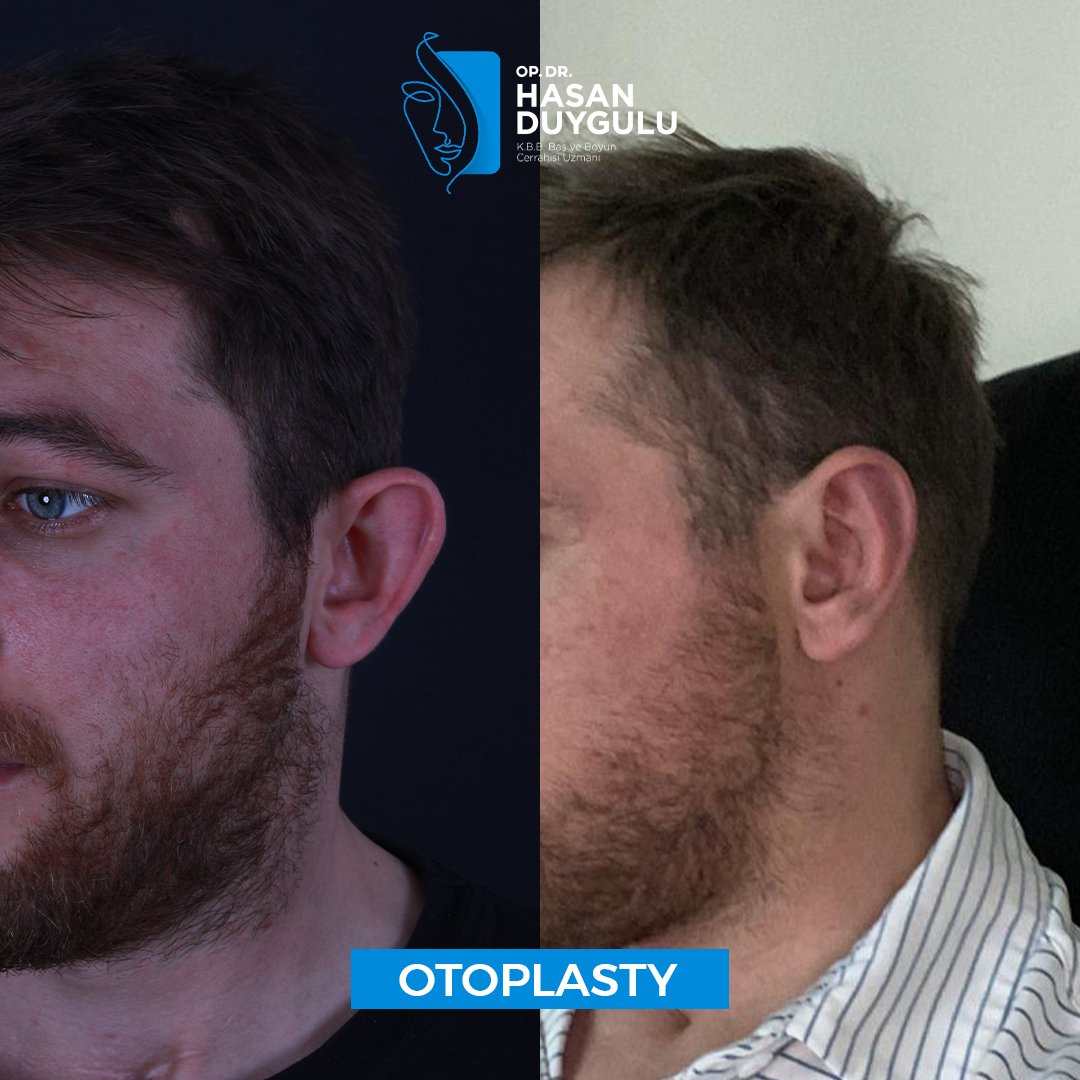
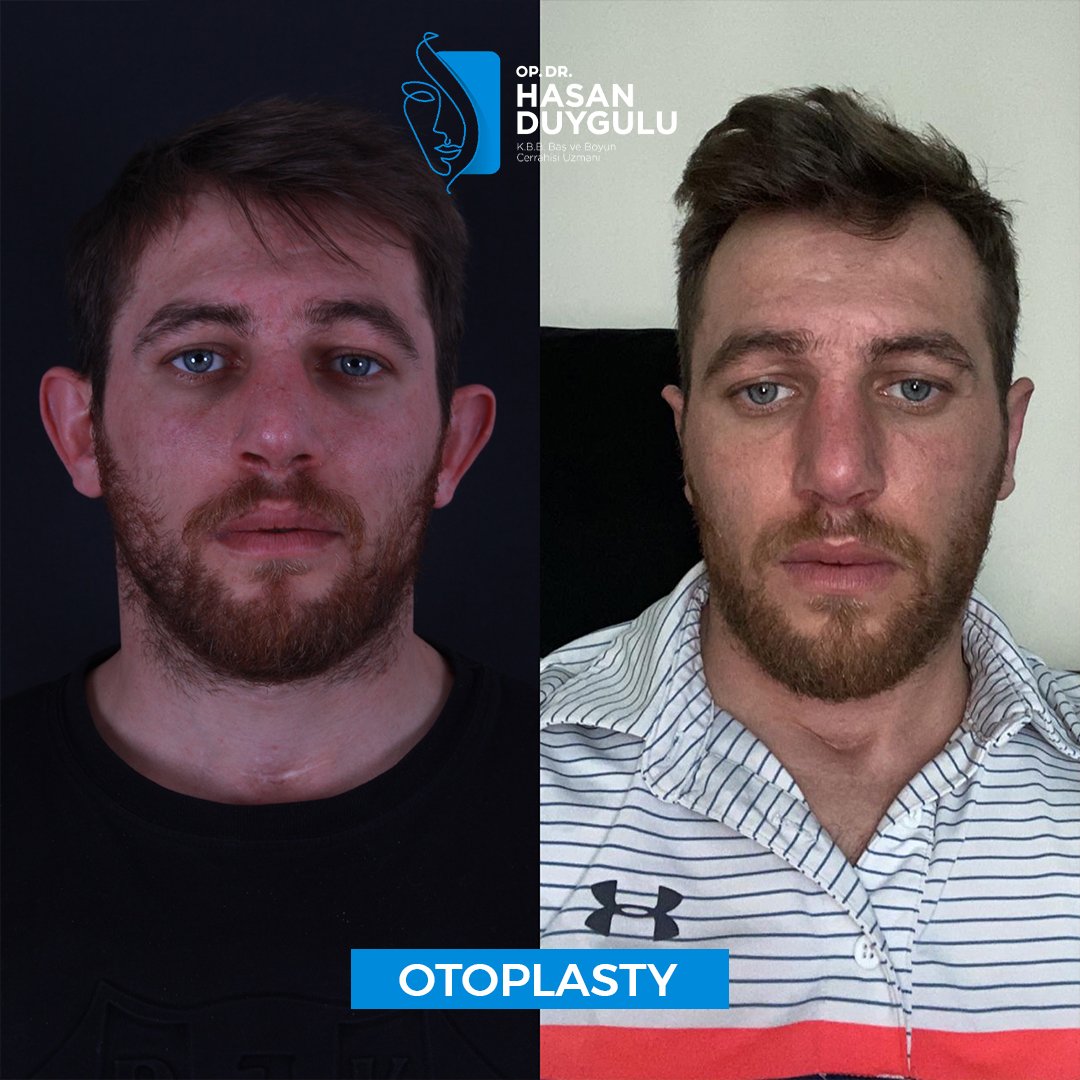

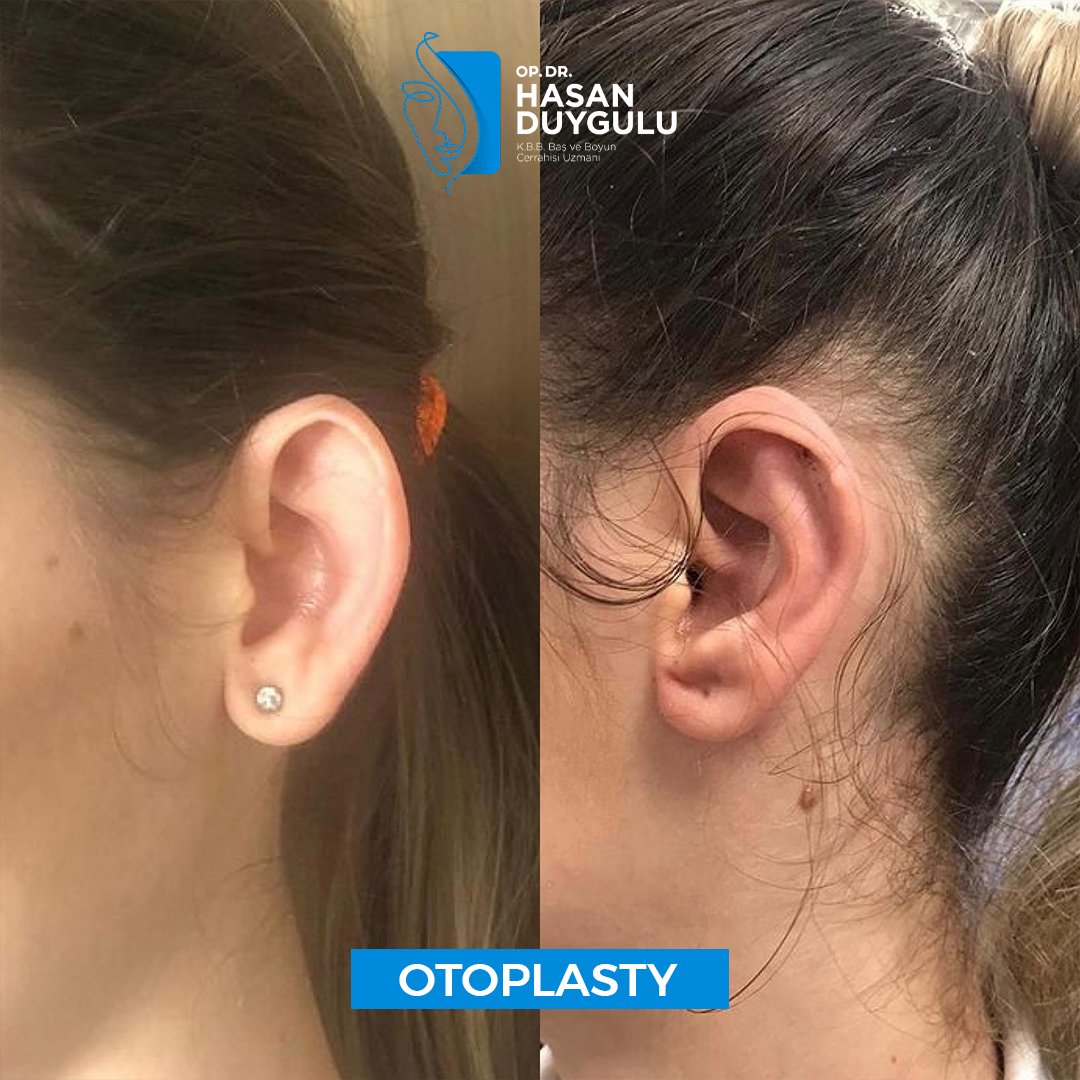
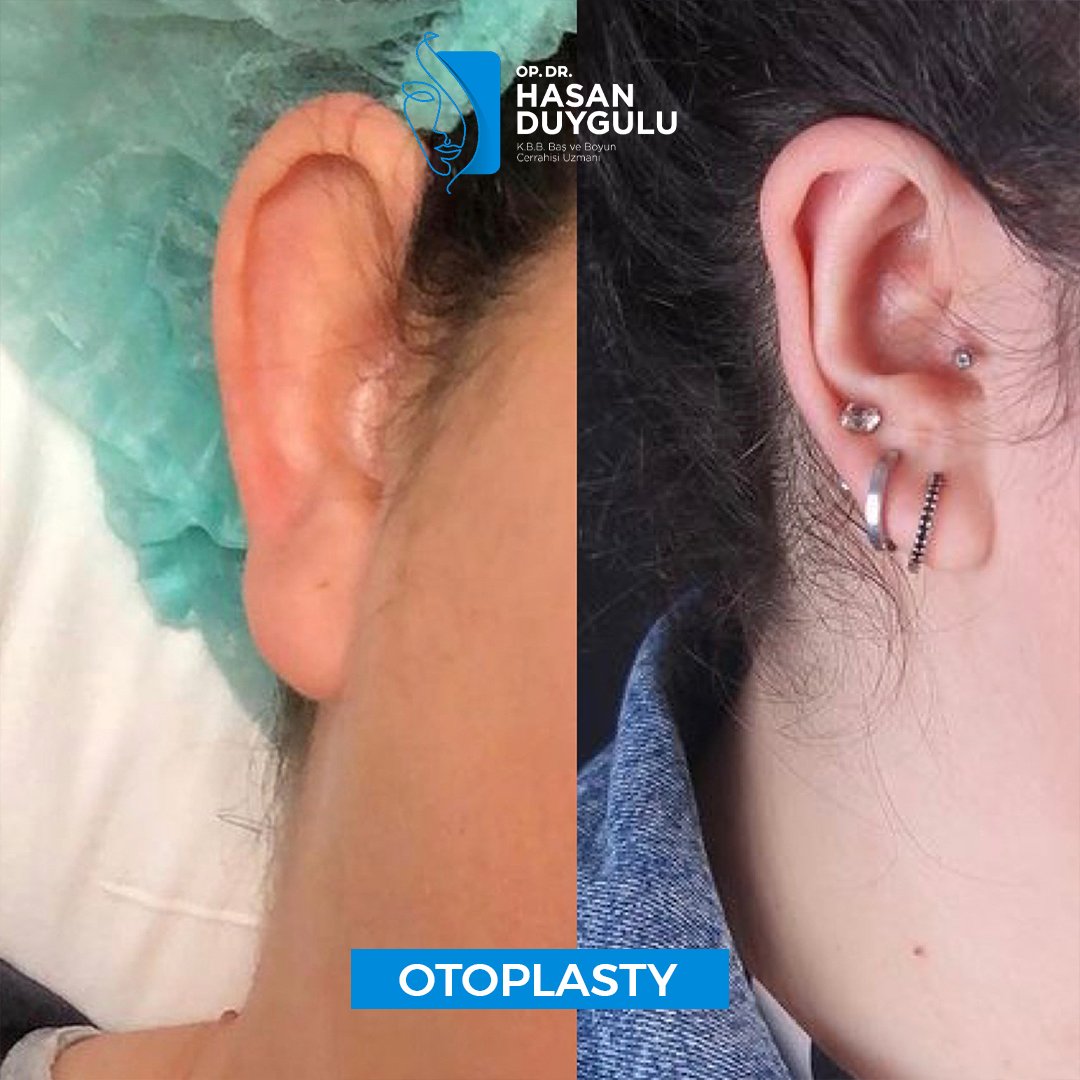
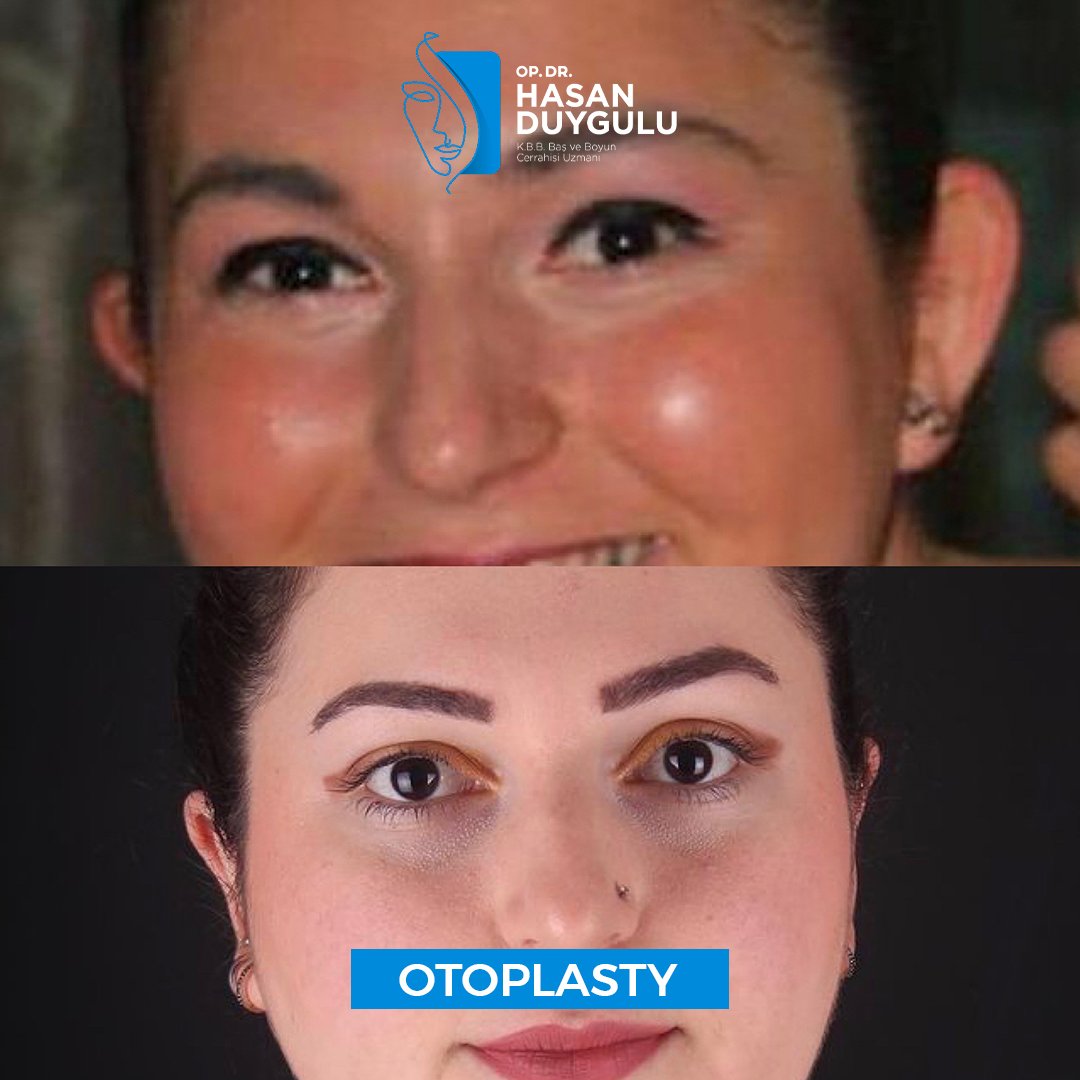
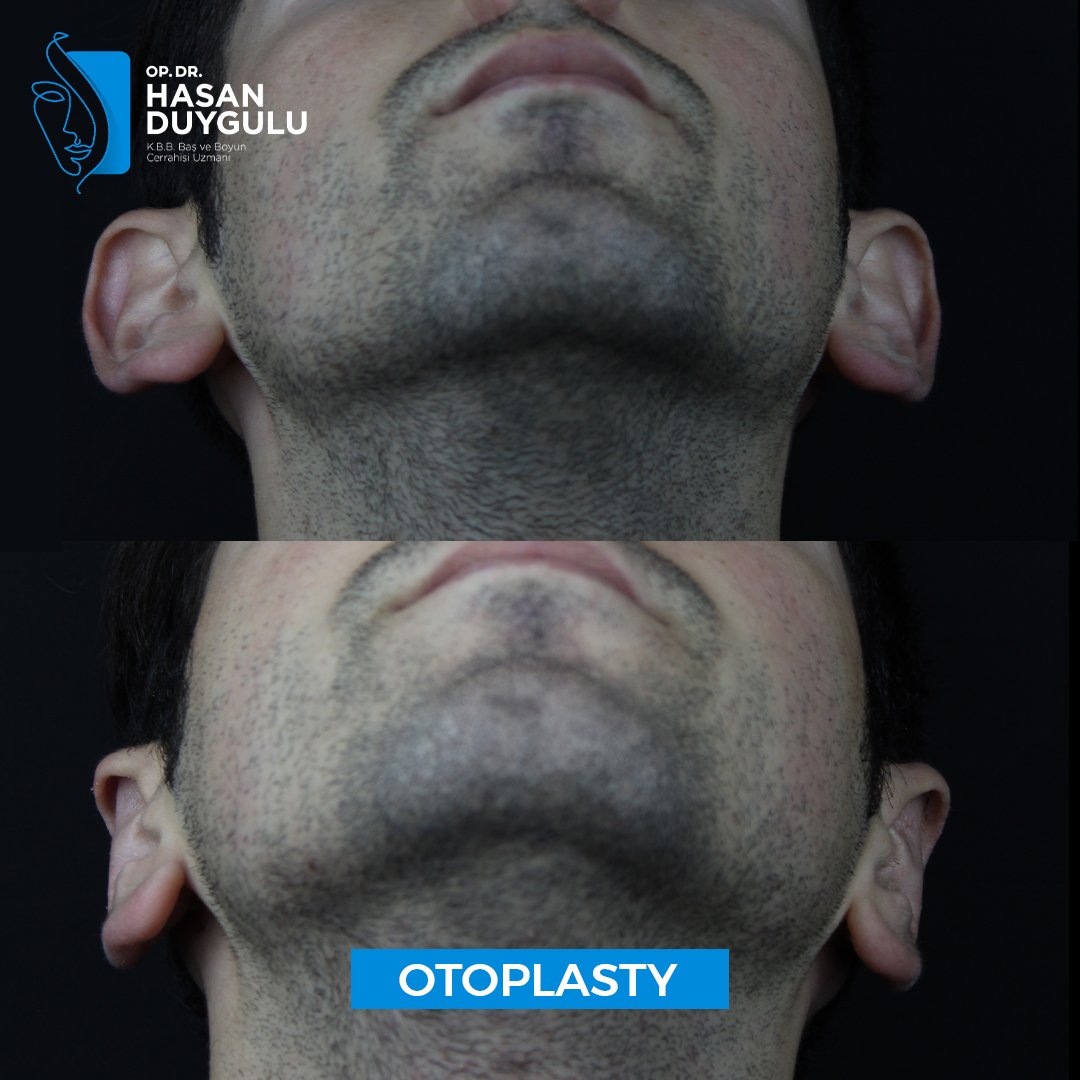
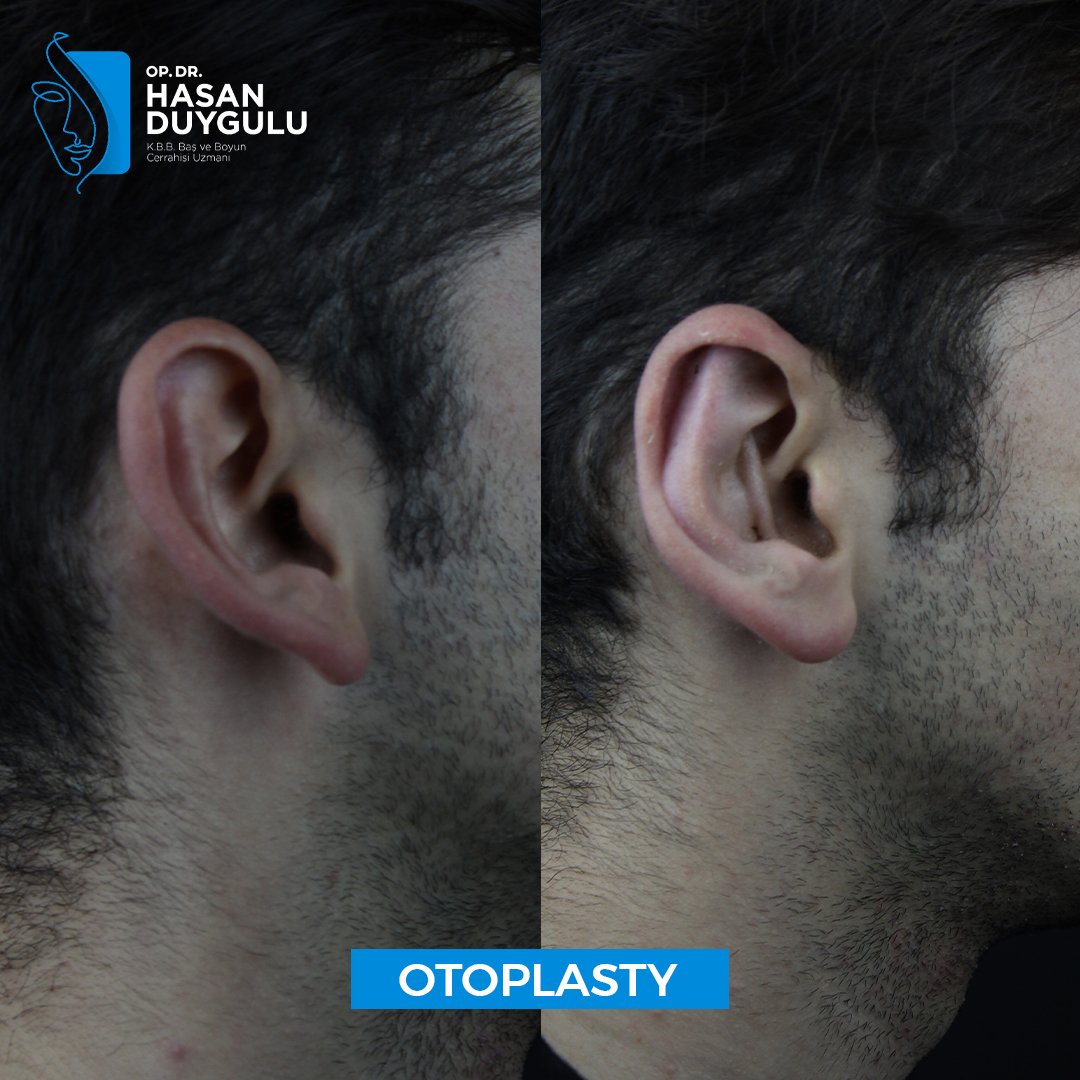
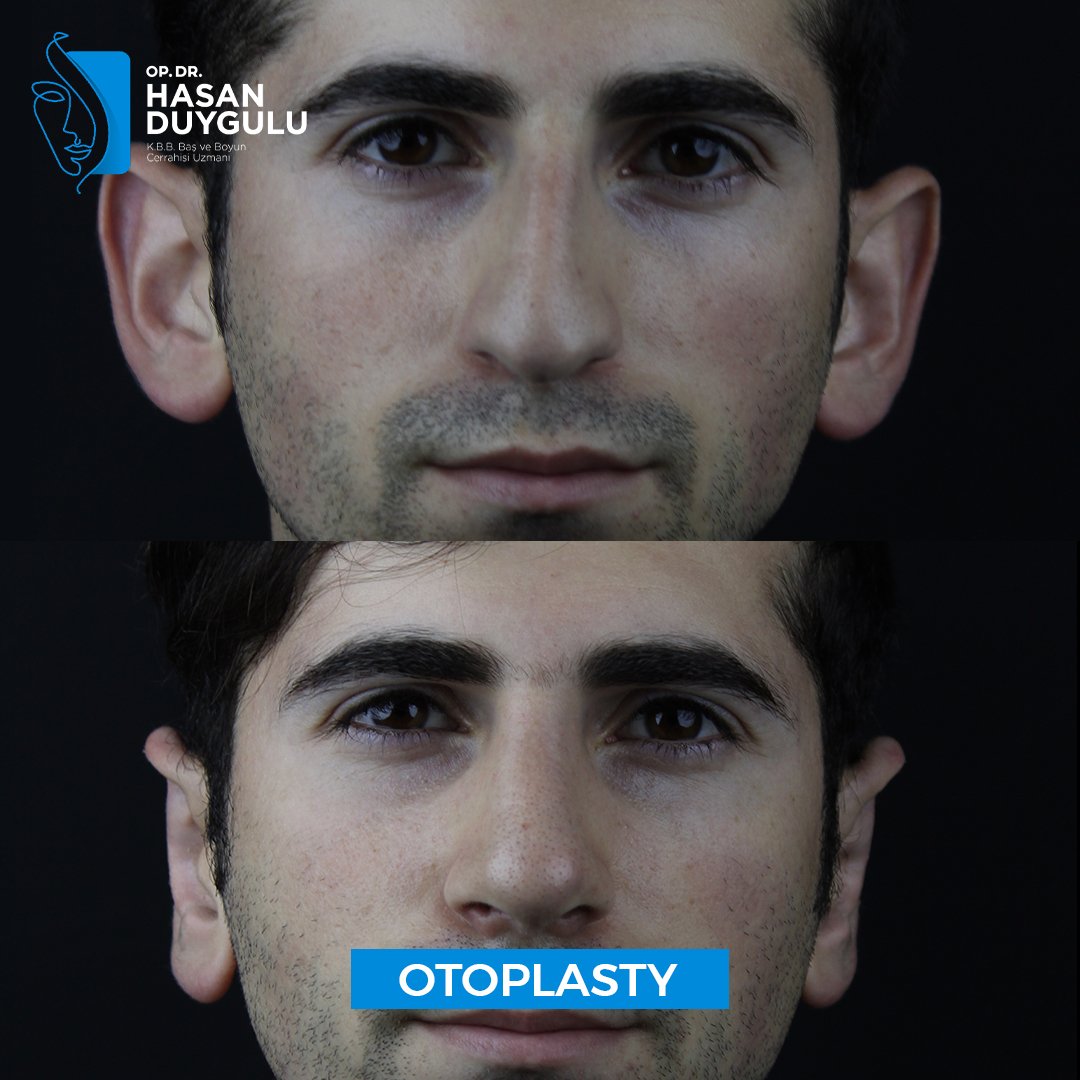
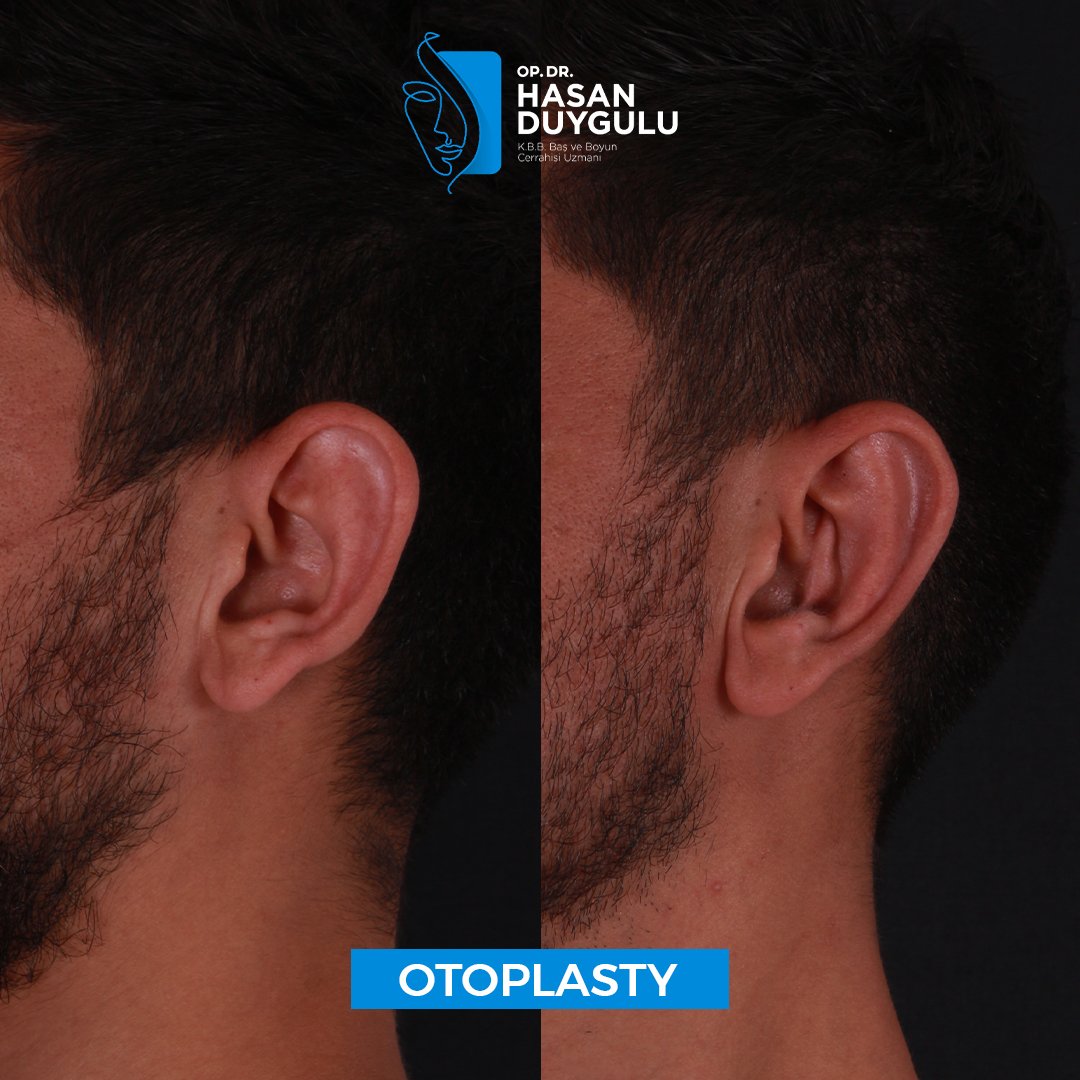


Ready to Take the Next Step?
Get Your Free Consultation Today.

What is Revision Otoplasty and Why is it Needed?
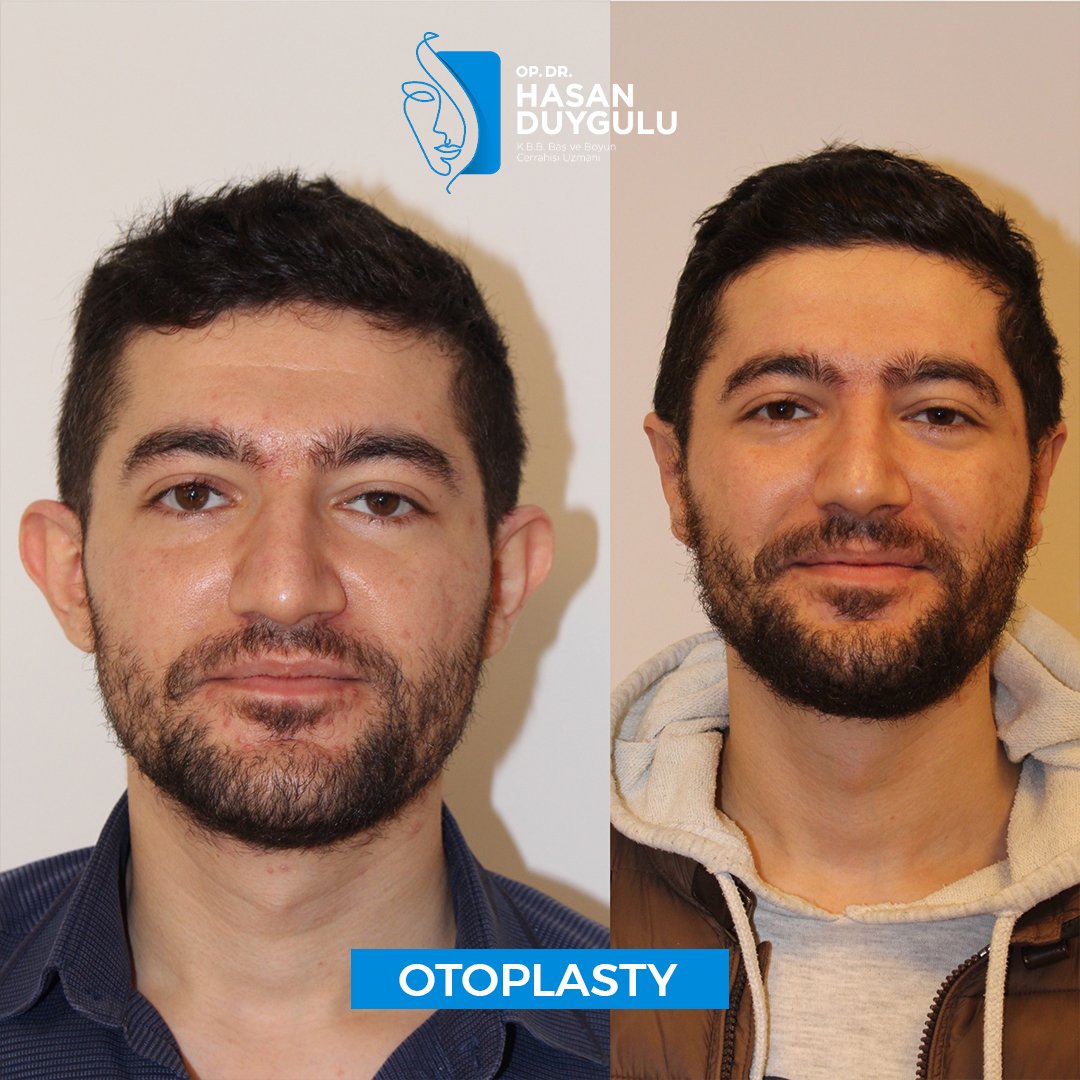
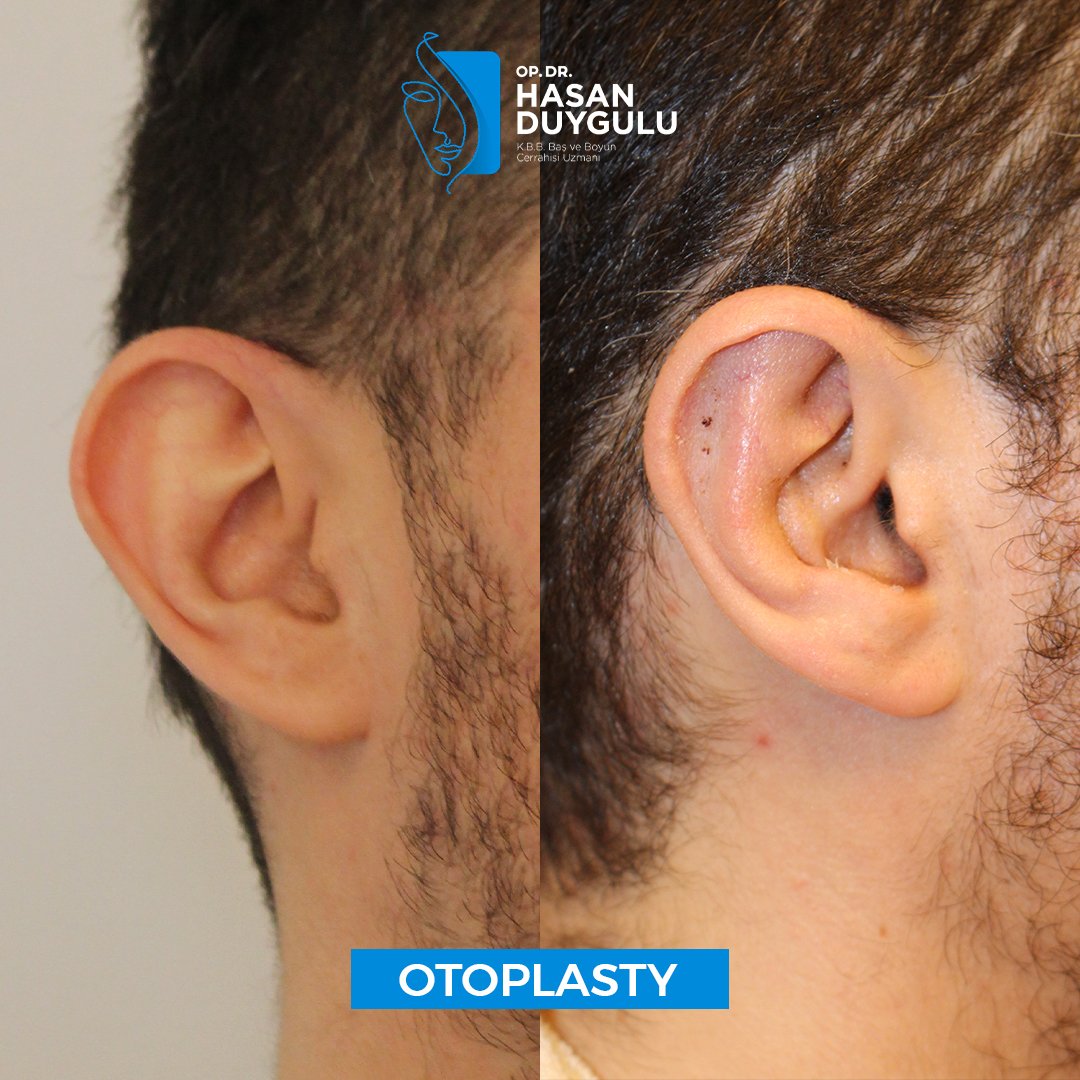
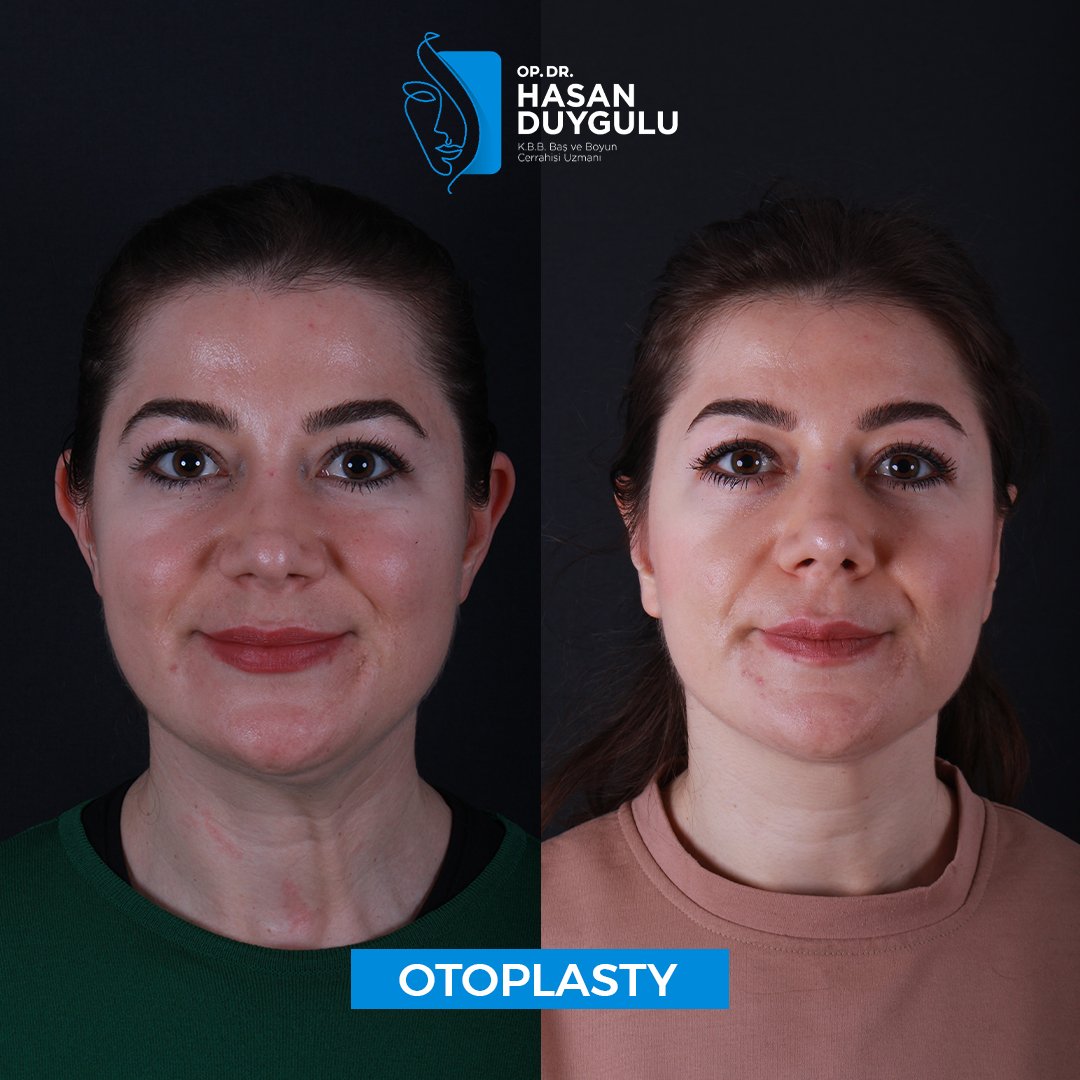
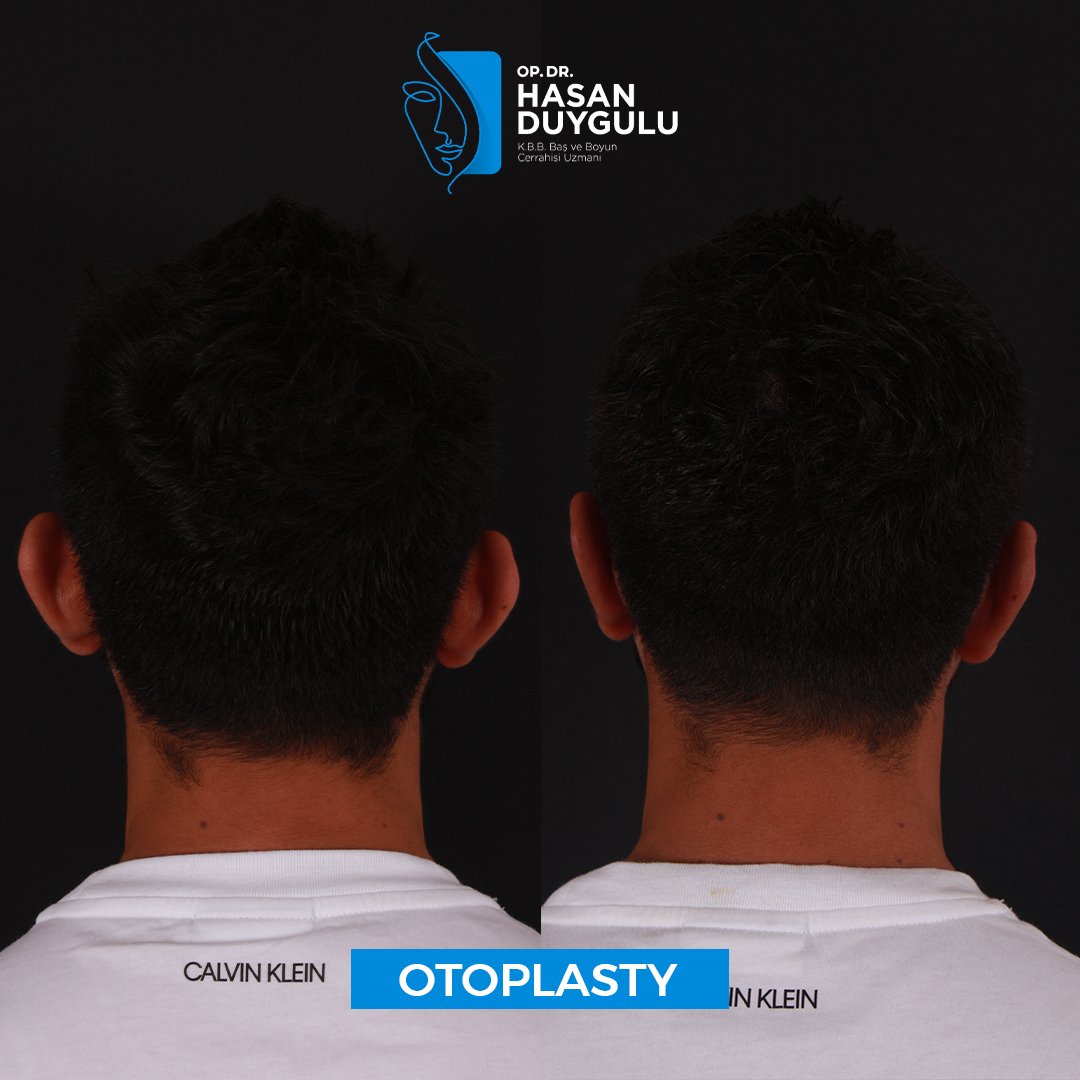
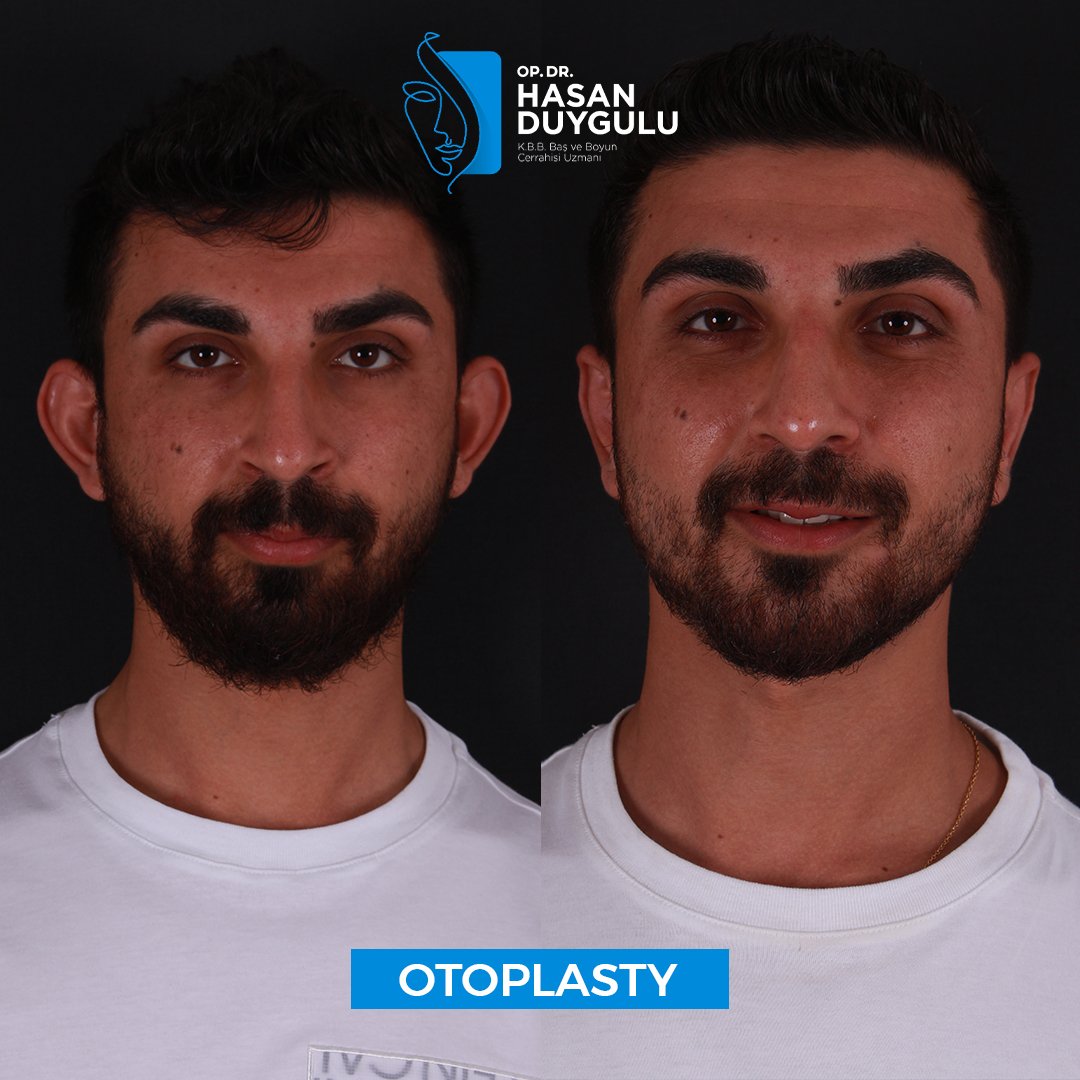
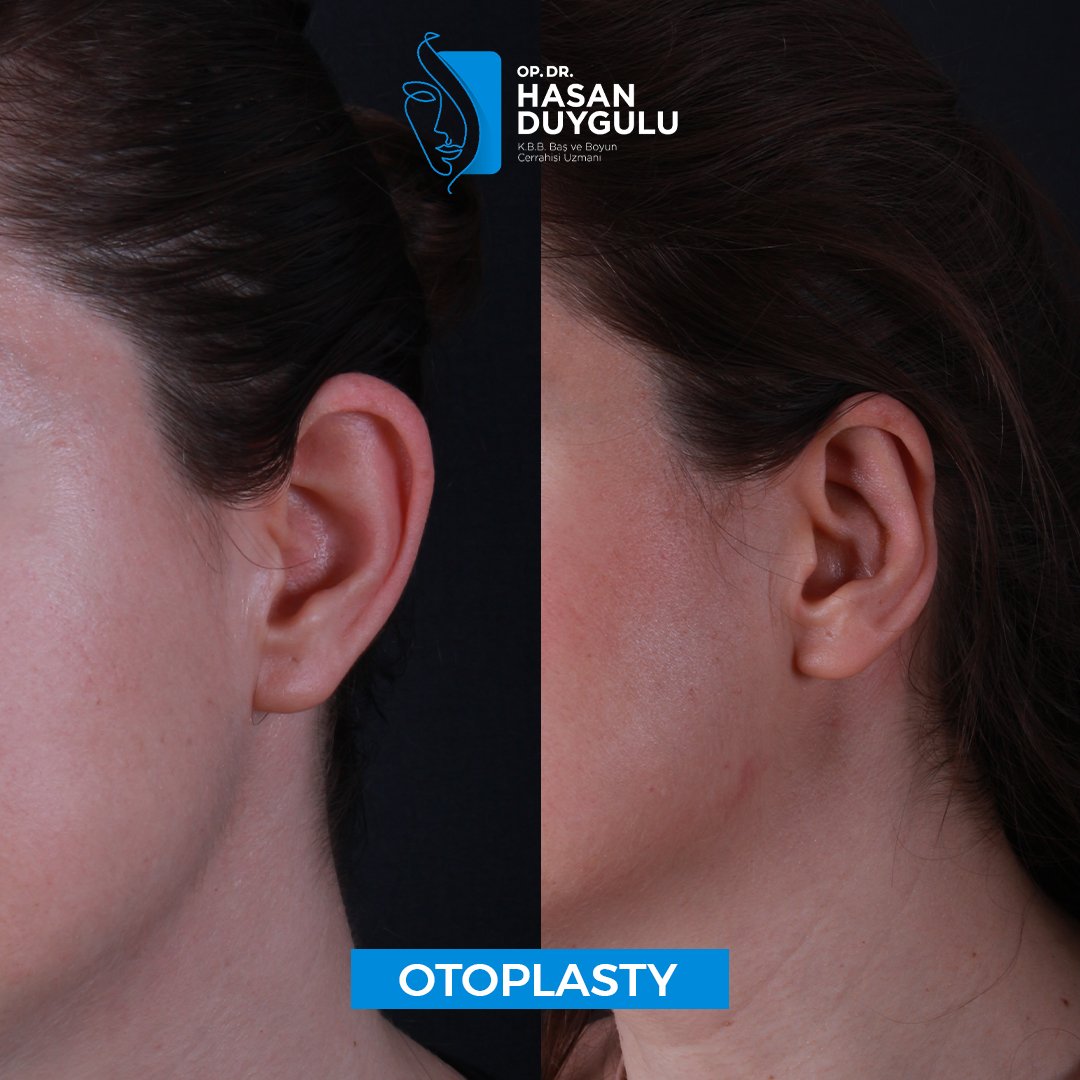
Revision otoplasty is a corrective surgical procedure performed on ears that have previously undergone otoplasty but yielded unsatisfactory or complicated results. This specialized surgery aims to rectify aesthetic and functional issues arising from a prior ear pinning operation, ensuring a more natural and harmonious outcome.
The need for revision otoplasty typically arises when the initial surgery fails to meet the patient’s expectations or results in new deformities. Common reasons include:
- Asymmetry: One ear may appear significantly different from the other in shape, size, or projection.
- Over-correction: Ears are pinned back too close to the head, creating an unnatural, “pasted-back” appearance.
- Under-correction: The ears remain too prominent or revert to their original position due to insufficient cartilage reshaping or suture failure.
- Unnatural or “Artificial” Look: The ear’s natural folds and contours are lost, leading to a surgically altered appearance.
- Cartilage Deformities: Irregularities, bumps, or sharp edges in the ear cartilage, often due to improper reshaping during the first surgery.
- Suture Failure: The internal stitches used to hold the ear in its new position may loosen or break, causing the ear to protrude again.
- Psychological and Aesthetic Impact: Dissatisfaction with the results can lead to significant emotional distress, self-consciousness, and a desire for correction.
Often, the initial surgery’s outcome can be influenced by factors such as the surgeon’s experience, the specific technique used, or complications during the healing process. In some cases, unrealistic patient expectations can also contribute to perceived dissatisfaction, highlighting the importance of thorough consultation in revision surgery.
Who is a Candidate for Revision Otoplasty?
Revision otoplasty is a corrective procedure performed for individuals who are dissatisfied with the results of a previous ear pinning surgery or have developed complications during the healing process. This surgery is not merely about physical correction; it is a transformative process aimed at meeting your aesthetic expectations and restoring your psychological well-being.
You may be a candidate for revision otoplasty if you experience any of the following:
- Unmet Aesthetic Expectations: The results of your initial surgery did not meet your goals, manifesting as over-correction, under-correction, or an unnatural, “surgical” appearance.
- Significant Asymmetry: Noticeable imbalances in shape, size, or ear projection that developed during the healing process.
- Cartilage and Tissue Irregularities: Visible bumps, sharp edges, or contour deformities in the cartilage, as well as problematic scarring from the initial procedure.
- Suture-Related Issues: Internal stitches that have loosened, broken, or are causing visible irritation or skin discomfort.
- Post-Operative Deformities: Issues arising from infection, physical trauma, or “cartilage memory,” where the ear tissue gradually attempts to revert to its original position (spring-back effect).
Why is an Expert Evaluation Essential?
Revision surgery requires a sophisticated understanding of why the primary surgery failed, as well as an in-depth assessment of your current cartilage condition and how your existing scar tissue will respond to further intervention. An experienced surgeon specializes in navigating complex biological factors, such as cartilage memory, to ensure more stable, long-lasting, and natural-looking results.
How is Revision Otoplasty Surgery Performed?
Surgical approaches used in otoplasty in Istanbul, Turkey are as follows:

Anesthesia
If there is no obstacle to anesthesia, general anesthesia should be applied.

Incision Procedure
In revision otoplasty, the surgeon carefully accesses the previously operated area to correct deformities, reshape the cartilage when necessary, and restore a more natural ear contour.

Reshaping & Grafting
The scar tissue and cartilage are carefully assessed and reshaped; cartilage grafts are added where needed to correct asymmetry or deformity.
Final Touch
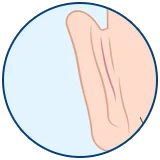
The incisions are closed with new, stable sutures designed to hold the corrected shape and are hidden behind the ear.
What are the Types of Revision Otoplasty?
Revision otoplasty is a highly individualized procedure, as each case presents unique challenges based on the previous surgery’s outcome and the patient’s existing anatomy. There is no single approach; instead, surgeons tailor techniques to address specific deformities and achieve the desired aesthetic.
Common types and approaches in revision otoplasty include:
Cartilage Grafting
Used to augment or rebuild missing/deficient cartilage, often sourced from the ear itself, rib, or synthetic materials.
Suture Revision
Re-positioning or re-tensioning existing sutures, or placing new permanent sutures to reshape the ear.
Reshaping Techniques
Direct excision of excess cartilage, scoring, or weakening of cartilage to create or refine natural folds.
Minimal Invasive Approaches
For minor corrections, techniques that involve smaller incisions or less extensive dissection.
Incision Placement
Typically, incisions are made behind the ear to conceal scars, but anterior incisions may be necessary for specific corrections.
Things to Do Before Revision Otoplasty in Turkey
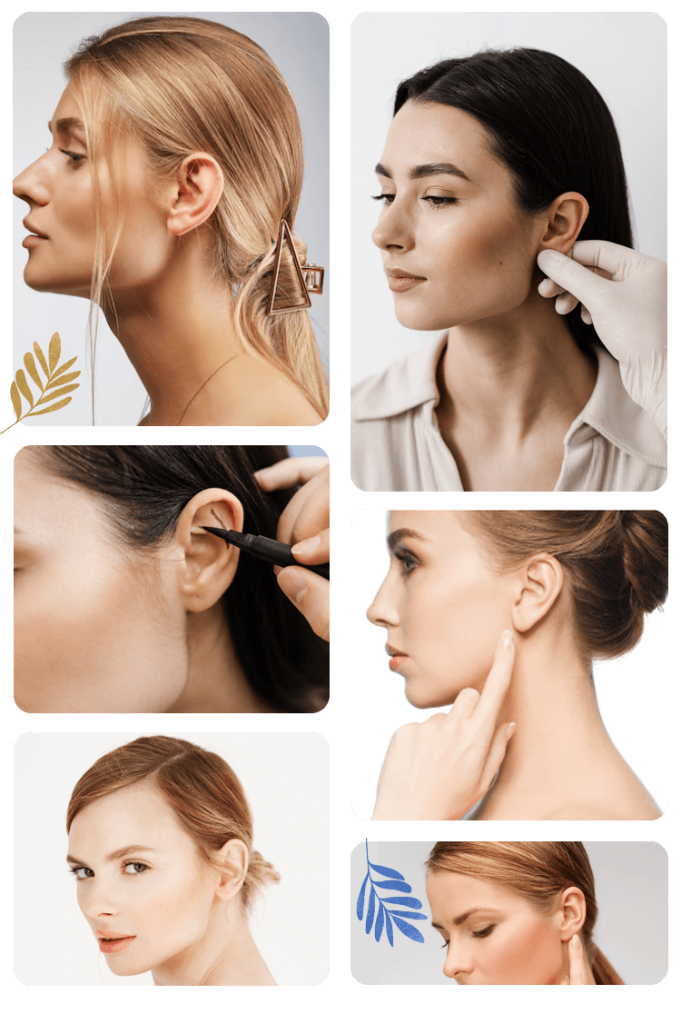
Although revision otoplasty may seem like a routine correction, it is actually a more delicate procedure than the original surgery and requires extra preparation. Paying attention to these points beforehand helps prevent complications during surgery and supports a smoother, safer outcome.
Things to do before revision otoplasty in Turkey:
- The surgeon you choose should be experienced specifically in revision cases, not only primary ear surgery.
- Bring any records, photos, or reports from your first otoplasty so the surgeon can understand what was done and why.
- Inform your surgeon of all medications and supplements you take, especially blood thinners, so they can advise which ones to pause.
- Stop smoking well in advance, as it can slow healing and affect cartilage recovery.
- Avoid alcohol for at least one to two weeks before surgery.
- Complete any blood tests or pre-operative evaluations requested by your surgeon.
- Discuss your expectations openly, including exactly what didn’t satisfy you the first time.
Apart from these preparations, revision otoplasty can be performed under local anesthesia with sedation or general anesthesia, depending on the extent of correction needed and the surgeon’s recommendation. If general anesthesia is planned, you will typically be asked to fast for several hours before the procedure.
Things To Do After Reviison Otoplasty in Turkey
The care you take after revision otoplasty is just as important as the preparation beforehand. Since the tissue has already been operated on once, healing can be more sensitive, and following these steps carefully helps protect your results and supports a smoother recovery.
Things to do after revision otoplasty in Turkey:
- Take prescribed medication and painkillers regularly as directed to reduce the risk of infection and manage discomfort.
- Keep your head elevated, especially in the first few days, to help reduce swelling.
- Do not remove or disturb the bandage before your surgeon advises it.
- Avoid touching or pressing on the incision areas.
- Continue wearing the bandage for the full period recommended by your surgeon.
- Avoid swimming in the sea or pool for at least one week, or as instructed.
- Avoid heavy physical activity and contact sports for six to eight weeks.
- Avoid using hair dryers or similar heat devices directly on the ears for a period after surgery.
- Avoid smoking and alcohol for as long as your surgeon recommends.
- Follow a balanced, healthy diet to support healing.
- Attend all follow-up appointments so your surgeon can monitor healing and address any concerns early.
Gender-Specific Approaches for Patients
A successful revision otoplasty considers not only the technical correction but also the patient’s gender and individual aesthetic preferences, ensuring the results complement their overall facial features.
Aspect | Female Patients | Male Patients |
|---|---|---|
Aesthetic Goal | Often a softer, more delicate curve, aiming for a natural and graceful appearance. | Typically a more defined, masculine contour, ensuring the ears are proportionate without appearing overly delicate. |
Hair & Accessories | Consideration of various hairstyles (updos, short cuts) and the use of earrings, which can influence desired ear projection. | Emphasis on how short hair cuts will reveal the ears, requiring a more precise and robust correction that is less prone to showing imperfections. |
Ear Projection | May prefer a slightly less prominent ear, blending seamlessly with facial contours. | Often seek a subtle but firm reduction in prominence, maintaining a strong profile. |
The surgeon’s ability to appreciate and integrate these gender-specific aesthetic expectations goes beyond mere cosmetic adjustment. It involves a deeper understanding of the social and psychological impact of ear appearance, ensuring the revision surgery contributes positively to the patient’s self-perception and confidence.
Revision Otoplasty Process:Step-by-Step Guide
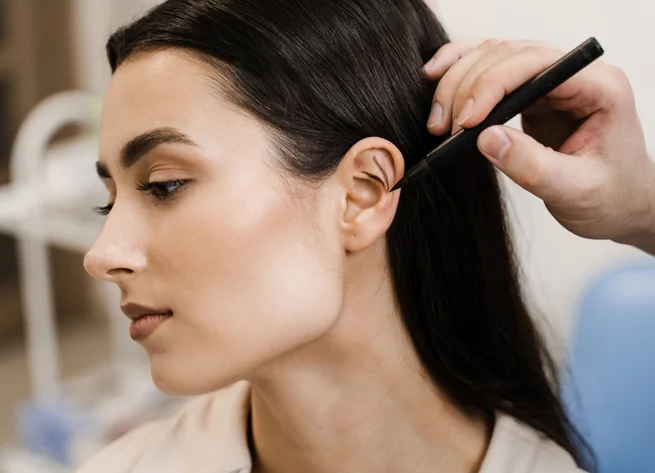
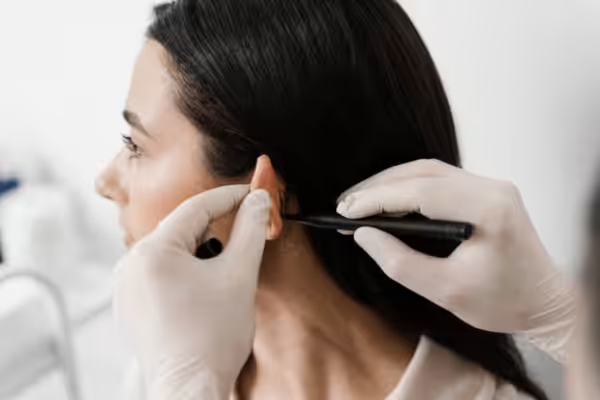
Undergoing revision otoplasty, especially as an international patient, involves a structured process designed for clarity and comfort. In 2026, Turkish clinics offer comprehensive, patient-focused journeys from initial inquiry to post-operative care.
Here’s a step-by-step guide to the revision otoplasty process:
- Initial Consultation: This can often be done remotely via online platforms, where you share photos and discuss your concerns and desired outcomes with the surgeon.
- Detailed Physical Examination: Upon arrival, a thorough in-person examination of your ears, assessing the cartilage, skin, and previous surgical changes.
- Pre-operative Preparations: Includes blood tests, medical history review, and instructions regarding medication, smoking, and alcohol.
- Anesthesia Options: Discussion and selection of appropriate anesthesia (local with sedation or general anesthesia).
- The Surgery: The revision procedure is performed, typically lasting 1.5 to 3 hours depending on complexity.
- Immediate Post-operative Care: Application of bandages and initial monitoring in the recovery room.
- Recovery Period: Instructions for pain management, bandage care, and activity restrictions.
- Follow-up Appointments: Regular check-ups with the surgeon to monitor healing and remove sutures if necessary.
M.D. Hasan Duygulu Rhinoplasty Patients Reviews in Turkey
Hear from our patients about the natural rhinoplasty in Istanbul, Turkey that we perform with our expert team.
Revision Otoplasty Costs in Turkey
In 2026, revision otoplasty in Turkey continues to offer a highly attractive balance of quality and cost-effectiveness. While specific prices can vary, patients can generally expect a significantly more affordable option compared to many Western countries, without compromising on surgical expertise or facility standards.
The average cost for revision otoplasty in Turkey typically ranges from €2,500 to €5,000. This range is an estimate, and the final price will depend on several factors, including the complexity of the case, the surgeon’s experience, and the clinic’s location and services.
This competitive pricing is a key driver for medical tourism in Turkey, but it’s crucial to understand that it reflects a lower cost of living and operational expenses, rather than a compromise on the quality of care or the expertise of the medical professionals.
What Determines the Cost of Otoplasty in Turkey?
There are many factors that affect the cost of revision otoplasty, and pricing tends to vary more than with a first-time procedure because every case involves a different starting point. You may wonder what specifically determines the cost of revision otoplasty in Turkey.
- The surgeon’s expertise specifically in revision and reconstructive ear surgery
- The complexity of the correction needed, based on the previous surgery’s outcome
- Whether cartilage grafting is required, and the source of the graft (ear, rib, or synthetic)
- Clinic and hospital fees, including facility standards and accreditation
- The technology and equipment used for surgical planning, such as 3D imaging
- The length and complexity of the operation itself
- The size of the surgical team involved
- The type of anesthesia used, whether local with sedation or general
- The scope of the care package, including hospital stay, accommodation, and coordination services
In Turkey, revision otoplasty is generally more affordable than in Western Europe, the UK, or North America, largely due to differences in operating costs and cost of living rather than any difference in surgical standards. Because pricing depends heavily on the complexity of each individual case, the only way to get an accurate cost estimate is through a personal consultation and evaluation with the surgeon.
Ask Our Experts!
You can fill out the form to get answers to all your questions and detailed information about treatments.
Tedavilerimiz
Uzman ekibimizle birlikte burun sağlığınızı ve estetiğinizi önemsiyoruz. Bu nedenle, burun ameliyatlarını profesyonellikle ve hassasiyetle gerçekleştiriyoruz. Sizin için en uygun tedavi seçeneklerini sunarak, burun sorunlarınızı çözmeyi amaçlıyoruz.
Revizyon Rinoplasti

Kapalı Rinoplasti
Deviated Septum
Etnik Rinoplasti
Lorem Ipsum Dolor
Lorem Ipsum Dolor
Ask Our Experts!</span
You can fill out the form to get answers to all your questions and detailed information about treatments.
FAQ About Rhinoplasty in Turkey
How long does it take to recover from rhinoplasty?
You may be healed 1-2 weeks after rhinoplasty. However, you have to wait 6 months to see clear results.
Is Turkey safe for rhinoplasty?
Yes. Turkey is one of the reliable countries for rhinoplasty. Turkey has become an important choice in aesthetic and health tourism in recent years.
How long should I stay in Turkey for rhinoplasty?
You must stay in Turkey for 2 weeks for rhinoplasty. However, this time may vary depending on the type of surgery, your recovery speed, and your surgeon’s recommendations.
How soon after rhinoplasty can I return to work?
You can return to work 7 to 10 days after rhinoplasty. However, this period may vary depending on your recovery speed.
Will there be any scars after rhinoplasty?
After rhinoplasty, there will be no scar left on your nose. Because the incisions are stitched very thin and heal over time.
FAQ About Revision Otoplasty in Turkey
Is Revision Otoplasty Painful?
Revision otoplasty is performed under anesthesia (either local with sedation or general anesthesia), so you will not feel any pain during the procedure itself. Post-operatively, patients typically experience mild to moderate discomfort, rather than severe pain. This can be effectively managed with prescribed oral painkillers. Most patients describe the sensation as a dull ache or pressure, similar to a deep bruise, rather than sharp pain. Modern pain management protocols are designed to maximize patient comfort throughout the recovery period.
What is the Recovery Period?
The recovery period for revision otoplasty generally follows these stages:
- Initial Healing (1-2 weeks): The head bandage is usually worn continuously for the first few days, then often only at night for several weeks. Swelling and bruising are most noticeable during this time and gradually subside. Most patients can return to light daily activities within a week.
- Return to Normal Activities (2-4 weeks): You can typically resume work or school within 1-2 weeks. Strenuous activities, heavy lifting, and contact sports should be avoided for 6-8 weeks to protect the healing ears.
- Full Healing (Several Months): While the initial swelling subsides quickly, subtle swelling can persist for several months. The final results of the surgery become fully apparent as all swelling resolves and the tissues settle, typically around 3-6 months.
It’s important to remember that individual healing times can vary. Turkish clinics provide comprehensive post-operative support, including detailed care instructions and 24/7 assistance, to ensure a comfortable and efficient recovery for international patients.
Are the Results Permanent?
Yes, the results of a well-performed revision otoplasty are generally considered permanent. The goal of revision surgery is to correct the underlying issues from the initial procedure and create a stable, natural-looking ear shape. Experienced revision surgeons employ advanced techniques, often involving cartilage grafting and robust suturing, to minimize the risk of “cartilage memory” (the tendency for cartilage to revert to its original shape) and ensure long-term stability. The permanence of the results heavily relies on the surgeon’s expertise, the meticulousness of the technique used, and the patient’s adherence to post-operative care instructions. Choosing a highly skilled and specialized revision otoplasty surgeon is paramount for achieving lasting satisfaction.
What are the primary reasons individuals seek revision otoplasty?
Revision otoplasty is typically sought by individuals who are dissatisfied with the results of their initial ear pinning surgery or have developed complications. Common reasons include noticeable asymmetry between the ears, over-correction leading to an unnatural ‘pasted-back’ look, or under-correction where the ears still protrude too much. Patients may also seek revision for an unnatural or ‘artificial’ appearance, new cartilage deformities, or issues like suture failure from the first procedure, all of which can lead to significant psychological distress.
Why is Turkey a preferred destination for revision otoplasty in 2026?
In 2026, Turkey has firmly established itself as a leading global destination for revision otoplasty due to a compelling combination of factors. It boasts a significant number of highly experienced and specialized plastic surgeons, many with international training in complex corrective procedures, alongside state-of-the-art medical technology and modern operating theaters. Patients also benefit from significantly more affordable costs compared to Western Europe or North America, without compromising on quality or safety standards, further supported by international accreditations like JCI for many hospitals.
Who is considered a suitable candidate for revision otoplasty?
Candidates for revision otoplasty are typically individuals who have previously undergone ear pinning surgery but are unhappy with the aesthetic outcome or have developed specific complications. This includes those experiencing significant asymmetry, over-corrected or under-corrected ears, or an unnatural appearance that lacks natural folds. Individuals with cartilage deformities, visible suture extrusion, or psychological distress due to the unsatisfactory results of their initial surgery are also strong candidates for this corrective procedure.
How does the cost of revision otoplasty in Turkey compare to other leading medical tourism destinations in 2026?
In 2026, Turkey continues to offer significantly more affordable revision otoplasty procedures compared to countries in Western Europe, the UK, or North America. This cost-effectiveness does not compromise the quality or safety of the surgery, making it an attractive option for international patients seeking specialized care.
What specific measures are in place to ensure the safety and quality of revision otoplasty procedures for international patients in Turkey?
Many Turkish hospitals and clinics performing revision otoplasty hold prestigious international accreditations, such as JCI (Joint Commission International), which guarantees adherence to global healthcare standards. These facilities are equipped with state-of-the-art technology and employ highly skilled plastic surgeons, ensuring both patient safety and high-quality outcomes.
What kind of comprehensive support and care packages can international patients expect when undergoing revision otoplasty in Turkey?
International patients choosing Turkey for revision otoplasty can expect a patient-centric approach, which includes comprehensive care packages designed for comfort and positive outcomes. Clinics often provide multilingual medical staff, fluent in English and other major languages, to ensure clear communication and a smooth experience throughout their medical journey.
How does the Turkish government contribute to establishing Turkey as a global leader in medical tourism for procedures like revision otoplasty in 2026?
The Turkish government actively supports and invests in health tourism through various incentives and promotional efforts, fostering a robust and continuously improving healthcare ecosystem. This strategic support, combined with streamlined visa processes and easy accessibility, positions Turkey as a comprehensive health solution provider offering exceptional value and quality.
What are the key differences in surgical approach and expertise required for revision otoplasty compared to a primary otoplasty?
Revision otoplasty is inherently more complex than a primary otoplasty because surgeons must navigate altered anatomy and scar tissue from the previous operation. This demands a higher level of surgical skill, precision, and specialized experience to correct existing deformities and achieve a natural, harmonious outcome. Turkish plastic surgeons specializing in this field often utilize advanced 3D imaging for meticulous planning to address these unique challenges.
What factors typically contribute to an unsatisfactory outcome from an initial otoplasty, necessitating a revision?
An unsatisfactory outcome from an initial otoplasty can stem from several factors. These often include the surgeon’s experience level, the specific surgical technique employed, or complications that arise during the healing process. Additionally, unrealistic patient expectations can sometimes contribute to perceived dissatisfaction, underscoring the critical role of thorough consultation in revision surgery planning.
What unique challenges do surgeons face when performing revision otoplasty compared to a primary otoplasty?
Revision otoplasty presents unique challenges for surgeons primarily due to the altered anatomy resulting from the previous surgery. The presence of scar tissue, distorted cartilage, or previous suture lines requires a significantly higher level of surgical skill and precision. Surgeons must navigate these complexities to correct existing deformities and achieve a more natural and harmonious outcome.