
Earlobe Repair Surgery in Turkey
MD Hasan Duygulu
Earlobe repair surgery in Turkey offers a solution for individuals seeking to restore the natural look and integrity of their earlobes. Whether due to trauma, the prolonged use of heavy earrings, or body modifications like gauges, damaged earlobes can affect one’s appearance and self-confidence. Turkey is a popular destination for cosmetic procedures, offering experienced surgeons and modern facilities at competitive prices. This procedure corrects physical imperfections with generally short downtime.
Accessible Team
of Experience
Overview of Earlobe Repair Surgery in Turkey
Local/General
1 Hours
1 Day
5-7 Days Later
1 Week
6 Months - 1 Year
What Is Earlobe Repair Surgery?
Earlobe repair surgery, also known as lobuloplasty, is a minor surgical procedure designed to correct various forms of earlobe damage, restoring its original shape and appearance. Common issues addressed by earlobe repair include:
- Torn Earlobe (Split Earlobe): often caused by accidental pulling, trauma, or the long-term use of heavy earrings, leading to a partial or complete tear through the piercing hole. The goal is to rejoin the separated tissues and reconstruct a natural-looking earlobe.
- Stretched Earlobe: primarily a result of ear gauging or the continuous wearing of heavy jewelry, which can enlarge the piercing hole or distort the earlobe’s shape. Repair involves removing excess skin and tissue, reshaping the earlobe and closing the remaining skin.
- Elongated Earlobe: a natural consequence of aging, where the earlobes lose elasticity and sag, or from the prolonged use of heavy earrings. The length is reduced while the natural curve and proportion are maintained.
- Creased Earlobe: a deep crease can be smoothed to improve the earlobe’s texture and appearance.
- Congenital Deformities: minor birth defects that affect the natural shape or size of the earlobe.
The aim is not only to mend damage but to restore the natural contour and symmetry of the earlobe.
Who Is a Candidate for Earlobe Repair?
Ideal candidates are generally healthy individuals who are bothered by the appearance of their damaged earlobes and have realistic expectations. You might be a good candidate if you:
- Are in good general physical and mental health.
- Are a non-smoker, or are willing to quit smoking before and after the procedure.
- Have realistic expectations regarding the surgical outcome.
- Have a torn, stretched, elongated, or otherwise damaged earlobe.
- Do not have active infections in or around the earlobe area.
- Are looking to restore a more natural and symmetrical appearance to your earlobes.
Discuss your aesthetic goals and any underlying health conditions with your surgeon. The surgery may not be suitable for individuals with unrealistic goals or certain medical conditions that could complicate healing.
The Earlobe Repair Procedure: What to Expect
The earlobe repair procedure is typically straightforward and performed on an outpatient basis.
Pre-Surgery Preparation Guidelines
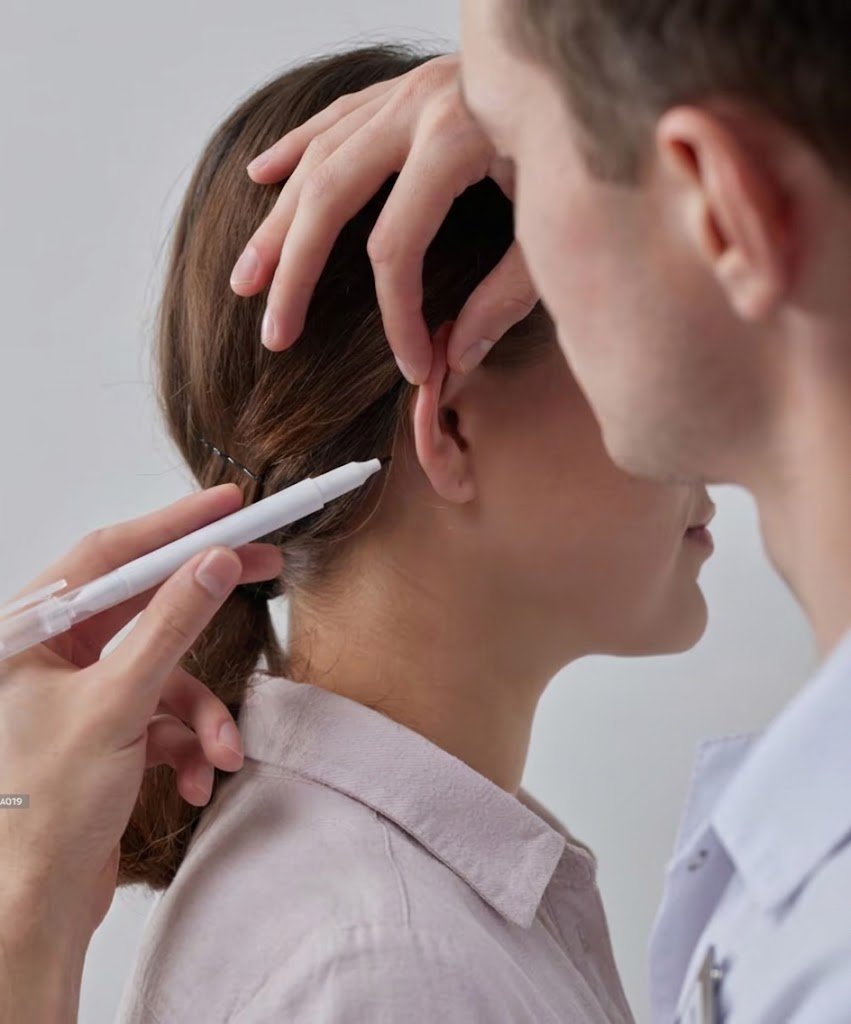
Your journey begins with an initial consultation where you discuss your concerns, desired outcomes and medical history with your surgeon. You will receive specific instructions, which generally include:
- Medication review: you may be advised to stop blood-thinning medications, such as aspirin or ibuprofen, for a period before surgery to minimize bruising and bleeding.
- Smoking and alcohol: it is recommended to stop smoking and avoid alcohol for several weeks before surgery, as these can impair healing.
- General health: discuss any active infections or underlying health conditions with your surgeon.
- Expectations: communicate your aesthetic goals clearly to ensure a shared understanding of the anticipated results.
The Surgery
Earlobe repair is typically performed under local anesthesia, meaning you are awake but the area is numb. The procedure usually takes between 30 minutes and an hour per earlobe. The technique varies with the type and extent of the damage:
- Torn or split earlobe: the surgeon removes a small amount of skin along the edges of the tear to create fresh surfaces, and the edges are sutured together. In some cases, a Z-plasty technique may be used to prevent notch formation and achieve a smoother contour.
- Stretched or elongated earlobe: excess tissue is excised, and the remaining skin is reshaped and sutured to reduce the size and restore a natural appearance. For very large gauge holes, tissue rearrangement or a small skin graft may be necessary.
Recovery and Aftercare
After the procedure, the area is cleaned, and a small dressing may be applied. You can typically return home shortly after. Post-operative care is important for healing and results:
- Wound care: keep the surgical site clean and dry, and apply any prescribed ointments as instructed.
- Pain management: mild discomfort is common and can usually be managed with over-the-counter pain relievers.
- Swelling and bruising: some swelling and bruising are normal and subside within a few days to a week.
- Activity restrictions: avoid strenuous activities and anything that puts pressure on your ears for a few weeks.
- Suture removal: non-dissolvable sutures are typically removed by your surgeon within one to two weeks.
- New piercings: wait at least 6 months, and often longer, before considering new piercings in the repaired area, to allow complete healing and minimize the risk of re-tearing.
To minimize scarring, your surgeon might recommend gentle massage or silicone sheets once the wound has fully closed.
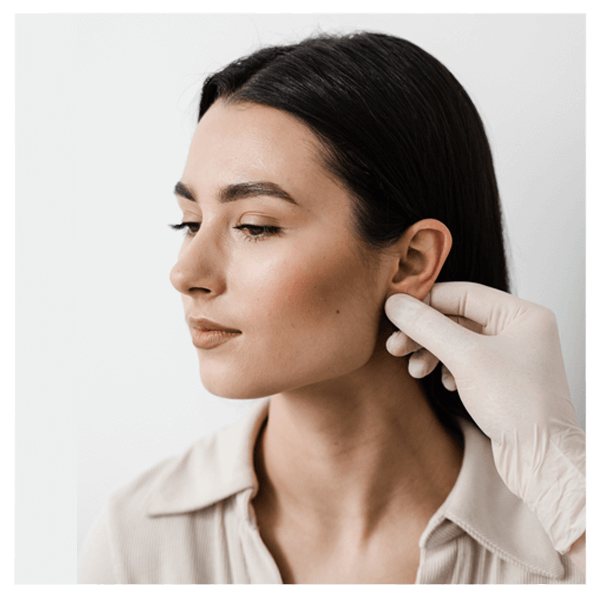
Scars After Earlobe Surgery
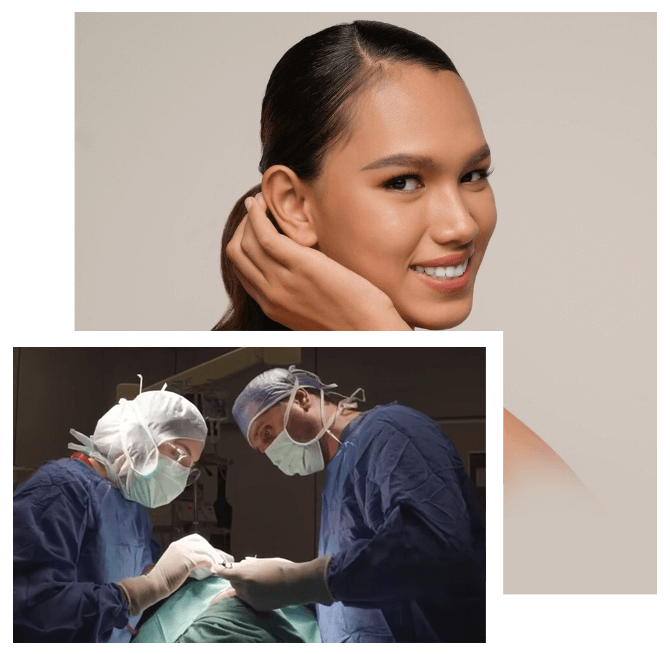
Some scarring is part of any surgery. Earlobe scars usually fade and become discreet over time, but no scar can be guaranteed to be invisible.
Healing Timeline
In the first weeks, the incision is red, slightly raised and may be swollen, and the scar looks pink or red once the sutures are out. Scar remodelling then takes several months to a year, and sometimes longer. During this time the scar softens, flattens and becomes paler.
What Affects Scar Appearance
- Individual healing: genetics influence how visible a scar becomes.
- Surgical technique: precise closure with minimal tension supports better healing.
- Aftercare: keeping the area clean, avoiding trauma and protecting the scar from the sun.
- Complications: infection or delayed healing can worsen the scar.
- Scar type: some people develop raised (hypertrophic) scars or keloids, which stay visible longer and need specific treatment.
Caring for the Scar
- Protect the scar from the sun with sunscreen or clothing, for at least the first year or as your surgeon advises.
- Once the wound has closed and your surgeon agrees, gentle massage can soften the scar.
- Silicone gel or sheets can help flatten and lighten it.
- For stubborn scars, a specialist may consider steroid injections, laser or microneedling several months after surgery.
Risks and Complications of Earlobe Repair
Earlobe repair is a minor operation, but it still carries risks:
- Infection or minor bleeding.
- Asymmetry or an unsatisfactory shape.
- Notching or contour irregularity of the lobe.
- A widened or visible scar.
- Keloid or hypertrophic scar: the ear is one of the areas where keloids can form, especially after piercing. Tell your surgeon if you or your family have a history of keloids.
- Re-tearing or re-stretching, especially with heavy earrings or early re-piercing.
- The need for a small touch-up procedure.
An experienced surgeon, a thorough medical history and careful aftercare can reduce these risks, but cannot remove them.

Ask Our Experts!
You can fill out the form to get answers to all your questions and detailed information about treatments.
Can Earlobe Repair Be Combined With Other Ear Surgeries?
Earlobe repair can often be combined with other ear surgeries or broader facial aesthetic procedures, if your surgeon considers it appropriate and safe.
- Otoplasty: the most frequent combination. Otoplasty (ear pinning) addresses prominent or protruding ears, while earlobe repair corrects stretched, torn or elongated earlobes. Together they refine the entire ear structure.
- Facial rejuvenation surgery: patients undergoing a facelift, neck lift or blepharoplasty (eyelid surgery) may choose to include earlobe repair.
- Other ear concerns: minor concerns such as the removal of small skin tags or keloid scar revision on the ear can sometimes be performed at the same time.
Combining procedures can mean a single recovery period and a more harmonized aesthetic outcome. The decision should be made in close consultation with your surgeon, who will assess your overall health, the complexity of the procedures, your suitability for a longer surgical session, and the potential risks and realistic outcomes.
Earlobe Reduction (Loboplasty)
Earlobe reduction reshapes and reduces an overly large, elongated or stretched lobe. The techniques overlap with repair, but the goal is to reduce size. The earlobe contains no cartilage, so only skin and soft tissue are removed. If you want to reduce the size of the whole ear, see ear reduction.
Common Reasons
- An earlobe that has become long and thin with ageing, or is naturally large.
- A stretched or torn lobe, where reduction can restore size and repair damage at the same time.
- Asymmetry, when one lobe is noticeably larger or different in shape.
How It Is Done
Under local anaesthesia, the surgeon removes excess skin and soft tissue using a wedge-shaped or central excision, then reshapes the lobe and closes it with fine sutures. Incisions are placed along the natural creases or the edge of the lobe where possible. Surgery generally takes about 30–60 minutes per earlobe, and recovery is similar to repair.
Will the Result Look Natural?
A natural result depends on careful planning of the new size, symmetry between both lobes and the position of the incisions. These are decided by your surgeon after examining you. Results cannot be guaranteed.
Why Choose Turkey for Earlobe Repair?
Turkey is a leading destination for medical tourism and cosmetic procedures, including earlobe repair. Key advantages include:
- Cost-effectiveness: procedures can be more affordable than in many Western countries, largely due to lower operational costs and favorable exchange rates.
- Qualified surgeons: many Turkish plastic surgeons have extensive experience in reconstructive and aesthetic surgery.
- Modern facilities: clinics and hospitals in major cities like Istanbul follow international hygiene and safety standards.
- Comprehensive patient care: many clinics provide airport transfers, accommodation assistance and multilingual support.
- Medical tourism: patients can combine their treatment with a travel experience in Turkey.
Choosing the Right Surgeon in Turkey
Selecting the right surgeon is important for a successful outcome, especially when traveling for medical purposes:
- Qualifications: look for a specialist in plastic surgery or in ENT with facial plastic surgery training. Verify their licence and professional memberships.
- Surgeon’s portfolio: request before-and-after photos of previous earlobe repair patients to judge the surgeon’s style and the quality of results.
- Patient reviews: read reviews from the surgeon’s previous patients, particularly international ones.
- Communication: ensure the surgeon communicates clearly, including in English, before, during and after your visit.
Cost of Earlobe Repair Surgery in Turkey
The exact price of earlobe repair surgery in Turkey varies with several factors:
- Complexity of the repair: simple tears are generally less expensive to repair than severely stretched lobes requiring extensive tissue removal or grafting.
- Surgeon’s experience and reputation: highly experienced surgeons may charge more.
- Clinic’s location and facilities: prices can differ between cities and with the accreditation of the clinic.
- Unilateral vs. bilateral procedure: repairing both earlobes costs more than repairing one.
- Included services: some clinics offer packages that include consultations, post-operative care, medications, and sometimes accommodation or transfers.
It is difficult to give an exact figure without a personalized consultation. The competitive pricing in Turkey is mainly due to lower operational costs, favorable exchange rates and an established medical tourism infrastructure. For an accurate quote for your needs, a direct consultation with a clinic is recommended.
Earlobe Repair and Related Ear Procedures
Otoplasty
Reshapes prominent or uneven ears and pins them closer to the head for a balanced, natural appearance. It is suitable for both children and adults.
Revision Otoplasty
Corrects unsatisfactory results after a previous ear surgery, such as asymmetry, ears that are still prominent or an unnatural shape. Dr. Hasan Duygulu plans each case carefully around the existing structure.
Constricted Ear Correction
Reshapes ears that are cupped, folded or smaller than normal due to a congenital difference. Dr. Hasan Duygulu rebuilds the ear’s structure to create a more natural, balanced shape.
l fold behind it.
Cryptotia Correction
Frees and reshapes an ear whose upper part is buried beneath the scalp skin. The procedure releases the ear and recreates a natural fold behind it.
Ear Reduction Surgery
Reduces the overall size of ears that are larger than your facial proportions. The goal is a balanced result that looks natural and fits your face.
Scapha Reduction Surgery
Reduces an enlarged scapha, the curved area between the outer rim and the inner fold of the ear. Dr. Hasan Duygulu refines this area for a smoother, more proportionate ear.
Conclusion
Earlobe repair surgery in Turkey offers an opportunity to restore the natural look and integrity of your earlobes. With experienced surgeons, modern facilities and competitive pricing, Turkey is a popular destination for this procedure. A personalized consultation is the next step to explore your options and the approach best suited to your needs. Contact us today for a personalized consultation.
Op. Dr. Hasan Duygulu
Istanbul, Türkiye
Op. Dr. Hasan Duygulu
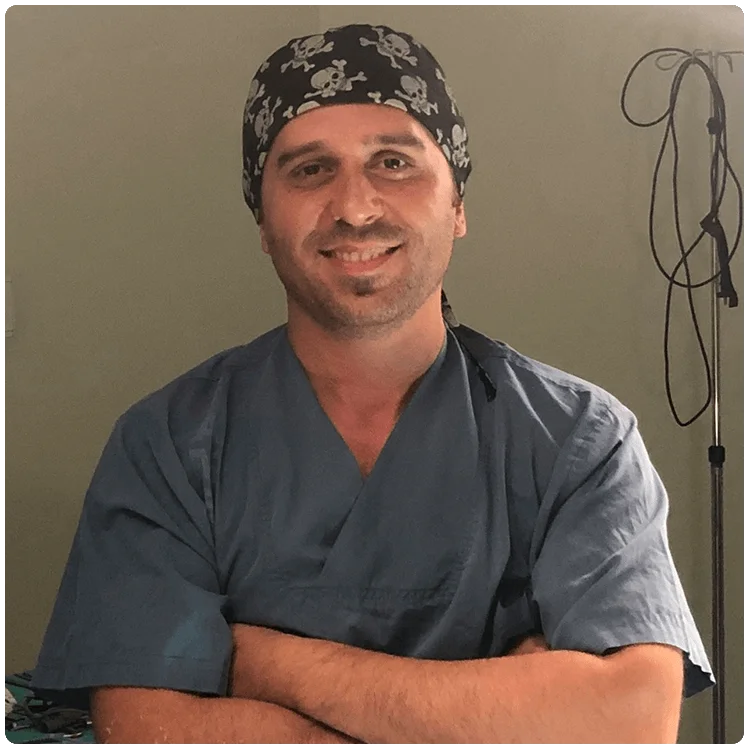
Born in Turkey, Dr. Hasan Duygulu graduated from Dokuz Eylül University Faculty of Medicine in 2009 and specialized in Ear, Nose and Throat (ENT) Diseases and Head & Neck Surgery. Throughout his career, he has focused on facial aesthetic and reconstructive surgery, with particular expertise in rhinoplasty, septoplasty, otoplasty and facelift. He holds double board certification in facial plastic and reconstructive surgery (EBCFPRS and IBCFPRS). His practice is built on detailed facial evaluation and personalized surgical planning, so that every result looks natural and respects the unique character of each patient’s face.
Dr. Hasan Duygulu’s training did not end with his specialty. He has attended advanced rhinoplasty courses and live surgery workshops across Europe, and in 2016 he took part in deep-plane facelift cadaver dissection courses, which keeps his methods aligned with current scientific literature.
With more than 15 years of experience and over 6,000 operations across rhinoplasty, septoplasty, otoplasty and facelift surgery, he has treated patients from more than 30 countries.
Every patient has a detailed one-on-one consultation, and Dr. Hasan Duygulu personally performs every stage of the surgery, from planning to the final follow-up visit.
Dr. Hasan Duygulu’s approach to earlobe repair surgery
Suited to earlobes that have been torn or split, or whose piercing holes have stretched or elongated, usually because of earrings or gauges, earlobe repair restores the shape of the lobe. Dr. Hasan Duygulu, one of the leading earlobe repair specialists in Turkey, examines the lobe and the extent of the tear or stretching, and closes the defect carefully so that the lobe regains a natural shape and a smooth edge. He explains the technique, the healing and whether and when earrings can be worn again during the consultation. The aim is a natural-looking earlobe.
FAQ About Earlobe Repair in Turkey
Is earlobe repair painful?
The procedure is performed under local anesthesia, so you should not feel pain during the surgery. Afterward, you might experience mild discomfort, which can typically be managed with over-the-counter pain relievers.
How long does earlobe repair surgery take?
Earlobe repair is a relatively quick procedure, usually taking about 30 to 60 minutes per earlobe, depending on the complexity of the damage.
Will earlobe repair leave a visible scar?
Any surgical procedure results in a scar. Earlobe repair scars are typically fine and designed to blend into the natural creases of the earlobe, making them less noticeable once healed. Meticulous suturing and aftercare can help minimize scarring.
When can I get new piercings after earlobe repair?
It is generally recommended to wait at least 6 months after earlobe repair surgery. This allows the tissues to heal and regain strength, reducing the risk of re-tearing.
Are the results of earlobe repair permanent?
The results of earlobe repair are generally long-lasting. However, it is important to follow aftercare instructions and avoid activities that could cause new damage, such as wearing excessively heavy earrings too soon or engaging in contact sports without protection.
What if I have keloid tendencies?
If you have a history of keloids (raised, enlarged scars), inform your surgeon during the consultation. Your surgeon can discuss strategies to minimize this risk, such as specific surgical techniques or post-operative treatments.