
Choosing the right otoplasty surgeon is a pivotal decision that directly impacts the aesthetic outcome, functional integrity, and overall satisfaction with your ear reshaping procedure. With advancements in surgical techniques and patient care, selecting a highly skilled and experienced specialist is more crucial than ever to achieve natural-looking and harmonious results. This guide provides an in-depth look at what to consider when entrusting your appearance to an otoplasty expert.
Otoplasty, commonly known as ear pinning or ear reshaping surgery, is a procedure designed to correct prominent ears, address asymmetry, or reconstruct ear deformities. The success of this delicate surgery hinges significantly on the surgeon’s expertise, artistic eye, and patient-centered approach.
Understanding Otoplasty: More Than Just Aesthetics
What is Otoplasty?
Otoplasty is a surgical procedure that reshapes or repositions the ears to improve their appearance and proportion relative to the face and head. It can correct ears that protrude too far from the head, reduce the size of large ears, or reshape specific ear structures.
The procedure typically involves making an incision behind the ear, allowing the surgeon to access and reshape the cartilage using sutures or by removing small amounts of cartilage. It’s often performed on children aged five or older once their ear cartilage is stable, but it’s also a common and effective procedure for adolescents and adults seeking to correct congenital ear defects, trauma-related deformities, or simply to achieve a more balanced facial profile.
The Importance of a Skilled Surgeon
The success of an otoplasty procedure extends far beyond mere physical alteration; it profoundly influences a patient’s self-esteem and confidence. A skilled surgeon ensures not only an aesthetically pleasing outcome but also maintains the ear’s natural contours and functional integrity. Poorly executed otoplasty can lead to unnatural appearances, asymmetry, or even complications that require revision surgery. Therefore, selecting a surgeon with a deep understanding of ear anatomy, a refined surgical technique, and an artistic vision is paramount for achieving safe, satisfying, and long-lasting results.
Key Criteria for Selecting Your Otoplasty Surgeon
Board Certification and Credentials
Board certification is a fundamental indicator of a surgeon’s rigorous training, expertise, and commitment to the highest standards of patient care and ethical practice. When choosing an otoplasty surgeon, prioritize those certified by reputable boards such as the American Board of Plastic Surgery or an equivalent national board in your region.
- Rigorous Training: Board-certified surgeons have completed extensive training programs, including residencies in plastic surgery, and have passed comprehensive examinations.
- Ethical Standards: Certification signifies adherence to strict ethical guidelines and a commitment to patient safety.
- Verification: Always verify a surgeon’s board certification through the respective board’s official website.
Specialization and Experience in Otoplasty
While many plastic surgeons perform otoplasty, those who specialize in facial plastic surgery or have a significant focus on ear reshaping procedures often possess a deeper level of expertise. Look for a surgeon who performs otoplasty regularly, as this indicates a mastery of various techniques and a nuanced understanding of potential challenges.
- Procedure Volume: Inquire about the number of otoplasty procedures the surgeon performs annually. High volume often correlates with greater experience.
- Complex Cases: A surgeon experienced in handling complex or revision otoplasty cases demonstrates a broader skill set.
- Continuous Education: Ensure the surgeon stays updated with the latest advancements and techniques in ear surgery through ongoing education and professional development.
Before-and-After Gallery and Patient Testimonials
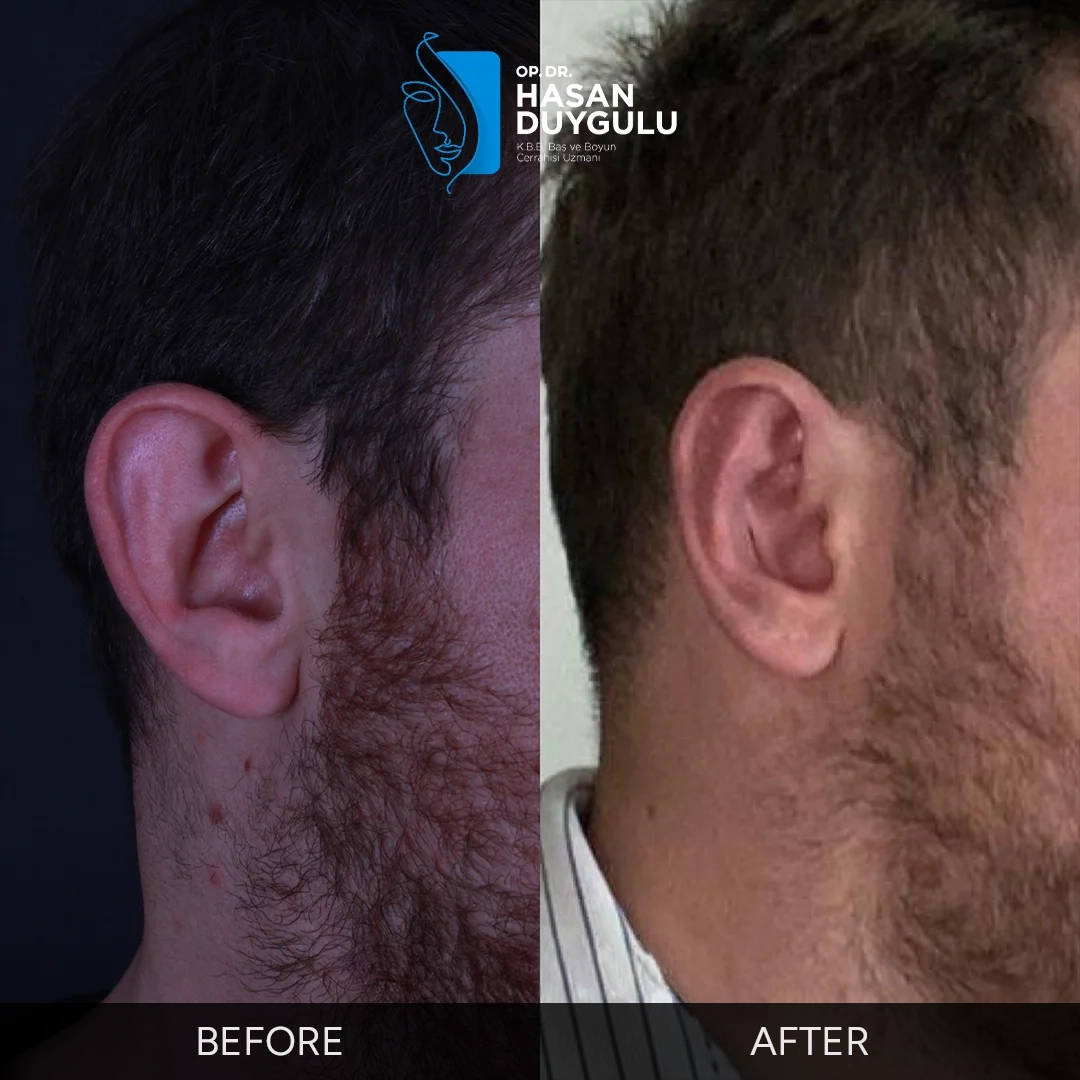
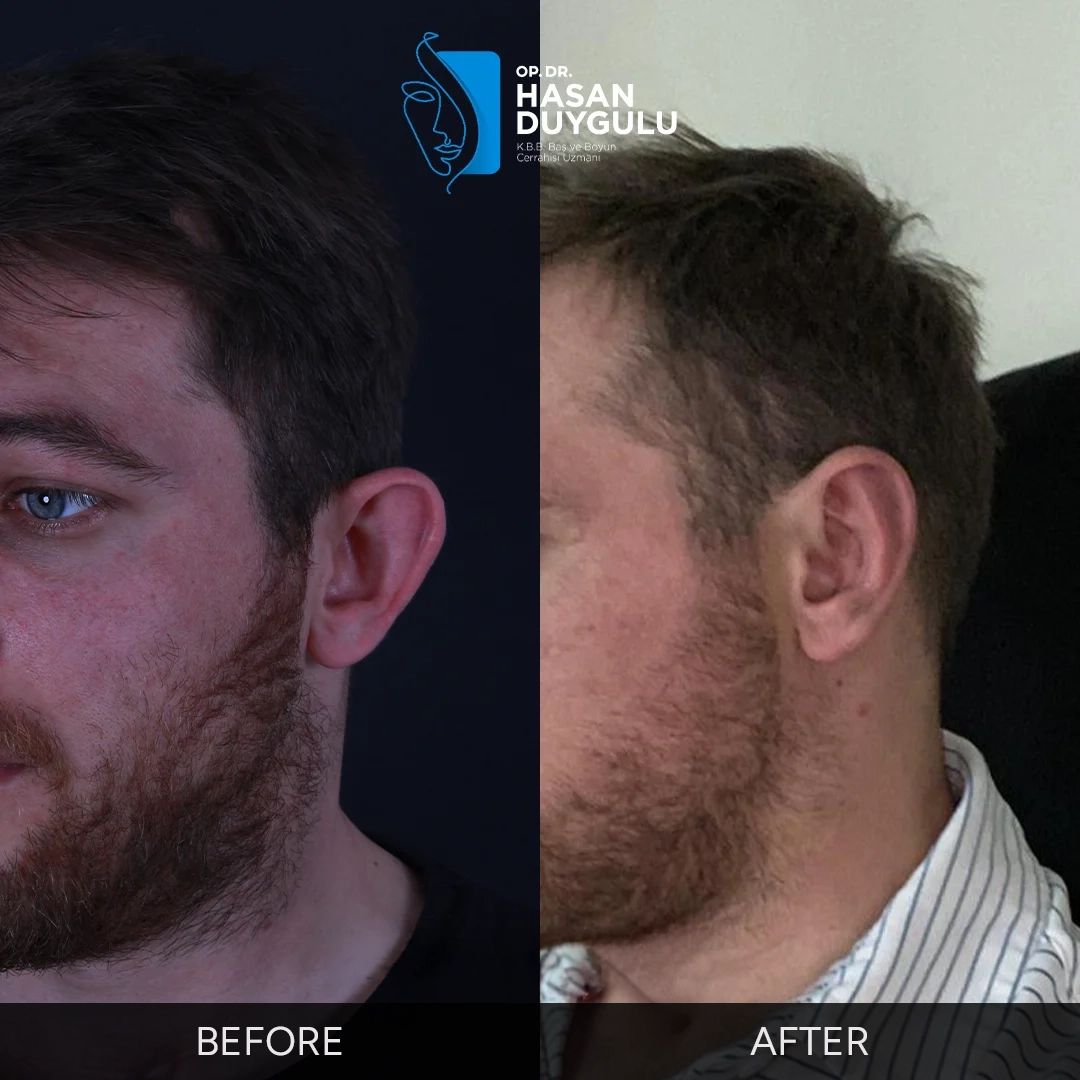
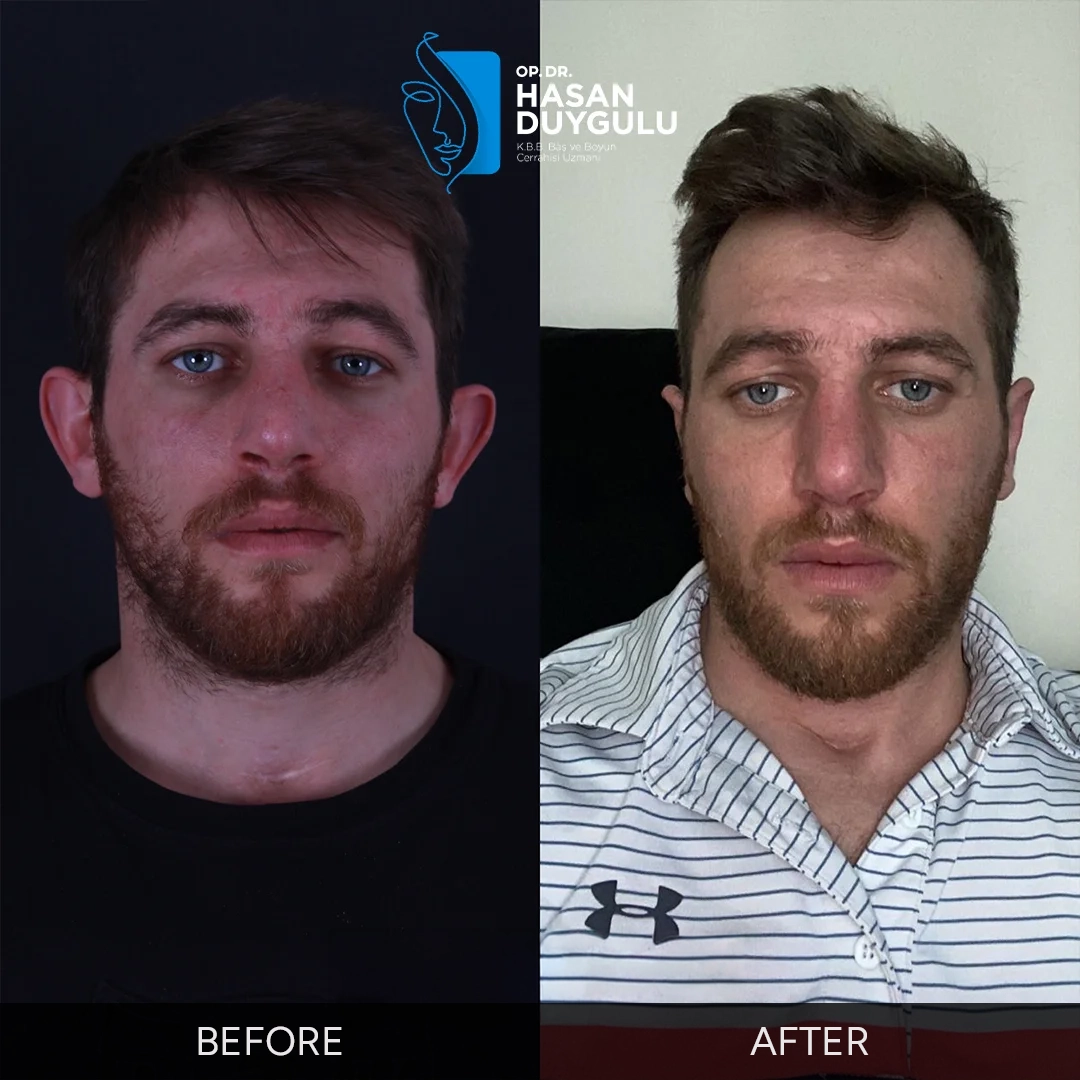
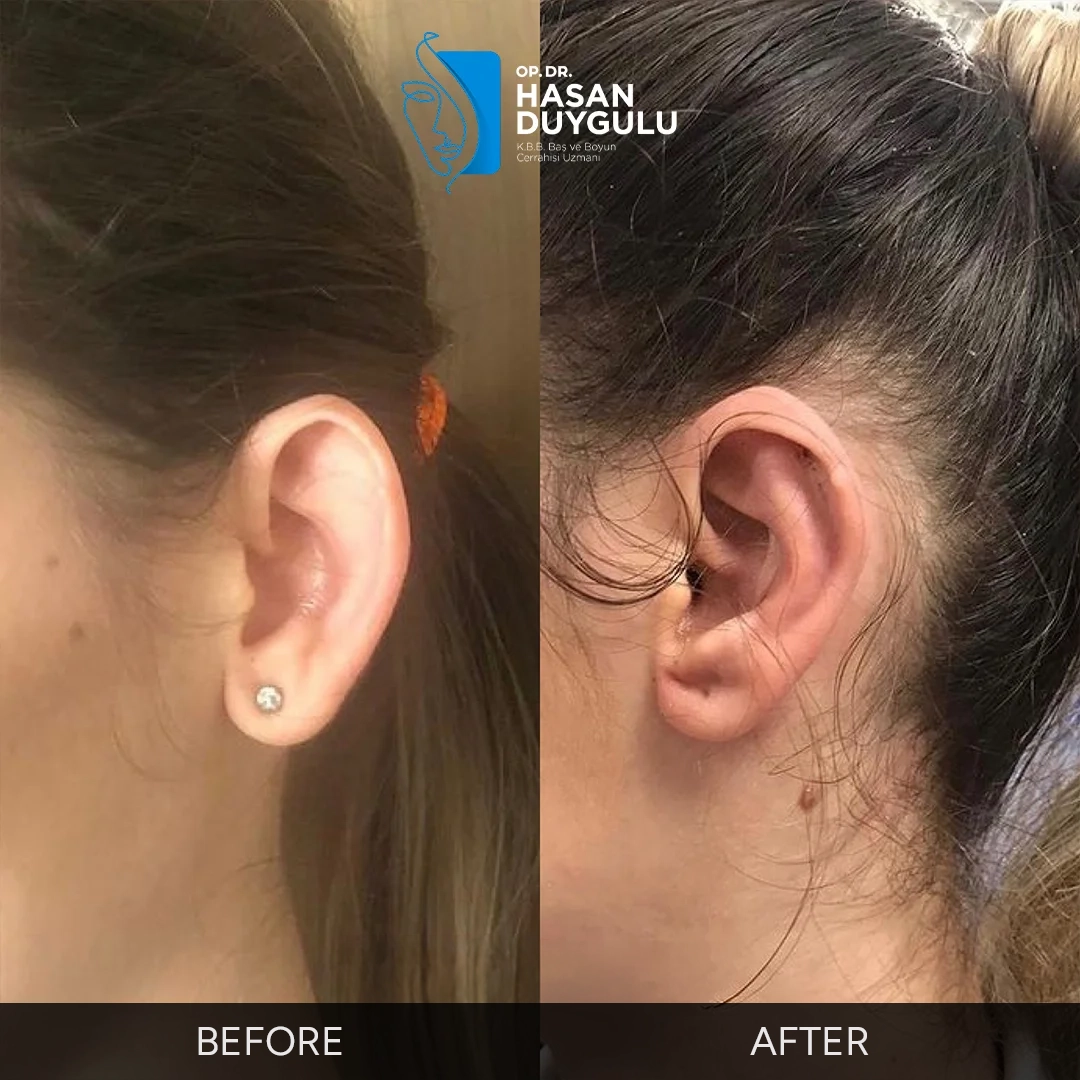
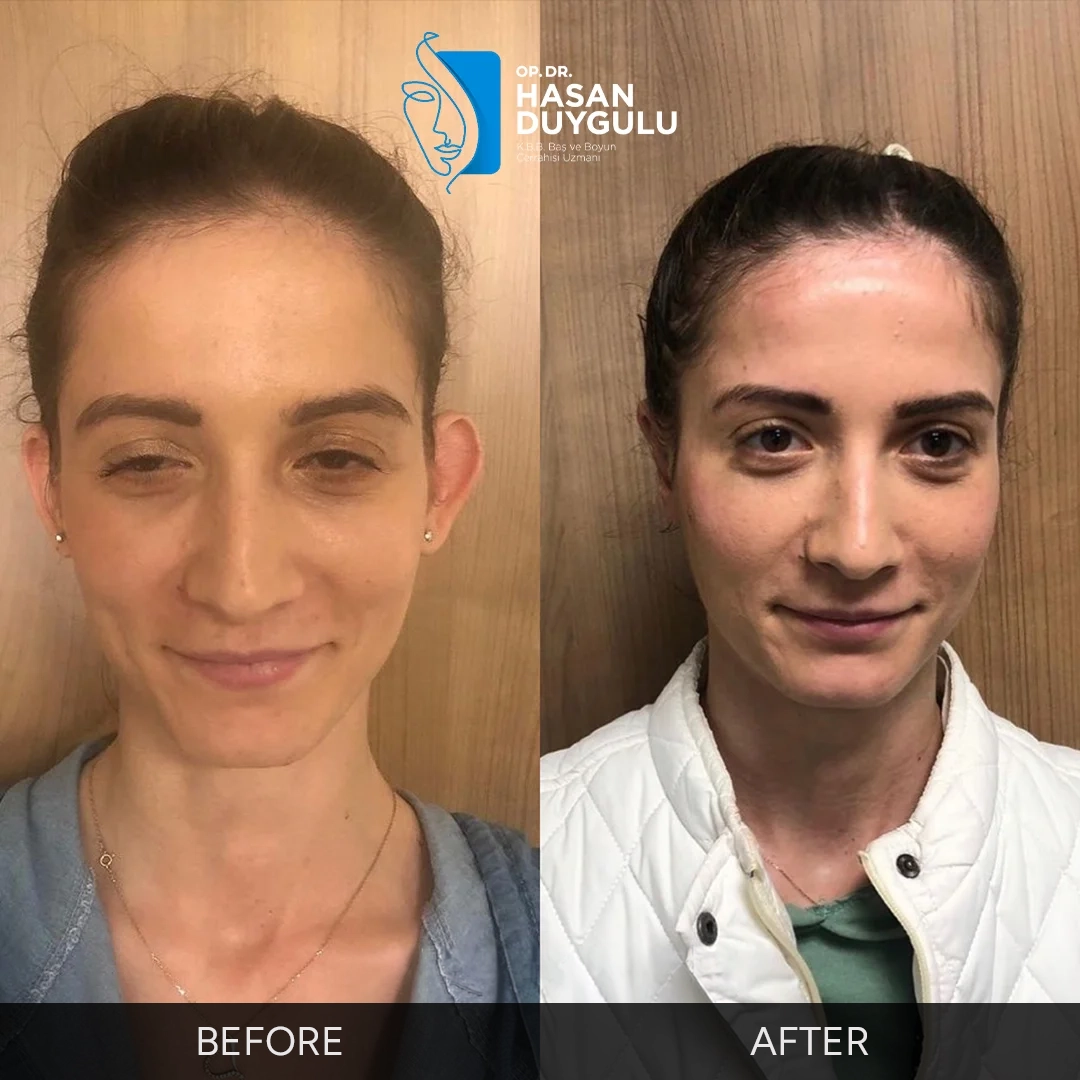
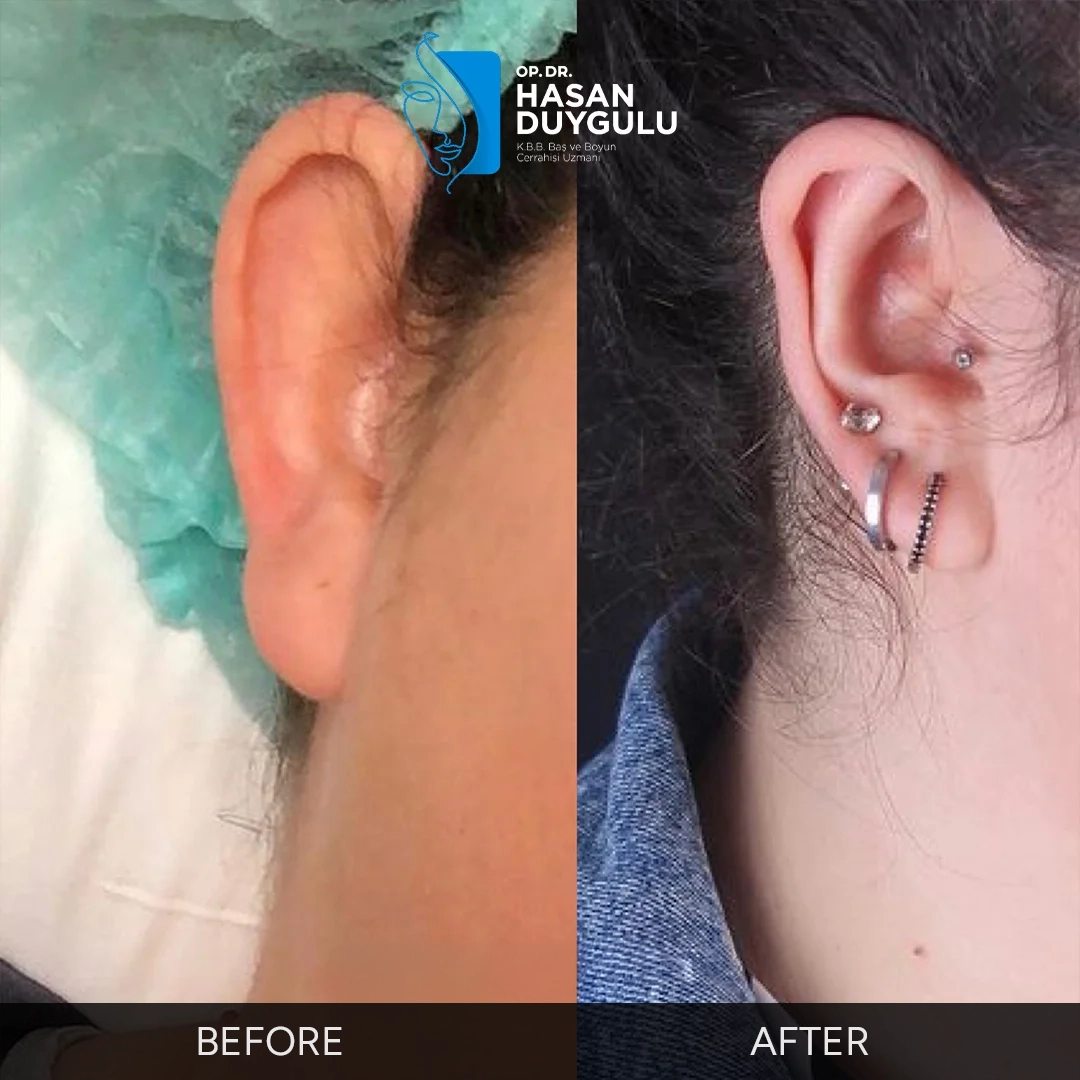
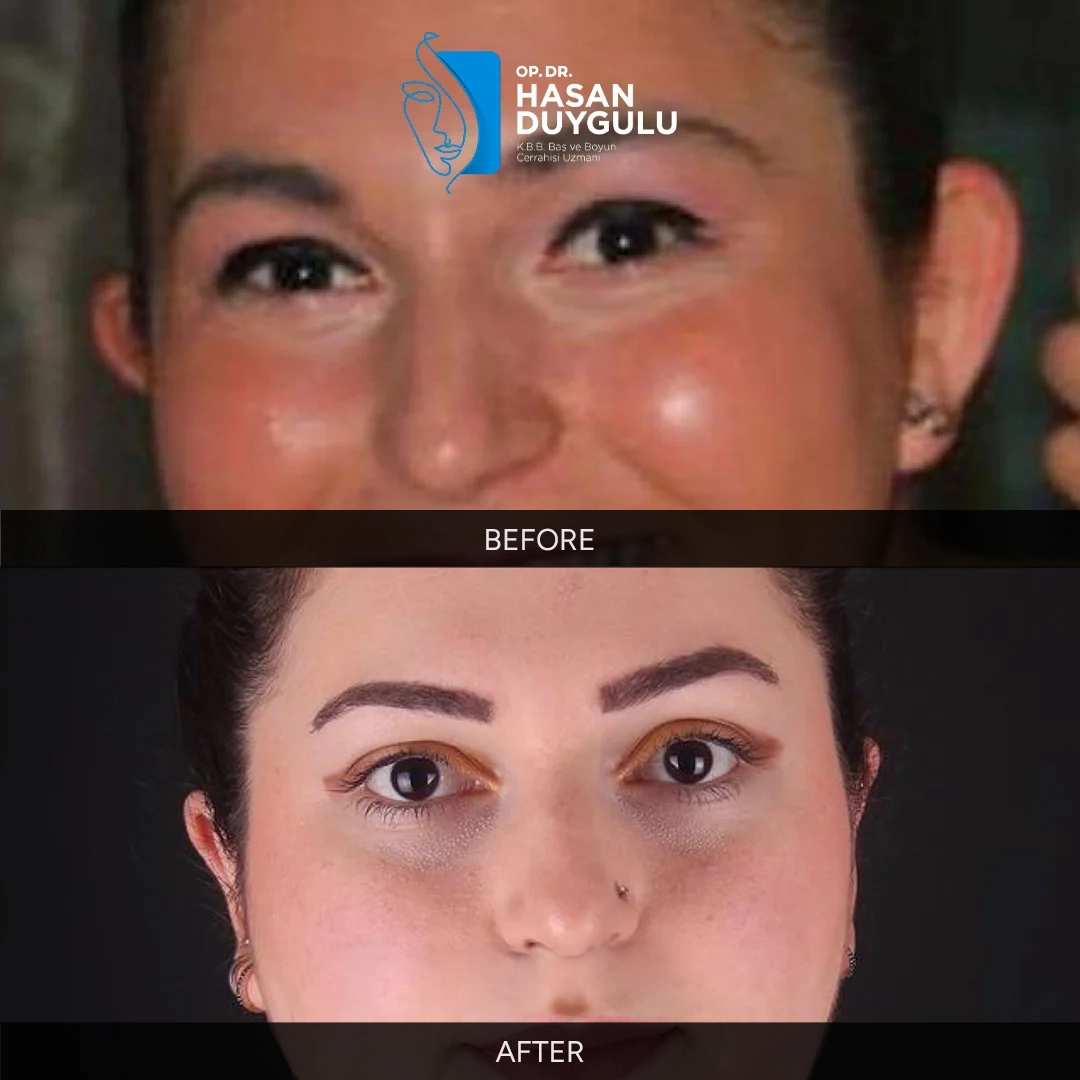
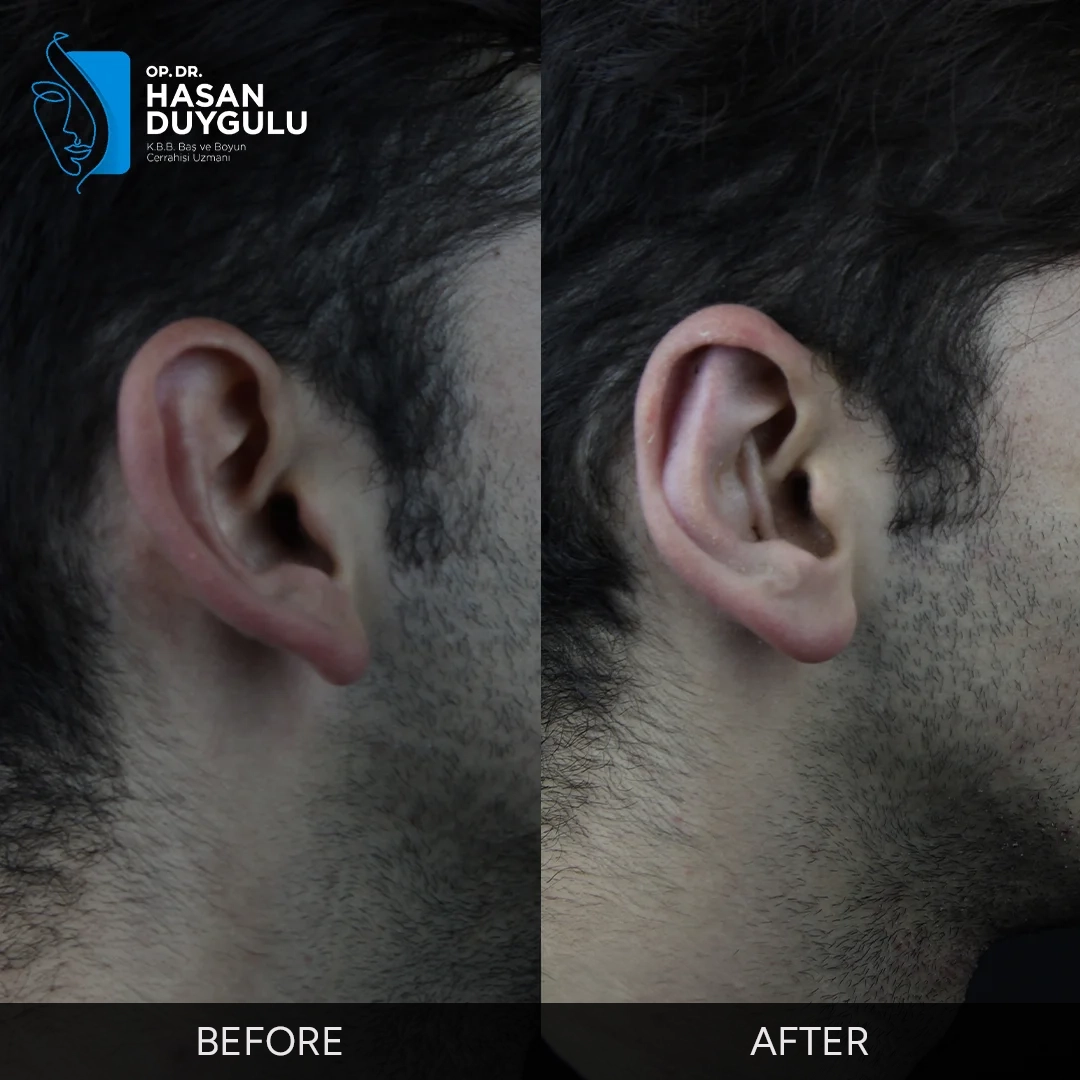
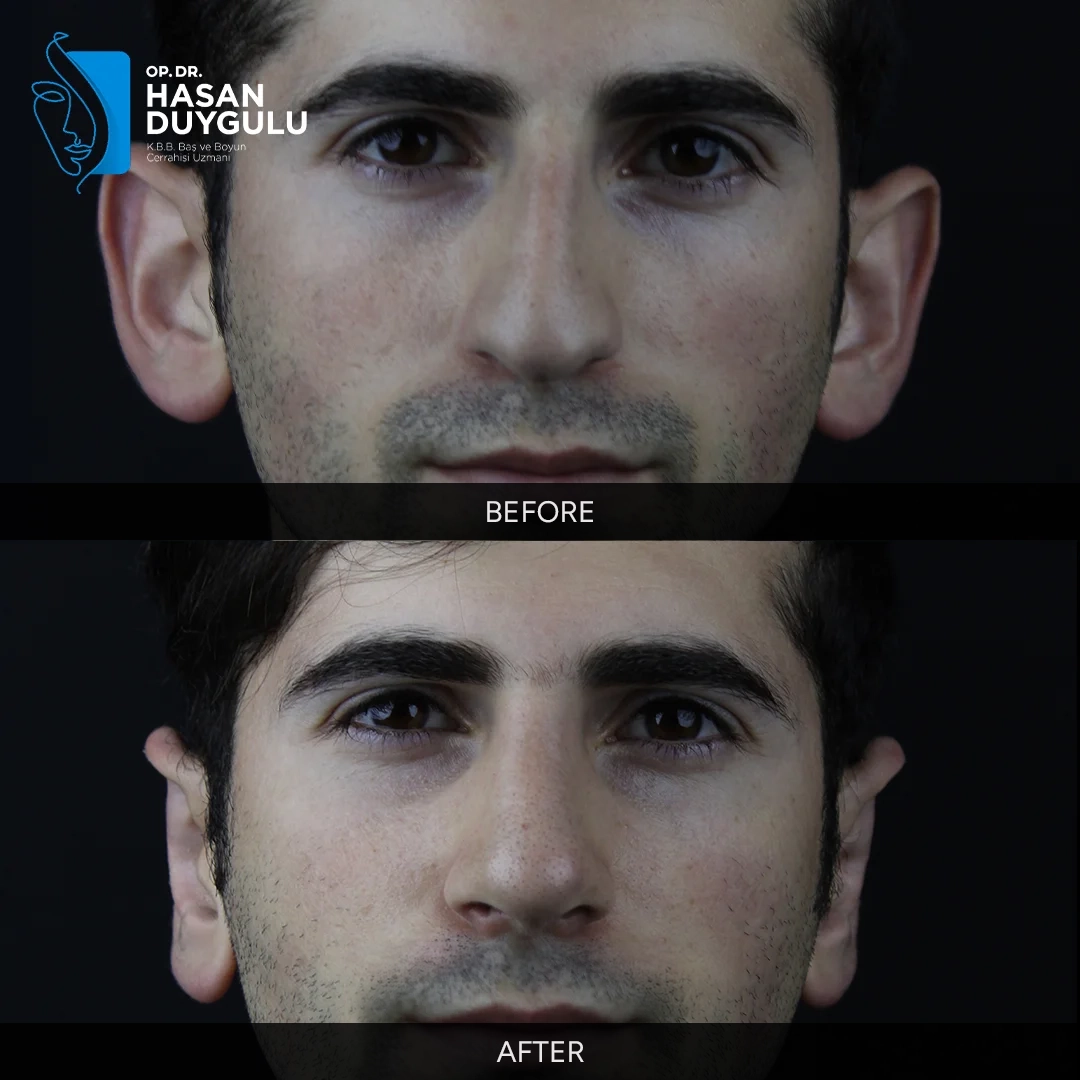
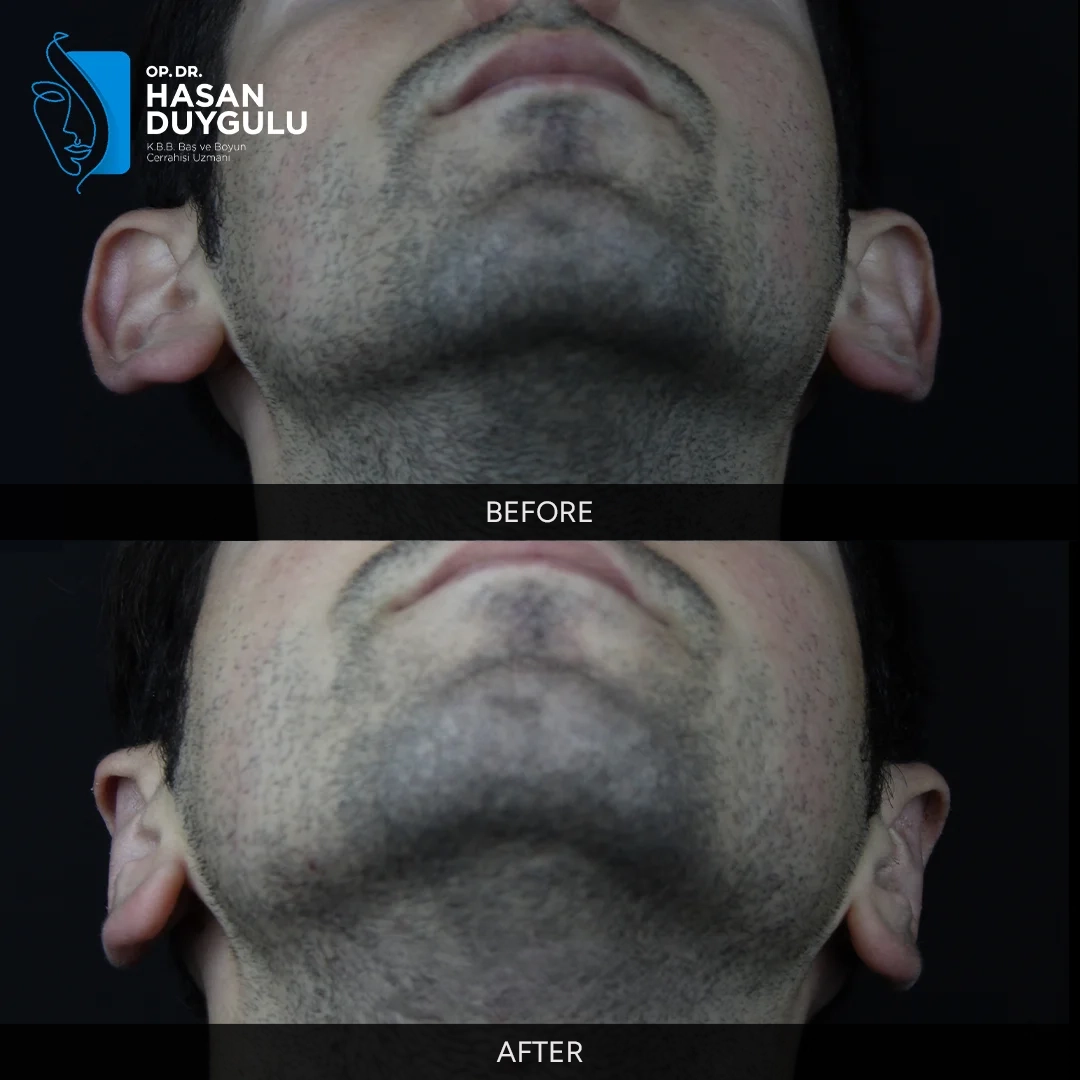
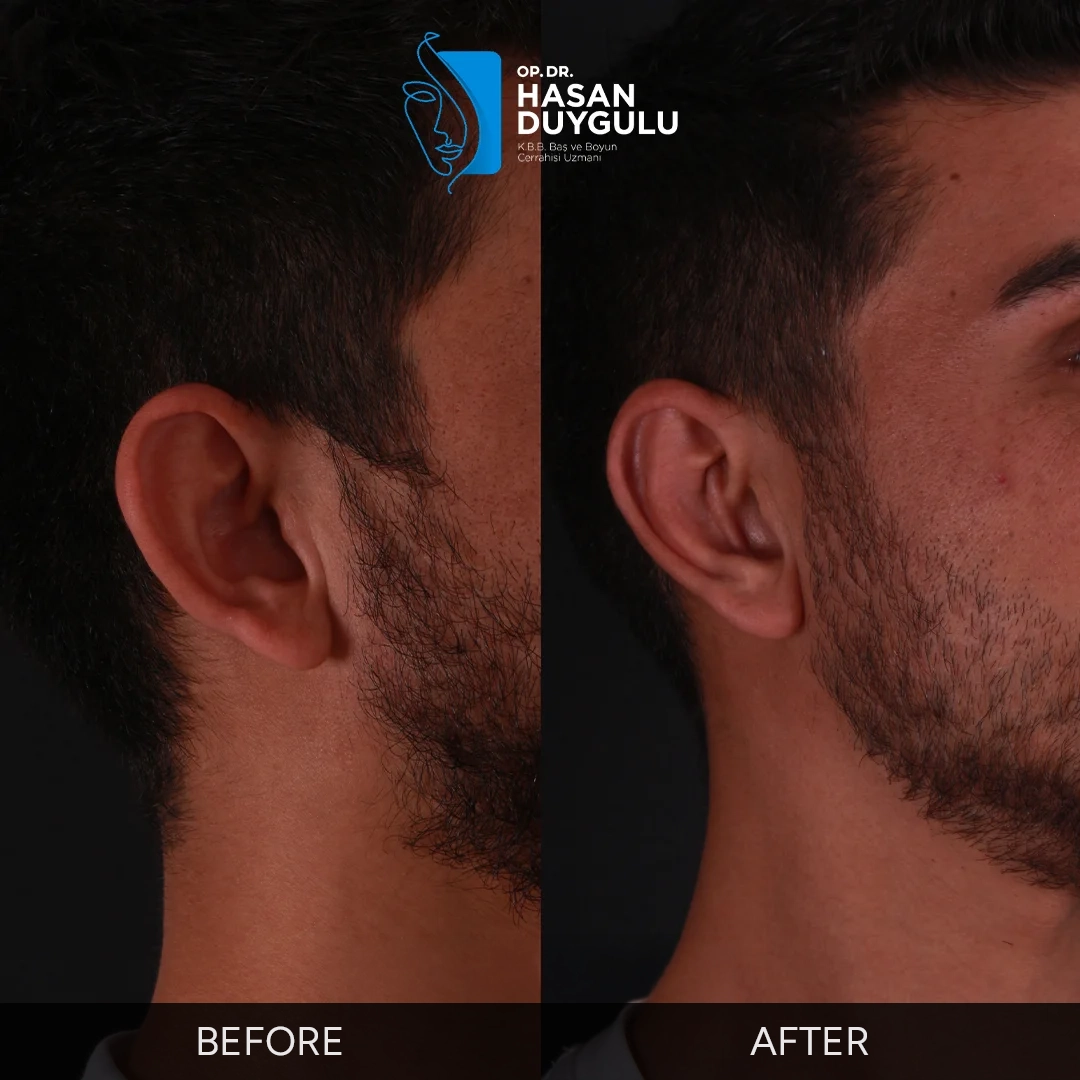
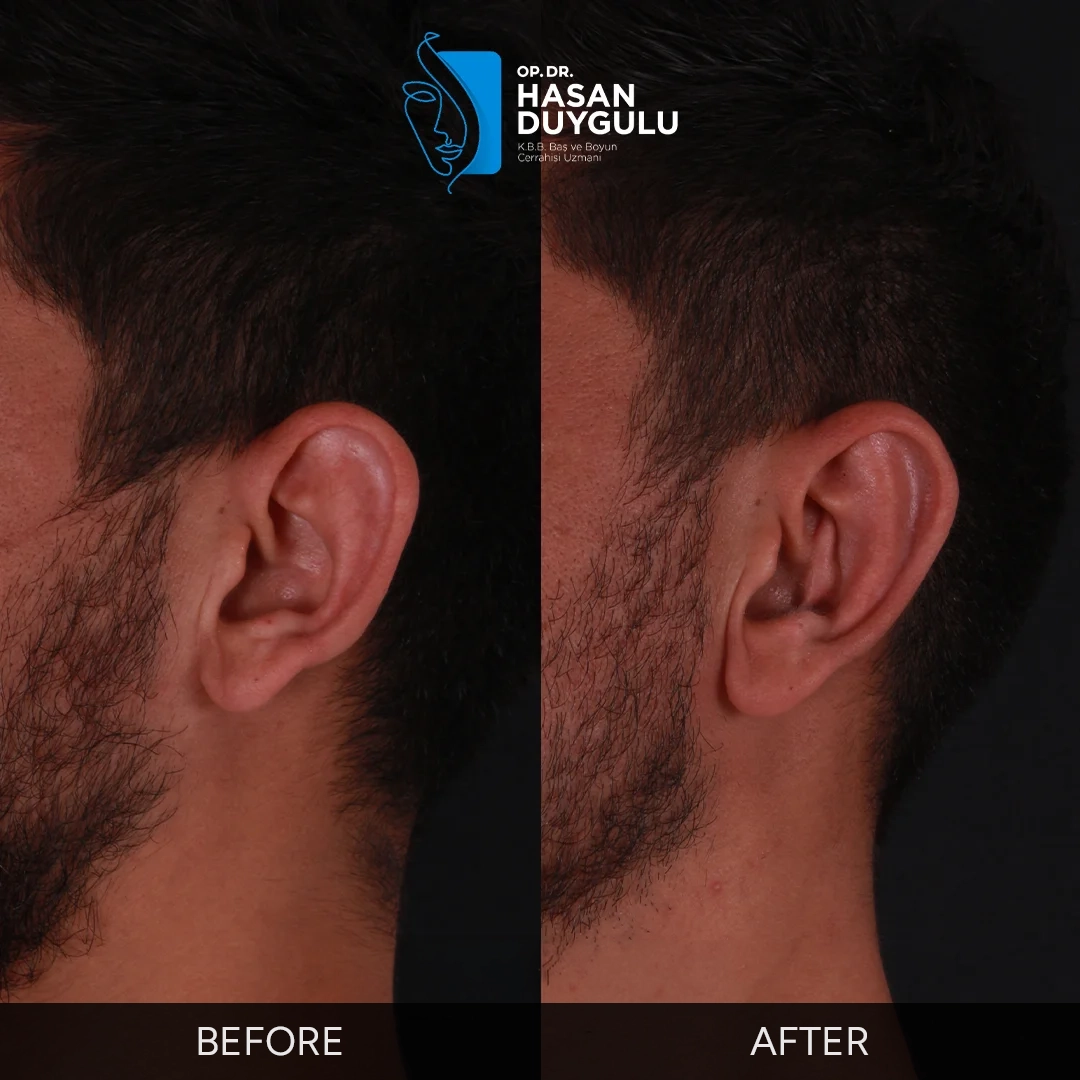
A surgeon’s portfolio of before-and-after photos offers invaluable insight into their aesthetic style and the quality of their work. Reviewing these images can help you determine if their results align with your desired outcome. It is critical to examine a comprehensive portfolio showcasing various case types, as this allows you to assess the surgeon’s aesthetic understanding and skill across different challenges.
- Before & After Photos and Case Portfolio: Look for a variety of cases that demonstrate natural-looking results, not just idealized outcomes. Pay close attention to the consistency and naturalness of the results across different patients. This section should guide you on how the surgeon presents their past work, allowing you to scrutinize the subtlety and harmony of the outcomes. It’s a fundamental step in building trust and managing your expectations.
- Aesthetic Style: Assess if the surgeon’s work reflects a balanced and harmonious approach, avoiding an “overdone” appearance.
- Patient Reviews and References: The real-world experiences of previous patients are invaluable. Seek out patient reviews, testimonials, and online ratings on reputable platforms such as Google Reviews, RealSelf, or other independent medical review sites. This section should guide you on how to find and evaluate these reliable sources, helping you understand the surgeon’s approach to patient satisfaction. Social proof is a powerful influencer in the decision-making process.
Hospital Privileges and Accreditation
The facility where your surgery will be performed is as important as the surgeon themselves. Ensure the surgeon has privileges at accredited hospitals or operates in a state-licensed, accredited surgical center. The accreditation of the clinic or hospital, along with the general standards of the facility, is paramount. This guarantees that the surgical environment meets stringent safety standards, ensures impeccable hygiene, and has robust emergency protocols in place, equipped with advanced medical technology. Accredited facilities are a clear indicator of adherence to high safety and care standards.
- Safety Standards: Accredited facilities adhere to strict safety and hygiene regulations.
- Emergency Preparedness: Access to hospital resources ensures comprehensive care in the unlikely event of complications.
Communication and Patient-Centered Approach
Effective communication and a patient-centered approach are vital for a positive surgical experience. Your surgeon should be an empathetic listener, willing to address all your questions and concerns thoroughly. For a successful otoplasty journey, the importance of clear, open communication and mutual understanding between you and your surgeon cannot be overstated. This involves the surgeon’s ability to truly listen, how they respond to your questions, their empathy towards your concerns, and their skill in realistically managing your expectations. Excellent communication ensures you feel secure, well-informed, and ultimately satisfied with the results.
- Clear Explanations: The surgeon should clearly explain the procedure, potential risks, expected recovery, and realistic outcomes.
- Addressing Concerns: A good surgeon will take the time to understand your motivations and anxieties, providing reassurance and comprehensive information.
- Post-Operative Plan: A detailed post-operative care plan and clear instructions for recovery are essential for optimal healing.
Anesthesia Options and Safety Protocols
Understanding the anesthesia options and the safety protocols in place is crucial for your peace of mind. Discuss whether local anesthesia with sedation or general anesthesia will be used, and ensure a board-certified anesthesiologist or nurse anesthetist will administer and monitor your anesthesia.
- Anesthesia Discussion: Understand the pros and cons of each anesthesia type for your specific case.
- Certified Professionals: Confirm that a qualified anesthesia provider will be present throughout the procedure.
- Emergency Protocols: Inquire about the facility’s emergency preparedness and response procedures.
The Consultation Process: Your Opportunity to Evaluate
The initial consultation is arguably one of the most crucial steps in selecting your otoplasty surgeon. It’s not just an information-gathering session; it’s an opportunity to assess the surgeon’s expertise, communication style, and to determine if there’s a good rapport and understanding between you. This critical phase should detail how the consultation unfolds and what it should encompass, serving as your primary chance to evaluate the surgeon’s approach to personalized care.
Preparing for Your Consultation
The consultation is your chance to gather information, assess the surgeon’s expertise, and determine if they are the right fit for you. Prepare a list of questions to ensure all your concerns are addressed. To maximize this meeting, prepare thoroughly by noting down your aesthetic goals, any concerns you have, and a comprehensive list of questions. This preparation ensures you fully understand the surgeon’s evaluation approach, the proposed personalized treatment plan, and how well your expectations align with their professional assessment.
Key Questions to Ask: To empower you in making an informed decision, here is a comprehensive list of questions to ask your surgeon:
- What is your experience specifically with otoplasty, and how many such procedures do you perform each year?
- What surgical technique do you recommend for my specific case, and why?
- What are the potential risks and complications associated with otoplasty, and how are they managed?
- What kind of results can I realistically expect, and what is your approach to achieving natural-looking outcomes?
- What is the recovery process like, what post-operative care will be required, and what is the typical timeline for returning to normal activities?
- What is the total cost of the procedure, including surgeon’s fees, anesthesia, facility fees, and follow-up care?
- Can I see more before-and-after photos of your otoplasty patients, particularly those with similar concerns to mine?
- What is your policy on revision surgery if the initial outcome is not satisfactory?
- How do you ensure patient safety during and after the procedure?
- What are the accreditation details of the surgical facility?
- Medical History: Be prepared to discuss your complete medical history, including any previous surgeries, current medications, and allergies.
- Desired Outcomes: Clearly articulate your aesthetic goals and what you hope to achieve with the surgery.
What to Expect During the Consultation
During your consultation, the surgeon should conduct a thorough physical examination of your ears, discuss various surgical techniques, and provide a clear understanding of what the procedure entails.
- Physical Examination: The surgeon will assess your ear anatomy, cartilage structure, and degree of prominence.
- Surgical Techniques: They should explain the different approaches (e.g., cartilage-sparing, cartilage-scoring) and recommend the most suitable one for you.
- Computer Imaging: Some clinics offer 3D imaging to provide a visual simulation of potential post-operative results, helping to set realistic expectations.
- Risk/Benefit Analysis: A transparent discussion of the potential risks, benefits, and alternatives to surgery.
- Cost Breakdown: A detailed explanation of all costs involved, including surgeon’s fees, anesthesia fees, facility fees, and any follow-up care.
Red Flags to Watch Out For
While most surgeons are highly professional, it’s important to be aware of potential red flags that might indicate a less-than-ideal choice. Being vigilant about these warning signs can help you avoid potentially negative experiences and ensure you choose a trustworthy and competent professional.
- Pressure Tactics: Feeling pressured into making a quick decision or undergoing additional procedures, or encountering overly aggressive sales tactics.
- Unrealistic Promises: A surgeon who guarantees perfect results, downplays potential risks, or shows you only “ideal” before-and-after photos without variety.
- Lack of Transparency: Evasiveness regarding credentials, experience, costs, potential complications, or unclear references.
- Evasive Answers: Unwillingness to answer your questions thoroughly or provide clear explanations, or dismissing your concerns.
- Overly Low Pricing: While cost is a factor, unusually low prices might indicate compromises in quality, safety, experience, or the use of unaccredited facilities.
Otoplasty: Innovations and Considerations
Potential Risks and Complications
It is crucial to have transparent information regarding the potential risks and complications associated with otoplasty. While generally safe, procedures can carry risks such as infection, asymmetry, changes in skin sensation (numbness), unfavorable scarring, or the need for revision surgery. Your surgeon should discuss these possibilities openly, ensuring you have realistic expectations and are prepared for any potential issues. Understanding these aspects is key to making an informed decision.
Advanced Techniques and Technologies
The field of otoplasty continues to evolve, with further refinements in techniques aimed at achieving more natural and durable results with reduced recovery times.
- Minimally Invasive Approaches: Surgeons are increasingly utilizing techniques that require smaller incisions, leading to less scarring and quicker healing.
- Advanced Suturing Techniques: Innovative suturing methods allow for precise reshaping and secure positioning of the ear cartilage, minimizing the risk of recurrence.
- 3D Imaging for Planning: Sophisticated 3D imaging tools aid in pre-operative planning, allowing surgeons to visualize and customize the surgical approach for each patient’s unique anatomy.
- Personalized Surgical Plans: The emphasis is on creating bespoke surgical plans that respect individual facial harmony and achieve a natural, unoperated look.
Recovery and Post-Operative Care
The journey to optimal results extends well beyond the operating room. Ameliyat sonrası bakım (post-operative care) and follow-up appointments are critical for a smooth healing process and to ensure the final aesthetic outcome is optimized. Understanding the recovery process is essential for proper planning and optimal healing. While individual experiences vary, a general timeline and care instructions are typically provided.
Comprehensive Post-Operative Care: This includes detailed instructions on wound care, medication management (for pain and infection prevention), and activity restrictions. Adhering strictly to these guidelines is vital for minimizing complications and achieving the best possible results.
Typical Recovery Timeline
- First Week: A head bandage is usually worn continuously. Swelling and bruising are common.
- 2-4 Weeks: The bandage may be replaced with a lighter headband worn at night. Most swelling subsides.
- 6-12 Weeks: Ears begin to settle into their final position. Strenuous activities can gradually resume.
- 6 Months+: Final results become fully apparent as all swelling resolves and tissues heal.
- Pain Management: Mild to moderate pain is expected and can be managed with prescribed or over-the-counter pain medication.
- Scar Care: Incisions are typically made behind the ear, making scars discreet. Scar care instructions will be provided to minimize visibility.
Follow-up Appointments: Regular follow-up visits with your surgeon are crucial to monitor healing progress, address any concerns, and ensure the long-term success of your otoplasty. The surgeon’s commitment to post-operative support is a key indicator of their patient-centric approach.
Cost of Otoplasty (General Overview)
Understanding the financial aspects of otoplasty is crucial for planning. This section clarifies what the overall costs typically cover, including surgeon’s fees, anesthesia, and facility charges. It also outlines potential financing options and explains the nuances of insurance coverage, particularly distinguishing between aesthetic and medically necessary procedures. The cost of otoplasty can vary significantly based on several factors. It’s important to get a comprehensive quote during your consultation.
- Surgeon’s Fee: This is the primary cost, reflecting the surgeon’s experience, reputation, and the complexity of the procedure.
- Anesthesia Fees: Covers the cost of the anesthesiologist or nurse anesthetist and the anesthesia itself. Varies based on type and duration.
- Facility Fees: Cost for using the surgical facility, including operating room, equipment, and nursing staff.
- Pre/Post-Operative Care: May include consultation fees, follow-up appointments, and necessary medications.
- Geographic Location: Costs can vary significantly by city and region due to differences in overhead and market rates.
Otoplasty is generally considered an elective cosmetic procedure, so it is rarely covered by health insurance unless it’s performed to correct a significant congenital deformity or a defect caused by trauma that impairs hearing or causes other medical issues. Always discuss financing options, such as payment plans or medical loans, with your surgeon’s office if needed, to ensure a clear understanding of all financial commitments before proceeding.
Why Dr. Hasan Duygulu is a Preferred Choice for Otoplasty
Expertise and Specialization
Dr. Hasan Duygulu stands out as a highly respected and sought-after surgeon for otoplasty, known for his extensive experience and specialized focus on facial plastic and reconstructive surgery. With a deep understanding of facial aesthetics and ear anatomy, Dr. Duygulu consistently delivers natural-looking results that enhance facial harmony. His meticulous approach ensures that each patient receives a tailored surgical plan designed to meet their unique needs and aesthetic goals, prioritizing both form and function.
Patient-Centric Philosophy
At the core of Dr. Duygulu’s practice is a commitment to a patient-centric philosophy. He believes in fostering an environment of trust, transparency, and open communication. From the initial consultation through to post-operative care, Dr. Duygulu takes the time to listen to patient concerns, thoroughly explain every aspect of the procedure, and set realistic expectations. His dedication to personalized care ensures that patients feel informed, comfortable, and confident throughout their entire otoplasty journey, leading to high levels of satisfaction and positive outcomes.
State-of-the-Art Facilities and Support
Dr. Duygulu performs otoplasty procedures in state-of-the-art, accredited surgical facilities that adhere to the highest standards of safety and care. Patients benefit from a modern surgical environment equipped with advanced technology and supported by a dedicated team of highly trained medical professionals. This comprehensive support system, combined with Dr. Duygulu’s expertise, ensures a safe and comfortable experience, from pre-operative preparation to thorough aftercare and follow-up, facilitating optimal healing and long-term results.
Get In Contact With Us
Want to know more about the price and options for Otoplasty in Turkey? Contact us today for a free consultation!
Contact NowOtoplasty Before and After Turkey Gallery
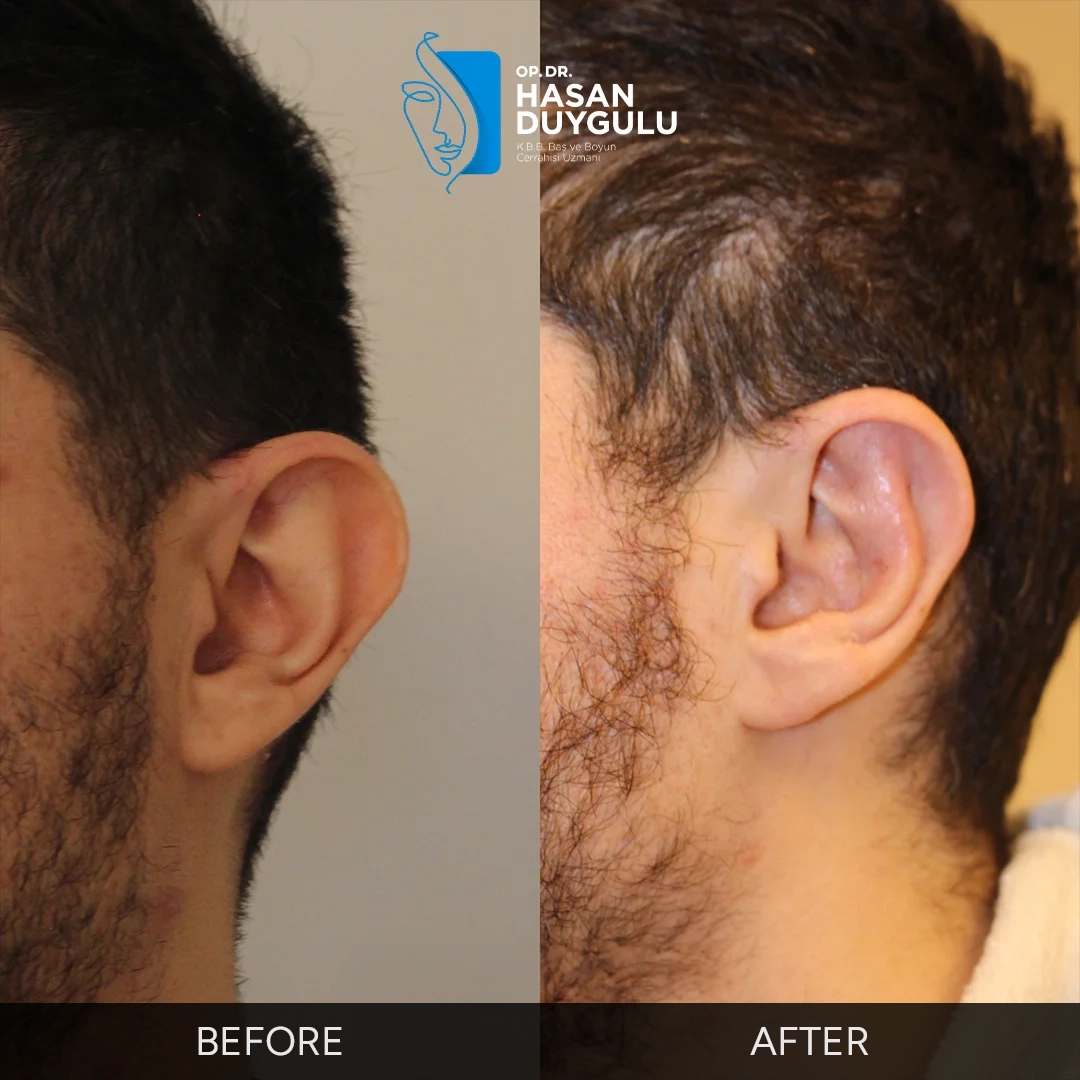
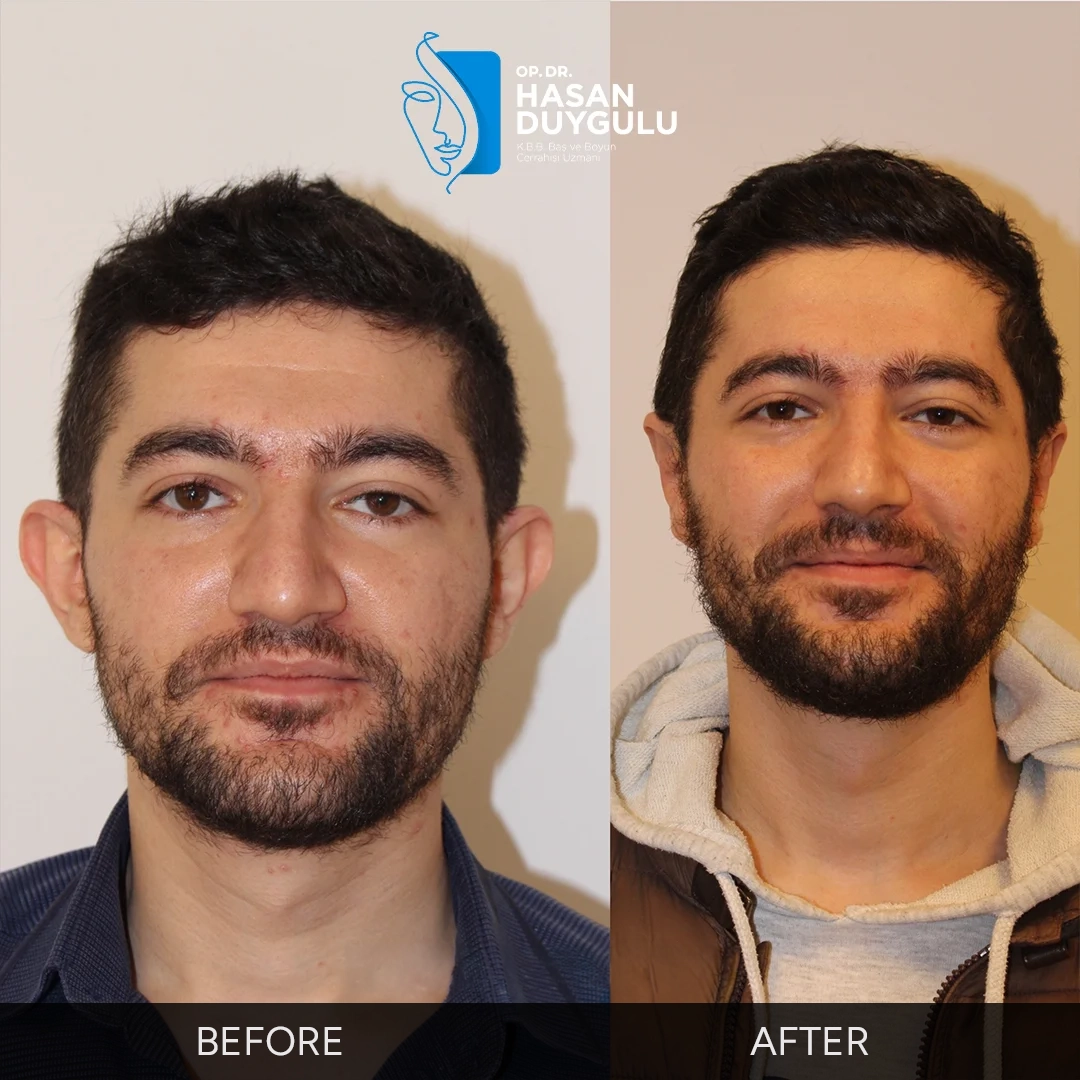
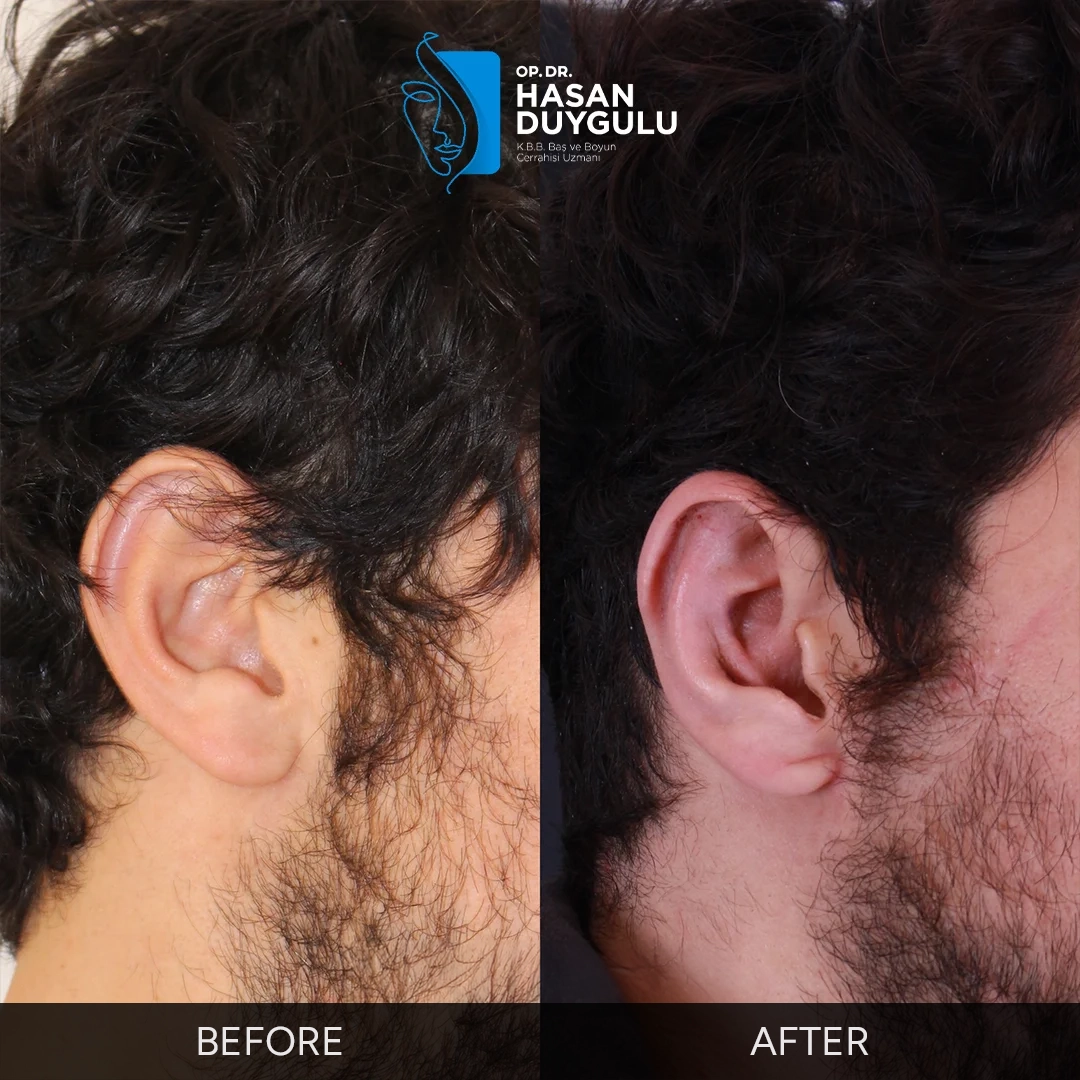
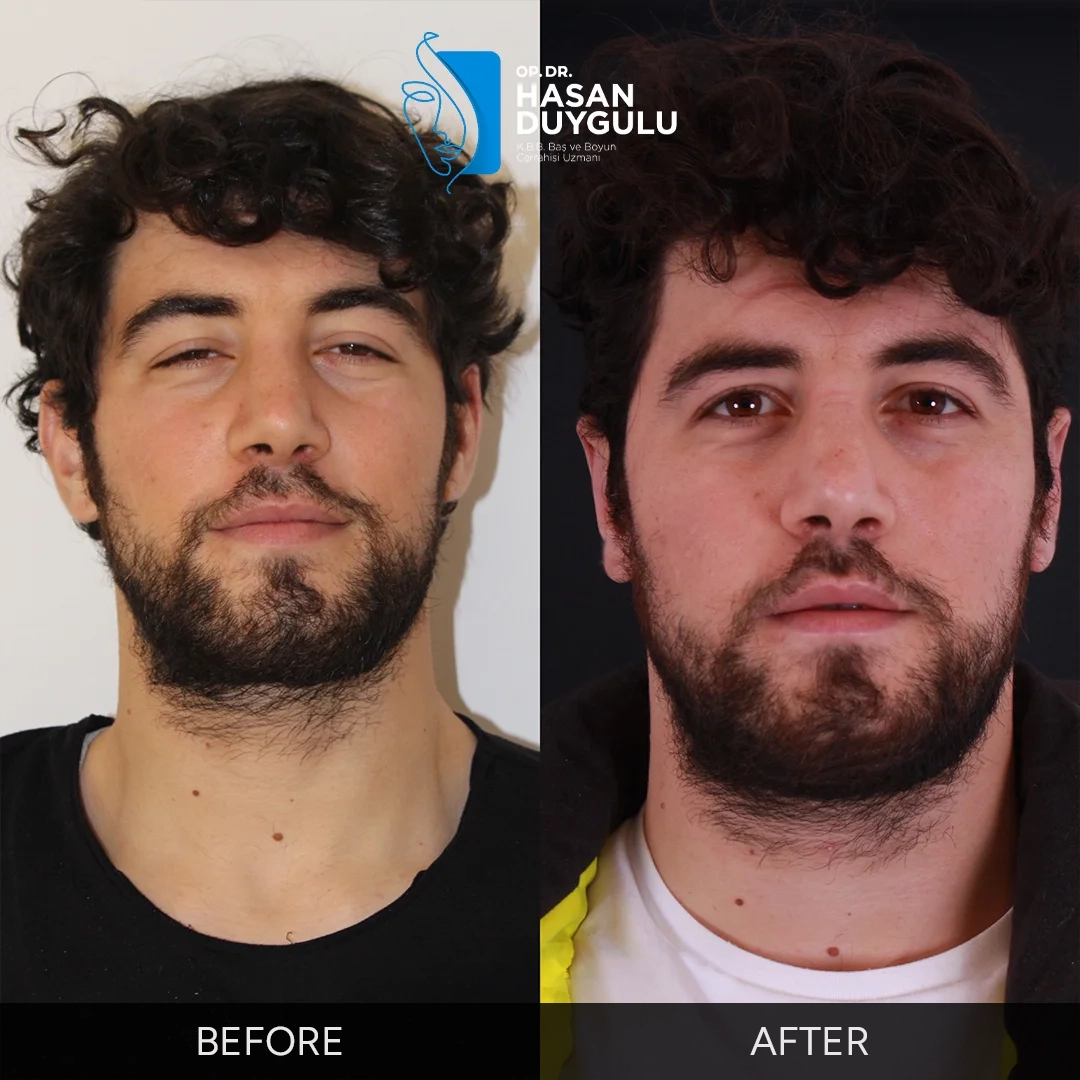
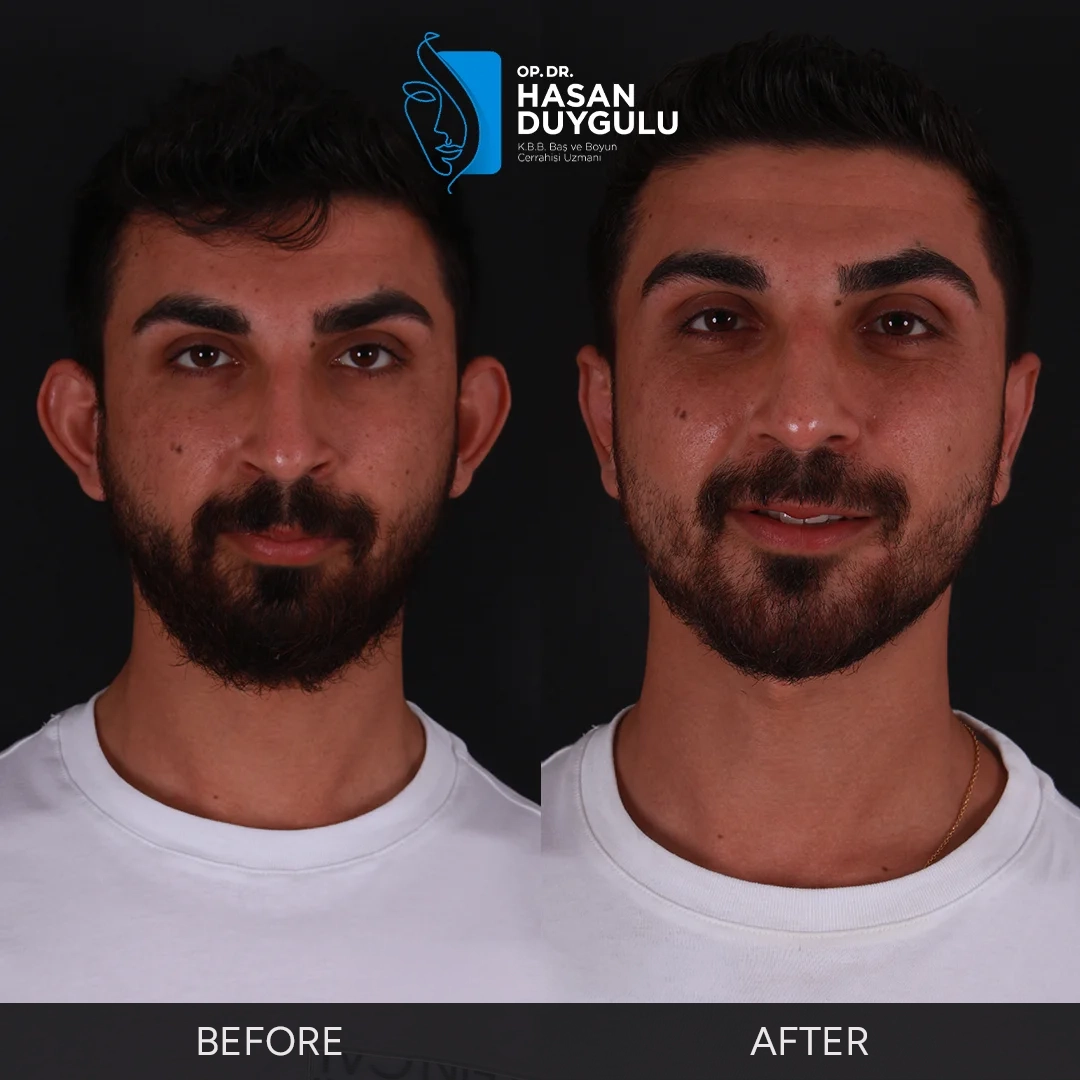
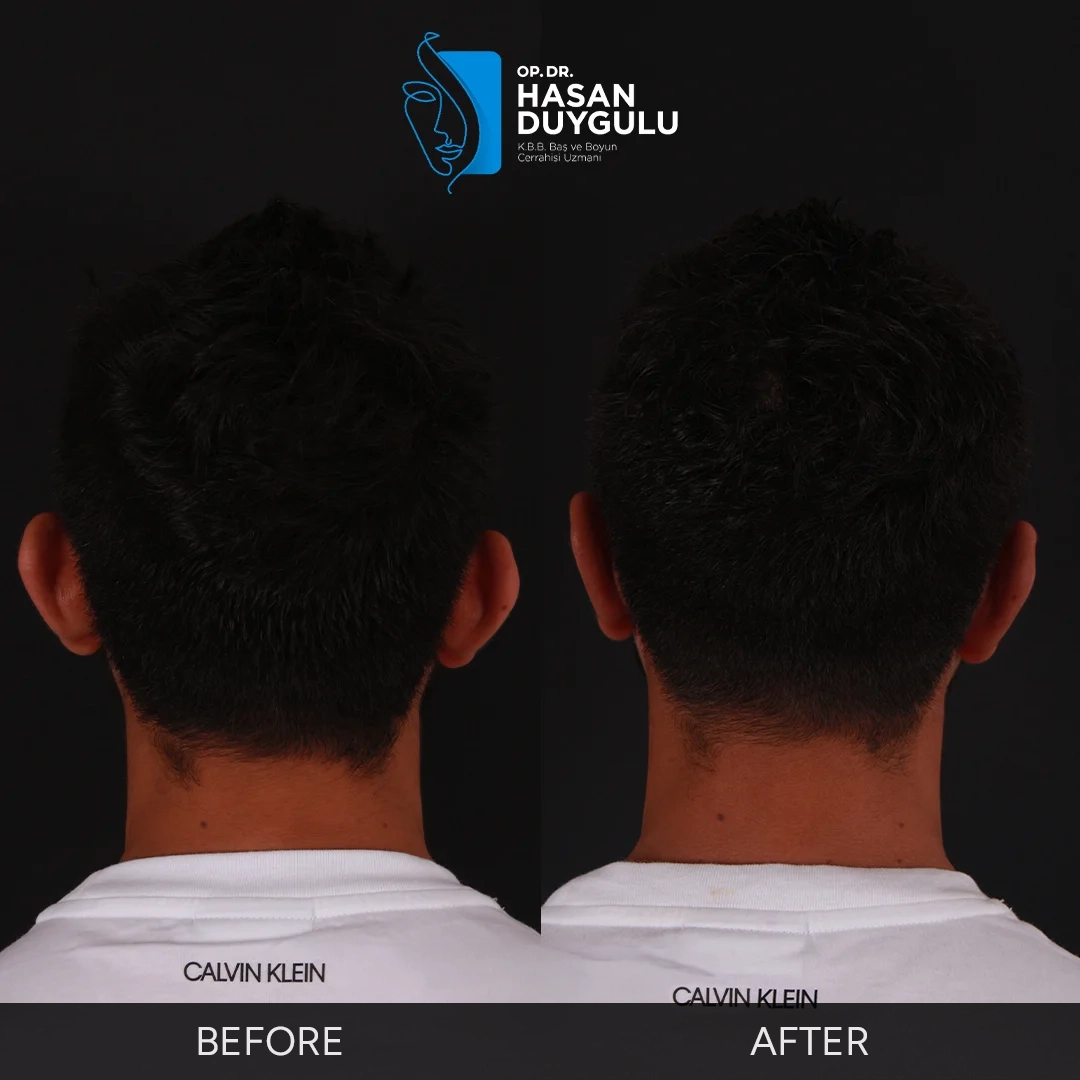
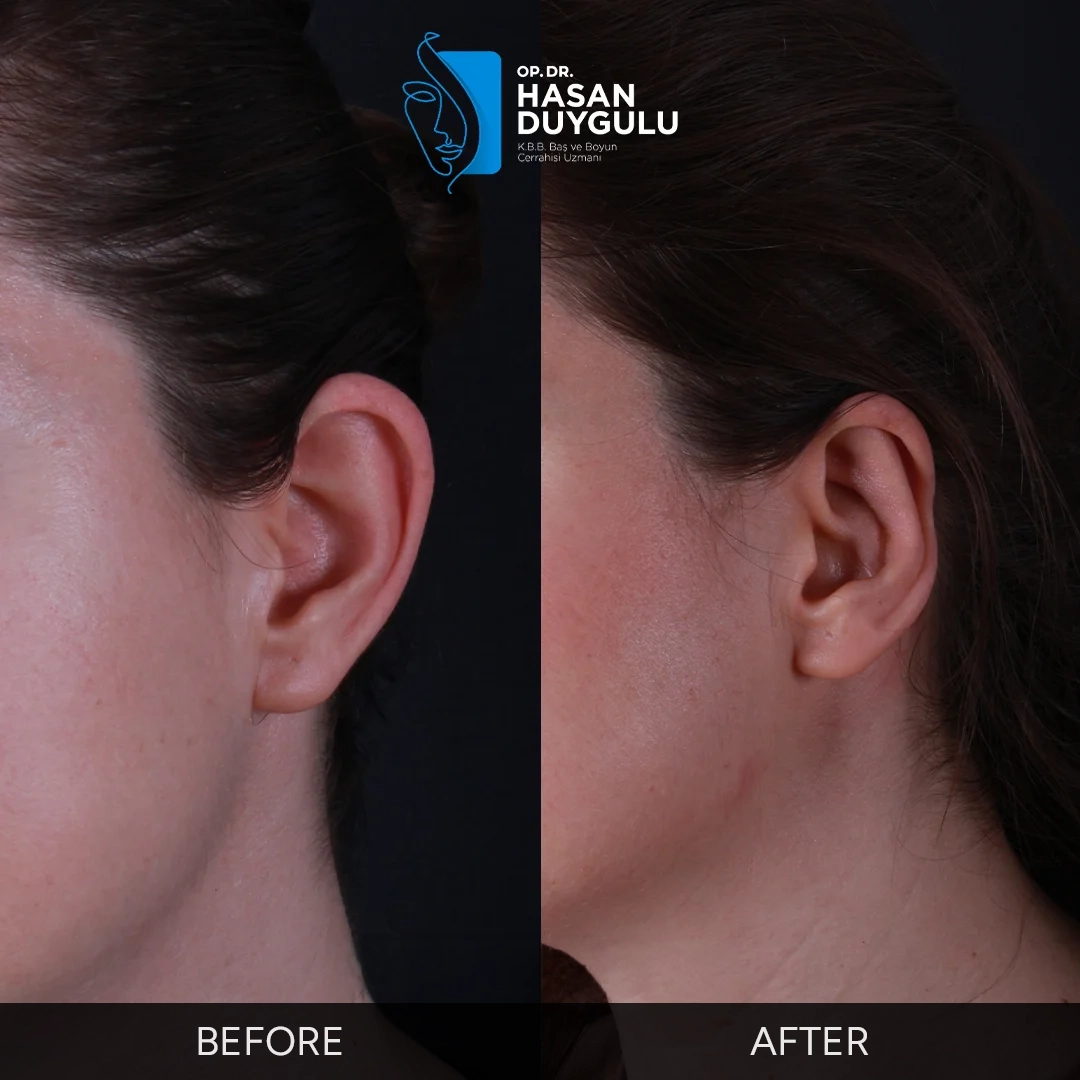
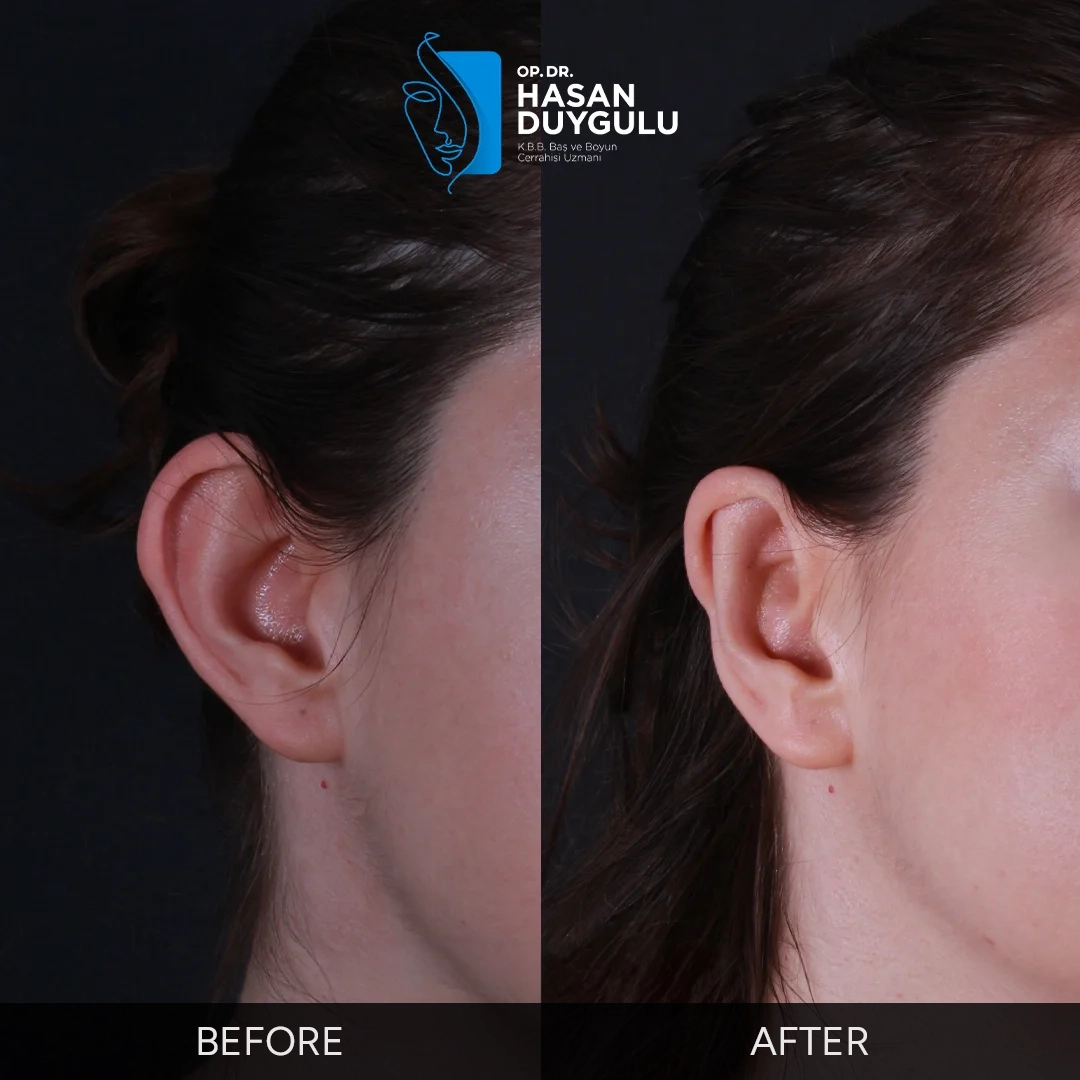
Making Your Final Decision
Choosing the best otoplasty surgeon is a deeply personal decision that requires careful consideration and thorough research. Prioritize board certification, extensive experience in otoplasty, a strong portfolio of natural results, and a surgeon who communicates clearly and genuinely cares about your well-being. Trust your instincts, and select a surgeon with whom you feel a strong sense of confidence and comfort.
We invite you to schedule a consultation with Dr. Hasan Duygulu to discuss your otoplasty goals. Experience firsthand his expertise, patient-centric approach, and commitment to achieving beautiful, natural results that can significantly enhance your confidence and quality of life.
Why is selecting an experienced otoplasty surgeon crucial for the procedure’s success?
A skilled otoplasty surgeon is paramount for achieving both aesthetically pleasing and natural-looking results, which significantly impacts a patient’s self-esteem and confidence. Their expertise ensures the ear’s natural contours are maintained and functional integrity is preserved, preventing issues like unnatural appearances, asymmetry, or complications that might necessitate revision surgery. For optimal outcomes, it’s vital to choose a surgeon with a deep understanding of ear anatomy, refined surgical techniques, and an artistic vision.
What are the essential criteria for choosing the best otoplasty surgeon?
When selecting an otoplasty surgeon, prioritize board certification from a reputable board, indicating rigorous training and ethical standards. Furthermore, look for a surgeon with significant specialization and experience in ear reshaping procedures, ideally performing a high volume of otoplasties annually. Verifying their hospital privileges at accredited facilities and assessing their patient-centered communication approach are also critical factors for ensuring safety and a positive experience.
How can I assess a surgeon’s aesthetic style and patient satisfaction before committing to otoplasty?
To assess a surgeon’s aesthetic style and patient satisfaction, carefully review their before-and-after photo gallery, looking for a variety of cases that demonstrate natural-looking and harmonious results. This helps determine if their work aligns with your desired outcome and avoids an ‘overdone’ appearance. Additionally, patient testimonials, particularly video testimonials, offer authentic insights into the patient experience, including the surgeon’s communication, quality of care, and overall satisfaction, providing valuable perspectives for your decision-making.
What key questions should I prepare for my otoplasty consultation?
During your otoplasty consultation, it’s essential to ask about the surgeon’s specific experience with otoplasty, including the number of procedures they perform annually. Inquire about the recommended surgical technique for your case, potential risks, and realistic expected outcomes. You should also ask about the recovery process, post-operative care requirements, and the total cost of the procedure, ensuring you understand all fees involved for your surgery.
What are the main benefits of undergoing otoplasty?
Otoplasty offers significant benefits beyond just physical alteration, profoundly influencing a patient’s self-esteem and confidence. It reshapes or repositions the ears to improve their appearance and proportion relative to the face and head, correcting issues like prominent ears, asymmetry, or deformities. A successful procedure, especially with a skilled surgeon, ensures an aesthetically pleasing outcome while maintaining the ear’s natural contours and functional integrity, leading to safe, satisfying, and long-lasting results.
Who is typically a good candidate for otoplasty?
Otoplasty is commonly performed on children aged five or older, as their ear cartilage is usually stable enough by this age. However, it is also a common and effective procedure for adolescents and adults. Candidates generally seek to correct congenital ear defects, deformities resulting from trauma, or simply to achieve a more balanced facial profile by addressing ears that protrude too far or are asymmetrical.
How many otoplasty procedures should a surgeon have performed before I trust them with mine?
There’s no universal number, but a surgeon who performs ear reshaping regularly, not occasionally, tends to have more refined judgment about symmetry, technique choice, and healing.
Why is the accreditation of the surgical facility important for otoplasty?
The accreditation of the surgical facility is crucial because it ensures that the environment where your otoplasty will be performed meets stringent safety and hygiene standards. A surgeon having privileges at accredited hospitals or operating in a state-licensed, accredited surgical center guarantees that the facility has robust emergency protocols in place and is equipped with advanced medical technology. This commitment to safety provides peace of mind and comprehensive care, especially important for procedures like otoplasty.
What role does anesthesia play in otoplasty, and what should I discuss with my surgeon?
Anesthesia is a critical component of otoplasty, ensuring patient comfort and safety throughout the procedure. You should discuss whether local anesthesia with sedation or general anesthesia will be used for your specific case, understanding the pros and cons of each option. It is crucial to confirm that a board-certified anesthesiologist or nurse anesthetist will administer and monitor your anesthesia, and to inquire about the facility’s emergency preparedness and response procedures to ensure comprehensive safety protocols are in place.
What can I expect during my initial otoplasty consultation?
During your initial otoplasty consultation, the surgeon will conduct a thorough physical examination of your ears and discuss your medical history, including any previous surgeries, medications, and allergies. This is your opportunity to clearly articulate your aesthetic goals and what you hope to achieve with the surgery. The surgeon should explain various surgical techniques, potential risks, expected recovery, and realistic outcomes, providing a clear understanding of the entire procedure.
How is the otoplasty procedure typically performed, and what is the recommended age for surgery?
Otoplasty usually involves making a discreet incision behind the ear to access and reshape the cartilage, often using sutures or by removing small amounts. This technique helps to reposition the ear closer to the head or improve its overall shape and proportion. The procedure is commonly performed on children aged five or older, as their ear cartilage is sufficiently developed and stable by this age, but it is also a safe and effective option for adolescents and adults seeking to correct ear deformities or prominence.
What is the significance of a surgeon’s board certification for otoplasty?
Board certification is a crucial indicator of a surgeon’s extensive training, expertise, and adherence to the highest standards of patient care and ethical practice. Surgeons certified by reputable boards, such as the American Board of Plastic Surgery, have undergone rigorous training programs and passed comprehensive examinations. This certification assures patients that their chosen surgeon is committed to safety, quality, and continuous professional development in the field of plastic surgery.
Beyond general plastic surgery, what specific experience or specialization should I seek in an otoplasty surgeon?
While many plastic surgeons perform otoplasty, it is highly beneficial to seek a specialist in facial plastic surgery or one with a significant focus on ear reshaping procedures. Such surgeons often possess a deeper understanding of ear anatomy and a mastery of various otoplasty techniques. Inquire about their annual procedure volume and experience with complex or revision cases, as high volume and diverse experience often correlate with superior outcomes and a refined skill set.
Why is clear communication and a patient-centered approach important when selecting an otoplasty surgeon?
Effective communication and a patient-centered approach are paramount for a positive and successful surgical journey. Your surgeon should be an empathetic listener, thoroughly addressing all your questions and concerns, and clearly explaining the procedure, potential risks, recovery process, and realistic outcomes. This ensures that you feel fully informed, understood, and confident in your decision, leading to greater satisfaction with both the process and the final results.