Cryptotia Ear Deformity in Turkey, Istanbul
MD Hasan Duygulu
Cryptotia, also known as hidden ear, occurs when the upper part of the ear cartilage (the helix) is buried beneath the skin of the temple rather than standing free, giving the ear a tucked-in or partially hidden appearance at the top. This congenital difference can range from a mild fold where the upper ear sits slightly close to the head, to a more pronounced case where a significant portion of the helix is concealed beneath the scalp. If cryptotia is affecting your child’s confidence (or your own) — or making it difficult to wear glasses or sunglasses comfortably — correction offers an effective path toward a more typical, well-projected ear shape. Turkey has become a trusted destination for cryptotia correction, combining specialized reconstructive expertise, modern surgical facilities, and cost-effective treatment options for international families.
At Dr. Hasan Duygulu’s clinic, we provide comprehensive evaluation and individualized treatment for patients with cryptotia, from newborns who may be candidates for non-surgical ear molding to older children and adults who require surgical correction. Our clinic in Turkey combines careful diagnostic assessment with reconstructive techniques tailored to the severity of the deformity, focusing on releasing the buried helix, restoring natural ear contour, and achieving results that look as natural as possible.
Accessible Team
of Experience
Why Choose Turkey for Cryptotia Correction?
Turkey has firmly established itself as a premier destination for medical tourism, and it continues to lead in specialized procedures like cryptotia correction. Patients worldwide choose Turkey for its unique combination of advanced surgical techniques, internationally accredited facilities, highly skilled plastic surgeons specializing in reconstructive ear surgery, competitive pricing, and comprehensive patient care packages. Turkey’s strategic geographical location, bridging East and West, fosters a rich environment for medical innovation and attracts diverse patient demographics, particularly for challenging congenital deformities like cryptotia.
World-Class Surgeons and Accredited Facilities
Turkish plastic surgeons specializing in ear reconstruction boast impressive credentials, often holding international certifications and possessing extensive experience in otoplasty and complex ear reconstruction. They undergo rigorous training and specialization pathways, ensuring a high standard of care for congenital deformities. Furthermore, Turkey is home to numerous modern hospitals equipped with state-of-the-art medical technology, many of which hold prestigious international accreditations such as JCI (Joint Commission International), reflecting adherence to safety and quality standards recognized by leading global institutions.
Cost-Effectiveness Without Compromising Quality
One of Turkey’s most compelling advantages for cryptotia correction is its significant cost-effectiveness compared to North America and Western Europe. Patients can expect substantial savings on surgical procedures, accommodation, and travel, often ranging from 50% to 70%, without any compromise on the quality of medical care, advanced technology, or the expertise of the surgeons. This affordability is largely due to lower operational costs and favorable exchange rates, making high-quality cryptotia surgery accessible to a broader international patient base.
Comprehensive Patient Journey and Support
Turkey’s medical tourism infrastructure is designed to provide a seamless and stress-free experience for international patients. From the initial online consultation to post-operative care, patients receive comprehensive support. This includes assistance with travel arrangements, visa requirements (if applicable), airport transfers, comfortable accommodation options, and dedicated patient coordinators who provide language support and local guidance throughout the entire journey. This holistic approach ensures patient comfort and convenience are prioritized alongside medical excellence.
Understanding Cryptotia: Types, Causes, and Impact
Cryptotia, often referred to as “hidden ear,” is a distinctive congenital ear deformity characterized by the upper pole of the helix being buried beneath the skin of the temporal region. This condition can range in severity and has significant implications beyond just aesthetics, affecting an individual’s psychological well-being and social interactions. Early diagnosis and intervention, particularly in infancy, are crucial for achieving optimal results and minimizing long-term psychological effects, highlighting the specialized nature and relative rarity of this condition.
What is Cryptotia? A Medical Definition
Cryptotia is a congenital ear malformation where the upper helix and antihelix of the ear are partially or entirely buried under the skin of the temporal scalp, giving the ear a “hidden” appearance. Unlike other common ear deformities such as prominent ears (otapostasis) or Stahl’s ear (Spock ear), cryptotia specifically involves the incomplete development and attachment of the upper ear cartilage to the surrounding skin, leading to its characteristic tucked-in look.
Causes and Risk Factors of Cryptotia
The primary cause of cryptotia is a developmental anomaly during gestation, meaning it occurs while the baby is forming in the womb. It is generally considered a congenital condition with a genetic predisposition, though the exact genetic pathways are still under research. There are no clear environmental risk factors or maternal behaviors known to cause cryptotia. It is important to note that cryptotia is not caused by external trauma during birth or any actions taken by the parents; it is a natural variation in ear development.
The Psychological and Social Impact of Cryptotia
Living with cryptotia can have a profound psychological and social impact, particularly as children grow older. Individuals often experience self-consciousness, leading to difficulties in social situations and increased vulnerability to bullying in childhood. Simple acts like wearing glasses, sunglasses, or even hats can be challenging or uncomfortable due to the ear’s unusual position. This can significantly affect self-esteem, body image, and overall quality of life. Correcting cryptotia, therefore, is not merely a cosmetic procedure but a functional and psychological necessity that can dramatically improve an individual’s well-being and confidence.
Diagnosis and Evaluation of Cryptotia Ear Deformity
A precise and timely diagnosis is the cornerstone of effective management for cryptotia, a congenital ear deformity where the upper pole of the ear is partially buried beneath the skin of the temporal region. While often identified during initial consultations or early detection screenings, a comprehensive evaluation is crucial to confirm the diagnosis, assess its severity, and differentiate it from other ear anomalies. This detailed diagnostic process ensures the most appropriate treatment plan, whether non-surgical molding in infancy or surgical correction later in life, is tailored to each individual.
Initial Clinical Examination and Visual Inspection
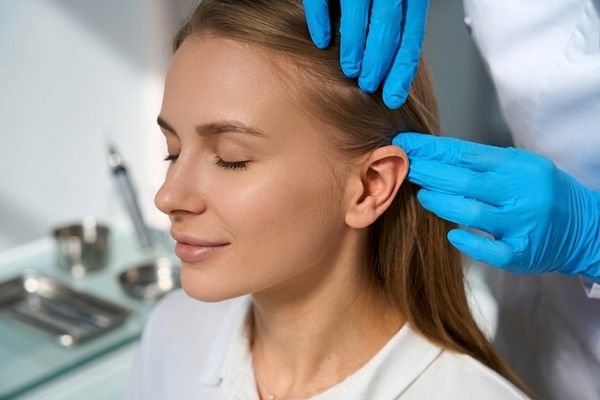
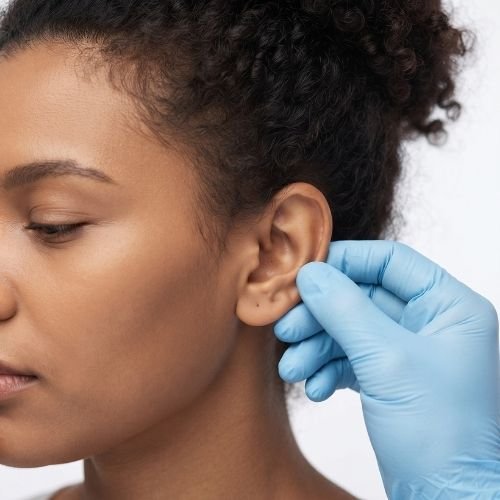
The diagnostic process for cryptotia begins with a thorough clinical examination performed by an experienced pediatrician, plastic surgeon, or otolaryngologist. This involves a detailed visual inspection and palpation of the ear and surrounding temporal area. Key features sought during this initial assessment include:
- The “Hidden” Superior Helix: The hallmark of cryptotia is the superior portion of the auricular helix (the rim of the ear) being tucked or buried beneath the skin of the temporal scalp. This makes the upper ear appear attached directly to the head, lacking the normal free-standing upper curve.
- Absence of the Superior Auricular Sulcus: The normal crease or groove between the upper ear and the side of the head (the superior auricular sulcus) is typically absent or significantly diminished in cryptotia.
- Skin Tethering: Gentle traction on the ear often reveals that the skin of the temporal region is tightly tethered to the underlying cartilage of the upper ear. This tethering prevents the upper helix from projecting normally.
- Normal or Near-Normal Cartilage Structure: Unlike some other ear deformities, the underlying cartilage framework of the ear in cryptotia is often relatively normal in shape and size, though it may be slightly compressed or malpositioned. The issue primarily lies with the overlying skin and soft tissue envelope.
- Asymmetry: Cryptotia can affect one ear (unilateral) or both ears (bilateral), though unilateral presentation is more common. The unaffected ear serves as a valuable reference for comparison.
Specific Diagnostic Maneuvers
To confirm the diagnosis and assess the extent of the deformity, specific maneuvers are often performed:
- The “Push-Pull” Test: Gently pulling the ear downwards and outwards can reveal the hidden superior helix as it momentarily emerges from beneath the temporal skin. Conversely, pushing the ear upwards will cause it to disappear back into the temporal skin fold. This maneuver helps to demonstrate the skin tethering.
- Palpation: Feeling the upper ear and temporal region helps to delineate the extent of the buried cartilage and assess the quality and quantity of the overlying skin. It can also help identify any unusual cartilage irregularities.
Assessment of Severity and Functional Impact
Beyond confirming the presence of cryptotia, the evaluation also focuses on assessing its severity and potential functional implications. This includes:
- Grading Systems: While no universally adopted formal grading system exists, clinicians often categorize cryptotia based on the extent of the buried helix and the degree of skin tethering. This helps in guiding treatment decisions.
- Impact on Eyewear: A significant concern for individuals with cryptotia, especially as they grow older, is the difficulty in wearing glasses or sunglasses. The buried upper helix can interfere with the proper seating of spectacle frames, leading to discomfort or an inability to wear them at all. This functional limitation is an important consideration in treatment planning.
- Psychosocial Impact: For older children and adults, the cosmetic appearance of cryptotia can lead to self-consciousness, teasing, and psychological distress. Evaluating this impact is part of a holistic assessment.
Differential Diagnosis
It is crucial to differentiate cryptotia from other congenital ear deformities, as treatment approaches vary significantly. Conditions that may present with some similar features include:
- Constricted Ear (Lidding/Cup Ear): Characterized by a constricted or folded helix, often with a prominent antihelix. While the helix may appear “tight,” it is not typically buried beneath the temporal skin in the same manner as cryptotia.
- Stahl’s Ear (Spock Ear): Features an extra fold of cartilage in the antihelix, giving the ear a pointed or “elf-like” appearance. The helix is usually not buried.
- Prominent Ear (Bat Ear): Characterized by an overly projected ear due to an underdeveloped antihelical fold or excessive conchal cartilage. The entire ear is visible and projects outwards, not buried.
- Microtia: A spectrum of deformities ranging from mild hypoplasia to complete absence of the ear. While cryptotia can be considered a mild form of hypoplasia, it typically involves a relatively intact cartilage framework, unlike the more severe forms of microtia.
The Role of Imaging Studies
In the vast majority of cryptotia cases, imaging studies such as X-rays, CT scans, or MRIs are generally not necessary for diagnosis. The condition is primarily diagnosed through clinical examination. Imaging might be considered in very rare, complex cases where there is suspicion of associated skeletal abnormalities, severe underlying cartilage malformations, or other syndromic features that require a more detailed anatomical assessment. However, for isolated cryptotia, clinical evaluation remains the gold standard.
Timing of Diagnosis and Intervention
Early diagnosis of cryptotia is highly advantageous, particularly in the neonatal period (within the first few weeks of life). During this window, the infant’s cartilage is still very pliable due to circulating maternal estrogens, making non-surgical ear molding a highly effective treatment option. If cryptotia is diagnosed later in childhood or adulthood, surgical correction becomes the primary treatment modality. Therefore, prompt identification allows for a broader range of less invasive treatment choices.
In summary, the diagnosis and evaluation of cryptotia are primarily clinical, relying on a keen eye and experienced hands to identify the characteristic features of the buried helix and skin tethering. A thorough assessment not only confirms the condition but also guides the selection of the most appropriate and timely intervention, ensuring the best possible functional and aesthetic outcomes for the patient.
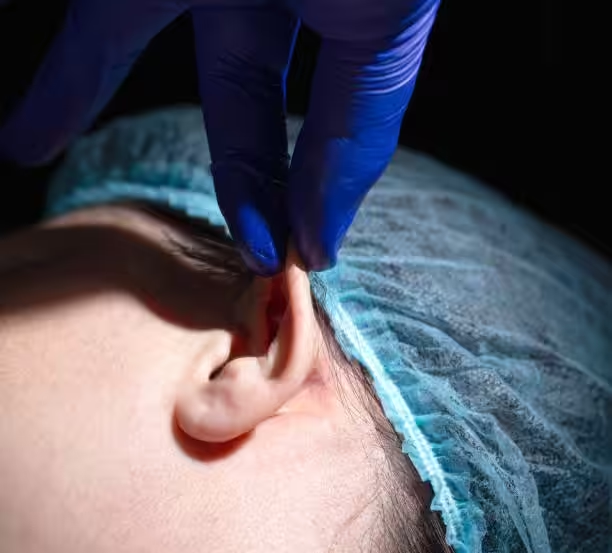
The Importance of Early Detection
Cryptotia is a congenital condition, meaning it is present at birth and forms during fetal development. Because of this, it cannot be prevented in the way an injury or infection can — there are no known prenatal actions or lifestyle changes that stop it from forming. What early detection can do is open the door to gentler, non-surgical treatment while the infant’s cartilage is still highly responsive to reshaping — meaningfully reducing the likelihood that more invasive surgery will be needed later.
Newborn Screening Matters
Because cryptotia can’t be prevented, catching it early is what makes the biggest difference to a child’s treatment options:
- Newborn Examination: A thorough physical examination of newborns by pediatricians should include careful inspection of both ears for any structural abnormalities, including signs of cryptotia.
- Parental Awareness: Parents should be aware of the normal appearance of an infant’s ear and consult their pediatrician if they notice any unusual features, such as the upper ear appearing “stuck” or not fully emerging from the scalp, or difficulty pulling the ear outwards.
Why the First Weeks of Life Matter Most
For infants diagnosed with cryptotia, non-surgical ear molding is often the first and most effective line of treatment (see the Techniques section below for how it works), and timing is everything:
- Reduced Need for Surgery: Successful ear molding can often correct cryptotia, potentially avoiding the need for surgical intervention later in childhood or adolescence — along with the risks, recovery time, and costs associated with surgery.
- Avoiding a More Difficult Correction Later: Without early intervention, the ear’s hidden portion can remain underdeveloped, and the surrounding skin can tighten, making correction more challenging over time.
- Supporting Long-Term Wellbeing: Addressing the deformity early can help reduce the self-consciousness, teasing, or psychological distress that can arise in school-aged children with visible ear differences.
General Prenatal Care and Healthy Development
While not specific to cryptotia, maintaining excellent prenatal care is always recommended for supporting overall healthy fetal development. This includes:
- Regular Check-ups: Attending all scheduled prenatal appointments allows healthcare providers to monitor the mother’s and baby’s health.
- Healthy Lifestyle: Adhering to a balanced diet, avoiding harmful substances (alcohol, tobacco, illicit drugs), and managing pre-existing health conditions can contribute to a healthier pregnancy outcome.
- Folic Acid Supplementation: Taking folic acid before and during early pregnancy is known to prevent certain neural tube defects and is a general recommendation for fetal health.
Cryptotia Correction Techniques and Procedures
The approach to cryptotia correction is highly personalized, depending on the severity of the deformity, the patient’s age, and individual anatomical considerations. Both non-surgical and surgical methods offer effective solutions, ensuring optimal aesthetic and functional outcomes.
Non-Surgical Ear Molding for Infants
For infants diagnosed with cryptotia, non-surgical ear molding devices offer a highly effective solution, particularly when applied within the first few weeks to months of life. This method capitalizes on the malleability of an infant’s cartilage due to circulating maternal estrogens. A custom-fitted molding device gently reshapes the ear over several weeks or months, correcting the deformity without the need for surgery. This “window of opportunity” for non-surgical correction diminishes rapidly after infancy, making early diagnosis and intervention paramount for success.
Surgical Correction (Otoplasty) for Cryptotia
For older children (typically over 5-6 years of age) and adults, surgical correction, a specialized form of otoplasty, is the primary treatment. The surgical goals include:
- Releasing the Buried Helix: Freeing the upper ear cartilage from the temporal skin pocket.
- Reshaping the Cartilage: Precisely sculpting the ear cartilage to restore its natural contours and projection.
- Restoring Natural Ear Contour: Ensuring symmetry and a harmonious appearance with the rest of the face.
Common techniques employed by Turkish specialists include cartilage scoring, suturing, and in some cases, minor skin grafting if there is insufficient skin to cover the newly positioned cartilage. Advanced micro-surgical techniques are utilized to minimize scarring and achieve natural-looking, long-lasting results.
Anesthesia and Recovery Process
Cryptotia correction surgery is typically performed under general anesthesia for children, while adults may have the option of local anesthesia with sedation. The procedure usually requires a short hospital stay, often overnight. Post-operative care involves wearing a protective head bandage for about a week to support the new ear shape and minimize swelling. Patients will receive detailed instructions on wound care, pain management, and activity restrictions. Temporary swelling, bruising, and mild discomfort are common. The full recovery timeline typically spans several weeks, with most patients returning to normal activities within 2-4 weeks, though strenuous activities should be avoided for longer. Adhering strictly to post-operative instructions is crucial for optimal healing and long-term results.
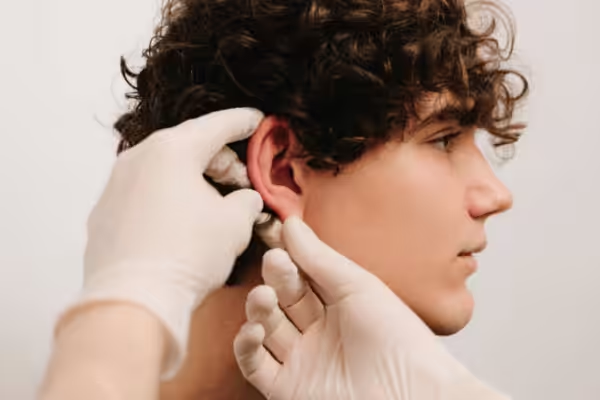
The Cryptotia Correction Journey in Turkey: What to Expect
Embarking on a medical journey abroad can seem daunting, but Turkey’s advanced medical tourism infrastructure ensures a smooth and worry-free experience for international patients seeking cryptotia correction. Here’s a step-by-step guide to what you can expect:
Initial Consultation and Treatment Planning
Your journey begins with an initial online consultation. You can initiate contact by submitting your medical history and relevant photos of the ear deformity. Our expert surgeons will review your case and schedule a virtual consultation to discuss your specific condition, explain the suitable treatment options, manage expectations, and answer all your questions. Following this, you will receive a personalized treatment plan and a transparent quotation. This thorough pre-consultation process ensures you are a suitable candidate and fully informed before traveling.
Travel, Accommodation, and Local Support
Once your treatment plan is confirmed, our dedicated patient coordinators will assist you with all logistical aspects. This includes guidance on visa requirements (if any), assistance with flight bookings, arranging comfortable airport transfers, and recommending suitable accommodation options, from luxury hotels to serviced apartments. Upon your arrival in Turkey, you will be met by your patient coordinator who will provide language support, local guidance, and ensure your comfort throughout your stay. We aim to make your medical trip not just a treatment but also a comfortable and enriching cultural experience.
Post-Operative Care and Follow-Up
After your surgery, you will have in-person check-ups with your surgeon before returning home to ensure proper healing and address any immediate concerns. You will receive detailed instructions for at-home care, including wound management and activity restrictions. Our commitment to your well-being extends beyond your stay in Turkey. We offer remote follow-up options, including telemedicine consultations, to monitor your progress and provide ongoing support once you return to your home country. This continuous support reinforces our dedication to long-term patient satisfaction and safety.
Choosing a Surgeon for Cryptotia in Turkey
Selecting a qualified, experienced surgeon is paramount for successful cryptotia correction. Given the specialized nature of this deformity, careful consideration of several criteria is essential to ensure the best possible outcome in Turkey.
Key Questions to Ask Your Surgeon
To empower you in making an informed decision, here are essential questions to ask your prospective surgeon:
- What is your specific experience with cryptotia correction? Inquire about the number of cases they’ve handled and their success rates.
- Which specific surgical techniques do you recommend for my case, and why? Understand the personalized approach.
- Can I see before-and-after photos of your previous cryptotia patients? This provides visual evidence of their expertise.
- What are the potential risks and complications associated with this procedure? A transparent discussion is crucial.
- What is the expected recovery timeline, and what kind of post-operative support do you provide? Clarify the entire patient journey.
- What is the total cost, and what does it include (surgery, anesthesia, hospital stay, follow-ups)? Ensure transparent pricing.
Understanding Risks and Expected Outcomes
While cryptotia correction is generally safe and highly effective, it’s important to understand potential, albeit rare, risks such as infection, asymmetry, changes in sensation, or scarring. Your surgeon will discuss these thoroughly during the consultation. Realistic expectations are key: the goal is to achieve a natural-looking, aesthetically pleasing ear contour that is in harmony with the facial features, significantly improving both appearance and self-confidence.
Many patients achieve satisfactory aesthetic and functional results with experienced surgical care, though exact outcomes vary by case and are best discussed directly with your surgeon.
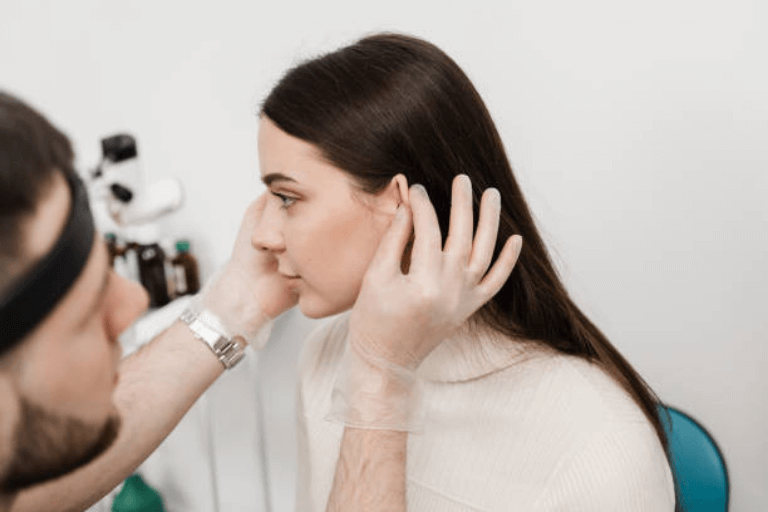
Cryptotia Correction Options: Surgical vs. Non-Surgical Comparison
The choice between non-surgical ear molding and surgical otoplasty for cryptotia correction largely depends on the patient’s age and the timing of diagnosis. The following table provides a clear comparison of these two primary approaches:
Feature | Non-Surgical Ear Molding | Surgical Otoplasty |
Target Age Group | Newborns (ideally within first 6-8 weeks) | Children (typically >5-6 years) & Adults |
Invasiveness | Non-invasive | Invasive (surgical procedure) |
Duration of Treatment | Weeks to a few months | Single procedure, recovery weeks |
Anesthesia Required | None | Local or General Anesthesia |
Potential for Recurrence | Generally low if applied correctly and early | Generally low with experienced surgical care |
Cryptotia Ear Deformity and Related Ear Procedures
Constricted ears can be combined with other ear differences, and each case needs its own plan. Dr. Hasan Duygulu evaluates the shape of your ear and offers targeted procedures for each concern.
Otoplasty
Reshapes prominent or uneven ears and pins them closer to the head for a balanced, natural appearance. It is suitable for both children and adults.
Constricted Ear Correction
Reshapes ears that are cupped, folded or smaller than normal due to a congenital difference. Dr. Hasan Duygulu rebuilds the ear’s structure to create a more natural, balanced shape.
l fold behind it.
Revision Otoplasty
Corrects unsatisfactory results after a previous ear surgery, such as asymmetry, ears that are still prominent or an unnatural shape. Dr. Hasan Duygulu plans each case carefully around the existing structure.
Ear Reduction Surgery
Reduces the overall size of ears that are larger than your facial proportions. The goal is a balanced result that looks natural and fits your face.
Scapha Reduction Surgery
Reduces an enlarged scapha, the curved area between the outer rim and the inner fold of the ear. Dr. Hasan Duygulu refines this area for a smoother, more proportionate ear.
Conclusion
In summary, while cryptotia cannot be prevented from forming initially, its impact and the need for extensive treatment can be largely “prevented” through vigilant early detection and prompt, non-surgical intervention. Parents and pediatricians should be aware of the signs of cryptotia and the critical window for effective ear molding, ensuring that children receive the best possible start and avoid the potential long-term challenges associated with this condition.
Ask Our Experts!
You can fill out the form to get answers to all your questions and detailed information about treatments.
Ask Our Experts!</span
You can fill out the form to get answers to all your questions and detailed information about treatments.
FAQ About Rhinoplasty in Turkey
How long does it take to recover from rhinoplasty?
You may be healed 1-2 weeks after rhinoplasty. However, you have to wait 6 months to see clear results.
Is Turkey safe for rhinoplasty?
Yes. Turkey is one of the reliable countries for rhinoplasty. Turkey has become an important choice in aesthetic and health tourism in recent years.
How long should I stay in Turkey for rhinoplasty?
You must stay in Turkey for 2 weeks for rhinoplasty. However, this time may vary depending on the type of surgery, your recovery speed, and your surgeon’s recommendations.
How soon after rhinoplasty can I return to work?
You can return to work 7 to 10 days after rhinoplasty. However, this period may vary depending on your recovery speed.
Will there be any scars after rhinoplasty?
After rhinoplasty, there will be no scar left on your nose. Because the incisions are stitched very thin and heal over time.
FAQ About Constricted Ear Correction in Turkey
What causes cryptotia, and are there any preventable risk factors?
The primary cause of cryptotia is a developmental anomaly that occurs during gestation, meaning it’s a congenital condition present at birth. It is believed to have a genetic predisposition, although the exact genetic pathways are still being researched. Importantly, there are no known environmental risk factors or maternal behaviors that cause cryptotia, nor is it caused by external trauma during birth.
How does cryptotia affect an individual beyond physical appearance?
Cryptotia can have significant psychological and social impacts, especially as individuals age. Many experience self-consciousness, leading to social difficulties and increased vulnerability to bullying during childhood. Simple actions like wearing glasses, sunglasses, or hats can also be uncomfortable or challenging. Correcting cryptotia is therefore not just a cosmetic procedure but a functional and psychological necessity that can profoundly improve an individual’s self-esteem, body image, and overall quality of life.
What are the primary treatment options for cryptotia, and when is intervention most effective?
Treatment for cryptotia depends significantly on the patient’s age and the severity of the deformity. For infants, non-surgical ear molding devices can be highly effective, particularly when applied within the first few weeks to months of life, capitalizing on cartilage malleability. For older children (typically over 5-6 years of age) and adults, surgical correction, a specialized form of otoplasty, is the primary treatment, aiming to release the buried helix and reshape the cartilage. Early diagnosis and intervention, especially non-surgical molding in infancy, are crucial for achieving optimal long-term results and minimizing psychological effects.
Why has Turkey become a leading destination for cryptotia correction?
Turkey has established itself as a premier global destination for specialized medical procedures like cryptotia correction due to several compelling factors. The country offers a unique combination of advanced surgical techniques, internationally accredited facilities, and highly skilled plastic surgeons specializing in reconstructive ear surgery. Furthermore, patients benefit from competitive pricing, often saving 50% to 70% compared to Western countries, without compromising on quality, alongside comprehensive patient care packages that include travel and accommodation support, making it an attractive option for patients worldwide in 2026.
What kind of support can international patients expect when undergoing cryptotia correction in Turkey?
International patients choosing Turkey for cryptotia correction can expect a comprehensive and seamless patient journey designed for comfort and convenience. This includes dedicated assistance with travel arrangements, visa requirements, airport transfers, and comfortable accommodation options. Patients are also provided with dedicated patient coordinators who offer language support and local guidance throughout their entire medical trip, ensuring a stress-free experience from initial consultation through post-operative care.
When is non-surgical ear molding an effective option for cryptotia?
Non-surgical ear molding is highly effective for infants diagnosed with cryptotia, particularly when applied within the first few weeks to months of life. This method leverages the natural malleability of an infant’s ear cartilage, which is influenced by circulating maternal estrogens. A custom-fitted molding device gently reshapes the ear over several weeks or months, correcting the deformity without the need for surgery, making early diagnosis and intervention paramount for success.
How does correcting cryptotia improve an individual's overall well-being?
Correcting cryptotia cab significantly improve an individual’s overall well-being by addressing both the physical and psychological impacts of the condition. Beyond aesthetic restoration, it alleviates self-consciousness, reduces vulnerability to bullying, and facilitates comfort in daily activities like wearing glasses or hats. This can lead to meaningfully improved self-esteem, body image, and overall quality of life for many patients.
What are the primary surgical objectives for cryptotia correction in children and adults?
For older children (typically over 5-6 years of age) and adults, the primary surgical objectives for cryptotia correction involve releasing the buried upper ear cartilage from the temporal skin pocket. Surgeons then precisely reshape the cartilage to restore its natural contours and projection, aiming for symmetry and a harmonious appearance with the rest of the face. Common techniques utilized by specialists include cartilage scoring, suturing, and sometimes minor skin grafting to achieve natural-looking, long-lasting results.
What measures are in place to ensure high standards of care for cryptotia patients in Turkey?
High standards of care for cryptotia patients in Turkey are ensured through several key measures, including the expertise of world-class surgeons and the quality of medical facilities. Turkish plastic surgeons specializing in ear reconstruction often hold international certifications and possess extensive experience in complex congenital ear deformities. Furthermore, many modern hospitals in Turkey are equipped with state-of-the-art medical technology and hold prestigious international accreditations, such as JCI (Joint Commission International), reflecting adherence to safety and quality standards recognized by leading global institutions.
What can patients expect immediately after cryptotia correction surgery?
Immediately after cryptotia correction surgery, patients can expect a short hospital stay, often overnight, with the procedure typically performed under general anesthesia for children or local anesthesia with sedation for adults. A protective head bandage will be applied and usually worn for about a week to support the newly shaped ear and minimize swelling. Patients will receive detailed instructions on wound care, pain management, and activity restrictions, and it is common to experience temporary swelling, bruising, and mild discomfort during this initial recovery phase.
How does cryptotia differ from other common ear deformities?
Cryptotia is a unique congenital ear deformity where the upper part of the ear cartilage (helix and antihelix) is partially or entirely hidden beneath the skin of the temporal scalp, giving it a characteristic ‘tucked-in’ appearance. This distinct feature differentiates it from other common conditions like prominent ears (otapostasis), which involve excessive protrusion, or Stahl’s ear, which is characterized by an extra cartilage fold, as cryptotia specifically involves the incomplete development and attachment of the upper ear cartilage.
How does non-surgical ear molding effectively correct cryptotia in infants?
Non-surgical ear molding can be highly effective for infants with cryptotia because their ear cartilage is naturally malleable due to the presence of circulating maternal estrogens. A custom-fitted molding device is gently applied to the infant’s ear, gradually reshaping it over several weeks or months without the need for surgery. This method is most successful when initiated early, ideally within the first few weeks to months of life, as the cartilage becomes less pliable as the infant grows.
What are the key surgical goals for cryptotia correction in older children and adults?
For older children and adults, surgical correction aims to achieve specific objectives to restore the ear’s natural form and projection. The primary goals include releasing the buried upper ear cartilage from its temporal skin pocket, precisely reshaping the cartilage to recreate its natural contours, and ensuring overall symmetry and a harmonious appearance with the rest of the face. These procedures are designed to provide both aesthetic improvement and functional integrity.
What makes Turkish plastic surgeons highly qualified for cryptotia correction?
Turkish plastic surgeons specializing in ear reconstruction are renowned for their expertise, often holding international certifications and possessing extensive experience in complex otoplasty and reconstructive ear surgery. They undergo rigorous training and specialization pathways, ensuring a high standard of care for congenital deformities like cryptotia. Operating in state-of-the-art, internationally accredited facilities, these specialists are well-equipped to provide high-quality care.
How does Turkey maintain high quality in cryptotia correction despite lower costs?
Most children can return to school within 1–2 weeks, once they are comfortable and the initial bulky bandage has been removed. Strenuous activity, contact sports, and any activity with a risk of direct impact to the ear should generally be avoided for at least 6–8 weeks, to protect the ear while it is still healing, Dr. Duygulu will give guidance specific to your child’s recovery and the extent of the surgery performed.