
Septoplasty RecoveryTimeline Day By Day
One of the most frequently asked questions by patients after septoplasty surgery is, “How does the day-by-day recovery process progress?” Although symptoms such as edema, a feeling of congestion, and crusting experienced in the postoperative period are often temporary, knowing what is considered normal on which day significantly reduces patient anxiety. At this point, you can take a look at our content to clear any question marks you may have about the septoplasty recovery period. We wish you all a pleasant read and healthy days.
When Is Recovery Observed After a Septoplasty Procedure?
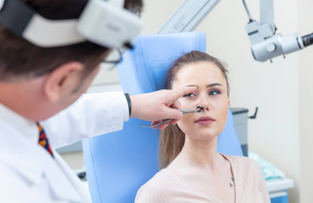
The recovery process after a septoplasty procedure should be evaluated in two phases: the early period (first days and weeks) and the late period (months). In this context, it is normal to experience intranasal edema, slight blood leakage, and a feeling of congestion immediately after surgery, especially within the first 48 hours. During this period, the patient generally cannot breathe comfortably due to the presence of tampons or silicone splints.
With the removal of the tampons, a significant sense of relief begins for most patients at the end of the first week. However, this early relief does not mean that the intranasal mucosal healing is complete.
It usually takes 4–6 weeks for functional improvement to be clearly felt. Nevertheless, full tissue stabilization of the septum and complete recovery of the internal mucosa can take 2–3 months. Therefore, while patients experience partial relief in the early period, permanent and optimal respiratory comfort mostly becomes evident at the end of the first month and the following weeks.
Why Should You Pay Attention to the Recovery Process After Septoplasty?
Paying attention to the recovery process after septoplasty surgery is of critical importance both for preserving surgical success and for the sustainability of long-term respiratory comfort. This is because the septum tissue and nasal mucosa corrected during surgery are highly sensitive and edematous in the early period.
During this process, trauma, nose picking, blowing the nose hard, or uncontrolled physical activity can increase the risk of complications such as bleeding, hematoma, infection, and septal perforation. Furthermore, neglecting recommended nasal irrigation, moisturizing, and physician check-ups during the healing period can lead to increased crusting and delayed mucosal recovery.
Failure to take care during this period may prevent the anatomical correction achieved initially from being fully reflected functionally. Therefore, the post-septoplasty process is not completed simply when the surgery ends; proper care and disciplined follow-up form the basis of a permanent and healthy breathing function.
Factors Determining the Recovery Time After a Septoplasty Procedure
While the recovery process after septoplasty varies from person to person, there are fundamental biological and technical factors that determine the speed and quality of this period. In this context, the factors determining the recovery process after a septoplasty procedure are as follows:
Scope and Complexity of the Operation: A simple septoplasty involving only bone and cartilage correction heals quickly; however, if additional procedures such as turbinate (concha) reduction or sinus surgery are performed simultaneously, the recovery time is extended.
Techniques and Materials Used: The supports placed inside the nose at the end of the surgery affect the process. New-generation silicone splints (internal nasal splints) provide a much more comfortable and faster recovery compared to classic gauze packing because they do not completely block breathing and do not adhere to the tissue during removal.
Patient’s Age and General Health Status: Cell regeneration is faster in younger patients. In individuals with conditions such as diabetes, hypertension, or immune system issues, tissue healing and the resolution of edema (swelling) may take longer.
Smoking: Smoking reduces the amount of oxygen reaching the tissues and impairs blood circulation. In patients who smoke, healing is delayed, the risk of infection increases, and intranasal crusting becomes more intense.
Post-Operative Care and Cleaning: Regular use of seawater sprays or nasal douche kits recommended by the doctor prevents the accumulation of blood and secretions inside, thereby accelerating healing.
Physical Activity Level: Avoiding heavy exercise for the first 2 weeks is critical. Engaging in sports too early can disrupt the recovery process by increasing blood pressure, which may cause nosebleeds or increased swelling.
Nutrition and Hydration: Consuming plenty of water maintains mucosal moisture, while a diet rich in protein and vitamins (especially Vitamin C) increases the rate at which surgical wounds close.
Environmental Factors: Being in very dry, dusty, or dirty environments irritates the sensitive tissues inside the nose. Therefore, breathing moist and clean air during the recovery period facilitates the process.
First Few Days (0-3 Days)
The first 72 hours after septoplasty is the period when edema and slight blood leakage are most prominent. If tampons or silicone splints are present during this time, the patient usually feels significant congestion, and the need to breathe through the mouth increases. Additionally, mild headaches, a feeling of fullness in the face, and fatigue may be observed during this process.
In this context, keeping the head elevated above heart level, applying cold compresses (without putting direct pressure on the nose), and regular use of medications prescribed by the physician reduce the risk of edema and bleeding. Actions that increase intranasal pressure, such as blowing the nose hard, heavy lifting, and sudden bending, must be strictly avoided.
First Week
Tampons or splints are generally removed within the first week, and with this stage, patients feel a significant sense of relief. However, the nasal mucosa is still edematous, and crusting may begin. During this period, nasal irrigation with isotonic solutions accelerates healing and reduces the accumulation of crusts. Mild bloody discharge is considered normal during this time.
In the initial weeks following septoplasty, physical activities should be limited, trauma must be avoided, and regular doctor check-ups should not be neglected. By the end of the first week, the patient can largely return to daily life; however, intranasal healing is not yet complete.
Weeks 2-4
In this phase, mucosal healing accelerates and edema gradually decreases. The quality of breathing begins to increase significantly; however, a temporary feeling of congestion may persist from time to time. On the other hand, crusting and mild dryness may be observed, making nasal moisturizing essential.
Generally, during the 2-4 week recovery period of septoplasty, patients can usually return to light exercise; however, intense sports and activities carrying a risk of impact are still not recommended. This period is an intermediate phase where functional improvement begins to be felt, but tissue stabilization continues.
Weeks 4-6
This period, occurring between 4 and 6 weeks, is when functional results are felt more clearly. During this time, the adaptation of the septum to its new position approaches completion, mucosal integrity is largely restored, and intranasal airflow becomes more balanced.
In this mentioned period, most patients can return to their normal exercise routines. However, although rare, mild sensitivity or periodic edema may still be observed. Generally, respiratory comfort stabilizes significantly during this stage.
Weeks 7 & Beyond
This period is considered the late recovery phase. During this time, the biological healing of the intranasal tissues is largely complete, and septal stability has been established. Additionally, patients typically feel permanent respiratory relief clearly at this stage. Rarely, minor irregularities or minimal complaints of dryness may be observed; however, these are mostly temporary.
On the other hand, it is important to avoid trauma and continue following the physician’s recommendations to preserve long-term results. With this stage, the functional gains of septoplasty become permanent.
Things to Do According to the Septoplasty Recovery Process
There are things that should and should not be done during the septoplasty recovery process. To address these points, they are as follows;
1. First 48 Hours Post-Surgery (Critical Period)
Keep Your Head Elevated: Use at least two pillows while sleeping or resting to keep your head above heart level. This reduces nasal edema and the risk of bleeding.
Cold Compresses: Apply intermittent cold compresses around the eye area (without putting pressure on the nose) as recommended by your doctor.
Preparation for Leakage: Change the gauze at the tip of your nose whenever there is bloody leakage. It is normal to have light leakage for the first two days.
Be Careful if You Sneeze: If you need to sneeze, make sure to do so with your mouth open. This lowers the internal nasal pressure and protects the sutures.
2. The First Week (Period with Tampons/Splints)
Nasal Irrigation: From the moment your doctor approves, wash the inside of your nose 4–5 times a day with seawater or special solutions. This prevents crusting.
Do Not Blow Your Nose: Internal nasal pressure disrupts tissue healing and leads to bleeding. Instead of blowing your nose, gently pat dry any running leakage.
Moisturizing: Prevent dryness by gently applying the ointments prescribed by your doctor (such as Terramycin) to the nasal entrance using a cotton swab.
Bathing: Take a shower with lukewarm water, but be careful not to let pressurized water hit your face directly and ensure the nasal tampons (if any) do not get wet.
3. Weeks 1–2 (Beginning of Recovery)
Removal of Silicone Splints: Usually at the end of the first week, your doctor will remove the internal silicones. Your breathing will suddenly feel much easier after this procedure.
Use of Glasses: If only a septoplasty was performed, light glasses are generally permitted; however, if an aesthetic intervention was also included, you should avoid glasses for 4–6 weeks.
Air Travel: Air travel is not recommended for the first 10–14 days, as pressure changes can cause bleeding.
4. Weeks 2–6 (Sensitive Period)
Light Walks: From the 2nd week onwards, you can start light-paced walks. However, you should still avoid heavy lifting and intense cardio.
Sun Protection: The inside and outside of the nose are sensitive to the sun. Use high-factor sunscreen to prevent spot formation.
Smoking and Alcohol: Since smoking slows down tissue healing, it is best to stay away during this period as well. Alcohol can increase edema (swelling).
5. After the 3rd Month (Full Recovery)
Sports and Contact Games: You can return to sports with a risk of impact to the nose, such as basketball or football, after the 3rd month with your doctor’s approval.
Follow-up Appointments: Do not neglect your routine doctor check-ups, as it may take several months for the cartilage inside the nose to fully settle into place.
Tips for a Smooth Recovery From Septoplasty
Undoubtedly, one of the most frequently asked questions following a septoplasty operation is: “How can I recover faster after surgery?” There are several points you should follow and pay attention to in order to speed up the septoplasty healing process. These points include:
Keep Your Head Elevated: Sleep with your head elevated approximately 30–45 degrees above your body for the first week after surgery. This position uses gravity to balance blood pressure, reducing nasal swelling (edema) and the risk of leakage.
Avoid Strenuous Movements: Bending forward, lifting heavy loads, or straining can increase intranasal pressure and lead to bleeding. Stay away from these movements for the first 2 weeks.
Maintain Nasal Hygiene: Post-operative crusting can make breathing difficult and create a risk of infection. Keep the inside of your nose moist and clean by regularly using the saline sprays or irrigation kits recommended by your doctor.
Do Not Blow Your Nose: Do not try to clean your nose by blowing it for the first 2–3 weeks after surgery. This action can damage your sutures or cause nosebleeds.
Gentle Cleaning of the Nasal Entrance: To clean dried blood and crusts at the nasal entrance, lightly wipe only the opening of the nose using a cotton swab moistened with hydrogen peroxide or the cream prescribed by your doctor.
Choose Appropriate Clothing: Prefer button-down or zippered clothes instead of pull-over garments (like t-shirts or sweaters). This prevents accidental impact to your nose while dressing.
Sneeze with Your Mouth Open: If you have to sneeze, do so with your mouth wide open. This allows the pressure to be discharged through the mouth instead of the nose, protecting the internal cartilaginous structure.
Be Mindful of Glasses: If only a septoplasty was performed, it is usually not an issue, but avoiding heavy glasses that put pressure on the bridge of your nose for a while can increase your comfort.
Stay Hydrated: Proper hydration allows the mucosal layer to heal faster and relieves throat dryness that may occur due to mouth breathing.
Dietary Precautions: Avoid very hot drinks and excessively spicy foods for the first few days, as these can cause dilation of the nasal vessels and lead to leakage-type bleeding.
Avoid Alcohol and Smoking: Alcohol thins the blood, increasing the risk of bleeding. For this reason, take a break from alcohol and smoking for a while.
Use a Humidifier: If the air in your home is very dry, use a humidifier (vaporizer), especially at night. Moist air helps reduce crusting inside the nose and allows you to breathe more comfortably.
Sun Protection: The skin on the nose becomes sensitive after the operation. Exposure to direct sunlight during the healing process can cause permanent color changes or increased edema.
If you have any remaining questions regarding the septoplasty recovery process, you can contact Dr. Hasan Duygulu, an expert in septoplasty in Türkiye.
Frequently Asked Questions
What happens on the first day after surgery?
Within the first 24 hours, if there are tampons or silicone splints inside the nose, a significant feeling of congestion is normal. Light blood leakage, edema, and the need to breathe through the mouth may be observed. Keeping the head elevated and using prescribed medications regularly is important.
Do swelling and pain increase on days 2–3?
Edema usually peaks within the first 48–72 hours. There may be a mild-to-moderate sense of pressure; however, severe pain is not an expected condition. If there is sudden and intense bleeding or increasing pain, a physician should be consulted.
What is the condition of the nose on days 4–7?
During this period, tampons are mostly removed, and patients feel significant relief. However, mucosal edema continues. Light bloody discharge and crusting are normal. Nasal irrigation supports healing at this stage.
Does breathing fully improve by the end of the first week?
No. Although relief begins at the end of the first week, the internal nasal tissues are still in the healing process. Real functional improvement usually emerges gradually over several weeks.
What should be considered in the 2nd week?
Crusting and dryness may be observed. Regular saline irrigation and moisturizing are recommended. Light activities can be performed; however, heavy exercise and activities with a risk of trauma should be avoided.
What is the level of recovery in weeks 3–4?
During this period, edema decreases significantly, and the airway feels more open. The quality of breathing increases, though a temporary feeling of congestion may rarely occur.
Is the nose completely healed by the end of the 1st month?
Most patients feel significant respiratory comfort by the end of the first month. However, the process of tissue stabilization and mucosal healing can continue for up to 2–3 months.
Does the day-by-day recovery process vary from person to person?
Yes. Factors such as the patient’s tissue structure, the scope of the surgical technique, smoking habits, and compliance with care instructions affect the speed of recovery.
When can I fully return to sports and normal life?
Returning to light-to-moderate exercise is generally possible after 3–4 weeks. It is usually recommended to wait 4–6 weeks for full physical activity.
When is permanent relief felt?
Permanent and stable respiratory comfort usually becomes evident between 4 and 8 weeks. Full biological healing may take several months.