After rhinoplasty, many aspects require careful attention, with sleep being one of the most important. Just like in any surgery, sleep directly affects the healing process after a nose procedure. However, it is crucial to pay close attention to sleep positions following rhinoplasty. Otherwise, the desired results of the procedure may not be fully achieved. To guide you in this regard, we have prepared the content “Post-Rhinoplasty Sleep Recommendations and Tips.” By reviewing this content, you can understand why sleep is important after rhinoplasty and learn all the necessary tips for sleeping comfortably following the procedure. We wish you healthy days and enjoyable reading.
Why Is Sleep Important After Rhinoplasty?
As with any cosmetic surgery, sleep plays a crucial role in rhinoplasty. The main reason is that sleep significantly contributes to tissue repair and regeneration. Therefore, it is essential to get sufficient rest after a nose surgery. Proper sleep helps the nasal structures heal faster while also reducing swelling and bruising in the nasal area within a short time. The most important point to remember is to pay attention to sleep positions. By following recommended sleep positions, you can ensure a healthy recovery process after rhinoplasty.
How Should You Sleep After Rhinoplasty?
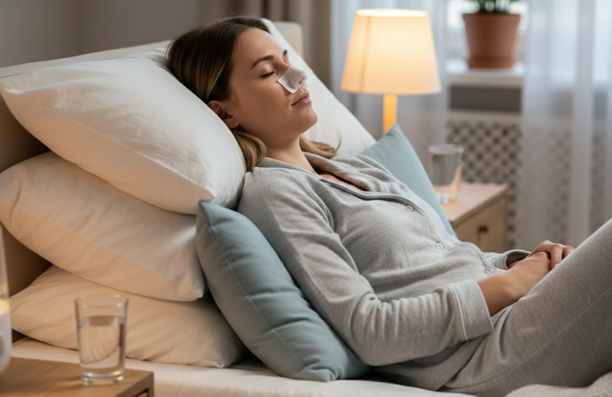
One of the most frequently asked questions after rhinoplasty is, “How should I sleep after a nose surgery?” While there are various opinions, the ideal sleep position after rhinoplasty is undoubtedly lying on your back with your head elevated. This position is highly beneficial both for the nose procedure and overall body health. Sleeping on your back with your head elevated allows proper blood circulation and helps reduce swelling and bruising more effectively, promoting a faster healing process.
To sleep comfortably in this position, your head should be elevated at an angle of 35–45°. You can use extra pillows or neck cushions under your head. Then, lie comfortably on your back with a light blanket over you. This way, you can experience the most optimal sleep position for post-rhinoplasty recovery.
Maintaining a proper sleep routine after rhinoplasty is very important for a comfortable and healthy healing process. However, changes in nasal structure can sometimes affect breathing patterns, such as snoring. For more information on snoring after surgery and its relation to rhinoplasty, you can refer to our article titled Rhinoplasty and Snoring.
How Long Should I Sleep Elevated After Rhinoplasty?
Another common question is, “How long should I sleep elevated after rhinoplasty?” This question is often asked by patients who find it difficult to sleep in an elevated position. The recommended answer is that sleeping elevated for one week is sufficient. After the first week, you can resume normal sleeping positions. However, if you wish to sleep in different positions, you should wait 2–3 weeks, as nasal healing and tissue fusion occur within this period. After completing this recovery phase, you can sleep comfortably in your preferred position. These durations are average estimates; for precise guidance, consult your doctor.
How Long After Rhinoplasty Can I Sleep on My Side?
Sleeping on your side, although considered the most comfortable position for many people, is generally not recommended immediately after rhinoplasty. Side sleeping can directly affect the surgical results, especially if you turn involuntarily during sleep, which may cause the nose to receive impact and potentially damage its structure. Therefore, avoid sleeping on your side until full nasal healing is observed. Once complete recovery is achieved, you can transition to side sleeping under your doctor’s guidance and recommendation.
What Happens If I Turn While Sleeping After Rhinoplasty?
It is common to turn involuntarily during sleep after rhinoplasty, and it usually does not cause serious problems. However, some precautions are necessary. During the first week, nasal tissues are very sensitive, and sleeping in the wrong position can put pressure on the nose, leading to swelling, bruising, or shape distortions. To minimize these risks, place pillows around yourself for support to reduce the likelihood of turning. Additionally, sleeping on your back can help prevent turning habits during the night. If you make a small turning movement, there is no need to worry. However, if you make a sudden or strong turn, contact your doctor immediately so they can assess any potential impact on your nose.
How Long After Rhinoplasty Can I Sleep Normally?
Returning to a normal sleep routine after rhinoplasty depends on the type of surgical procedure, the individual’s healing process, and the surgeon’s recommendations. In the first few days after surgery, finding a comfortable sleep position can be challenging. Therefore, it is recommended to sleep on your back with your head elevated. As the healing progresses and the nose has fully stabilized, returning to normal sleep positions becomes possible. On average, this can typically be around 2–3 weeks after the procedure.
Tips for Sleeping Comfortably After Rhinoplasty
After rhinoplasty, paying attention to a few key points can help you sleep comfortably. These measures not only accelerate the healing process but also help you achieve the desired results. Here are some recommendations for a proper and healthy sleep routine following rhinoplasty, which can positively influence your recovery:
- Prioritize Sleeping on Your Back: Sleeping on your back after rhinoplasty is crucial for a healthy and successful recovery. This position allows the nasal tissues to rest without pressure and minimizes swelling and bruising in the surgical area. Therefore, always sleep on your back after the procedure.
- Try to Sleep with Your Head Elevated: Sleeping with your head elevated helps accelerate recovery and reduces the risk of complications. Supporting your head with several pillows to keep it above heart level helps decrease swelling and bruising in the nose area while improving blood circulation. Additionally, an elevated head allows edema to dissipate more quickly, making the recovery process more comfortable and preventing pressure on nasal tissues.
- Sleep Alone Whenever Possible: Sleeping alone as much as possible after rhinoplasty significantly affects the healing process. Sharing a bed may lead to unintentional movements that press on or bump the nose, potentially damaging nasal tissues, causing deformities, or prolonging recovery. By sleeping alone, you minimize these risks and help preserve the results of your rhinoplasty. Supporting yourself with pillows around you can also help maintain your position comfortably and safely. Therefore, try to sleep alone as much as possible after the operation.
- Avoid Caffeine: To sleep comfortably after rhinoplasty, it is advisable to avoid caffeine, as this supports a more comfortable and effective recovery process. Caffeine’s stimulating effect can disrupt your sleep pattern and make it harder to fall asleep. By limiting caffeine intake, you can achieve deeper, uninterrupted sleep, which in turn supports the post-rhinoplasty healing process. Additionally, opting for herbal teas or caffeine-free beverages during the postoperative period can help you relax and improve sleep quality.
- Use Pain Relievers: Pain relievers can help you sleep comfortably after rhinoplasty. They alleviate discomfort caused by postoperative pain, allowing for uninterrupted sleep. It is important to follow your doctor’s instructions and not exceed the recommended dosage. When used correctly, painkillers not only aid in comfortable sleep but also support the healing process. Excessive use, however, may cause unwanted side effects.
- Prioritize Sleep More Than Ever: Paying special attention to sleep after rhinoplasty is vital for an effective and successful recovery. It is recommended to sleep at least 8 hours per night following surgery. Adequate and quality sleep helps reduce postoperative swelling and bruising while allowing your body to focus on healing. Insufficient sleep may prolong recovery and make the healing process more difficult and uncomfortable.
If you are considering rhinoplasty and have many questions, you can contact us. This way, you can get answers to all your questions about rhinoplasty and ensure a more comfortable recovery process.
Frequently Asked Questions About the Sleep Process After Rhinoplasty
Can I Take Sleeping Pills After Rhinoplasty?
It is incorrect to make a definitive statement on this matter, as sleeping pills may not be suitable for everyone. Therefore, it is recommended to consult your doctor before taking any sleeping pills.
How Long Should I Rest in Bed After Rhinoplasty?
After rhinoplasty, it is ideal for patients to sleep for 8 hours and take naps, as this supports the healing process. If you want to determine the post-operative sleep duration, an 8-hour period is sufficient.
When Can I Sleep with Only One Pillow After Nose Surgery?
After nose surgery, it is generally recommended to keep the head elevated during the first 1–2 weeks. This helps reduce swelling and edema. Sleeping with only one pillow can usually begin after the second week, but the exact timing may vary according to your doctor’s recommendations.
Why Is Sleeping on My Side Prohibited After Nose Surgery?
Sleeping on your side is prohibited after nose surgery because this position can put pressure on nasal tissues, increase swelling, and negatively affect the healing process. Additionally, interventions on the nasal wings or tip can lead to deformities when sleeping on your side.
Which Position Should I Sleep in After Nose Surgery?
It is recommended to sleep on your back with your head elevated after nose surgery. This reduces pressure on the nose, prevents swelling, and accelerates recovery. During the first 1–2 weeks, head elevation can typically be achieved with 2–3 pillows. Sleeping on your side or stomach is prohibited, as it may cause swelling and deformities.